Garage Doors Marketing in San Francisco, CA
San Francisco's 874,000+ residents live in one of the highest-value housing markets in the nation — where a $1.35M median home means owners invest in premium garage door services without hesitation. With 40% of calls being emergency replacements and spring/fall peak seasons just around the corner, the window to dominate local search is right now.
- Rank in the San Francisco map pack — not rent space on Angi
- Performance-based pricing — no lock-in contracts
- Free custom website built for the San Francisco market
By Contractor Bear Team • March 2026
Get Your Free San Francisco Garage Doors Audit
See exactly where you're losing leads to your top 3 garage doors competitors in San Francisco. No sales call required.
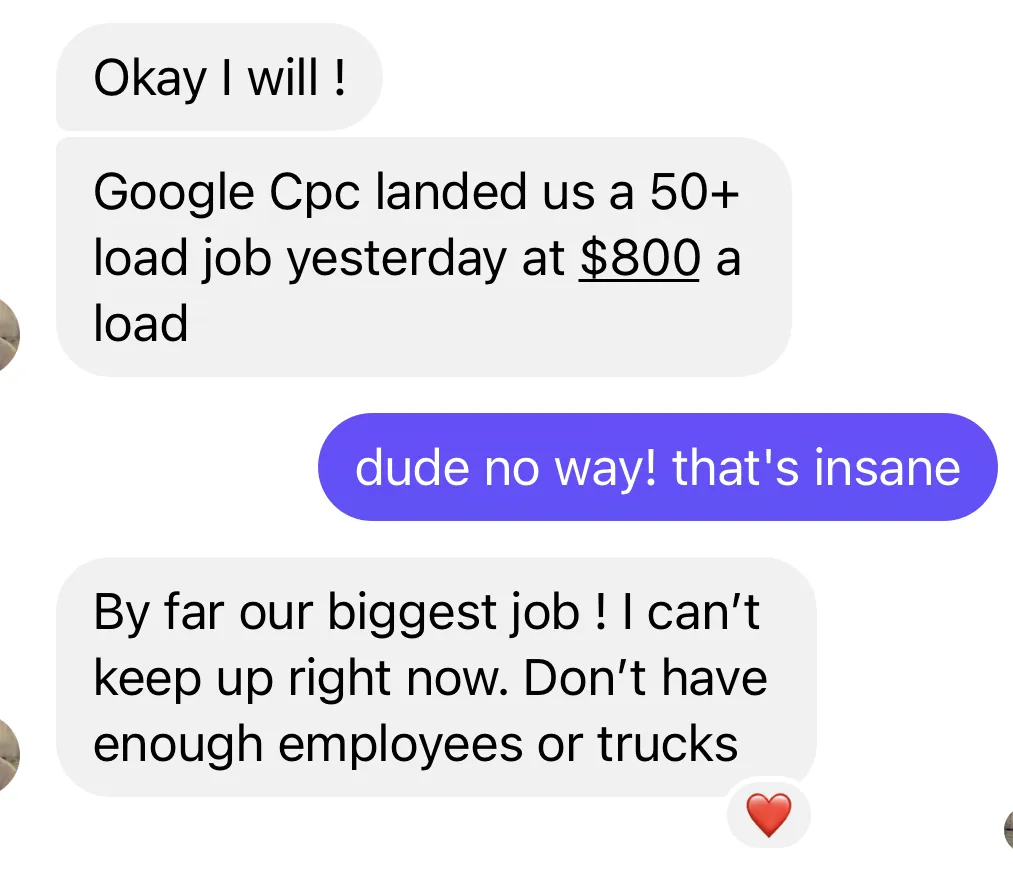
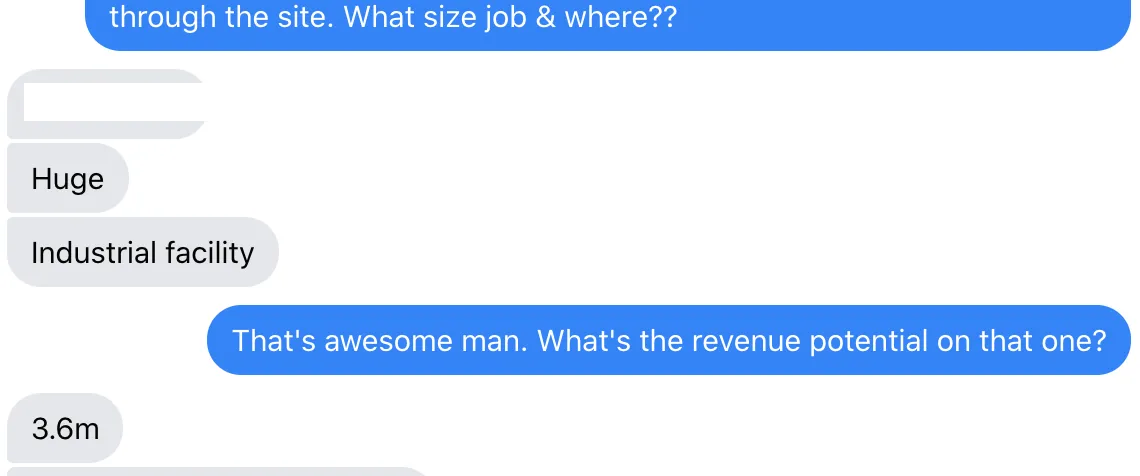
"Biggest job of my career came off this site. We can't keep up with the calls."
— Verified garage doors client
See more proof below ↓
Why Most San Francisco Garage Door Companies Struggle to Get Customers
7 Marketing Channels That Work for Garage Doors in San Francisco
Ranked by ROI for garage doors companies.
Google Business Profile
$10–$25 per leadFor emergency garage door calls in San Francisco, Google Business Profile is the single highest-converting touchpoint available. When a spring snaps at 7am in the Richmond District, the homeowner opens Maps, not a website. A fully optimized GBP with 50+ reviews, accurate service categories, and recent photos drives calls at $10–$25 per lead with a 25% close rate — your lowest cost-per-customer of any channel by a wide margin.
Local SEO
$15–$40 per leadRanking organically for terms like 'garage door repair San Francisco' or 'spring replacement Sunset District' delivers leads at $15–$40 with a 20% close rate — far outperforming paid channels on ROI. San Francisco's dense neighborhood structure (SOMA, Mission, Noe Valley, Pacific Heights) creates dozens of hyper-local keyword opportunities. An SEO foundation built now compounds in value every month, reducing your dependence on expensive pay-per-click channels.
Google Ads
$45–$150 per leadGoogle Search Ads capture San Francisco homeowners in active buying mode — nobody searches 'garage door repair near me' unless they need it now. With CPLs of $45–$150 and a 10% close rate, paid search is best used as a revenue bridge while organic rankings build, or to dominate during peak spring and fall seasons. Smart bidding on emergency-intent keywords ('broken garage door', 'garage door won't open SF') keeps cost-per-customer manageable.
Facebook/Instagram
$25–$80 per leadFacebook and Instagram aren't where San Francisco homeowners go during a garage door emergency, but they're powerful for awareness and retargeting. Targeted ads to homeowners in high-value zip codes like 94115 (Pacific Heights) or 94118 (Inner Richmond) promote smart garage door upgrades, seasonal tune-ups, and panel replacements — services with higher margins and planned purchase cycles. CPLs of $25–$80 with a 6% close rate make this best suited for non-emergency upsells.
Content Marketing
$15–$40 per lead (blended via SEO)Publishing locally-relevant content — 'How San Francisco's Fog and Salt Air Affects Garage Door Springs', 'Smart Garage Door Systems for Bay Area ADUs', 'What San Francisco HOAs Allow for Garage Door Replacements' — attracts high-intent organic traffic and positions your company as the authoritative local expert. Content compounds over time, feeding both SEO rankings and social sharing without ongoing ad spend.
Review Management
Amplifies all other channelsWith most San Francisco consumers reading reviews before calling, your star rating is effectively your conversion rate. A proactive review management system — automated SMS requests after every completed job, rapid responses to negative reviews, and consistent Google/Yelp monitoring — is the difference between ranking #1 on Maps and being ignored. In a market where 3.2 companies are contacted per job, five-star social proof closes the deal before you even pick up the phone.
Email/SMS Marketing
$5–$15 per reactivationWith only a 15% repeat rate, garage door companies in San Francisco must proactively nurture past customers or lose them permanently. An automated email and SMS sequence — annual tune-up reminders, spring maintenance alerts, smart opener upgrade promotions — reactivates customers at near-zero cost. Given San Francisco's $1.35M median home value, a single reactivated customer spending on a full door replacement or commercial system upgrade is worth $450–$2,000+ in revenue.
What San Francisco Garage Door Companies Actually Pay Per Lead
| Channel | Avg CPL | Close Rate | Cost/Customer | Best For |
|---|---|---|---|---|
| Google Ads | $45–$150 | 10% | $450–$1,500 | Fast lead volume, emergency jobs |
| Facebook Ads | $25–$80 | 6% | $417–$1,333 | Awareness, planned upgrades |
| SEO (Organic) | $15–$40 | 20% | $75–$200 | Long-term dominance, lowest CPL |
| Google Business Profile | $10–$25 | 25% | $40–$100 | Emergency calls, map pack visibility |
| HomeAdvisor/Thumbtack | $25–$100 | 8% | $313–$1,250 | Supplemental volume only |
| Doing Nothing | ∞ | 0% | Business stagnation | Nobody |
The San Francisco Garage Doors Market in 2026
Why Garage Doors Companies Need Specialized Marketing
How We Build Your San Francisco Garage Doors Lead Machine
Audit & Strategy
We analyze your current Google Business Profile performance, existing website rankings for San Francisco garage door keywords, review velocity versus top competitors in the Bay Area, and your current lead sources by job type — emergency repair, installation, and commercial. We benchmark your cost-per-lead against the San Francisco market averages and identify the highest-ROI opportunities specific to your service area.
Foundation
We build or rebuild your website with San Francisco neighborhood-level landing pages (Sunset, Richmond, SoMa, Pacific Heights, Mission), fully optimize your Google Business Profile with correct service categories, garage door photos, and Q&A, and establish accurate citations across the top 40 local directories to build the geographic authority signals that drive Map Pack rankings.
Growth
We launch a content marketing campaign targeting San Francisco-specific garage door search queries, implement an automated review request system to accelerate Google and Yelp review accumulation, and execute a local SEO campaign targeting high-intent keywords across your core service neighborhoods — prioritizing the peak spring season to maximize revenue capture during your highest-demand window.
Scale
Once organic rankings are producing consistent leads, we layer in targeted Google Search Ads for emergency keywords and seasonal campaigns for planned upgrades. We expand your GBP service area into adjacent Bay Area markets, launch retargeting campaigns for past website visitors, and continuously optimize based on actual lead-to-job conversion data from your CRM to reduce cost-per-customer month over month.
Real Results: Garage Doors Case Study
Garage Doors company in Oakland, California
Before
After
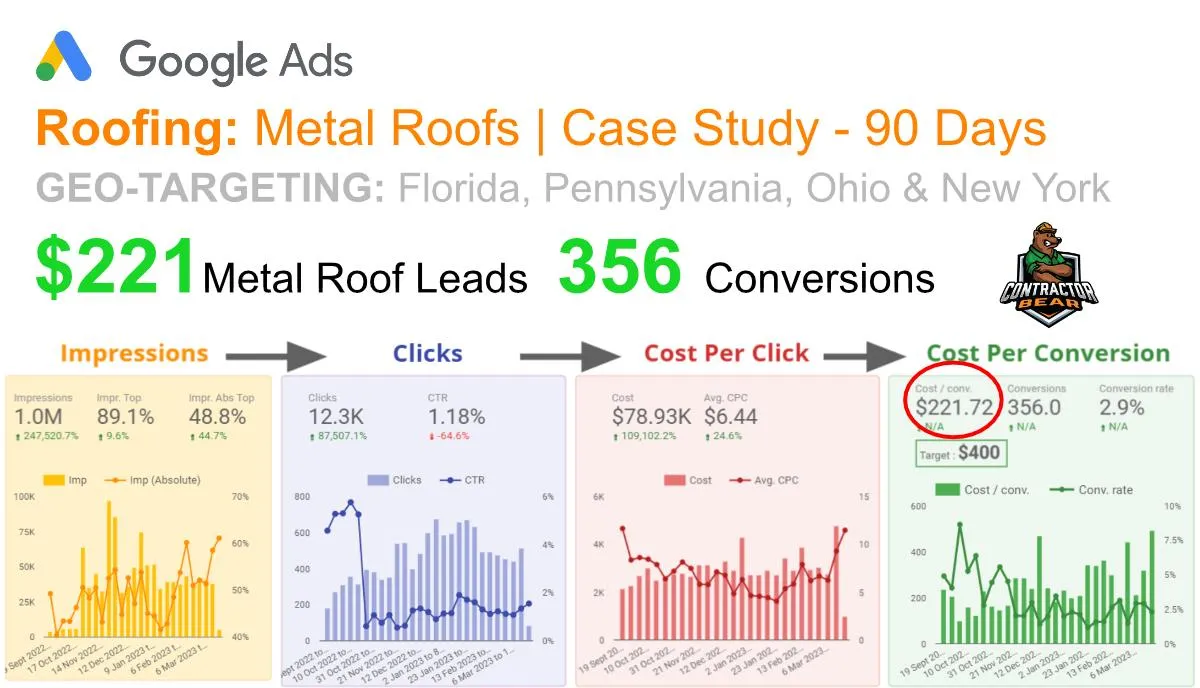
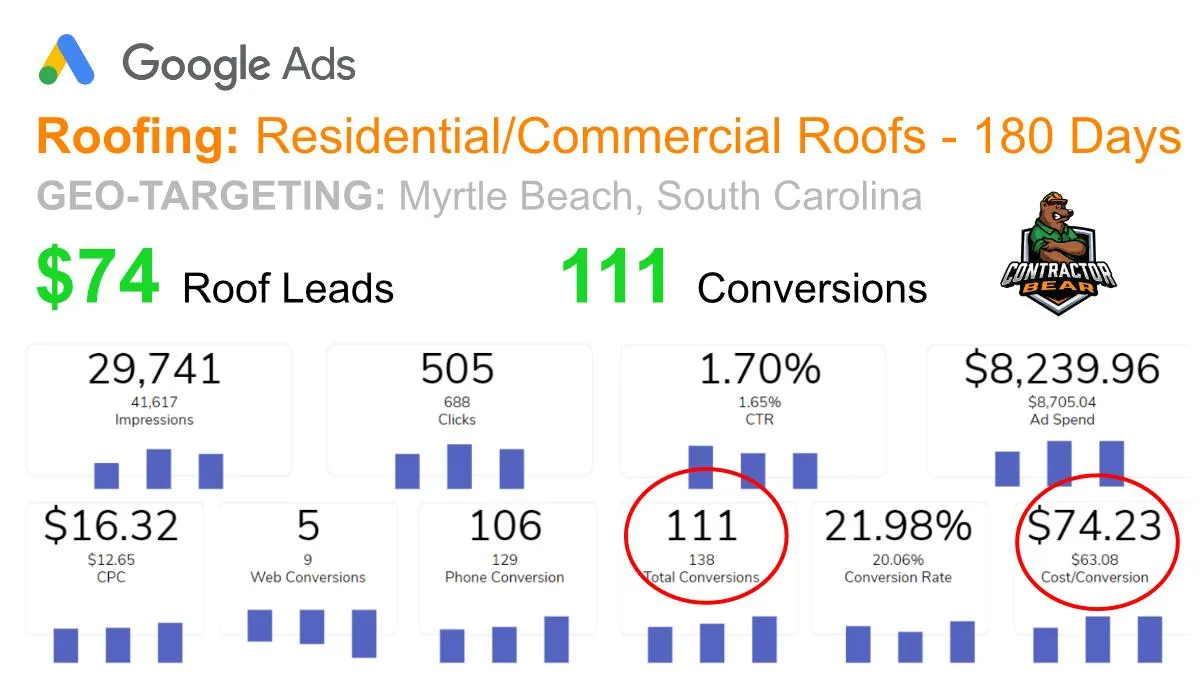
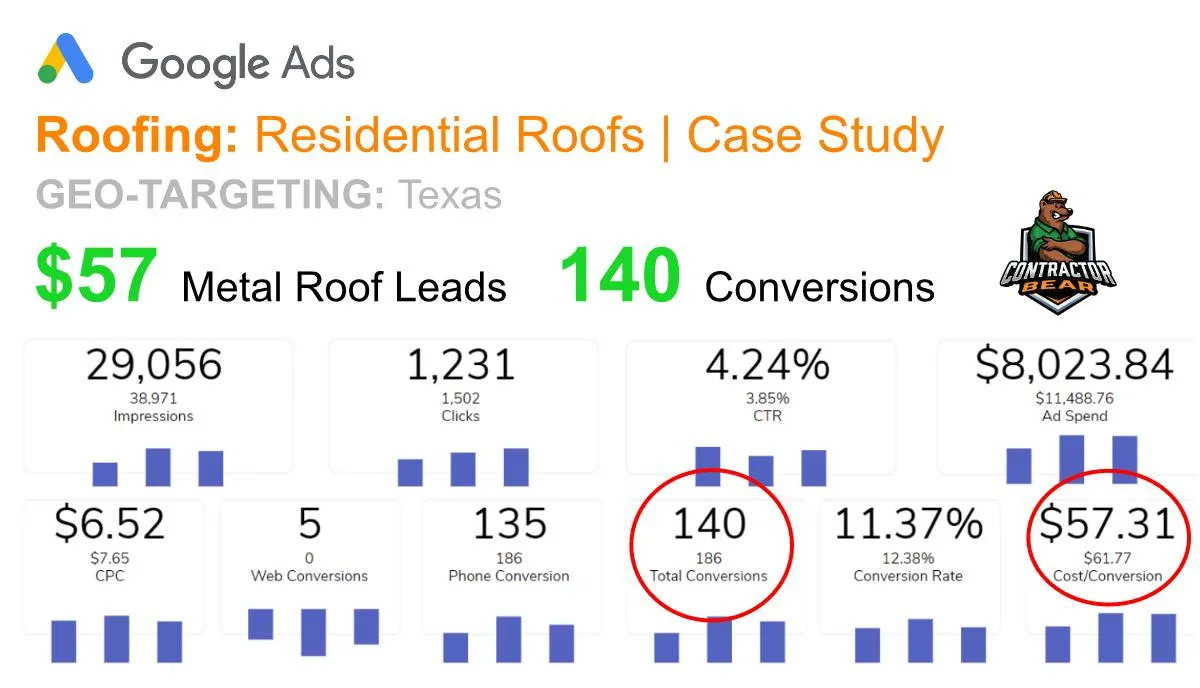
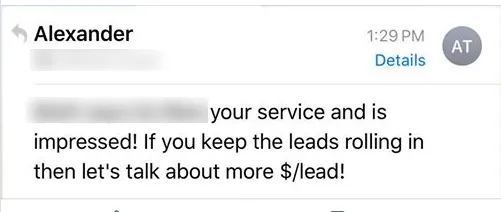
Real Results. Real Contractors.
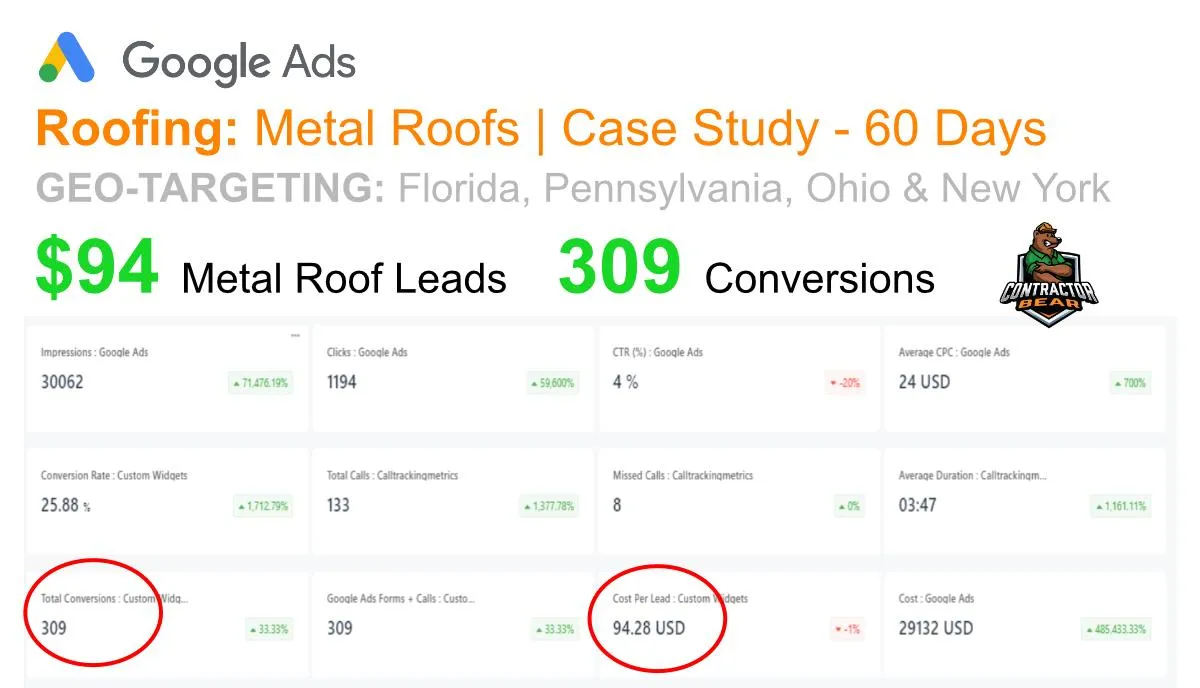
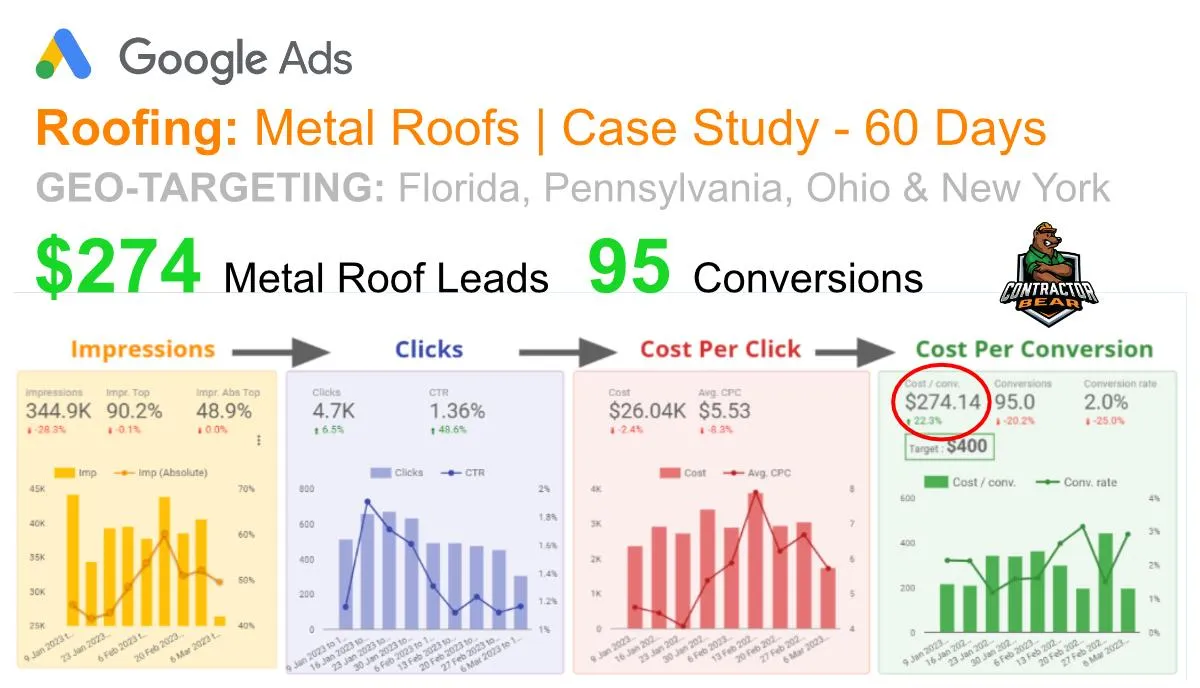
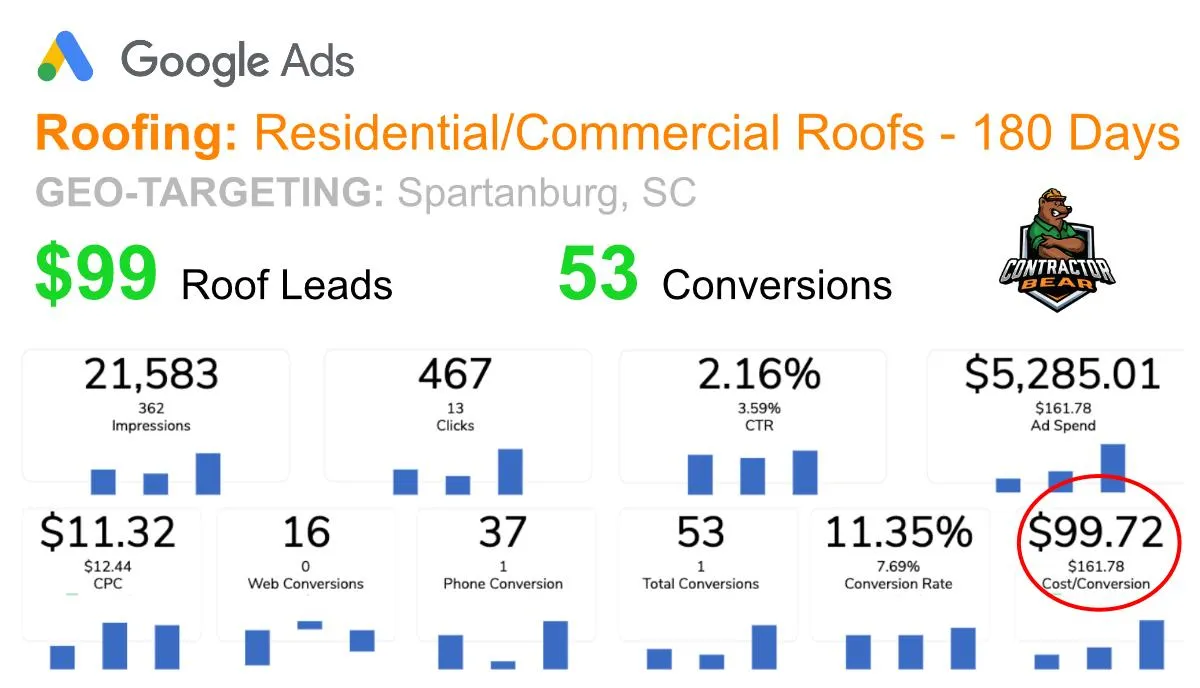
Screenshots from our actual client dashboards and conversations. No stock photos, no fake numbers.



Packages for San Francisco Garage Doors Companies
Free custom website included with every plan. No setup fees, no long-term contracts.

Cub
Start building pipeline
- Google Business Profile optimization
- Local SEO foundation
- Review generation system
- Bring your own website

Black
Your free website tier
- FREE custom website
- ALL Everything in Cub, plus:
- Conversion-optimized site
- Call tracking + Growth Hub CRM

Grizzly
Accelerate your pipeline
- ALL Everything in Black, plus:
- Content marketing & blog
- Advanced review management
- City + service landing pages

Polar
Own your market
- ALL Everything in Grizzly, plus:
- Google Ads management
- Full-funnel lead nurturing
- Dedicated account manager
You only move up when we deliver. Tier upgrades trigger automatically when your attributed-lead count clears each threshold, with phone, email, and text notification before any price change. Attribution is limited to leads generated by our marketing — never your existing customers, referrals, or word-of-mouth.
Garage Doors Marketing FAQ
How long does it take to rank on Google Maps for garage door repair in San Francisco?
For competitive San Francisco garage door keywords like 'garage door repair San Francisco' or 'broken spring replacement SF', most companies begin seeing Map Pack movement within 60–90 days of a fully optimized Google Business Profile, strong citation consistency, and active review accumulation. Ranking in the top 3 for your core service areas typically takes 4–6 months depending on your current starting point and competitor activity. Neighborhood-level terms — 'garage door repair Sunset District' or 'opener installation Richmond SF' — often rank faster and convert at equally high rates.
Is Google Ads worth it for a San Francisco garage door company given the high CPL?
At $45–$150 per lead with a 10% close rate, San Francisco Google Ads can cost $450–$1,500 per acquired customer — which is high relative to a $450 average job value. However, Google Ads becomes profitable when you account for lifetime value ($1,200), upsell potential on smart systems and full replacements, and the fact that emergency-intent keywords convert at the higher end of the close-rate range. We recommend Google Ads as a supplemental channel during peak spring and fall seasons while organic SEO builds to reduce your long-term dependence on paid spend.
How does San Francisco's climate affect garage door marketing strategy?
San Francisco's Mediterranean climate — persistent coastal fog, salt air, and moisture — accelerates corrosion on springs, cables, and hardware, particularly in neighborhoods like the Outer Sunset, Sea Cliff, and Ocean Beach. This creates a natural content marketing opportunity: educational articles about 'how Bay Area fog affects garage door springs' and 'when to replace cables in coastal San Francisco homes' attract high-intent homeowners researching maintenance. We build this local environmental angle into your content strategy to drive organic traffic that national competitors can't replicate.
What's the best way to compete with Home Depot for garage door jobs in San Francisco?
Home Depot competes primarily on price for basic spring replacements and simple opener installs — the lowest-margin jobs in your business. The winning strategy is to compete on speed, trust, and expertise rather than price. San Francisco homeowners with $1.35M homes don't want the cheapest spring; they want the company with 200 five-star reviews, same-day availability, and a licensed technician who shows up on time. Owning your Google Maps presence and review reputation removes Home Depot from the conversation entirely, because customers searching locally on Maps never see the big box option.
Should a San Francisco garage door company invest in marketing for commercial doors separately from residential?
Yes — and most competitors don't, which creates a significant opportunity. San Francisco's commercial real estate density in SoMa, the Financial District, and industrial areas of Dogpatch and Bayview means commercial garage door and roll-up door services represent a high-value, recurring-maintenance revenue stream. Commercial property managers search differently than homeowners, respond to different trust signals, and often sign multi-location service contracts. We recommend a dedicated commercial landing page, separate GBP service categories for commercial doors, and targeted outreach to property management companies as a distinct revenue track from your residential business.
Garage Doors Marketing Resources
Scale Your Garage Doors Company →
Comprehensive growth guide for garage doors businesses.
All Garage Doors Services →
See everything we offer for garage doors companies.
Google Business Profile Guide for Contractors →
In-depth article to help grow your business.
How to Get More 5-Star Reviews →
Practical strategies you can implement today.
Get Your Free Garage Doors Marketing Audit in San Francisco
We'll build you a free custom website and show you exactly which San Francisco neighborhoods are sending leads to your competitors right now — no obligation, no credit card.