Heating & Cooling Marketing in New York, NY
New York City's 8.3 million residents — and 19.8 million across the metro — battle brutal humid subtropical summers and frigid winters, making HVAC services a year-round necessity. If your heating and cooling company isn't dominating local search, you're handing those $450-per-job calls directly to your competitors.
- Rank in the New York map pack — not rent space on Angi
- Performance-based pricing — no lock-in contracts
- Free custom website built for the New York market
By Contractor Bear Team • March 2026
Get Your Free New York Heating & Cooling Audit
See exactly where you're losing leads to your top 3 heating & cooling competitors in New York. No sales call required.
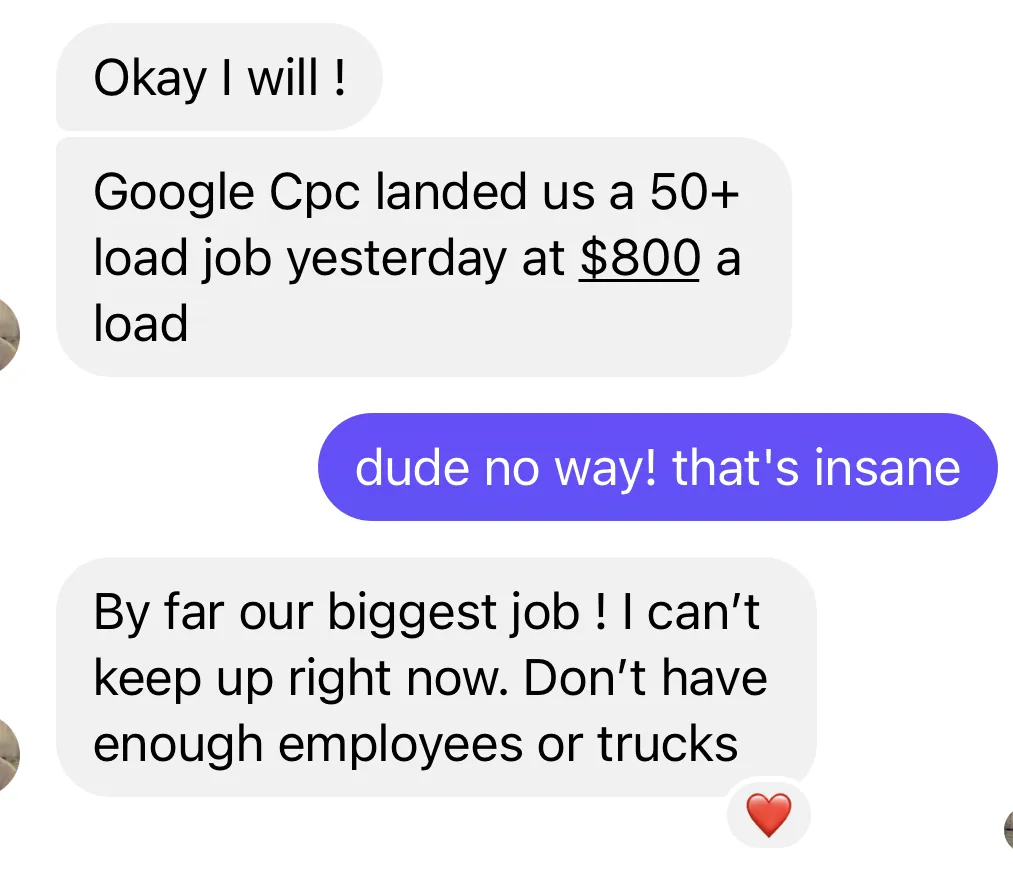
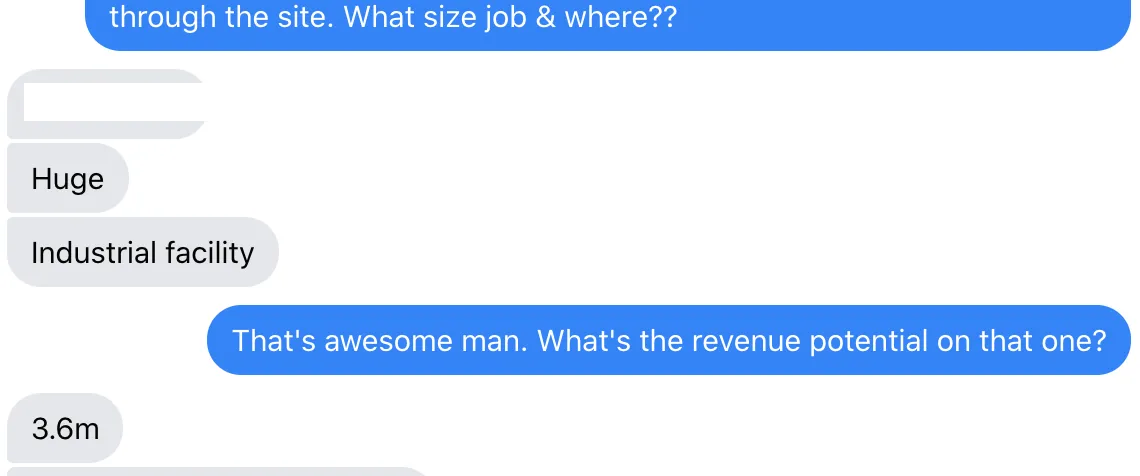
"Biggest job of my career came off this site. We can't keep up with the calls."
— Verified heating & cooling client
See more proof below ↓
Why Most New York HVAC Companies Struggle to Get Customers
7 Marketing Channels That Work for Heating & Cooling in New York
Ranked by ROI for heating & cooling companies.
Google Business Profile
$10-$25 per leadIn a city where most consumers search online before calling, your Google Business Profile is the single highest-leverage free asset you own. For heating and cooling companies in New York, a fully optimized GBP with regular photos, current hours, and 50+ reviews consistently drives emergency calls from nearby neighborhoods. The 25% close rate on GBP leads makes it your cheapest path to a booked job, especially for urgent AC and furnace calls.
Local SEO
$15-$40 per leadRanking organically for searches like 'AC repair Brooklyn' or 'furnace installation Queens' delivers sustained lead flow without ongoing ad spend. New York's borough-by-borough geography means there are hundreds of high-intent local keyword opportunities your competitors aren't fully targeting. SEO leads close at 20% — the highest rate outside of referrals — because customers who find you organically already trust you before they call.
Google Ads
$45-$150 per leadWhen a New Yorker's heat pump fails at midnight in January, they search Google and call the first company they see. Google Ads puts your HVAC company at the top of those searches immediately — no waiting for SEO to build. Emergency keywords like 'no heat NYC' and 'same day AC repair Manhattan' carry high CPCs but convert at 10%, and with an average job value of $450 and lifetime value of $4,500, the ROI on well-managed campaigns is substantial.
Facebook/Instagram Ads
$25-$80 per leadFacebook and Instagram let you reach New York homeowners and property managers before they have an emergency — positioning your HVAC company as the trusted local option when the season changes. Seasonal campaigns promoting maintenance plans, AC tune-ups ahead of summer, and heating inspections before winter convert well among the some owner-occupied households. Retargeting website visitors keeps your brand top-of-mind throughout spring and fall slow periods.
Content Marketing
$15-$35 per leadNew York building owners and property managers are actively searching for answers to Local Law 97 compliance, heat pump eligibility, and energy efficiency upgrades. Blog content and service pages targeting these regulatory questions position your company as an expert resource and drive high-intent commercial leads. Content marketing compounds over time, feeding your SEO rankings and giving your sales team credible material to share with co-op boards and landlords.
Review Management
$5-$15 per leadWith most New York consumers reading reviews before contacting an HVAC company and an average of 3.2 businesses contacted per decision, your review profile is a direct revenue driver. A systematic approach to collecting, responding to, and showcasing reviews on Google, Yelp, and Angi gives you a competitive edge in one of the most review-savvy markets in the country. Negative reviews that go unanswered cost you booked jobs every single week.
Email/SMS Marketing
$5-$20 per leadFor a heating and cooling company in New York, past customers are gold. With a 40% repeat rate and $4,500 lifetime value, a structured email and SMS sequence — seasonal tune-up reminders, maintenance plan renewals, efficiency upgrade offers — turns one-time customers into long-term revenue. SMS open rates above 95% make it the ideal channel for time-sensitive summer and winter maintenance promotions when New Yorkers are already thinking about their systems.
What New York HVAC Companies Actually Pay Per Lead
| Channel | Avg CPL | Close Rate | Cost/Customer | Best For |
|---|---|---|---|---|
| Google Ads | $45-$150 | 10% | $450-$1,500 | Emergency calls, immediate visibility |
| Facebook Ads | $25-$80 | 6% | $417-$1,333 | Maintenance plans, seasonal promotions |
| SEO (Organic) | $15-$40 | 20% | $75-$200 | Long-term lead flow, highest ROI |
| Google Business Profile | $10-$25 | 25% | $40-$100 | Local emergency calls, map pack visibility |
| HomeAdvisor/Thumbtack | $25-$100 | 8% | $313-$1,250 | Supplemental volume, filling gaps |
| Doing Nothing | ∞ | 0% | Business stagnation | Nobody |
The New York Heating & Cooling Market in 2026
Why Heating & Cooling Companies Need Specialized Marketing
How We Build Your New York Heating & Cooling Lead Machine
Audit & Strategy
We analyze your current Google Business Profile performance across all five boroughs and surrounding New York metro areas, review your existing website's local SEO signals for heating and cooling keywords, assess your review profile versus top-ranking competitors, and map your seasonal revenue patterns to identify the highest-opportunity gaps in your current marketing mix.
Foundation
We build or overhaul your HVAC website with borough-specific service pages, optimize your Google Business Profile with accurate service categories and regular photo updates, establish consistent citations across HVAC and home services directories, and implement structured data markup to maximize your visibility in New York local search results.
Growth
We execute a content strategy targeting New York-specific HVAC search terms — including Local Law 97 compliance, heat pump eligibility, and neighborhood-level service pages — combined with a systematic review generation program and a local SEO campaign designed to push your rankings into the top three map pack positions across your primary service areas.
Scale
We launch and manage Google Ads campaigns targeting high-intent emergency HVAC keywords in New York, layer in Facebook retargeting for maintenance plan conversions during shoulder seasons, build email and SMS sequences to maximize your 40% repeat customer rate, and continuously optimize based on actual booked job data from your field management software.
Real Results: Heating & Cooling Case Study
Heating & Cooling company in Queens, New York
Before
After
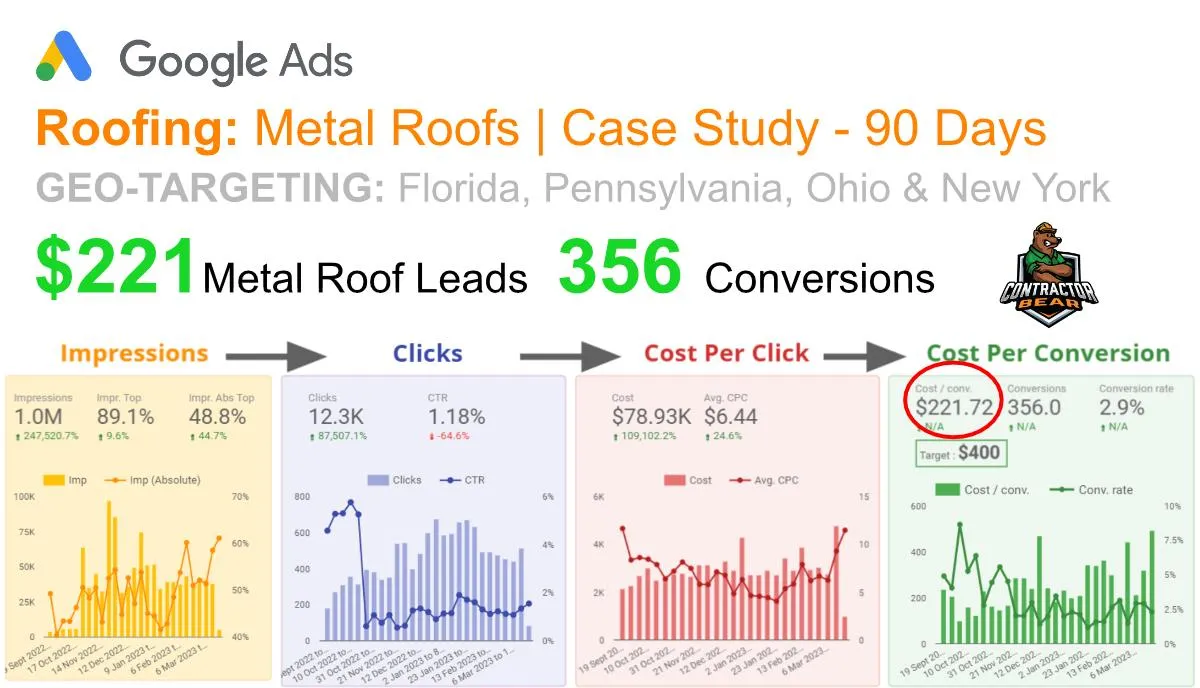
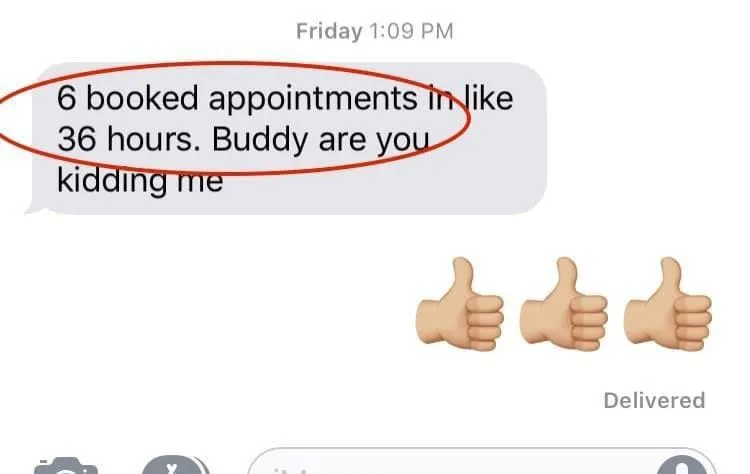
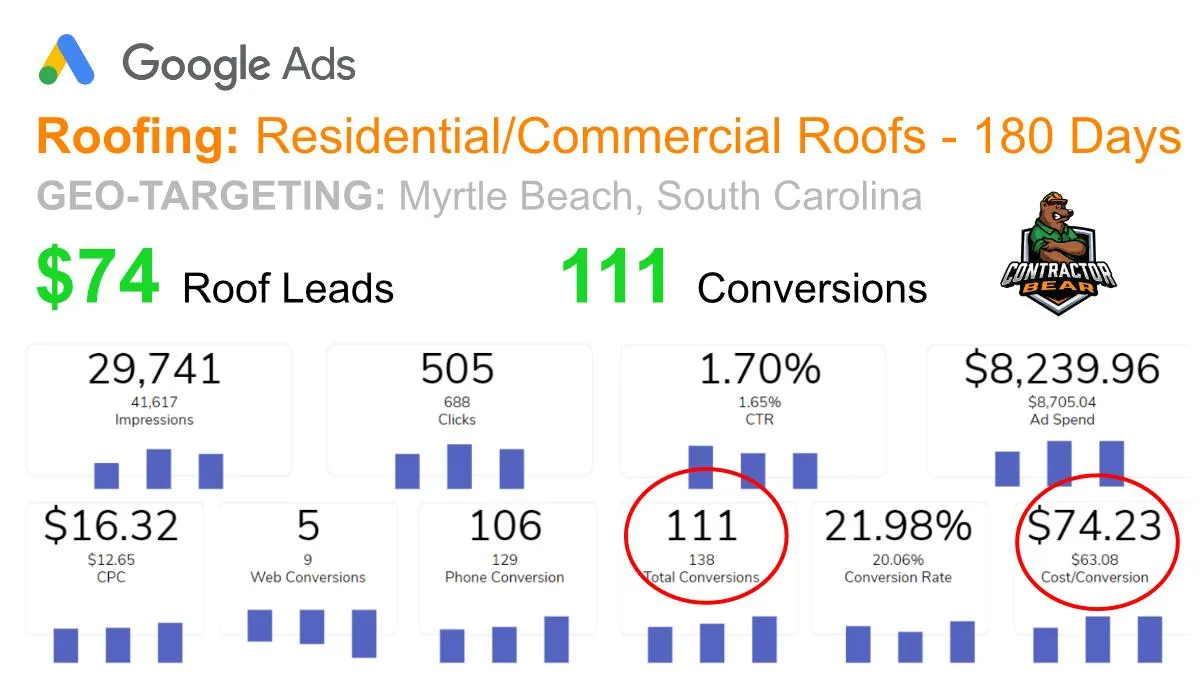
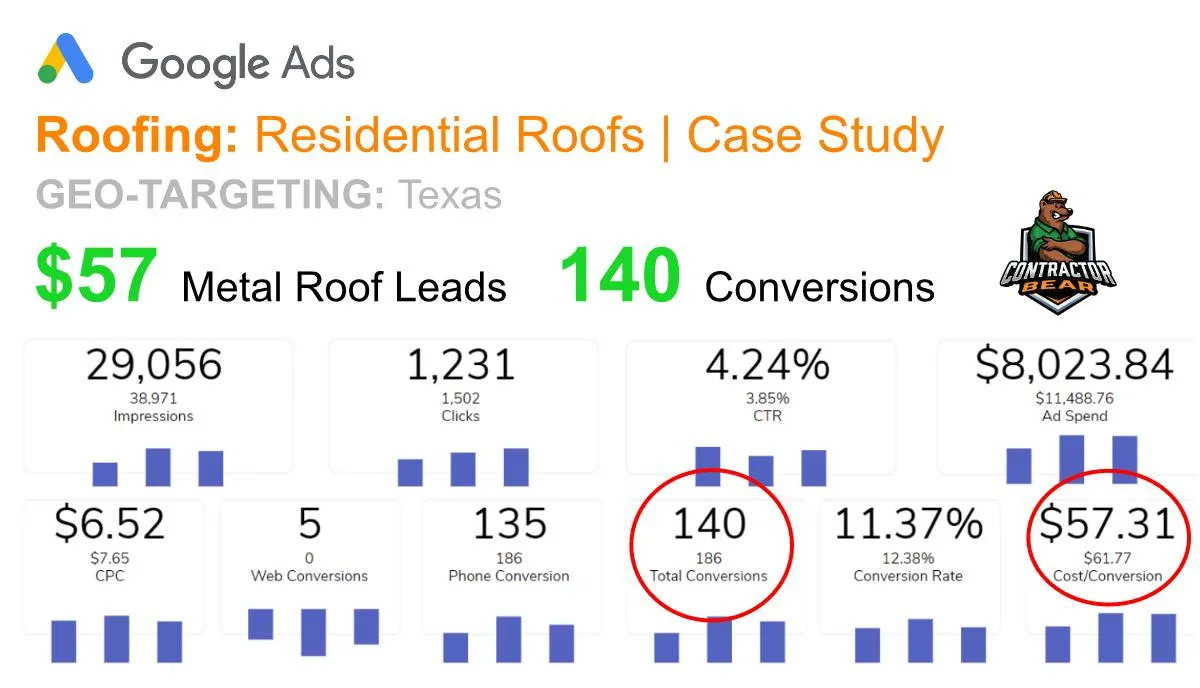
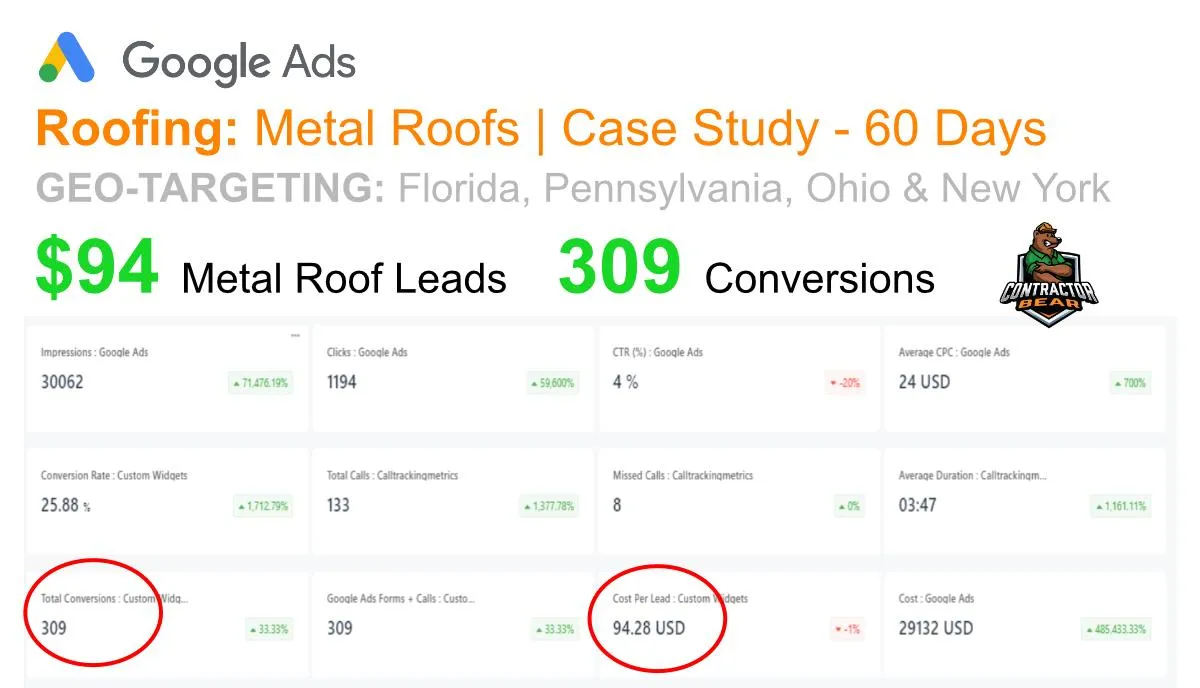
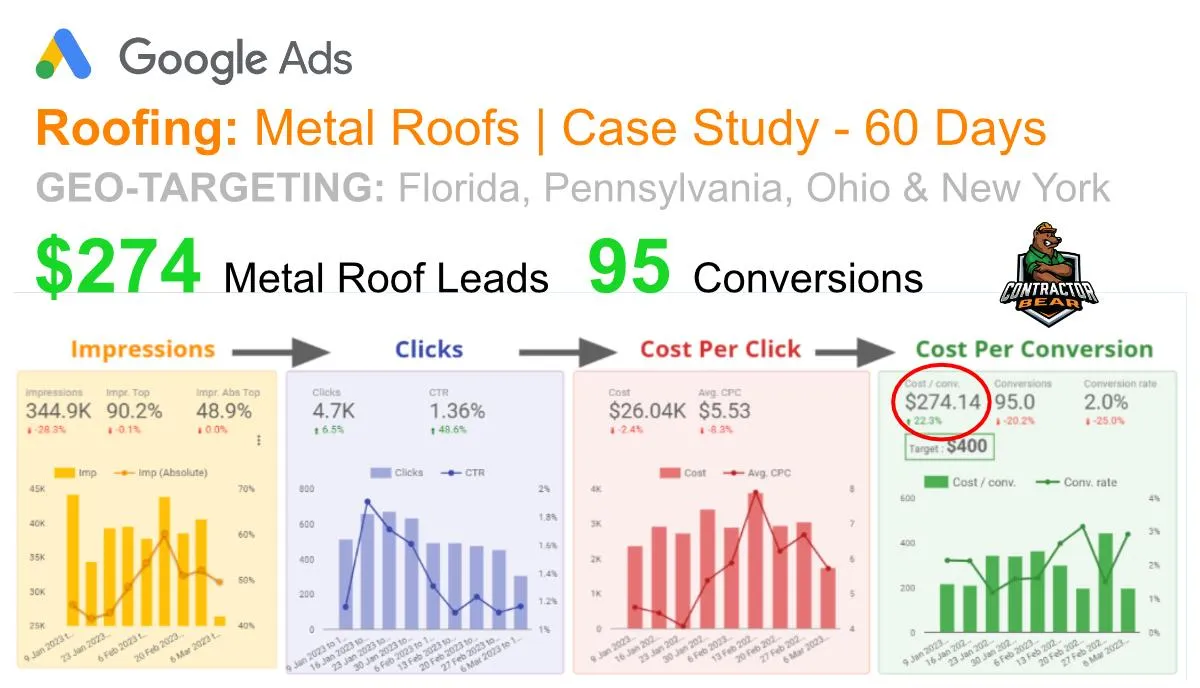
Real Results. Real Contractors.
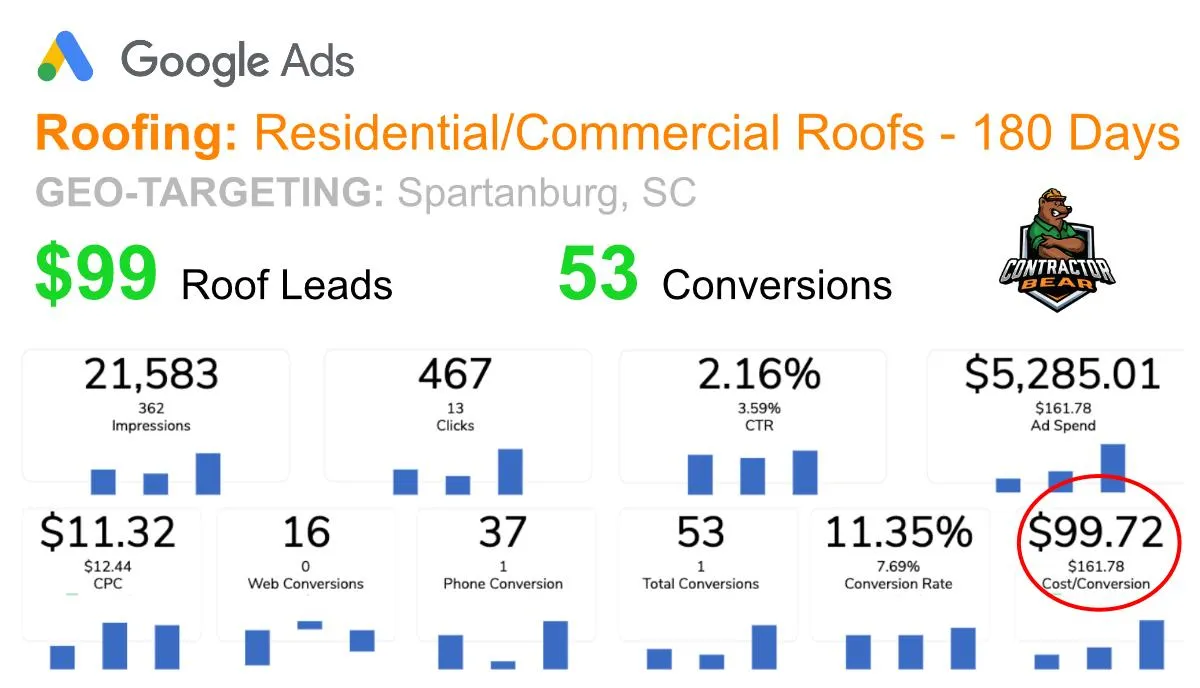
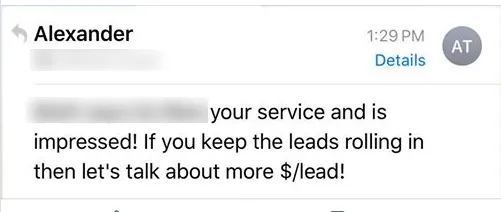
Screenshots from our actual client dashboards and conversations. No stock photos, no fake numbers.


Packages for New York Heating & Cooling Companies
Free custom website included with every plan. No setup fees, no long-term contracts.

Cub
Start building pipeline
- Google Business Profile optimization
- Local SEO foundation
- Review generation system
- Bring your own website

Black
Your free website tier
- FREE custom website
- ALL Everything in Cub, plus:
- Conversion-optimized site
- Call tracking + Growth Hub CRM

Grizzly
Accelerate your pipeline
- ALL Everything in Black, plus:
- Content marketing & blog
- Advanced review management
- City + service landing pages

Polar
Own your market
- ALL Everything in Grizzly, plus:
- Google Ads management
- Full-funnel lead nurturing
- Dedicated account manager
You only move up when we deliver. Tier upgrades trigger automatically when your attributed-lead count clears each threshold, with phone, email, and text notification before any price change. Attribution is limited to leads generated by our marketing — never your existing customers, referrals, or word-of-mouth.
Heating & Cooling Marketing FAQ
How long does it take to see results from HVAC marketing in New York City?
Google Business Profile improvements and review management typically produce measurable lead volume increases within 30-60 days in the New York market. Local SEO campaigns targeting borough-specific HVAC keywords generally take 3-5 months to reach page one rankings, reflecting the higher competition in a market this size. Google Ads campaigns can generate leads within the first week of launch. Most New York HVAC companies working with Contractor Bear see a meaningful increase in monthly lead volume within 90 days, with the full impact of an integrated strategy visible by month six.
Is it worth running Google Ads for HVAC in New York given how competitive and expensive it is?
Yes — but only with precise campaign management. HVAC keywords in New York City carry some of the highest CPCs in the country, reaching $150 per click on broad terms. The key is tight geographic targeting at the neighborhood and borough level, aggressive negative keyword lists, and ad scheduling focused on high-intent hours. When managed correctly, Google Ads in New York delivers an average cost per acquired customer between $450 and $1,500 against an average job value of $450 and lifetime value of $4,500 — a return that justifies the investment for any growing HVAC company.
How should my HVAC marketing strategy in New York handle slow seasons in spring and fall?
Shoulder seasons are your best marketing investment window in New York, not a time to cut spend. In March and April, pre-season AC tune-up campaigns and maintenance plan promotions fill your summer schedule before competitors start bidding for emergency keywords. In September and October, heating system inspection offers and furnace maintenance reminders convert well among the city's large rental property management segment preparing buildings for winter. Email and SMS campaigns to your existing customer list during these periods have the highest ROI of any marketing channel, capitalizing on your 40% repeat customer rate when competition for attention is lowest.
Should my HVAC company in New York target residential or commercial customers in its marketing?
Both — but with distinct strategies. Residential marketing in New York targets the some owner-occupied households plus renters who influence building decisions, primarily through Google Maps, reviews, and emergency-intent search ads. Commercial and multi-family marketing requires content specifically addressing Local Law 97 compliance, NYSERDA rebate programs, and building-wide HVAC system assessments — channels that reach property managers and co-op boards include LinkedIn, targeted Google Ads, and long-form blog content. The highest-revenue HVAC companies in New York run parallel marketing programs for both segments rather than choosing one.
What makes New York different from other cities for HVAC marketing, and do I really need a specialized approach?
New York is categorically different from any other HVAC market in the country. The density of competition, the complexity of the customer base — property managers, co-op boards, building supers, and individual homeowners all in the same service area — and the regulatory environment created by Local Law 97 require marketing strategies that don't exist in markets like Phoenix or Atlanta. Additionally, the borough-by-borough geography means your ideal customer in Flushing, Queens finds you through different search patterns than your ideal customer in Park Slope, Brooklyn. A one-size-fits-all HVAC marketing approach will underperform significantly in New York compared to a strategy built specifically for this market.
Heating & Cooling Marketing in Nearby Cities
Heating & Cooling Marketing in Jersey City →
Jersey City, NJ • Pop. 292,449
Heating & Cooling Marketing in Newark →
Newark, NJ • Pop. 311,549
Heating & Cooling Marketing in Yonkers →
Yonkers, NY • Pop. 211,569
Heating & Cooling Marketing in Paterson →
Paterson, NJ • Pop. 159,732
Heating & Cooling Marketing in Elizabeth →
Elizabeth, NJ • Pop. 137,298
Heating & Cooling Marketing in Stamford →
Stamford, CT • Pop. 135,470
Heating & Cooling Marketing Resources
Scale Your Heating & Cooling Company →
Comprehensive growth guide for heating & cooling businesses.
All Heating & Cooling Services →
See everything we offer for heating & cooling companies.
Google Business Profile Guide for Contractors →
In-depth article to help grow your business.
How to Get More 5-Star Reviews →
Practical strategies you can implement today.
Get Your Free Heating & Cooling Marketing Audit in New York
We'll analyze your current visibility across New York's five boroughs, identify your biggest growth gaps, and build you a free custom HVAC website — no strings attached until you're ready to grow.