Heating & Cooling Marketing in Seattle, WA
Seattle's 4-million-person metro is one of the fastest-growing HVAC markets in the Pacific Northwest, with 2.1% annual population growth driving steady demand for heating and cooling services. With average home values at $850,000 and 45% owner-occupancy, Seattle homeowners invest heavily in comfort systems — and they're searching online right now for a company they can trust.
- Rank in the Seattle map pack — not rent space on Angi
- Performance-based pricing — no lock-in contracts
- Free custom website built for the Seattle market
By Contractor Bear Team • March 2026
Get Your Free Seattle Heating & Cooling Audit
See exactly where you're losing leads to your top 3 heating & cooling competitors in Seattle. No sales call required.
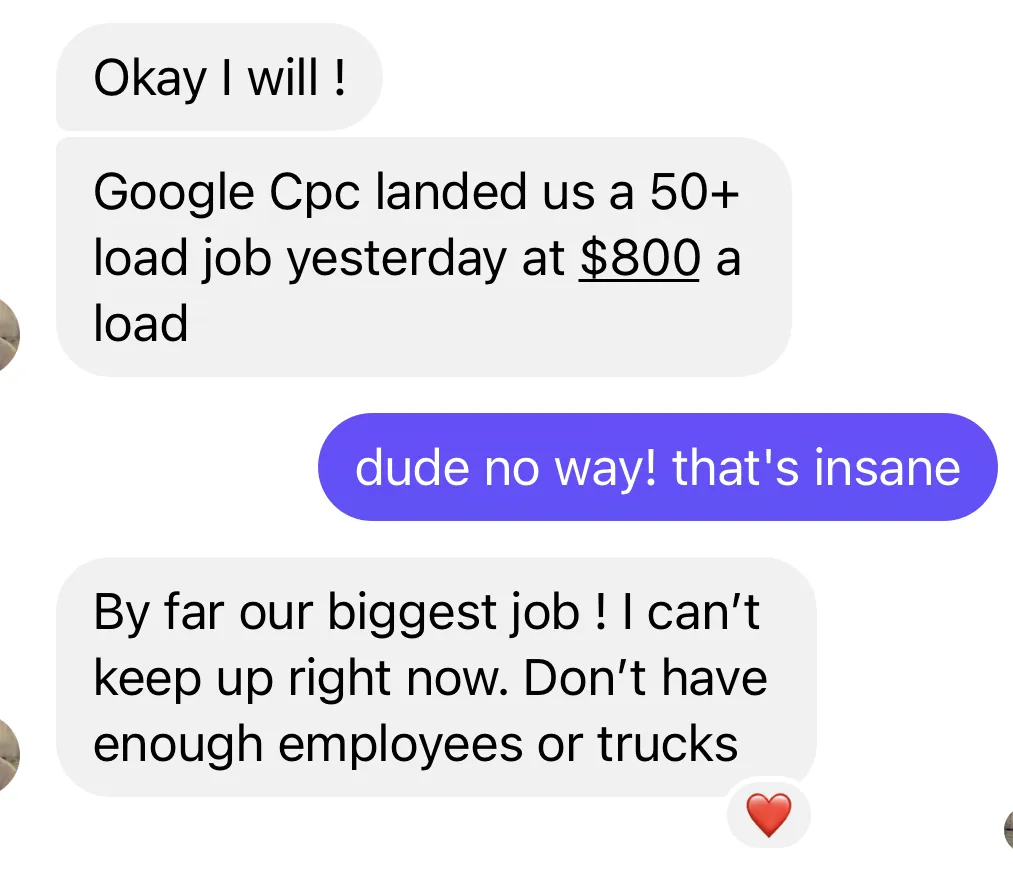
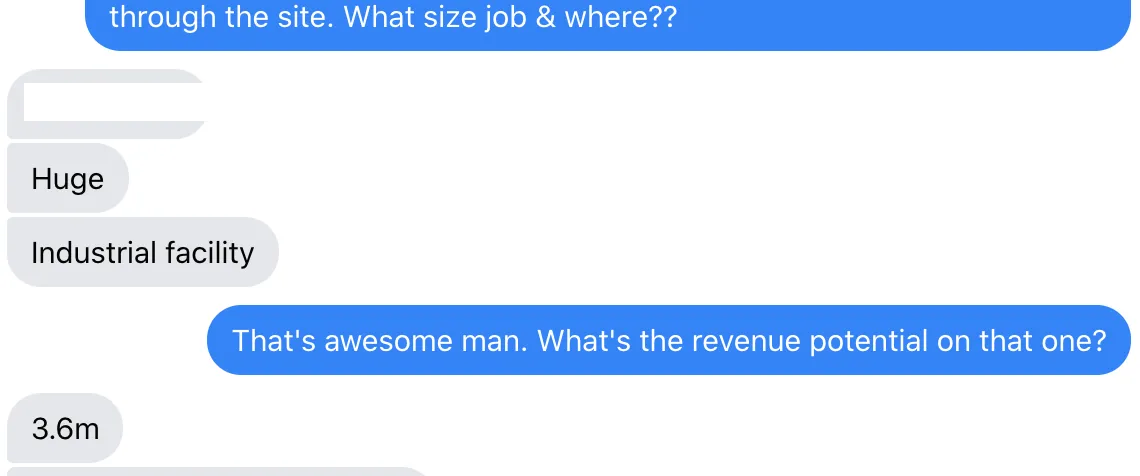
"Biggest job of my career came off this site. We can't keep up with the calls."
— Verified heating & cooling client
See more proof below ↓
Why Most Seattle HVAC Companies Struggle to Get Customers
7 Marketing Channels That Work for Heating & Cooling in Seattle
Ranked by ROI for heating & cooling companies.
Google Business Profile
$10-$25 per leadFor Seattle HVAC companies, your GBP listing is the single highest-ROI asset you can optimize. With 75% of consumers contacting only the top three local results and a cost per lead of just $10–$25, a fully optimized profile with recent photos, service areas covering King and Snohomish counties, and a consistent stream of 5-star reviews consistently outperforms every paid channel. Emergency calls in particular almost always originate from map pack clicks.
Local SEO
$15-$40 per leadRanking organically for terms like 'heat pump installation Seattle' or 'furnace repair Bellevue' delivers leads at $15–$40 CPL with a 20% close rate — the best cost-per-customer of any digital channel. Seattle's tech-savvy homeowners research extensively before calling, meaning a well-optimized service page that answers their questions builds trust before you ever answer the phone. Local SEO compounds over time, making it your best long-term defensive moat against competitors.
Google Ads
$45-$150 per leadPaid search captures Seattle homeowners in active emergency mode — someone whose furnace died at 11pm in January isn't browsing Facebook, they're Googling 'emergency furnace repair Seattle.' At $45–$150 CPL with a 10% close rate, Google Ads is expensive but fast, delivering booked jobs within 48 hours of launch. Smart campaign structure targeting high-intent keywords like 'AC not cooling' or 'heat pump replacement estimate' dramatically improves ROI over broad match bidding.
Facebook & Instagram Ads
$25-$80 per leadFacebook's detailed homeowner targeting — filtering by home ownership status, household income, and ZIP codes like Magnolia, Queen Anne, and Mercer Island — makes it ideal for promoting maintenance plans and seasonal tune-up specials to Seattle's 45% ownership base. At $25–$80 CPL with a 6% close rate, Facebook works best for scheduled services rather than emergencies, and remarketing to website visitors can cut CPL by 40% for HVAC companies with existing traffic.
Content Marketing
$5-$20 per leadSeattle homeowners are highly educated and research-driven — they want to understand the difference between a heat pump and a mini-split before they call anyone. Content marketing (blog posts, YouTube videos, FAQs) targeting questions like 'is a heat pump worth it in Seattle's climate' or 'how long do furnaces last in the Pacific Northwest' pulls in high-intent traffic at near-zero marginal cost and positions your company as the trusted local authority before a competitor even enters the picture.
Review Management
$0-$10 per leadWith most Seattle consumers reading reviews before contacting an HVAC company, your star rating directly determines how many of the 87% searching online actually call you versus a competitor. A systematic review generation process — automated follow-up texts after every completed job, Google review links on invoices, and a 48-hour response protocol for negative reviews — can move a 3.8-star rating to 4.6 in under 90 days, which typically produces a 30–50% increase in inbound call volume with zero additional ad spend.
Email & SMS Marketing
$2-$15 per leadYour existing customer database is the most underutilized asset in your HVAC business. With a 40% repeat rate and $4,500 lifetime value per Seattle customer, a spring tune-up reminder campaign or heat pump rebate announcement sent to 500 past customers can generate 15–25 booked appointments at essentially zero cost. SMS open rates above 95% make it particularly effective for seasonal promotions, maintenance plan renewals, and emergency availability broadcasts during extreme weather events.
What Seattle HVAC Companies Actually Pay Per Lead
| Channel | Avg CPL | Close Rate | Cost/Customer | Best For |
|---|---|---|---|---|
| Google Ads | $45-$150 | 10% | $450-$1,500 | Emergency calls, fast results |
| Facebook Ads | $25-$80 | 6% | $417-$1,333 | Maintenance plans, seasonal promos |
| SEO (Organic) | $15-$40 | 20% | $75-$200 | Long-term lead volume, lowest CPL |
| Google Business Profile | $10-$25 | 25% | $40-$100 | Local map pack, emergency leads |
| HomeAdvisor/Thumbtack | $25-$100 | 8% | $312-$1,250 | Volume when starting out |
| Doing Nothing | ∞ | 0% | Business stagnation | Nobody |
The Seattle Heating & Cooling Market in 2026
Why Heating & Cooling Companies Need Specialized Marketing
How We Build Your Seattle Heating & Cooling Lead Machine
Audit & Strategy
We analyze your current Google Business Profile performance, existing rankings for Seattle HVAC keywords, review velocity versus top competitors in King County, ad account history, and website conversion rate. We map your service mix — emergency repair, heat pump installs, maintenance plans — to the channels and messaging that drive the highest-LTV customers in your specific Seattle service area.
Foundation
We build or rebuild your conversion-optimized website with Seattle-specific service pages for AC repair, heat pump installation, and furnace replacement. We fully optimize your Google Business Profile with service area coverage across Seattle, Bellevue, Kirkland, and Redmond, establish accurate citations across 40+ directories, and implement call tracking to attribute every inbound lead to its source.
Growth
We launch a local SEO campaign targeting high-value Seattle HVAC keywords, implement an automated review generation system via post-job SMS, and build out content assets that capture homeowners researching heat pumps, energy rebates, and seasonal tune-ups. Within 90 days, most Seattle HVAC clients see measurable ranking improvements and a 25–40% increase in organic lead volume.
Scale
Once the organic foundation is generating consistent lead flow, we layer in targeted Google Ads for emergency and high-intent keywords, seasonal Facebook campaigns promoting maintenance plans and heat pump rebates, and an email and SMS nurture system for your existing customer database. We optimize monthly based on cost-per-booked-job data, not just CPL, to ensure every marketing dollar is generating profitable revenue.
Real Results: Heating & Cooling Case Study
Heating & Cooling company in Tacoma, Washington
Before
After
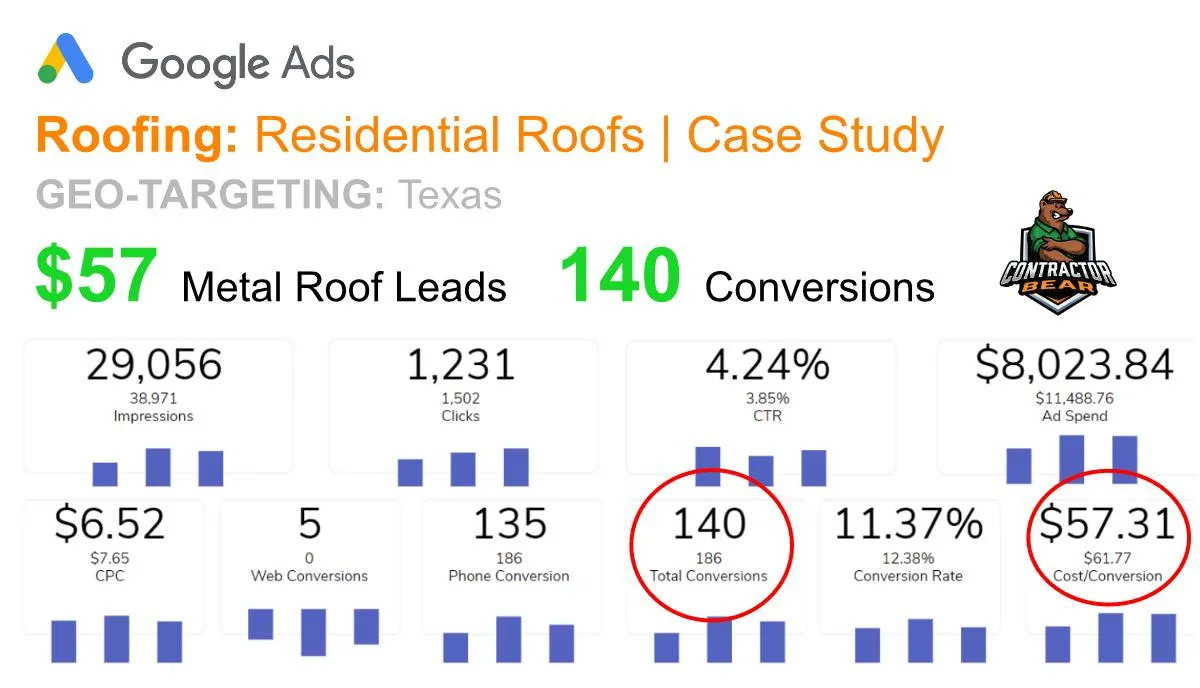
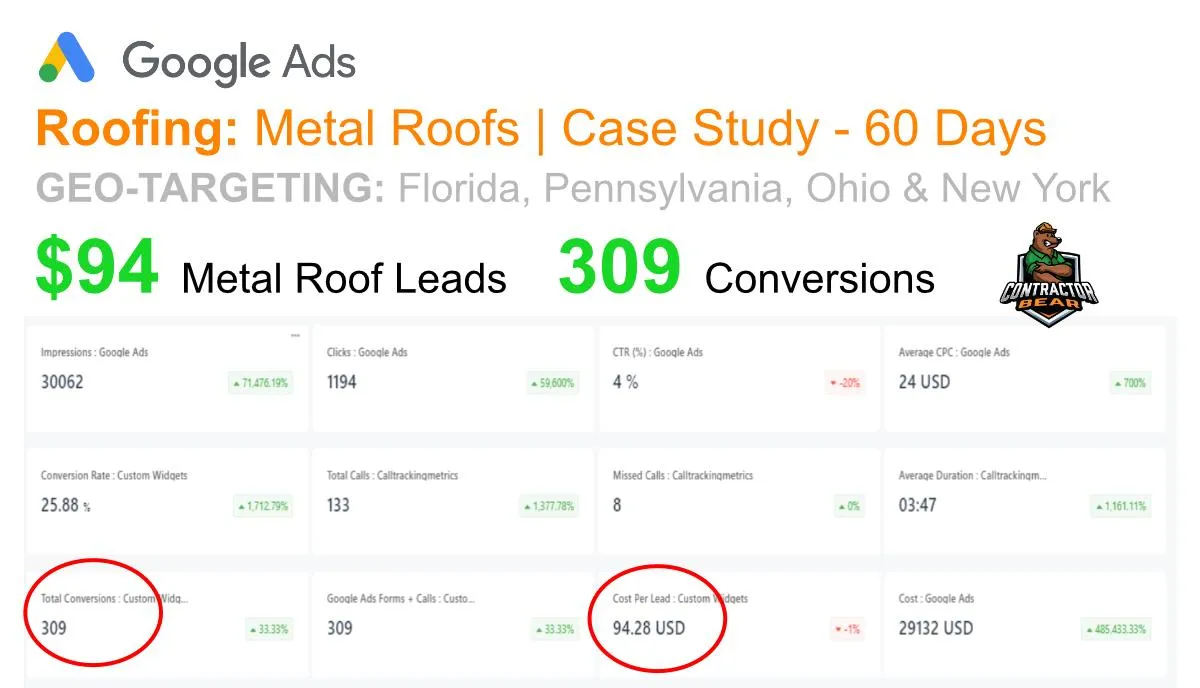
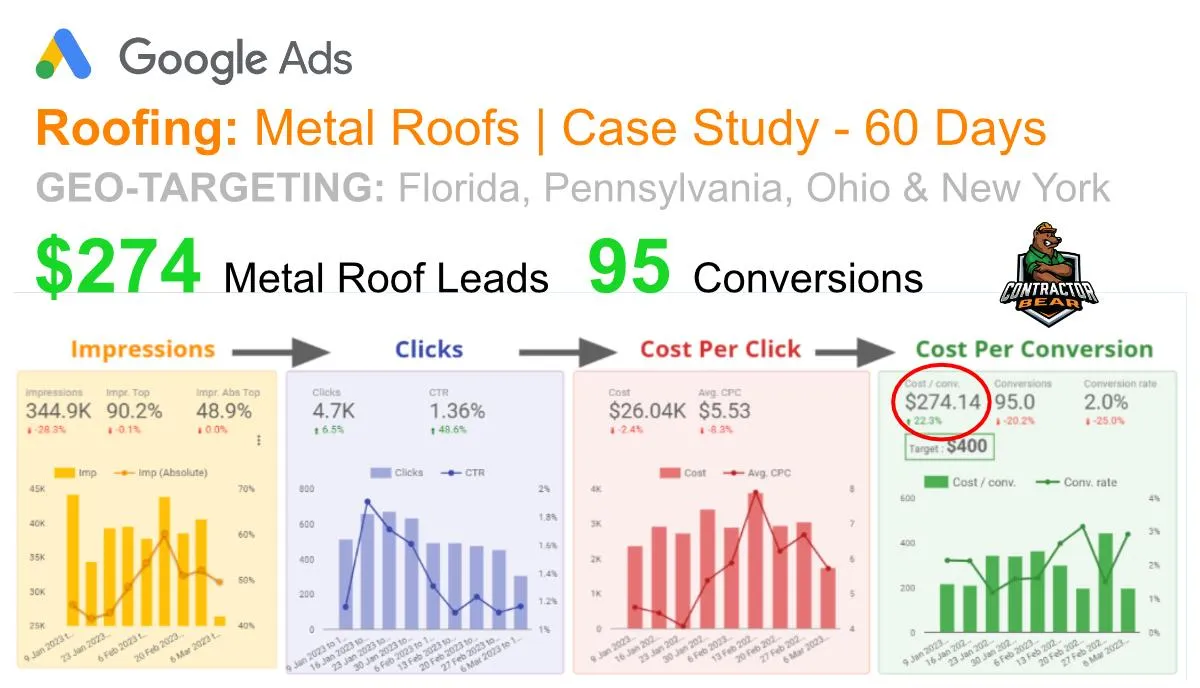
Real Results. Real Contractors.
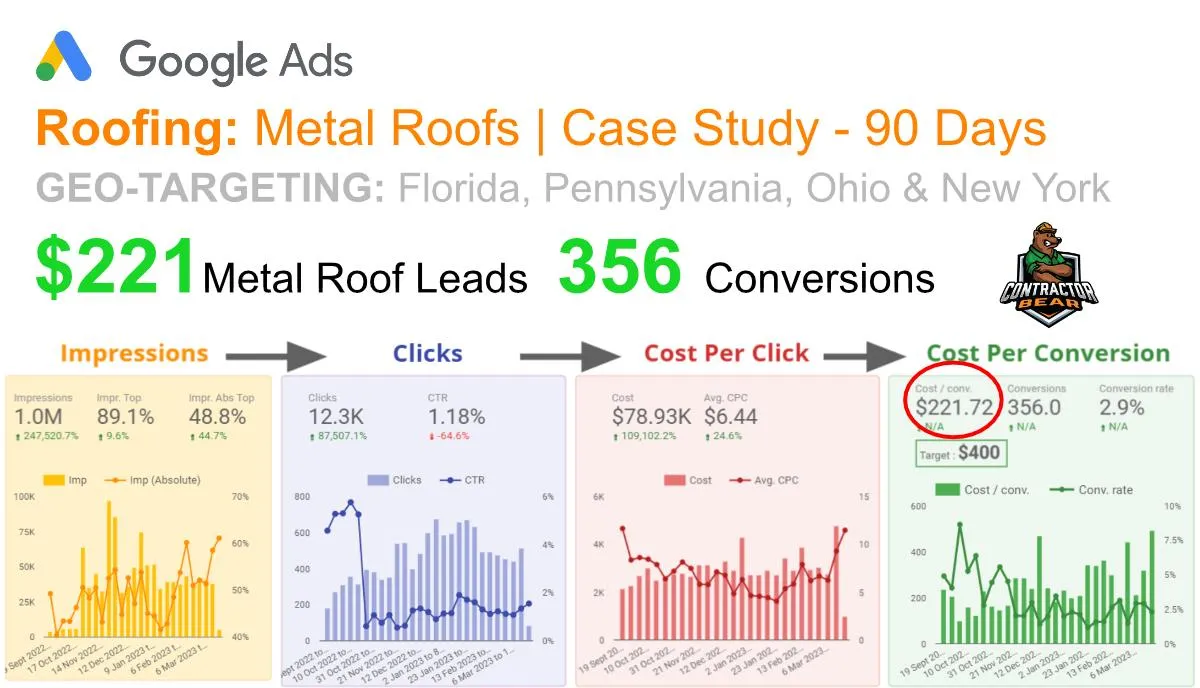
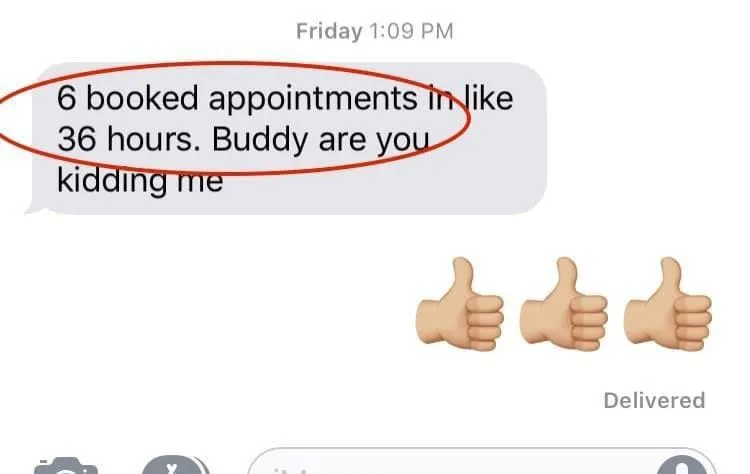
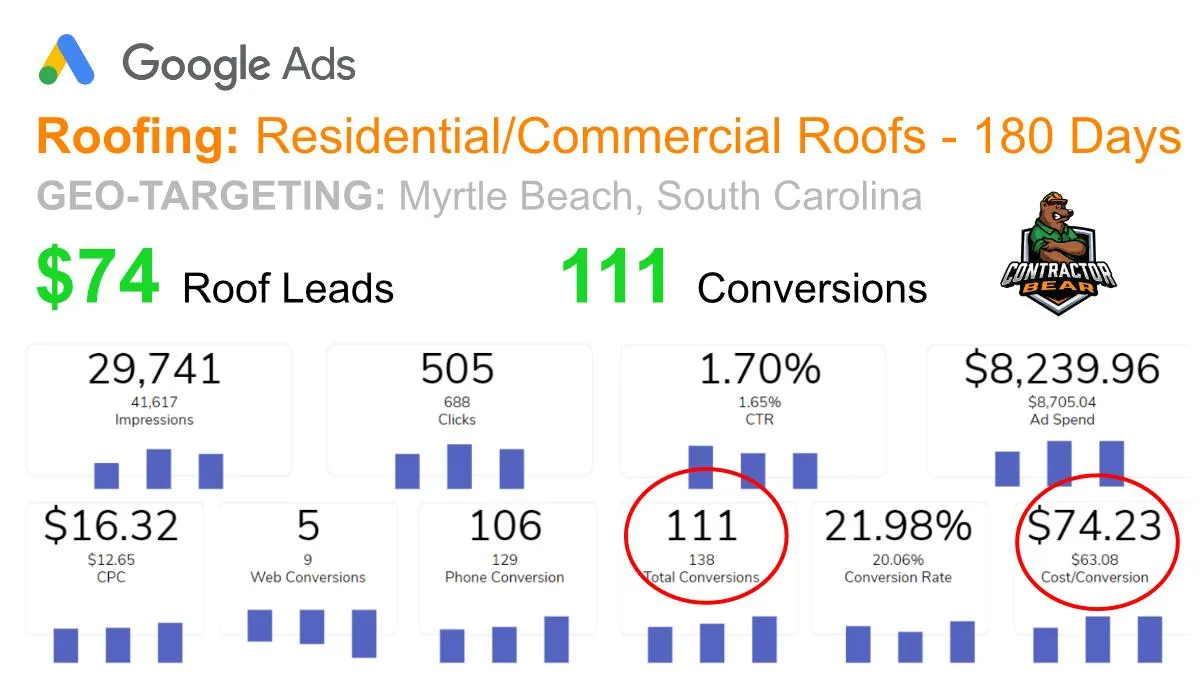
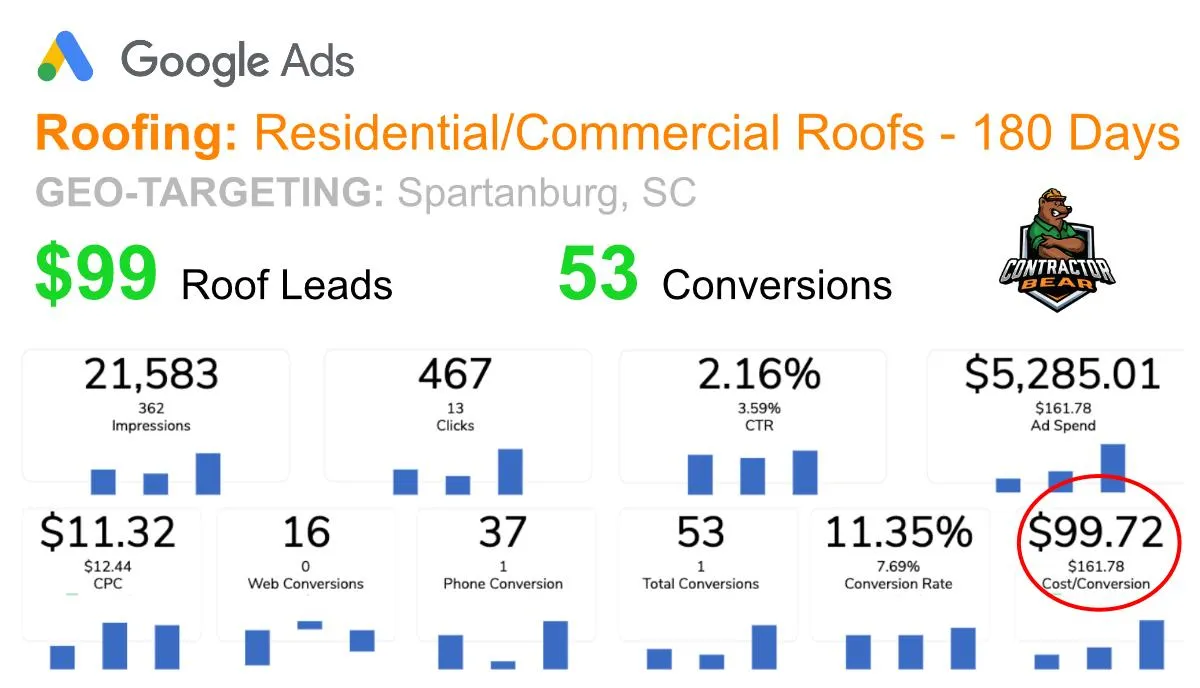
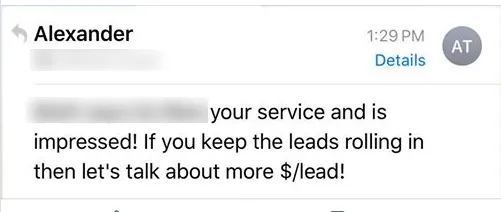
Screenshots from our actual client dashboards and conversations. No stock photos, no fake numbers.


Packages for Seattle Heating & Cooling Companies
Free custom website included with every plan. No setup fees, no long-term contracts.

Cub
Start building pipeline
- Google Business Profile optimization
- Local SEO foundation
- Review generation system
- Bring your own website

Black
Your free website tier
- FREE custom website
- ALL Everything in Cub, plus:
- Conversion-optimized site
- Call tracking + Growth Hub CRM

Grizzly
Accelerate your pipeline
- ALL Everything in Black, plus:
- Content marketing & blog
- Advanced review management
- City + service landing pages

Polar
Own your market
- ALL Everything in Grizzly, plus:
- Google Ads management
- Full-funnel lead nurturing
- Dedicated account manager
You only move up when we deliver. Tier upgrades trigger automatically when your attributed-lead count clears each threshold, with phone, email, and text notification before any price change. Attribution is limited to leads generated by our marketing — never your existing customers, referrals, or word-of-mouth.
Heating & Cooling Marketing FAQ
How long does it take to see results from HVAC marketing in Seattle?
For paid channels like Google Ads targeting 'emergency AC repair Seattle' or 'furnace replacement Bellevue,' you can expect inbound calls within 48–72 hours of campaign launch. Google Business Profile improvements typically show measurable ranking gains within 30–60 days. Local SEO is a 4–6 month investment before significant organic ranking improvements appear, but the leads it generates at $15–$40 CPL with a 20% close rate are the most profitable in your entire marketing mix. We typically see clients achieve a positive ROI across all channels within 90 days.
Is marketing worth it for a small HVAC company in Seattle with just 2–3 trucks?
Especially for smaller operators, systematic marketing is the difference between feast-and-famine and predictable revenue. A 2-truck Seattle HVAC company running 3–4 booked jobs per day at a $450 average needs roughly 70–80 leads per month to stay fully utilized — and at even a $40 CPL through Local SEO, that's $2,800–$3,200 in marketing spend to generate $108,000–$144,000 in monthly revenue. The math improves dramatically when you factor in the 40% repeat rate and $4,500 lifetime customer value. The risk isn't spending on marketing; it's continuing to rely on referrals in a market where most customers start their search online.
Should my Seattle HVAC company market heat pumps differently than traditional furnace and AC services?
Yes, significantly. Heat pump customers in Seattle are often research-intensive, motivated by environmental values and financial incentives like the federal 30% IRA tax credit and Puget Sound Energy's $800–$1,200 heat pump rebates. They respond to content marketing, comparison pages, and educational video content rather than urgent 'call now' messaging. Furnace repair customers, especially in emergency scenarios, respond to speed, availability, and reviews. We build separate campaign tracks for each buyer type, ensuring your marketing budget reaches the right customer with the right message at the right stage of their decision process.
How do you handle Seattle's seasonal demand swings in the marketing calendar?
We build a 12-month marketing calendar around Seattle's HVAC demand patterns: aggressive heat pump and AC content in March–April ahead of summer, emergency AC and heat dome response campaigns in June–August, shoulder-season maintenance plan promotions in September and October, and emergency heating campaigns from November through February. Ad budgets are adjusted quarterly to match demand — we don't keep a flat monthly spend when Seattle's extreme weather events can triple emergency search volume in 72 hours. Clients on our Growth and Dominate tiers get proactive budget reallocation notifications before each seasonal shift.
What makes Contractor Bear different from a general digital marketing agency for my Seattle HVAC business?
General agencies optimize for clicks and impressions. We optimize for booked jobs and cost-per-customer. Every campaign we run for Seattle HVAC companies is benchmarked against the CPL data we've collected across the trade — we know that Google Business Profile at $10–$25 CPL outperforms HomeAdvisor at $25–$100 CPL for repeat-service customers, and we build your channel mix accordingly. We also track Washington-specific incentive programs, Seattle energy codes, and Puget Sound Energy rebate cycles, integrating them into your marketing messaging automatically. Our revenue share model means we only win when you win — we have no incentive to spend your budget on vanity metrics.
Heating & Cooling Marketing in Nearby Cities
Heating & Cooling Marketing in Tacoma →
Tacoma, WA • Pop. 219,346
Heating & Cooling Marketing in Bellevue →
Bellevue, WA • Pop. 151,854
Heating & Cooling Marketing in Vancouver →
Vancouver, WA • Pop. 190,915
Heating & Cooling Marketing in Spokane →
Spokane, WA • Pop. 230,160
Heating & Cooling Marketing in Portland →
Portland, OR • Pop. 652,503
Heating & Cooling Marketing in Salem →
Salem, OR • Pop. 175,535
Heating & Cooling Marketing Resources
Scale Your Heating & Cooling Company →
Comprehensive growth guide for heating & cooling businesses.
All Heating & Cooling Services →
See everything we offer for heating & cooling companies.
Google Business Profile Guide for Contractors →
In-depth article to help grow your business.
How to Get More 5-Star Reviews →
Practical strategies you can implement today.
Get Your Free Heating & Cooling Marketing Audit in Seattle
We'll analyze your Google presence, review profile, and competitor rankings — and build your free custom website when you're ready to grow.