Heating & Cooling Marketing in St. Paul, MN
St. Paul's 311,527 residents depend on HVAC systems year-round in one of the country's most demanding climates — yet most local heating and cooling companies are leaving thousands in recurring revenue on the table by relying on word-of-mouth alone. The metro area's 3.7 million people represent one of the Midwest's most competitive and lucrative HVAC markets.
- Rank in the St. Paul map pack — not rent space on Angi
- Performance-based pricing — no lock-in contracts
- Free custom website built for the St. Paul market
By Contractor Bear Team • March 2026
Get Your Free St. Paul Heating & Cooling Audit
See exactly where you're losing leads to your top 3 heating & cooling competitors in St. Paul. No sales call required.
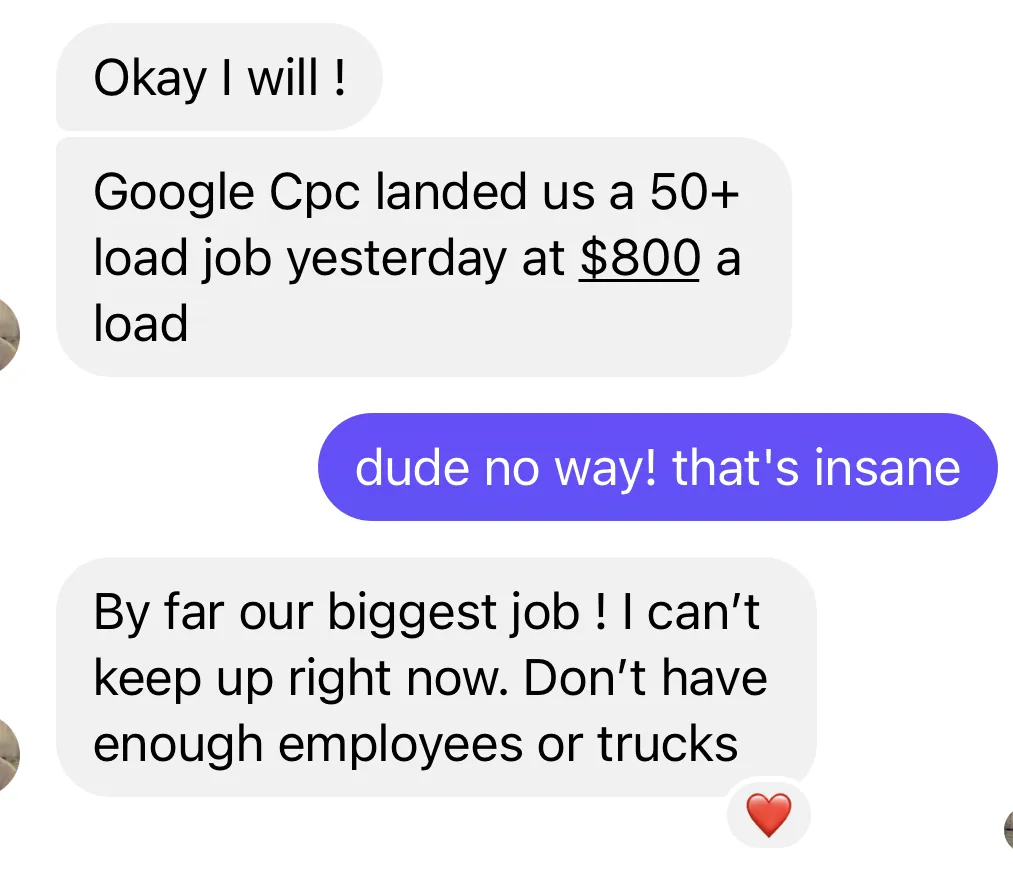
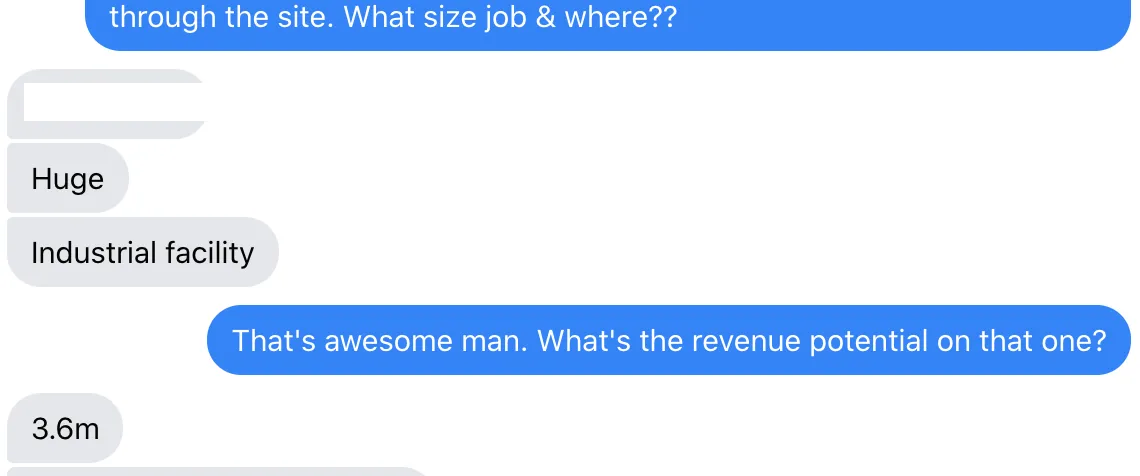
"Biggest job of my career came off this site. We can't keep up with the calls."
— Verified heating & cooling client
See more proof below ↓
Why Most St. Paul HVAC Companies Struggle to Get Customers
7 Marketing Channels That Work for Heating & Cooling in St. Paul
Ranked by ROI for heating & cooling companies.
Google Business Profile
$10-$25 per leadFor St. Paul HVAC companies, your Google Business Profile is the single highest-ROI asset you own. When a furnace dies at 2am in January or an AC fails during a July heatwave, homeowners search 'HVAC repair near me' and call from the map pack — no website visit required. A fully optimized GBP with weekly posts, Q&A, and a steady review velocity can generate leads at $10–$25 each with a 25% close rate, making it your cheapest and most immediate source of qualified customers.
Local SEO
$15-$40 per leadSt. Paul has distinct neighborhoods — Summit Hill, Highland Park, Payne-Phalen — and homeowners search with neighborhood-level intent. A local SEO strategy targeting 'furnace replacement Highland Park' or 'AC installation St. Paul MN' captures high-intent buyers before they hit paid ads. Organic leads convert at 20% and cost $15–$40 each. Over 12–18 months, this becomes your most scalable and defensible lead channel, compounding in value while your competitors pay for every click.
Google Ads
$45-$150 per leadWhen you need leads now — during a heat wave, after a cold snap, or to fill shoulder-season gaps — Google Ads delivers. Search campaigns targeting 'emergency furnace repair St. Paul' or 'heat pump installation Twin Cities' put you in front of buyers with credit card in hand. At $45–$150 per lead with a 10% close rate, the math works cleanly on a $450 average job and especially well on the $4,500 lifetime value. Smart seasonal budget scaling lets you dominate when demand spikes and pull back when it slows.
Facebook & Instagram Ads
$25-$80 per leadFacebook's demographic targeting is uniquely powerful for HVAC in St. Paul — you can reach homeowners aged 35–65 in specific zip codes, filter by home ownership, and retarget website visitors who didn't book. This channel shines for maintenance plan enrollment, shoulder-season tune-up specials, and equipment upgrade campaigns. At $25–$80 per lead with a 6% close rate, Facebook is best used to build brand familiarity and nurture prospects rather than capture emergency intent, which belongs to Google.
Content Marketing
$15-$35 per leadSt. Paul homeowners have urgent questions: 'How much does a new furnace cost in Minnesota?', 'Are heat pump rebates available through Xcel Energy?', 'What SEER2 rating do I need for a Minnesota climate?' HVAC companies that publish authoritative answers to these questions capture prospects months before they're ready to buy — and become the trusted brand they call when the time comes. Content marketing builds compounding organic traffic and positions your company as the local expert, not just another contractor bidding on the same keywords.
Review Management
$0 incremental (multiplier on all channels)In St. Paul's HVAC market, most consumers read reviews before making a call. A systematic review generation process — triggered by job completion through Jobber or ServiceTitan, with automated follow-up SMS — is the difference between a 4.2 and a 4.8 star rating on Google. That difference alone can double your GBP click-through rate. Proactive review management also neutralizes the occasional negative review before it damages your reputation during peak season when new customers are forming first impressions at scale.
Email & SMS Marketing
$5-$20 per lead (existing customers)With a 40% repeat rate and $4,500 lifetime value, your existing customer list is a gold mine most St. Paul HVAC companies ignore. A simple pre-season email campaign in September ('Is your furnace ready for a Minnesota winter?') or April ('Beat the summer rush — schedule your AC tune-up now') keeps your brand top-of-mind and fills your schedule before competitors run ads. Maintenance plan reminders via SMS convert at high rates and reduce churn. Your customer list is an appreciating asset — treat it like one.
What St. Paul HVAC Companies Actually Pay Per Lead
| Channel | Avg CPL | Close Rate | Cost/Customer | Best For |
|---|---|---|---|---|
| Google Ads | $45-$150 | 10% | $450-$1,500 | Emergency calls & immediate demand |
| Facebook Ads | $25-$80 | 6% | $417-$1,333 | Maintenance plans & brand awareness |
| SEO (Organic) | $15-$40 | 20% | $75-$200 | Long-term scalable lead volume |
| Google Business Profile | $10-$25 | 25% | $40-$100 | Near-me searches & emergency intent |
| HomeAdvisor/Thumbtack | $25-$100 | 8% | $312-$1,250 | Volume fill when other channels lag |
| Doing Nothing | ∞ | 0% | Business stagnation | Nobody |
The St. Paul Heating & Cooling Market in 2026
Why Heating & Cooling Companies Need Specialized Marketing
How We Build Your St. Paul Heating & Cooling Lead Machine
Audit & Strategy
We analyze your current Google Business Profile performance, existing rankings for St. Paul HVAC keywords, review velocity versus local competitors, website conversion rate, and seasonal revenue patterns. We identify your highest-value service lines — whether that's emergency furnace repair, heat pump installations, or maintenance plan enrollment — and build a channel strategy that matches your margins and capacity.
Foundation
We rebuild or optimize your website for St. Paul HVAC conversions, fully optimize your Google Business Profile with service areas, photos, and Q&A, and establish accurate citations across the 40+ directories that influence local rankings. Your free custom website is built to convert both emergency callers and equipment-replacement researchers on any device.
Growth
We launch a St. Paul neighborhood-level local SEO campaign targeting high-intent keywords across your service area, implement a systematic review generation process integrated with your field software, and publish monthly content addressing the HVAC questions St. Paul homeowners are actively searching — from Xcel Energy heat pump rebates to SEER2 requirements for Minnesota climates.
Scale
With organic foundation in place, we layer in Google Ads campaigns dynamically scaled to seasonal demand — aggressive during peak heating and cooling months, reduced during shoulder seasons. We add Facebook retargeting for maintenance plan campaigns and build email/SMS sequences that convert your existing customer list into recurring maintenance and replacement revenue.
Real Results: Heating & Cooling Case Study
Heating & Cooling company in Burnsville, Minnesota
Before
After
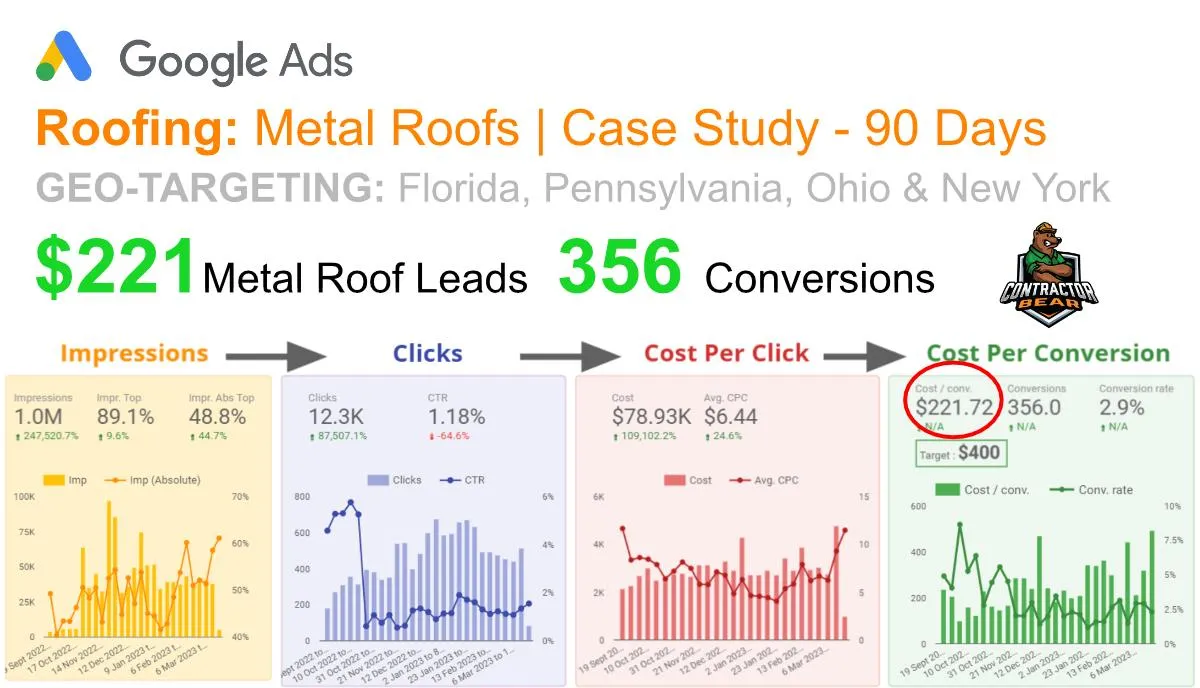
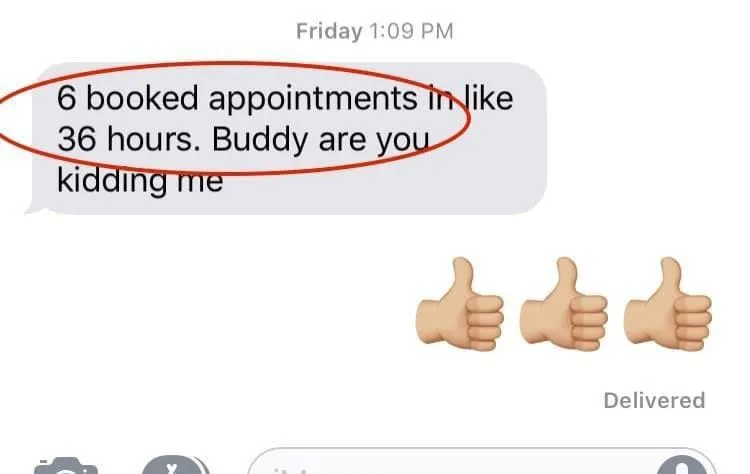
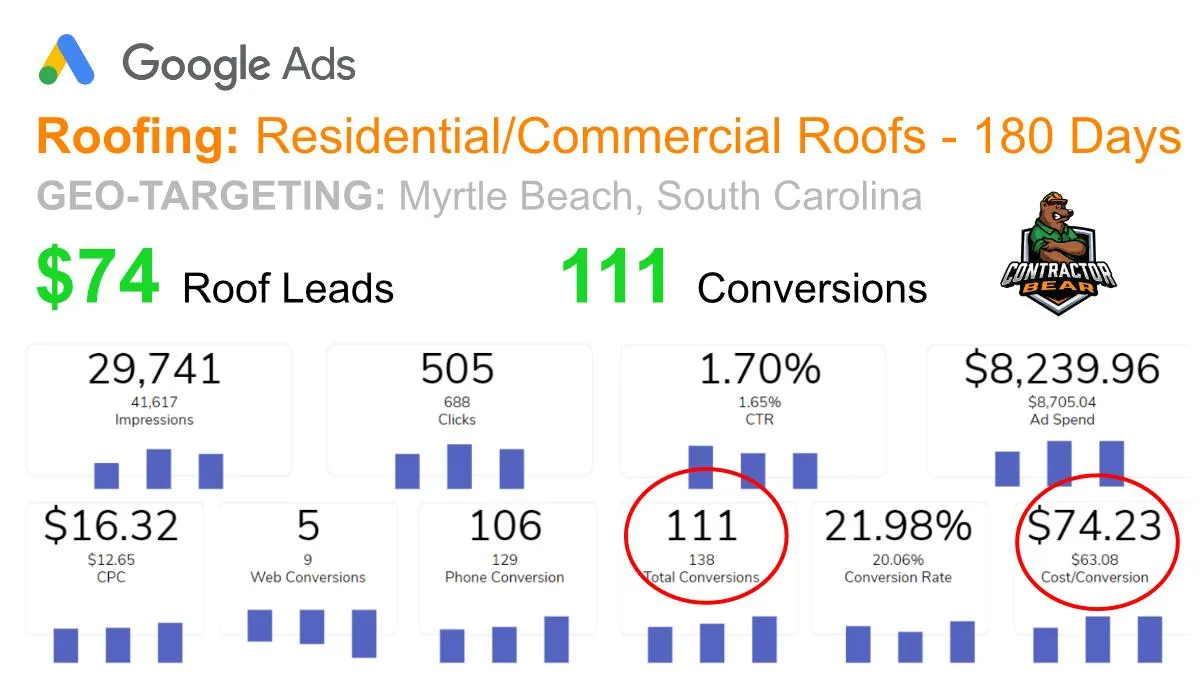
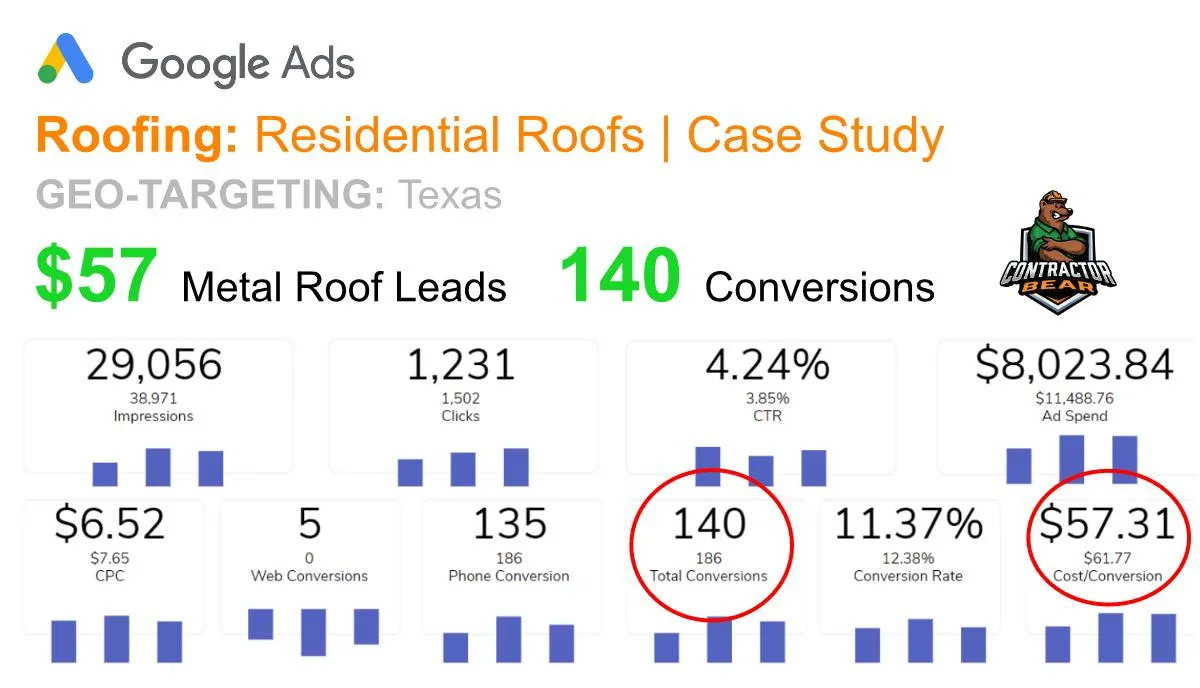
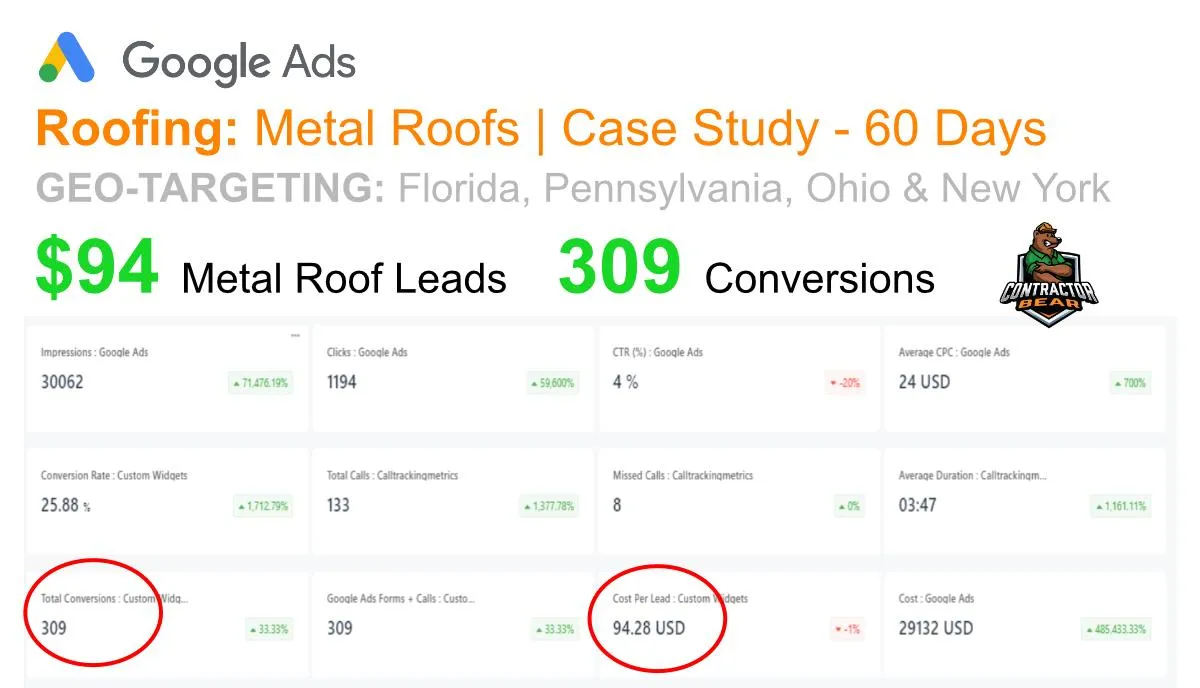
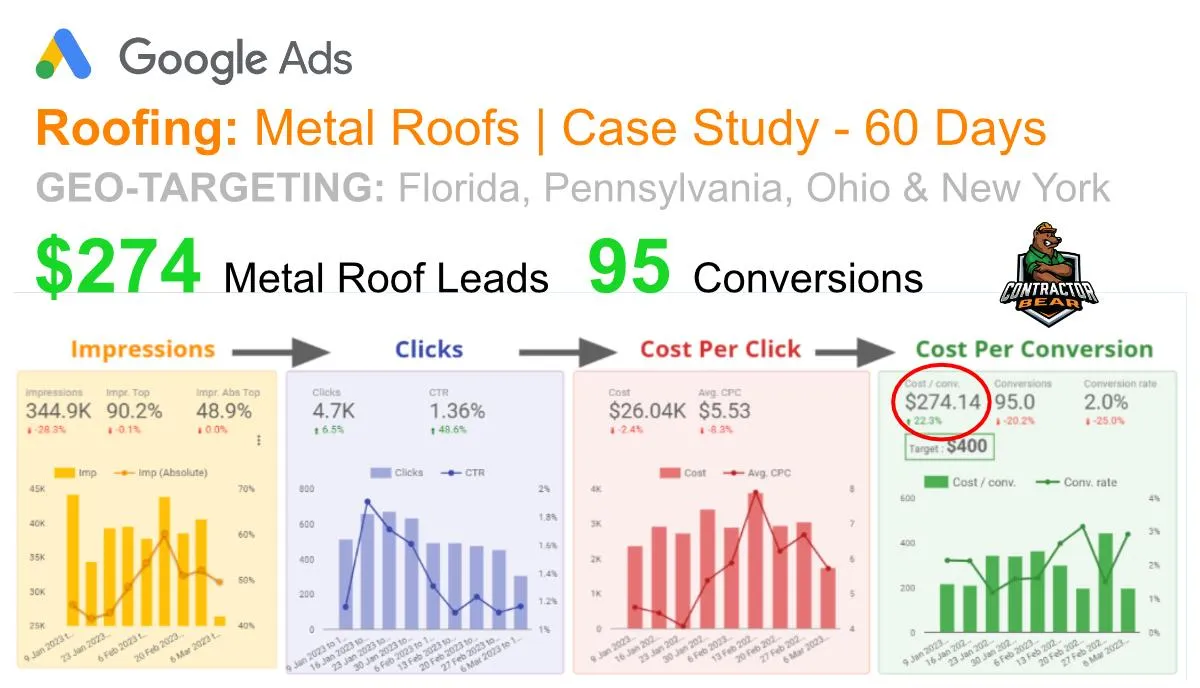
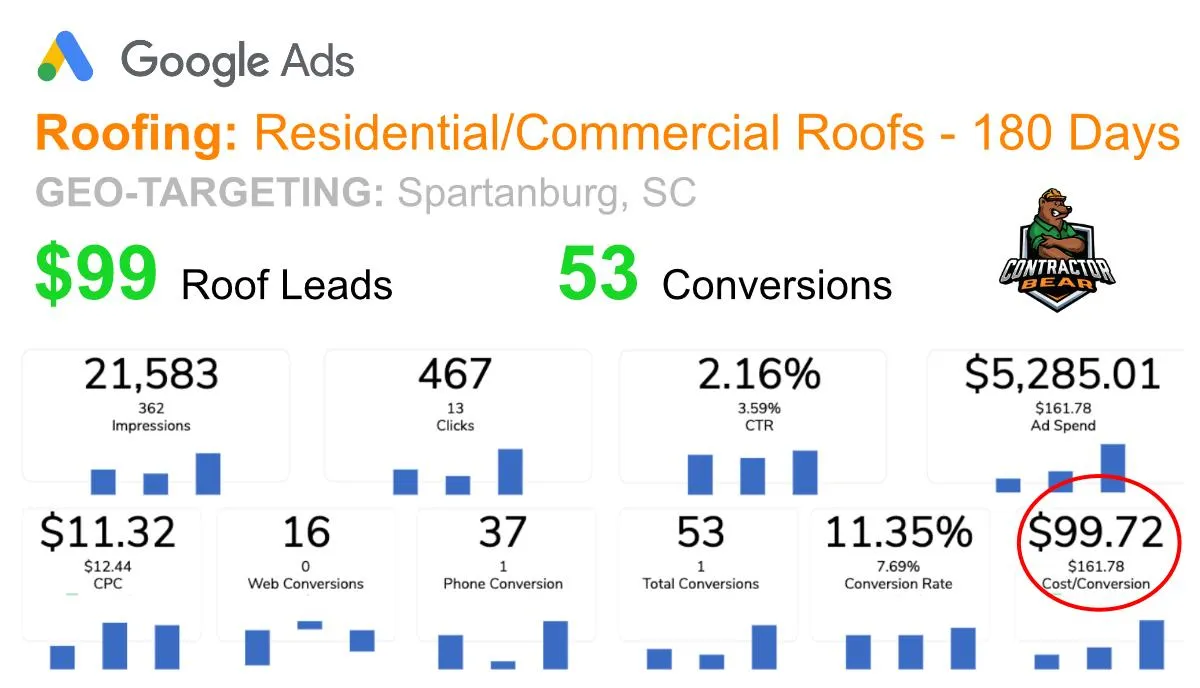
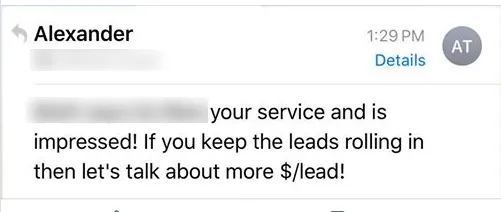
Real Results. Real Contractors.
Screenshots from our actual client dashboards and conversations. No stock photos, no fake numbers.


Packages for St. Paul Heating & Cooling Companies
Free custom website included with every plan. No setup fees, no long-term contracts.

Cub
Start building pipeline
- Google Business Profile optimization
- Local SEO foundation
- Review generation system
- Bring your own website

Black
Your free website tier
- FREE custom website
- ALL Everything in Cub, plus:
- Conversion-optimized site
- Call tracking + Growth Hub CRM

Grizzly
Accelerate your pipeline
- ALL Everything in Black, plus:
- Content marketing & blog
- Advanced review management
- City + service landing pages

Polar
Own your market
- ALL Everything in Grizzly, plus:
- Google Ads management
- Full-funnel lead nurturing
- Dedicated account manager
You only move up when we deliver. Tier upgrades trigger automatically when your attributed-lead count clears each threshold, with phone, email, and text notification before any price change. Attribution is limited to leads generated by our marketing — never your existing customers, referrals, or word-of-mouth.
Heating & Cooling Marketing FAQ
How long does it take to see results from HVAC marketing in St. Paul?
Google Business Profile and Google Ads improvements can generate new leads within 2–4 weeks of launch. Local SEO is a longer investment — expect meaningful ranking improvements in 3–6 months and compounding results by month 9–12. St. Paul's defined peak seasons (December–February for heating, June–August for cooling) mean timing your campaign launch matters. We recommend starting your foundation work in late summer or early fall so your organic presence is established before the critical winter heating season begins.
What makes HVAC marketing in St. Paul different from other Minnesota markets?
St. Paul has a distinct identity from Minneapolis — separate neighborhoods, separate Google search clusters, and a different competitive set. Many HVAC contractors optimize for 'Twin Cities' broadly and underperform in St. Paul specifically because they're competing against companies with stronger neighborhood-level signals. St. Paul also has unique housing stock — older homes with boilers, radiant heat, and aging ductwork — that creates different service demand patterns than the newer suburban construction dominant in markets like Maple Grove or Eden Prairie. Local campaigns need to reflect these realities.
Is it worth running Google Ads for HVAC in St. Paul when CPCs are so high?
Yes — when campaigns are built correctly. The math works because HVAC jobs have high average values ($450 per visit, $4,500 lifetime) and emergency intent converts at premium rates. The mistake most HVAC companies make is running broad match keywords that waste budget on informational searches. A properly structured campaign targeting high-intent phrases like 'furnace repair St. Paul' or 'emergency AC repair near me' with tight negative keyword lists and click-to-call ads will consistently generate a positive ROI, especially during the winter and summer peaks when competitor budgets are stretched and demand is at its highest.
How do we compete against home warranty companies stealing our emergency calls in St. Paul?
Home warranty companies intercept calls by being the first brand homeowners think of — and by owning organic and paid search visibility at the moment of crisis. The counter-strategy is two-pronged: first, dominate the Google Business Profile map pack for emergency HVAC searches so you appear before warranty-company landing pages; second, build a maintenance plan customer base that bypasses the warranty decision entirely because they already have a trusted contractor on file. Customers on your maintenance plan call you first — they don't Google. Converting 30–40 homeowners per year to maintenance agreements is one of the highest-leverage moves an HVAC company in St. Paul can make.
Should we market heat pumps specifically given Minnesota's climate and Xcel Energy rebates?
Absolutely — this is one of the highest-margin opportunities in the St. Paul market right now. Xcel Energy's rebates of up to $1,500 on qualifying heat pump installations, combined with federal tax credits under the Inflation Reduction Act, are actively driving homeowner interest in heat pump upgrades. Many St. Paul homeowners don't know if their home qualifies or which contractors can perform the installation correctly. HVAC companies that create content specifically addressing 'heat pump installation St. Paul' and 'Xcel Energy heat pump rebate 2026' are capturing high-intent, high-ticket buyers that competitors with generic websites are missing entirely.
Heating & Cooling Marketing in Nearby Cities
Heating & Cooling Marketing in Minneapolis →
Minneapolis, MN • Pop. 429,954
Heating & Cooling Marketing in Rochester →
Rochester, MN • Pop. 123,134
Heating & Cooling Marketing in Madison →
Madison, WI • Pop. 272,903
Heating & Cooling Marketing in Milwaukee →
Milwaukee, WI • Pop. 577,222
Heating & Cooling Marketing in Sioux Falls →
Sioux Falls, SD • Pop. 195,850
Heating & Cooling Marketing in Des Moines →
Des Moines, IA • Pop. 214,133
Heating & Cooling Marketing Resources
Scale Your Heating & Cooling Company →
Comprehensive growth guide for heating & cooling businesses.
All Heating & Cooling Services →
See everything we offer for heating & cooling companies.
Google Business Profile Guide for Contractors →
In-depth article to help grow your business.
How to Get More 5-Star Reviews →
Practical strategies you can implement today.
Get Your Free Heating & Cooling Marketing Audit in St. Paul
We'll analyze your current visibility, identify your biggest growth opportunities, and build you a free custom website — you only pay when it starts generating leads.