Heating & Cooling SEO in Chicago, IL
For Chicago HVAC companies, organic search delivers leads at $15–$40 per contact — up to 75% less than Google Ads — while converting at twice the rate. SEO is the only channel that compounds in value the longer you run it, paying dividends through every polar vortex and heat wave Chicago throws your way.
By Contractor Bear Team • March 2026
Get Your Free Chicago Heating & Cooling Audit
See exactly where you're losing leads to your top 3 heating & cooling competitors in Chicago. No sales call required.
Why SEO Is the #1 Growth Channel for Chicago HVAC Companies
Top 8 Local SEO Ranking Factors for Heating & Cooling
What actually moves the needle for heating & cooling companies in Chicago.
Google Business Profile
The GBP map pack dominates the top of local HVAC search results in Chicago. When someone searches 'AC repair Chicago' or 'furnace installation near me,' the three-pack appears before any organic results — capturing the highest-intent clicks. With a 25% conversion rate from GBP contacts, this is your highest-ROI digital asset.
Our approach: We complete every GBP field, upload geo-tagged service photos, post weekly updates timed to seasonal peaks (furnace content in October, AC content in May), set up Q&A with target keywords, and build a review acquisition system that consistently grows your star count and review volume.
On-Page SEO
Google's algorithm reads your page content to determine relevance for searches like 'heat pump installation Chicago' or 'ductwork replacement Chicago IL.' Without proper on-page optimization, you're invisible for the service-specific keywords that drive the highest-value jobs.
Our approach: We build dedicated service pages for every offering — AC repair, furnace installation, heat pump services, ductwork, IAQ, and commercial HVAC. Each page targets a specific keyword cluster with optimized title tags, H1/H2 structure, schema markup, and 1,000+ words of locally-relevant content that answers the questions Chicago homeowners actually ask.
Reviews and Ratings
Most Chicago homeowners read reviews before hiring an HVAC contractor, and Google's algorithm weighs review quantity, recency, and sentiment as a local ranking signal. A competitor with 300 reviews will outrank you even with inferior technical SEO if your profile looks inactive or unvetted.
Our approach: We deploy a post-job review request system via SMS and email, timed to when satisfaction is highest (immediately after a successful repair or installation). We help you respond to every review — positive and negative — which signals engagement to Google and builds trust with prospects reading your profile.
Local Citations
Citations — your business name, address, and phone number listed consistently across directories — are a foundational local SEO signal. Inconsistent NAP data across Yelp, Angi, the BBB, and 50+ other directories confuses Google and suppresses your rankings, especially in a dense market like Chicago.
Our approach: We audit every existing citation for accuracy, correct inconsistencies, and build new citations in HVAC-specific and Chicago-specific directories. We also manage your listings on HomeAdvisor, Thumbtack, and Houzz — not for leads, but for the citation authority they pass to your GBP and website.
Mobile Experience
Emergency HVAC searches — 'furnace not working Chicago,' 'AC blowing warm air' — happen almost entirely on mobile devices, often during a stressful situation. Google uses mobile-first indexing, meaning your mobile site performance directly determines your rankings. A slow or broken mobile experience kills both rankings and conversions.
Our approach: We audit and optimize Core Web Vitals (LCP, FID, CLS), ensure click-to-call buttons are prominent above the fold, compress images, implement lazy loading, and verify your site loads in under 2.5 seconds on a 4G connection — the standard Google uses to assess mobile experience.
Content Quality
Google's Helpful Content system rewards HVAC sites that demonstrate genuine expertise and answer real customer questions. Thin service pages with 200 words of generic text rank below competitors who publish in-depth guides about Chicago-specific HVAC challenges — like sizing a furnace for Chicago's heating degree days or choosing equipment rated for humid continental climates.
Our approach: We create a content calendar targeting Chicago HVAC searches at every funnel stage: educational guides ('How long does a furnace last in Chicago winters?'), seasonal preparation content, and neighborhood-specific service pages targeting high-homeownership areas like Lincoln Park, Wicker Park, and Beverly.
Backlinks
Links from other authoritative websites are Google's strongest quality signal. An HVAC company with backlinks from the Chicago Tribune, local home improvement blogs, and neighborhood association sites signals credibility that no amount of on-page optimization can replicate. In competitive markets, backlink authority is often the deciding factor between page one and page two.
Our approach: We pursue white-hat link building through local PR (HVAC tips for Chicago winters pitched to local media), supplier and manufacturer partner links, HVAC trade association directories, and community sponsorships. Every link we build is from a real, relevant source — never purchased link farms that risk Google penalties.
Technical SEO
Technical issues — slow page speed, crawl errors, duplicate content, broken internal links — prevent Google from properly indexing and ranking your pages regardless of content quality. For HVAC companies with large service menus and location pages, technical debt accumulates silently and suppresses rankings across the entire site.
Our approach: We conduct a full technical audit covering site speed, XML sitemap accuracy, robots.txt configuration, HTTPS/SSL validity, structured data markup (LocalBusiness and Service schema), canonical tags to prevent duplicate content, and crawl budget optimization to ensure every service page gets indexed.
SEO vs Paid Ads for Heating & Cooling Companies
| Factor | SEO | Google Ads | Facebook Ads |
|---|---|---|---|
| Cost Per Lead | $15-40 | $45-150 | $25-80 |
| Close Rate | 20-25% | 8-12% | 5-8% |
| Time to Results | 3-6 months | Immediate | 1-2 weeks |
| Long-term Value | Compounds over time | Stops when you stop paying | Stops when you stop paying |
| Trust Level | High (earned placement) | Medium (paid label) | Low (interruptive) |
| Lead Quality | High intent | High intent | Lower intent |
Step-by-Step Local SEO for Chicago HVAC Companies
Claim and Optimize Your Google Business Profile
Your GBP is the single most important local SEO asset for a Chicago HVAC company. Start by claiming and verifying your listing at Google Business Profile, then fill out every available field without exception. Select 'Heating & Air Conditioning / HVAC' as your primary category, and add secondary categories for each service you offer. Upload at least 20 high-quality photos of your trucks, technicians on the job, and completed installations — geo-tag each photo with your Chicago service area coordinates before uploading. Set your service area to cover every Chicago ZIP code and suburb you serve. Post updates weekly during peak seasons (October through January for heating, May through August for cooling) to signal active engagement to Google's local algorithm.
Build and Clean Local Citations
Citations are mentions of your business name, address, and phone number (NAP) across the web. For Chicago HVAC companies, consistency is everything — even a small discrepancy like 'Suite 200' vs. 'Ste. 200' can fragment your authority across directories and confuse Google's local algorithm. Begin with a full audit of your existing citations using a tool like BrightLocal or Whitespark, identifying and correcting every inconsistency. Then build new citations in the highest-authority directories for HVAC contractors: Angi, HomeAdvisor, Yelp, BBB, Houzz, Thumbtack, and the ACCA (Air Conditioning Contractors of America) directory. Also target Chicago-specific directories including the Chicagoland Chamber of Commerce and neighborhood business associations. Each consistent citation reinforces your legitimacy in Google's local algorithm.
Optimize Every Service Page for Chicago Keywords
Generic HVAC websites lose to competitors who build dedicated, content-rich pages for every service in every market. For Chicago, this means creating individual pages for AC repair, AC installation, furnace repair, furnace installation, heat pump services, ductwork, indoor air quality, commercial HVAC, and maintenance plans — each targeting a specific keyword cluster. Every page needs a title tag under 60 characters with the service and 'Chicago' included, an H1 that matches search intent, at least 800 words of original content referencing Chicago-specific factors (climate, building codes, common home ages), and LocalBusiness schema markup. Internal linking between service pages passes authority and helps Google understand your full service menu. Avoid duplicating content across pages — each must stand on its own.
Generate a Consistent Stream of Reviews
In Chicago's competitive HVAC market, review velocity — how frequently new reviews appear — is as important as your overall star rating. A company with 4.8 stars and 50 reviews will often outrank a company with 4.9 stars and 15 reviews because Google interprets consistent new reviews as a signal of ongoing business activity and customer satisfaction. Build a systematic post-job review request workflow: immediately after completing a job, your technician or dispatcher sends a personalized SMS or email with a direct link to your Google review page. Aim for at least 5–10 new reviews per month. Respond to every review within 48 hours — including negative ones — using the customer's name and referencing the specific service performed. This engagement signals authenticity to both Google and prospective customers reading your profile.
Create Chicago-Specific HVAC Content
Content marketing is how HVAC companies build topical authority — Google's measure of how comprehensively a website covers a subject. For Chicago, this means publishing content that addresses the specific heating and cooling challenges of a humid continental climate with extreme seasonal swings. Write guides like 'How to Prepare Your Chicago Home's Furnace for Winter,' 'Why Chicago Homes Need Properly Sized AC Units,' and 'The Best Heat Pump Options for Chicago's Cold Winters.' Target informational searches that homeowners conduct before they need a contractor — 'why is my furnace short cycling,' 'SEER rating recommendations for Chicago climate' — and convert those readers into leads through contextual CTAs. Publish minimum one piece of content per month, timed to seasonal relevance.
Build Quality Backlinks from Local Sources
Backlinks remain one of Google's strongest ranking signals, and for Chicago HVAC companies, local relevance amplifies their value. The most effective link-building strategies for home service contractors focus on genuinely earning coverage rather than purchasing links. Pitch seasonal HVAC tips to Chicago neighborhood blogs and local news outlets — 'How to Tell If Your Furnace Is Ready for a Chicago Winter' is a story that local lifestyle publications will publish with an attribution link. Partner with Chicago real estate agents, property managers, and home inspectors who regularly refer HVAC contractors — a links page or partner directory listing from a trusted local site passes significant authority. Sponsor local events or neighborhood organizations and request a link from their sponsor page. Each quality local link directly improves your rankings for Chicago HVAC searches.
Chicago Heating & Cooling SEO Landscape
5 SEO Mistakes Heating & Cooling Companies Make
One Generic Service Page for All HVAC Services
Many Chicago HVAC companies build a single 'Services' page that lists AC repair, furnace installation, heat pumps, and ductwork in a few sentences each. Google cannot rank a single page for dozens of distinct keyword intents simultaneously. This approach means you rank for nothing specifically, losing to competitors who have a dedicated, content-rich page for each service.
Fix: Build a dedicated page for every service you offer — AC repair, AC installation, furnace repair, furnace installation, heat pump services, ductwork, IAQ, maintenance plans, and commercial HVAC. Each page should target a specific keyword cluster, contain at least 800 words of original Chicago-relevant content, and include service-specific schema markup.
Ignoring SEO During Spring and Fall Slow Seasons
HVAC owners understandably focus on operations during peak seasons and pull back on marketing investment during slow periods. But SEO takes 3–6 months to produce results, which means companies that pause their SEO in fall won't see any improvement in their winter rankings. Stopping SEO during slow seasons guarantees you miss the next peak entirely.
Fix: Treat slow seasons as your SEO investment period. The content you publish in April will rank in June. The citations you build in October will strengthen your GBP before the January cold snap. Consistent year-round SEO activity is the only way to own peak-season search traffic without paying premium PPC rates.
Sending All Traffic to the Homepage
When your Google Business Profile, citations, and ad campaigns all point to your homepage, you're sending AC repair searchers to a page that talks about your whole company instead of their specific problem. This creates a mismatch between search intent and landing page content that increases bounce rates, reduces conversions, and signals low relevance to Google's algorithm.
Fix: Create unique landing pages for each core service and link directly to them from your GBP service listings, ad campaigns, and citations where possible. A homeowner searching 'heat pump installation Chicago' should land on a page dedicated entirely to heat pump installation — with local pricing context, process explanation, and a clear call to action.
Neglecting Review Response and Recency
HVAC companies often collect a burst of reviews after launch, then let their profile go quiet for months. Google interprets review recency as a freshness signal — a profile with its last review from eight months ago looks inactive compared to a competitor adding reviews weekly. Chicago homeowners also notice the gap and question whether the business is still operating at the same quality level.
Fix: Implement a systematic post-job review request sent via SMS within 2 hours of job completion. Respond to every review within 48 hours — this doubles as a keyword opportunity (naturally mention your services and Chicago in responses). Target a minimum of 5–8 new reviews per month to maintain algorithmic freshness signals.
Skipping LocalBusiness and Service Schema Markup
Structured data (JSON-LD schema markup) tells Google precisely what your business is, what services you offer, your service area, and your pricing — information that enables rich search result features and improves ranking confidence. The majority of Chicago HVAC websites have no schema markup at all, leaving this ranking signal completely unused.
Fix: Implement LocalBusiness schema on your homepage and contact page with your complete NAP, service area (Chicago and metro ZIP codes), business hours, and aggregate rating. Add Service schema to each service page specifying the service name, description, and area served. Use Google's Rich Results Test to verify correct implementation after deployment.
Real Results: Heating & Cooling SEO Case Study
Heating & Cooling company in Naperville, Illinois
Before
After
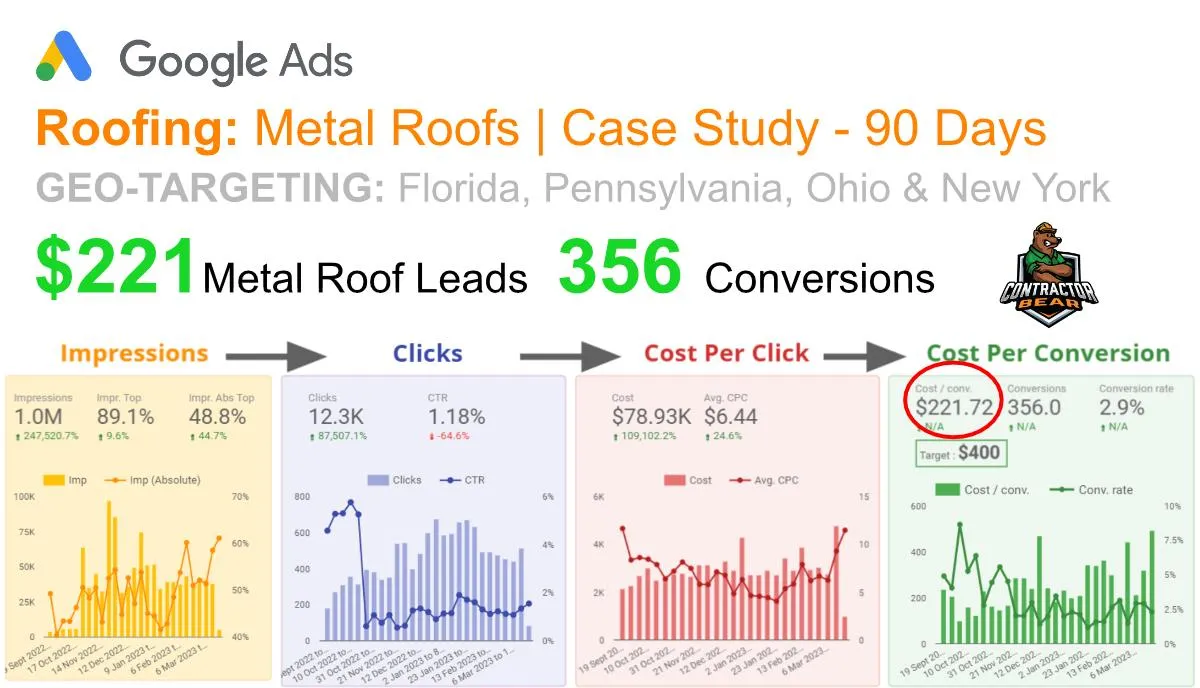
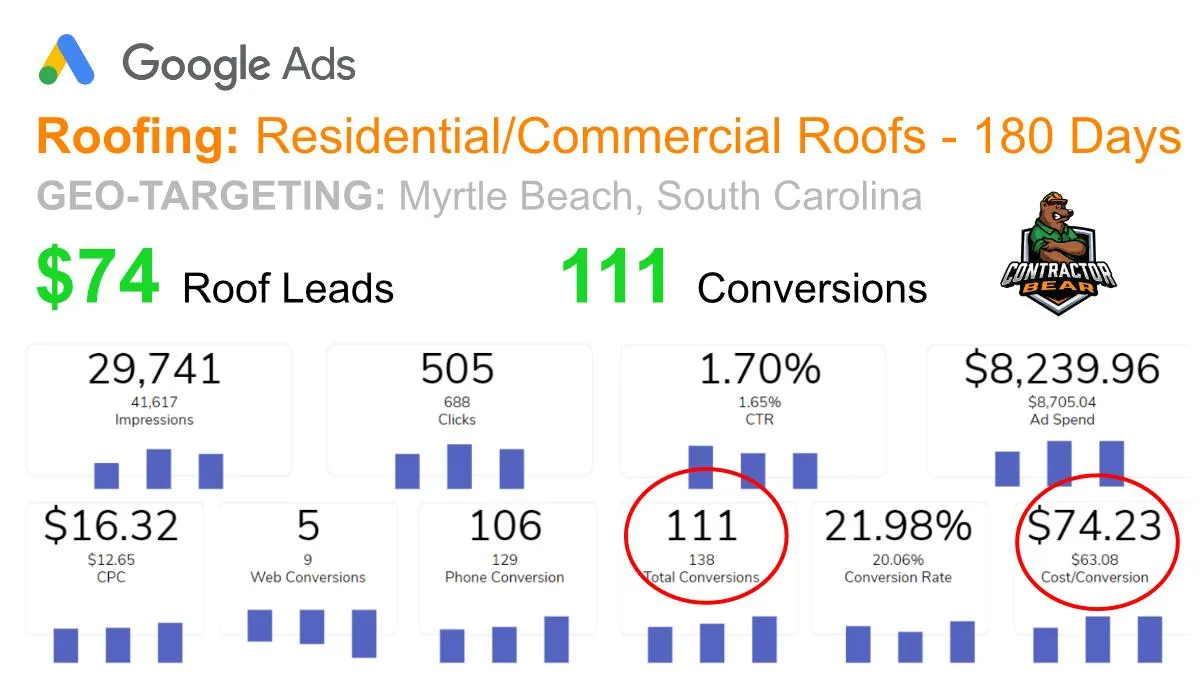
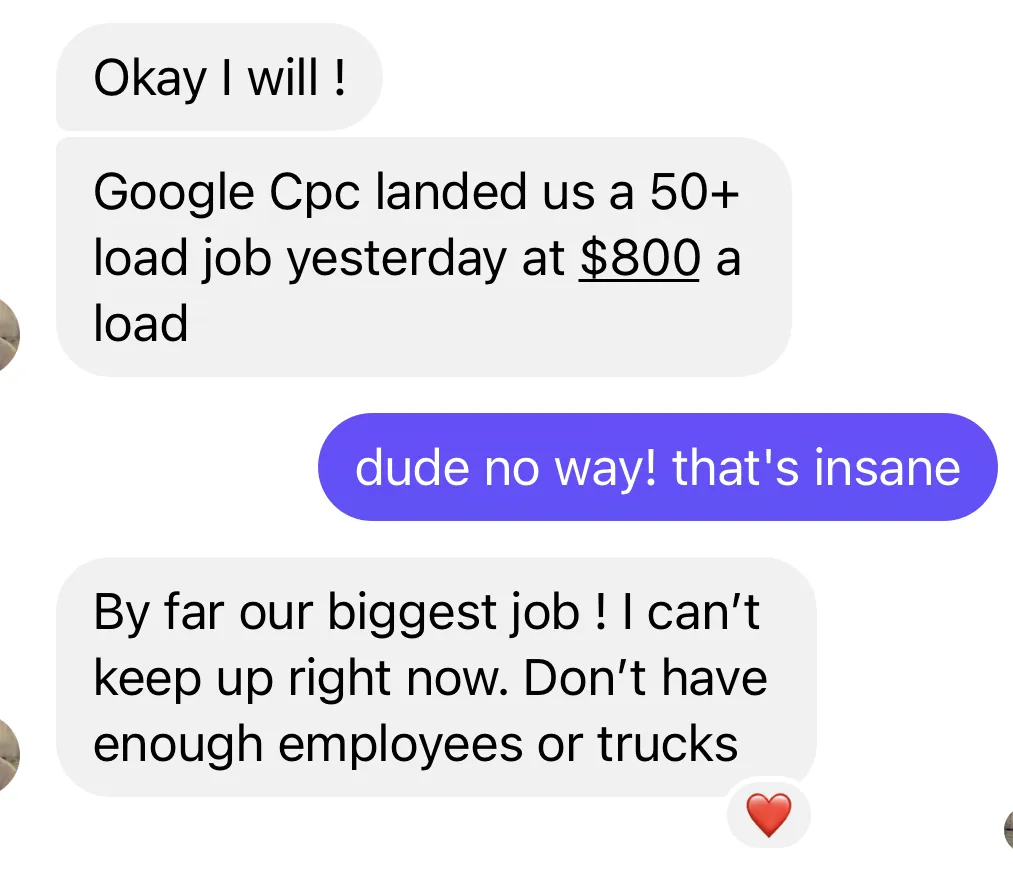
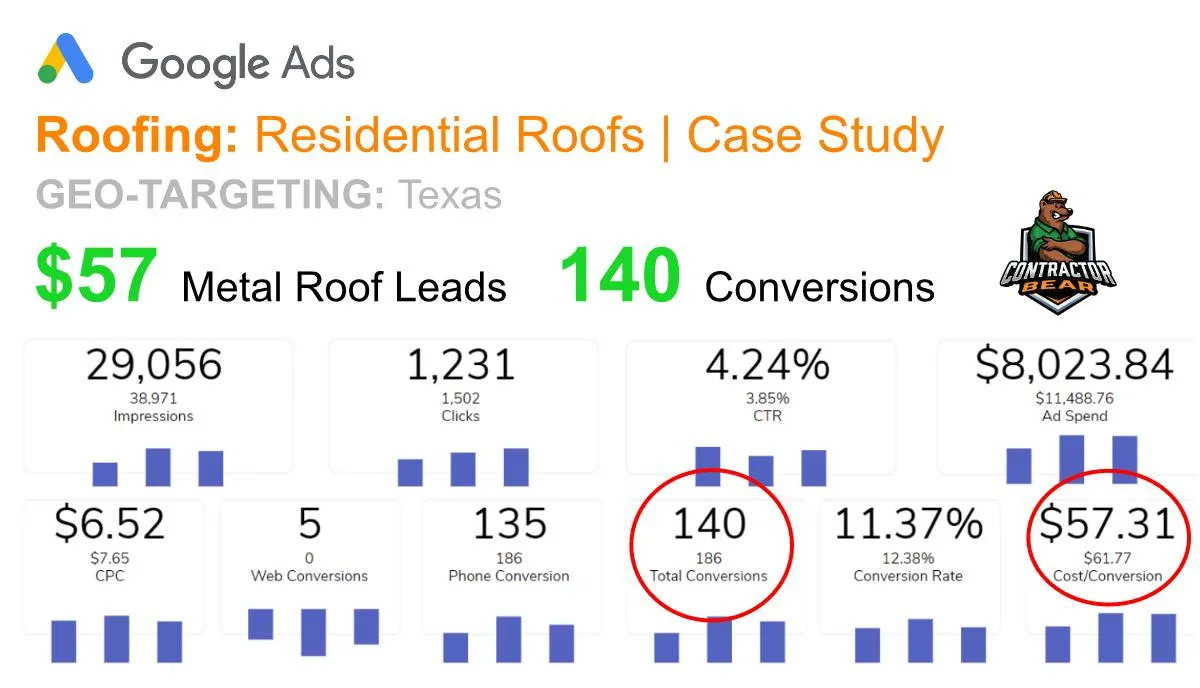
Real Results. Real Contractors.
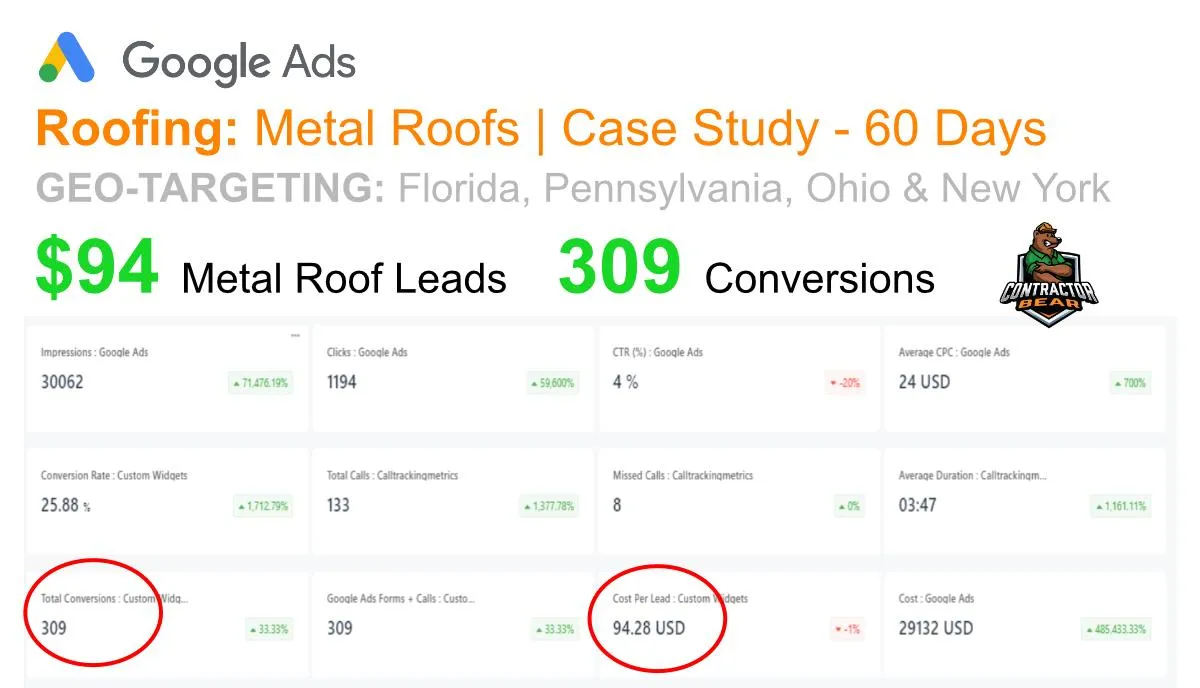
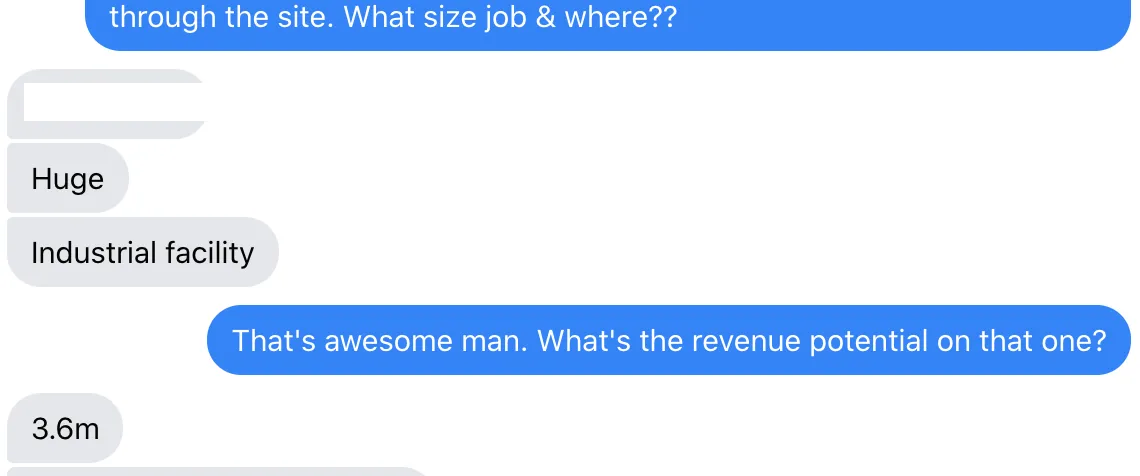
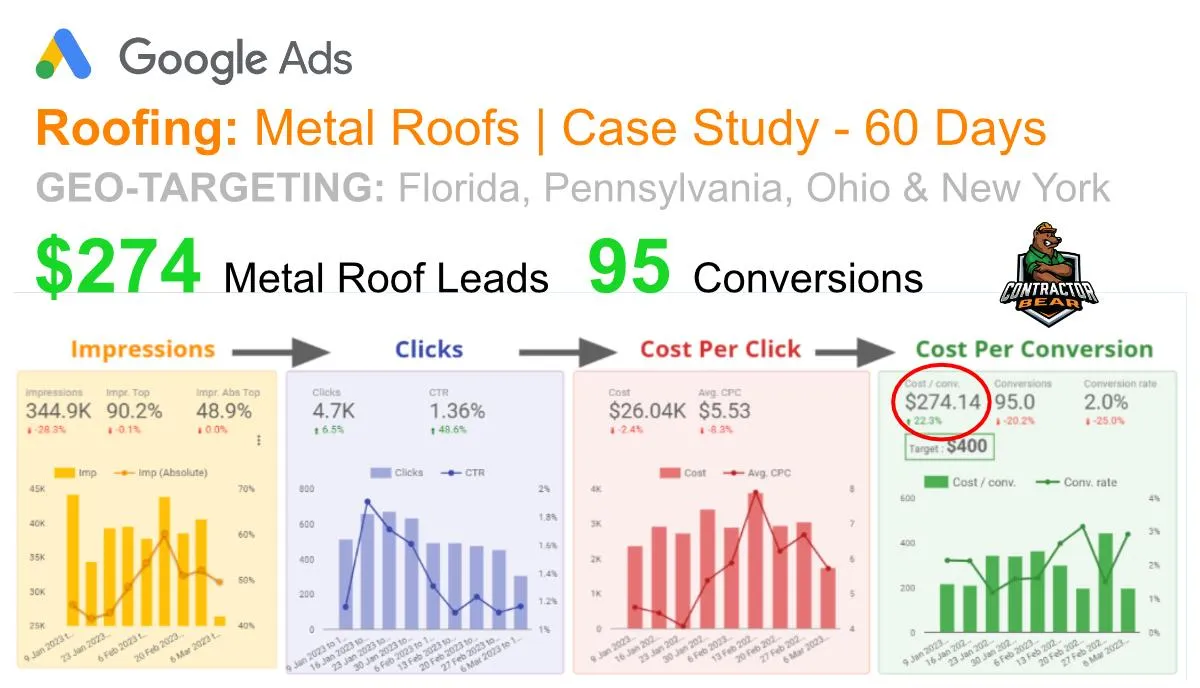
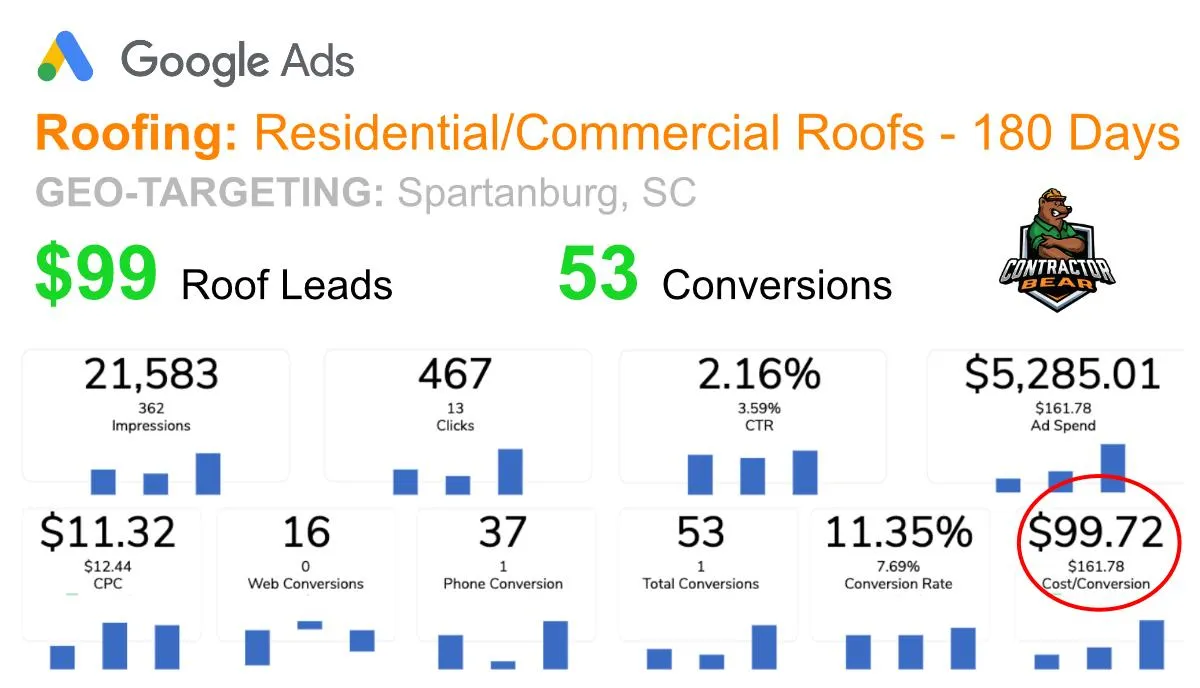
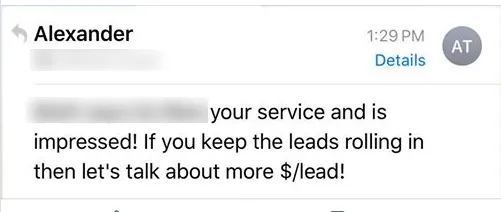
Screenshots from our actual client dashboards and conversations. No stock photos, no fake numbers.



Packages for Chicago Heating & Cooling Companies
Free custom website included with every plan. No setup fees, no long-term contracts.

Cub
Start building pipeline
- Google Business Profile optimization
- Local SEO foundation
- Review generation system
- Bring your own website

Black
Your free website tier
- FREE custom website
- ALL Everything in Cub, plus:
- Conversion-optimized site
- Call tracking + Growth Hub CRM

Grizzly
Accelerate your pipeline
- ALL Everything in Black, plus:
- Content marketing & blog
- Advanced review management
- City + service landing pages

Polar
Own your market
- ALL Everything in Grizzly, plus:
- Google Ads management
- Full-funnel lead nurturing
- Dedicated account manager
You only move up when we deliver. Tier upgrades trigger automatically when your attributed-lead count clears each threshold, with phone, email, and text notification before any price change. Attribution is limited to leads generated by our marketing — never your existing customers, referrals, or word-of-mouth.
Heating & Cooling SEO FAQ
How long does HVAC SEO take to produce results in Chicago?
For most Chicago heating and cooling companies, meaningful ranking improvements begin appearing within 3–4 months, with significant lead volume increases at 5–6 months. The timeline depends on your starting point — a company with no GBP optimization and thin website content will see faster early gains than one that's already partially optimized. Highly competitive terms like 'AC repair Chicago' take longer than neighborhood-specific terms like 'furnace repair Evanston' or 'heat pump installation Oak Park.' We typically see GBP map pack improvements first (often within 6–8 weeks), followed by organic ranking gains as content and backlink authority build. The important caveat: SEO compounds over time. A company that has invested for 18 months will have a structural advantage that a new competitor cannot close quickly with ad spend.
What does HVAC SEO cost for a Chicago company?
Professional HVAC SEO in Chicago typically ranges from $1,500–$4,500 per month depending on your competitive target keywords, the number of services and service areas you're pursuing, and your starting baseline. Companies targeting broad metro-wide terms ('AC repair Chicago') need more aggressive link building and content investment than those starting with suburban neighborhoods. The relevant comparison isn't what SEO costs — it's what it costs relative to the alternatives. If Google Ads are generating HVAC leads at $75–$150 each and SEO delivers them at $20–$40 with a higher close rate, the ROI calculation usually favors SEO within the first 6 months of investment. Our programs include website, local SEO, GBP management, and content — with no long-term contracts.
How do I rank in the Google Maps 3-pack for HVAC searches in Chicago?
The Google Maps 3-pack for HVAC searches is driven by three core factors: proximity (how close your business address is to the searcher), relevance (how well your GBP matches the search query), and prominence (your review volume, rating, citation consistency, and website authority). To improve your map pack rankings in Chicago, prioritize complete GBP optimization with service-specific categories, build a systematic review acquisition process to grow review velocity, ensure 100% NAP consistency across all directories, and increase your website's local authority through Chicago-relevant content and backlinks. Neighborhood-level map pack rankings are often easier to win than city-wide terms — targeting 'HVAC repair Logan Square' or 'furnace company Hyde Park' can generate significant lead volume with lower competition.
Should Chicago HVAC companies use SEO or Google Ads?
Both serve different strategic purposes, and the right answer depends on your timeline and budget. Google Ads produce leads immediately but stop the moment you stop paying — making them expensive to sustain long-term in Chicago's competitive HVAC market, where cost-per-click for heating and cooling terms regularly exceeds $15–$25. SEO takes 3–6 months to produce results but then generates leads at $15–$40 each with a 20% close rate, compounding in value over time. The most effective strategy for established Chicago HVAC companies is to run Google Ads while building SEO — using ads to generate leads in the short term while organic rankings develop. Once SEO delivers consistent volume, you can reduce ad spend on the keywords you own organically and redirect budget to new markets or services.
What keywords should my Chicago HVAC company target?
The highest-value keywords for Chicago HVAC companies fall into three categories. Emergency/repair terms capture immediate need: 'furnace repair Chicago,' 'AC repair Chicago,' 'emergency HVAC service Chicago.' These have the highest search volume and conversion rates but also the most competition. Installation terms target higher-ticket jobs: 'AC installation Chicago,' 'furnace replacement Chicago,' 'heat pump installation Chicago IL.' Neighborhood-specific variations — 'HVAC repair Lincoln Park,' 'furnace company Naperville,' 'air conditioning service Schaumburg' — often have 40–60% less competition than city-wide terms with comparable conversion rates. We conduct full keyword research for every client to identify the highest-ROI targets based on your service area, competition level, and existing rankings — then build a content and optimization roadmap around those priorities.
Heating & Cooling SEO in Nearby Cities
Heating & Cooling SEO in Naperville →
Naperville, IL • Pop. 149,540
Heating & Cooling SEO in Joliet →
Joliet, IL • Pop. 150,362
Heating & Cooling SEO in Elgin →
Elgin, IL • Pop. 114,797
Heating & Cooling SEO in Rockford →
Rockford, IL • Pop. 148,655
Heating & Cooling SEO in Aurora →
Aurora, CO • Pop. 395,378
Heating & Cooling SEO in Milwaukee →
Milwaukee, WI • Pop. 577,222
Heating & Cooling Marketing Resources
Scale Your Heating & Cooling Company →
Comprehensive growth guide for heating & cooling businesses.
All Heating & Cooling Services →
See everything we offer for heating & cooling companies.
Google Business Profile Guide for Contractors →
In-depth article to help grow your business.
How to Get More 5-Star Reviews →
Practical strategies you can implement today.
Get a Free Heating & Cooling SEO Audit for Chicago
We'll show you exactly where you're losing rankings to competitors — plus a free custom website and a clear roadmap to page-one visibility within 6 months.