Heating & Cooling SEO in Denver, CO
For Denver HVAC companies, organic search delivers leads at $15–40 each with a 20% close rate — compared to $45–150 per lead on Google Ads. SEO is the only channel that compounds while you sleep, building a lead pipeline that doesn't disappear when your ad budget runs out.
By Contractor Bear Team • March 2026
Get Your Free Denver Heating & Cooling Audit
See exactly where you're losing leads to your top 3 heating & cooling competitors in Denver. No sales call required.
Why SEO Is the #1 Growth Channel for Denver HVAC Companies
Top 8 Local SEO Ranking Factors for Heating & Cooling
What actually moves the needle for heating & cooling companies in Denver.
Google Business Profile
For heating and cooling searches in Denver, the local map pack captures 40–60% of all clicks — especially for high-intent queries like 'AC repair Denver' or 'emergency furnace repair.' Your GBP listing is often the first thing a homeowner sees before your website.
Our approach: We fully build out your GBP with service categories, HVAC-specific attributes, geo-tagged photos of your trucks and completed jobs, weekly posts during peak seasons, and Q&A seeding for common Denver HVAC questions. We also implement review generation workflows to keep your rating above 4.7 stars.
On-Page SEO
Google needs clear, structured signals to understand what services you offer and which Denver neighborhoods you serve. Thin or poorly structured service pages fail to rank for the high-value terms that drive emergency calls and equipment installation leads.
Our approach: We build dedicated, keyword-optimized service pages for every major offering — AC repair, furnace installation, heat pump services, ductwork, IAQ — each targeting specific Denver-area search terms. Pages include proper H1/H2 hierarchy, semantic keyword clusters, internal linking, and Schema markup for HVAC service businesses.
Reviews and Ratings
Most Denver homeowners read reviews before selecting an HVAC company, and Google's local algorithm weighs review quantity, recency, and response rate as ranking signals. A company with 200 reviews outranks an equally-optimized competitor with 40.
Our approach: We implement automated post-job review request sequences via SMS and email, trained to send within 2 hours of job completion when satisfaction is highest. We also build response templates for both positive and negative reviews, signaling to Google that you're an actively managed, reputable business.
Local Citations
Consistent Name, Address, and Phone (NAP) data across directories like Yelp, Angi, BBB, and HVAC-specific directories builds geographic authority that reinforces your Denver service area to Google's algorithm.
Our approach: We audit and correct all existing citations, then build authoritative new listings across 50+ relevant directories. For HVAC companies in Denver, we prioritize home services platforms, Colorado contractor directories, and local Chamber of Commerce listings that carry significant domain authority.
Mobile Experience
Over 70% of emergency HVAC searches in Denver happen on mobile devices — usually a panicked homeowner whose furnace died at 11 PM in February. A slow or hard-to-navigate mobile site means they bounce and call your competitor.
Our approach: We ensure Core Web Vitals scores pass Google's thresholds (LCP under 2.5s, CLS under 0.1), implement click-to-call buttons prominently above the fold, and structure emergency service pages for one-thumb usability. Page speed optimization includes image compression, lazy loading, and CDN configuration.
Content Quality
Google's Helpful Content system rewards HVAC sites that genuinely answer the questions Denver homeowners are asking — maintenance guides, seasonal checklists, cost estimates for common repairs. Thin pages with generic marketing copy are actively deprioritized.
Our approach: We build a Denver-specific content hub covering topics like 'how often to service HVAC in high-altitude semi-arid climate,' 'best heat pump models for Denver winters,' and 'how to prepare your AC for a Denver summer.' This topical authority lifts rankings across your entire site, not just individual pages.
Backlinks
Backlinks from authoritative websites signal to Google that your business is a trusted Denver HVAC resource. A single link from the Denver Post home improvement section or the Colorado ACCA chapter carries more ranking weight than dozens of low-quality directory links.
Our approach: We pursue a targeted link-building strategy including local PR outreach, sponsorships of Denver neighborhood associations, guest content on Colorado home improvement blogs, and partnerships with complementary trades (plumbers, electricians) who can cross-link. Every link acquisition is white-hat and manually vetted.
Technical SEO
If Google can't efficiently crawl and index your HVAC website, your content and citations are irrelevant. Crawl errors, duplicate content, missing XML sitemaps, and improper canonical tags silently suppress rankings across your entire domain.
Our approach: We conduct a full technical audit covering crawlability, indexation status, schema markup implementation (LocalBusiness, Service, FAQPage), canonical configuration, HTTPS status, structured data errors, and XML sitemap integrity. We also implement HVACBusiness Schema where supported to enable rich results in Google Search.
SEO vs Paid Ads for Heating & Cooling Companies
| Factor | SEO | Google Ads | Facebook Ads |
|---|---|---|---|
| Cost Per Lead | $15-40 | $45-150 | $25-80 |
| Close Rate | 20-25% | 8-12% | 5-8% |
| Time to Results | 3-6 months | Immediate | 1-2 weeks |
| Long-term Value | Compounds over time | Stops when you stop paying | Stops when you stop paying |
| Trust Level | High (earned placement) | Medium (paid label) | Low (interruptive) |
| Lead Quality | High intent | High intent | Lower intent |
Step-by-Step Local SEO for Denver HVAC Companies
Claim and Optimize Your Google Business Profile
Your GBP listing is the single most important local SEO asset for Denver HVAC companies. Start by claiming and verifying your listing, then select the most specific primary category available — typically 'HVAC Contractor' or 'Air Conditioning Contractor.' Add every service you offer as a secondary category. Upload at least 20 photos: exterior of your building, branded trucks, technicians on job sites in recognizable Denver neighborhoods, and completed equipment installations. Set your service area to include the full Denver metro — Aurora, Lakewood, Thornton, Westminster, Arvada, Englewood. Add your full service menu with descriptions and pricing ranges. Enable messaging and maintain response times under 30 minutes during business hours. Post seasonal updates (AC tune-up specials in April, furnace check promotions in September) at least twice per month.
Build Local Citations Across Key Directories
Citation consistency signals geographic authority to Google. Begin with the essential platforms: Yelp Business, Angi (formerly Angie's List), HomeAdvisor, Houzz, BBB (Better Business Bureau), and Thumbtack. Then expand to HVAC-specific directories: ACCA (Air Conditioning Contractors of America) member directory, PHCC directory, and Carrier or Trane dealer locators if applicable. For Denver-specific authority, submit to the Denver Metro Chamber of Commerce directory, Colorado Contractors Association, and local neighborhood association sites in areas like Cherry Creek, Washington Park, Park Hill, and Stapleton. Every listing must have identical NAP data — even small variations like 'St.' vs. 'Street' dilute your citation authority and can confuse Google's entity resolution. Audit all existing listings before building new ones to eliminate conflicts.
Optimize Service Pages with Denver-Specific On-Page SEO
Create a dedicated landing page for every service you offer, targeting keyword combinations that Denver homeowners actually search. Prioritize pages for: 'AC repair Denver,' 'furnace installation Denver CO,' 'heat pump installation Denver,' 'ductwork repair Denver,' and 'HVAC maintenance Denver.' Each page needs a unique H1 containing the service and city, a meta title under 60 characters, and a meta description under 155 characters that includes the target keyword and a compelling reason to click. Body content should be minimum 600 words, covering the service in detail, Denver-specific considerations (altitude effects on HVAC efficiency, semi-arid climate duct leakage issues), pricing context, and a clear call to action. Implement LocalBusiness and Service Schema markup on every page. Link service pages to your GBP landing page and to related service pages to build topical authority.
Generate Reviews Systematically
Reviews are both a ranking signal and a conversion driver — most Denver homeowners read them before choosing an HVAC company. Build a post-job review collection system that triggers automatically: send an SMS within 2 hours of job completion with a direct link to your Google review page (use your GBP short URL). Follow up with an email 24 hours later if no review has been posted. Train your technicians to verbally ask for reviews at the end of every satisfied service call — a simple 'If we did a great job today, we'd really appreciate a Google review' converts 30–40% of happy customers. Respond to every review within 48 hours, including negative ones. Google treats review responses as engagement signals. Aim for a minimum of 5 new reviews per month to maintain recency freshness in the algorithm.
Create Hyperlocal Denver Content
A Denver HVAC blog isn't a nice-to-have — it's a ranking engine for long-tail searches that convert. Focus on questions Denver homeowners are actively searching: 'why does my AC struggle in Denver heat' (altitude reduces efficiency), 'best time to replace furnace in Denver,' 'HVAC tips for Denver's dry climate,' and 'how to prepare heat pump for Denver winter.' Each post should target a specific long-tail keyword, run 800–1,200 words, and include internal links to your service pages. Seasonal content — published in the shoulder months before peak demand — positions you to rank before the summer AC rush and winter heating surge. Content that answers real local questions earns featured snippet positions and builds the topical authority that lifts your entire domain's ranking power.
Build Quality Backlinks from Denver Sources
Backlinks from locally relevant, high-authority websites are the hardest and most valuable SEO asset to acquire. Start with easy wins: join the Denver Metro Chamber of Commerce (includes a high-DA directory link), sponsor a local Denver neighborhood association event or school fundraiser in exchange for a website mention, and partner with complementary tradespeople — plumbers, electricians, general contractors — for mutual referral links. For editorial links, pitch seasonal HVAC stories to Denver7, 9NEWS, or Colorado Sun home improvement sections. Provide expert quotes on energy efficiency topics for local media. Create genuinely useful resources — a 'Denver HVAC Seasonal Maintenance Calendar' or 'Colorado Energy Star Rebate Guide' — that other local sites will link to organically. Avoid purchased links or low-quality directories; Google's link spam detection has improved significantly and penalties can set your rankings back 12–18 months.
Denver Heating & Cooling SEO Landscape
5 SEO Mistakes Heating & Cooling Companies Make
Using One Generic Page for All Services
Many Denver HVAC companies try to rank a single homepage or 'services' page for every keyword — AC repair, furnace installation, heat pump services, ductwork, IAQ — simultaneously. Google's algorithm rewards topical specificity; a single page trying to rank for 15 different services signals low relevance for all of them. This is one of the primary reasons established HVAC companies in Denver get outranked by smaller competitors who built dedicated, content-rich pages for each service.
Fix: Create a dedicated landing page for every core service you offer, each targeting a specific keyword cluster. Your 'AC Repair Denver' page should be entirely about AC repair. Your 'Furnace Installation Denver' page should be entirely about furnace installation. Link them internally but keep the topical focus pure.
Ignoring Seasonal SEO Timing
Most Denver HVAC companies wait until peak season demand — June for AC, November for heating — to think about their rankings. By then it's too late. SEO changes take weeks to months to influence rankings. Companies that launch HVAC content campaigns and GBP optimizations during peak season are building for next year's season, not this one. Meanwhile, competitors who optimized in the shoulder months are capturing all the emergency calls.
Fix: Build your SEO calendar around Denver's seasonal transitions: run heating-focused optimization from August through October, AC-focused from February through April. Publish seasonal content — 'furnace tune-up checklist for Denver homeowners' — 6–8 weeks before peak demand so it has time to rank before the calls start flooding in.
Neglecting Google Business Profile Maintenance
HVAC companies in Denver frequently claim their GBP listing and then ignore it for months or years. An inactive GBP — no new photos, no posts, no review responses, outdated service hours — sends negative engagement signals to Google's algorithm and loses ground to actively managed competitors. At the same time, most customers check reviews before calling, meaning an unmanaged review profile with unanswered negative reviews directly reduces your conversion rate from map pack impressions.
Fix: Assign GBP maintenance as a weekly 30-minute task. Add new job photos, post a seasonal tip or special offer, and respond to all reviews within 48 hours. Set a recurring reminder to audit your GBP information (hours, services, phone number) every quarter, especially around Daylight Saving Time changes.
Building Links from Irrelevant or Low-Quality Sources
Desperate for backlinks, some Denver HVAC companies purchase link packages from offshore SEO vendors, join link farms, or spam comments on home improvement blogs. Google's spam detection algorithms — particularly SpamBrain — identify unnatural link patterns with increasing accuracy. When a penalty hits, organic traffic can drop 70–90% overnight, and recovery from a manual penalty typically takes 12–18 months of disavow work and clean rebuilding. The short-term ranking boost from toxic links never justifies the existential risk to your search visibility.
Fix: Build links only through legitimate means: local Chamber membership, real industry associations, editorial mentions in Denver media, and partnerships with complementary local businesses. A single link from a Denver neighborhood blog or the Colorado ACCA chapter outperforms 500 links from a link farm both in ranking impact and algorithmic safety.
Skipping Schema Markup and Technical SEO
Technical SEO issues quietly suppress HVAC rankings without any obvious error messages. Denver HVAC websites commonly suffer from: duplicate content across service area pages, missing LocalBusiness and Service Schema that would enable rich results, crawl errors blocking key pages, and unoptimized Core Web Vitals that trigger Google's page experience ranking signals. These technical deficiencies mean your content never reaches its ranking potential, even if the writing is excellent and backlinks are strong.
Fix: Conduct a technical SEO audit using Google Search Console, Screaming Frog, or a structured manual review. Implement LocalBusiness Schema on your homepage, Service Schema on each service page, and FAQPage Schema on content with Q&A sections. Fix all crawl errors, resolve duplicate content with canonical tags, and optimize Core Web Vitals — especially mobile load speed, which is critical for emergency HVAC searches.
Real Results: Heating & Cooling SEO Case Study
Heating & Cooling company in Aurora, Colorado
Before
After
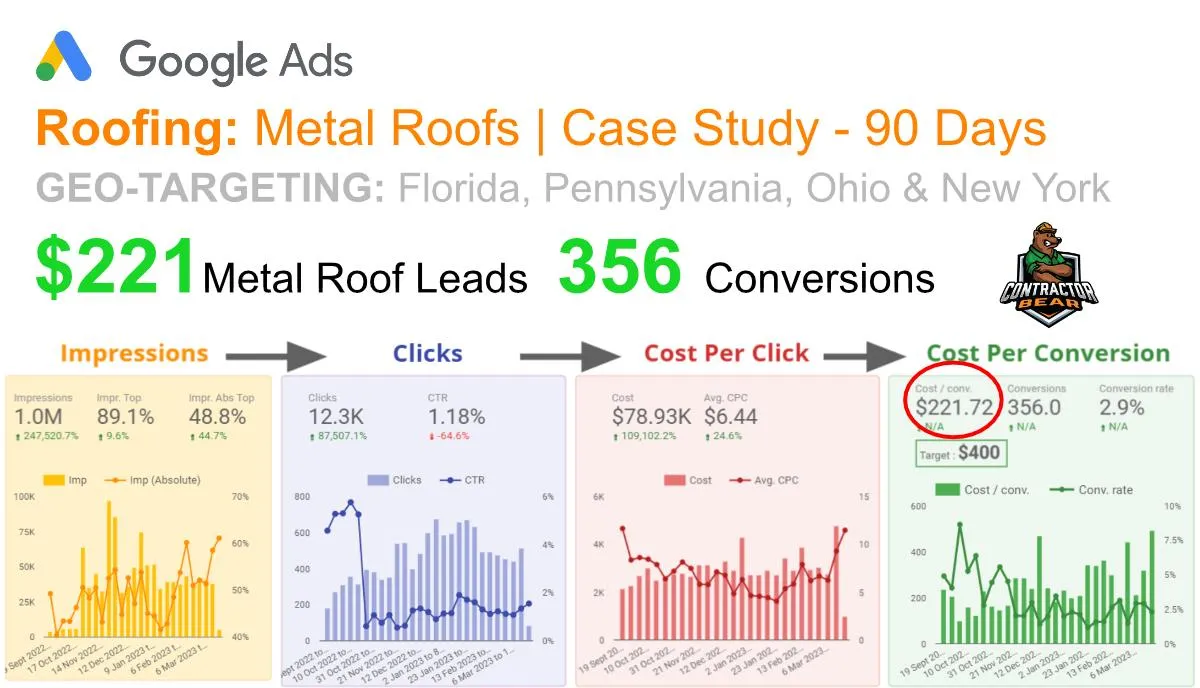
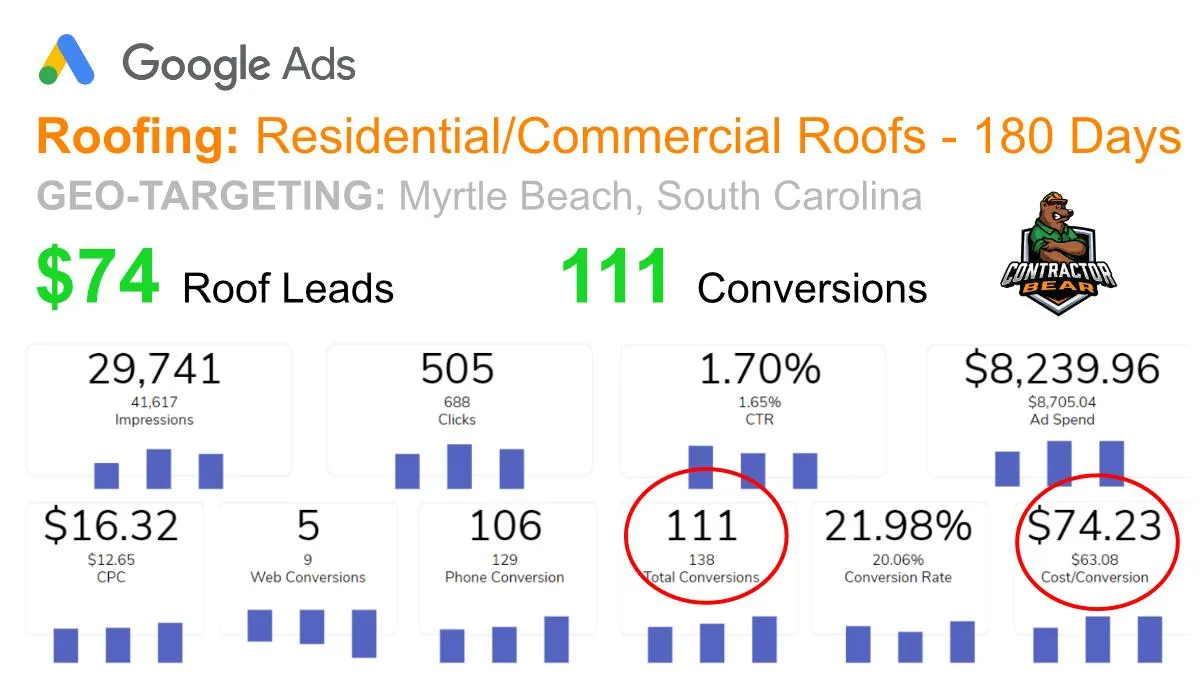
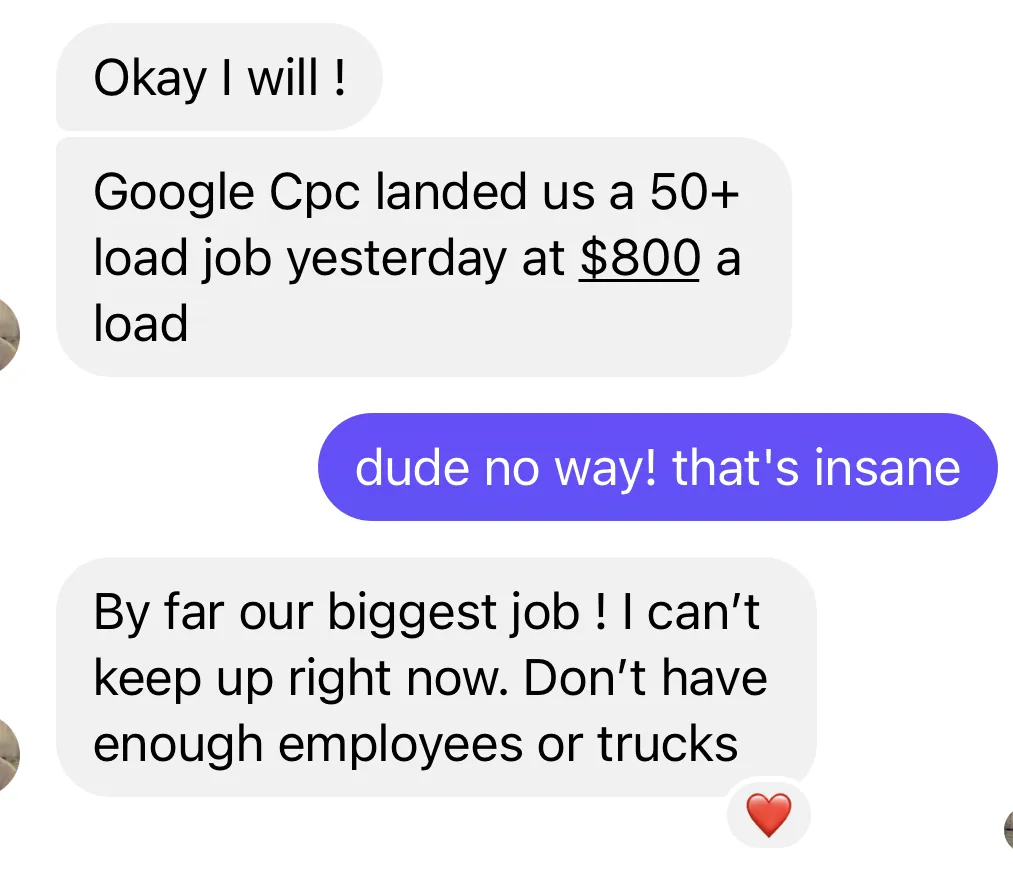
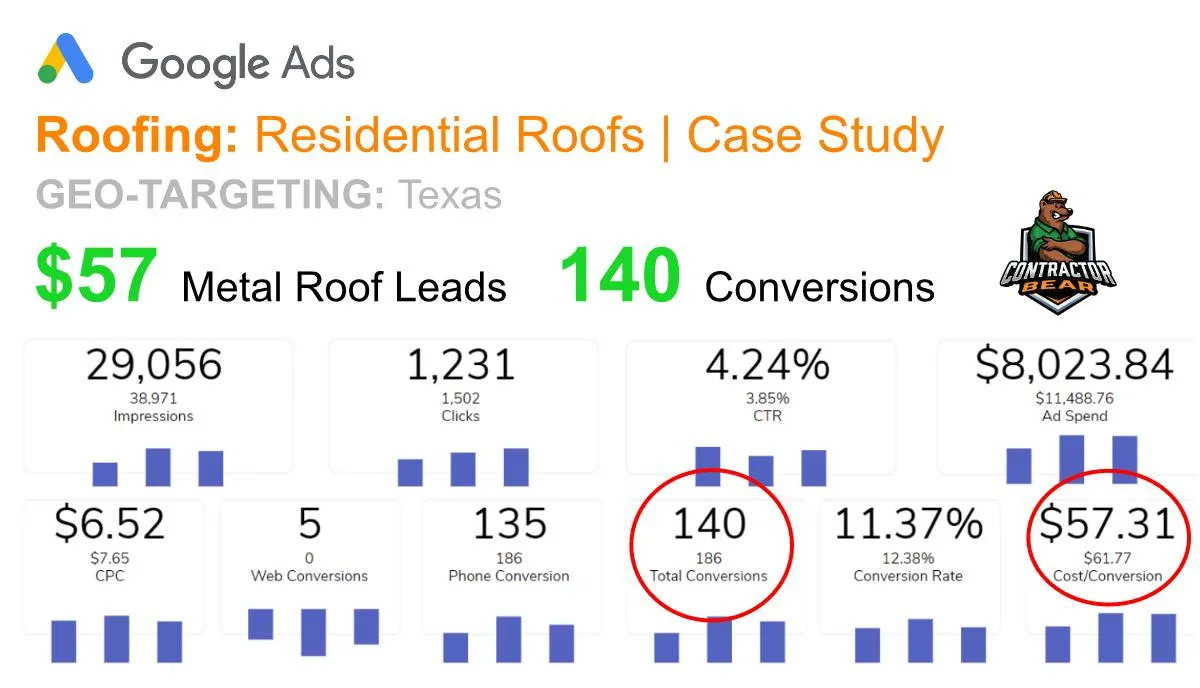
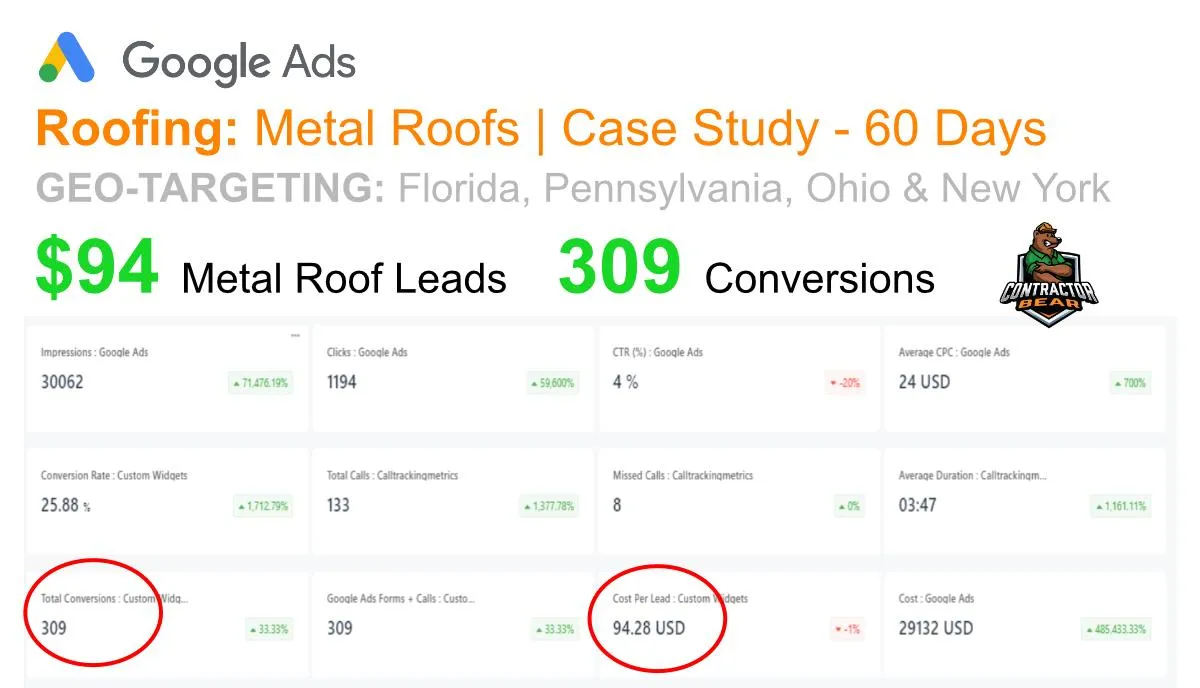
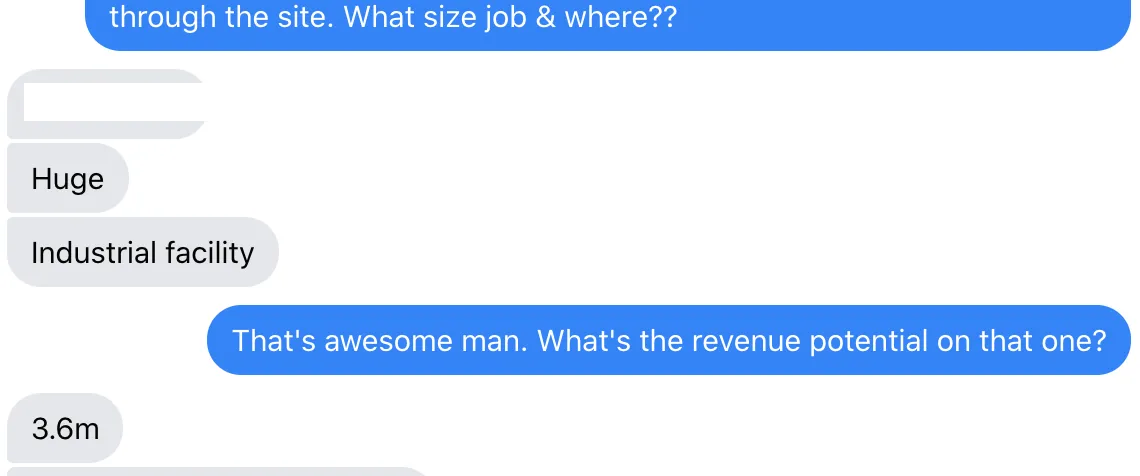
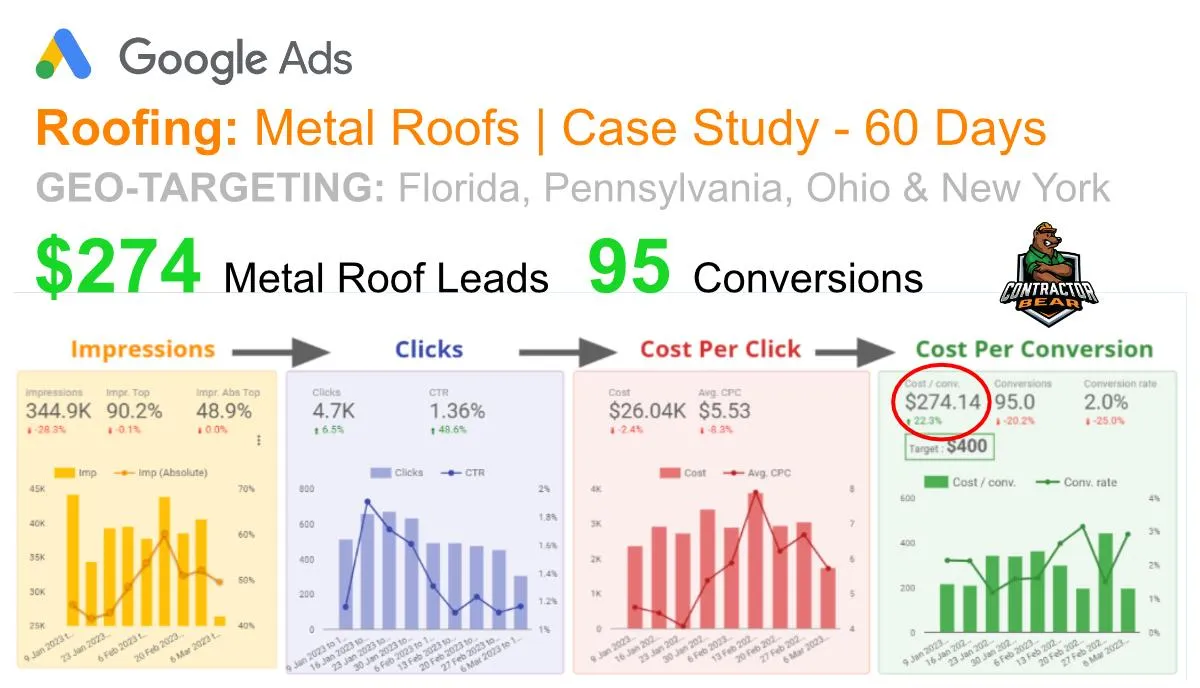
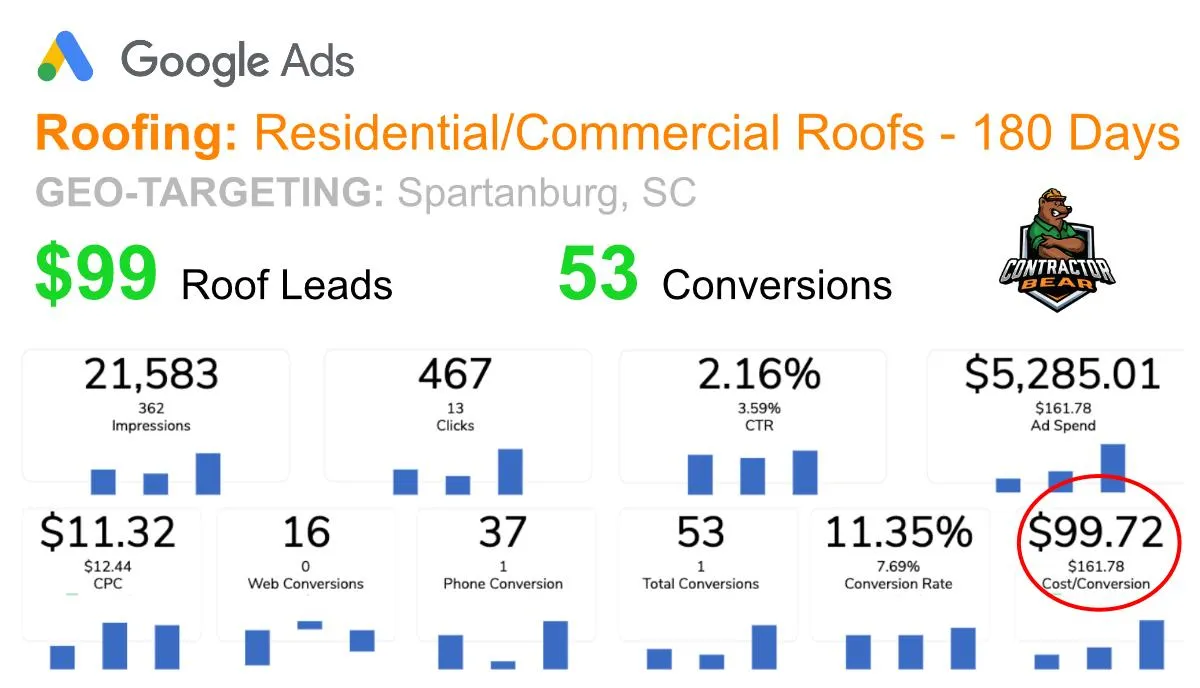
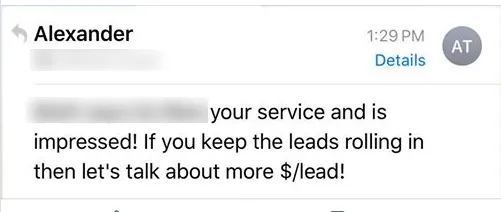
Real Results. Real Contractors.
Screenshots from our actual client dashboards and conversations. No stock photos, no fake numbers.



Packages for Denver Heating & Cooling Companies
Free custom website included with every plan. No setup fees, no long-term contracts.

Cub
Start building pipeline
- Google Business Profile optimization
- Local SEO foundation
- Review generation system
- Bring your own website

Black
Your free website tier
- FREE custom website
- ALL Everything in Cub, plus:
- Conversion-optimized site
- Call tracking + Growth Hub CRM

Grizzly
Accelerate your pipeline
- ALL Everything in Black, plus:
- Content marketing & blog
- Advanced review management
- City + service landing pages

Polar
Own your market
- ALL Everything in Grizzly, plus:
- Google Ads management
- Full-funnel lead nurturing
- Dedicated account manager
You only move up when we deliver. Tier upgrades trigger automatically when your attributed-lead count clears each threshold, with phone, email, and text notification before any price change. Attribution is limited to leads generated by our marketing — never your existing customers, referrals, or word-of-mouth.
Heating & Cooling SEO FAQ
How long does HVAC SEO take to generate leads in Denver?
Most Denver HVAC companies begin seeing meaningful ranking movement within 3–4 months and consistent lead flow within 5–7 months, assuming a properly executed strategy. The timeline depends heavily on your starting point: a brand-new domain with no GBP history will take longer than an established business with existing reviews and citations. Highly competitive head terms like 'HVAC company Denver' may take 8–12 months to crack the map pack, while neighborhood-level terms like 'AC repair Highlands Ranch' can rank in 3–5 months. The key insight is that every month of SEO investment builds compounding authority — unlike Google Ads, which generates leads only while your budget is active.
What does HVAC SEO cost compared to Google Ads for Denver contractors?
Google Ads for HVAC terms in Denver runs $45–150 per click with a roughly 10% close rate, meaning you're spending $450–1,500 per acquired customer. SEO delivers leads at $15–40 each with a 20% close rate — $75–200 per acquired customer — after the initial 3–6 month ramp-up period. The critical difference is the cost trajectory: paid ads maintain a flat, recurring cost per customer indefinitely, while SEO costs per lead decline as your rankings strengthen and your domain authority compounds. For a Denver HVAC company targeting a $4,500 customer lifetime value, the ROI on SEO is typically 3–6x better than paid channels within 12–18 months.
Should Denver HVAC companies focus on local map pack or organic results?
Both, but prioritize the map pack first. For HVAC searches in Denver, the local 3-pack captures approximately 40–60% of all clicks on most search queries — significantly more than the top organic result. For high-intent searches like 'emergency furnace repair Denver' or 'AC installation Denver,' map pack visibility is often the difference between ringing phones and silence. Google Business Profile optimization, review generation, and local citation building drive map pack rankings. Organic rankings matter for longer-tail informational queries ('how much does AC installation cost in Denver') and for searchers who scroll past the map pack. A complete strategy targets both, with GBP optimization as the first priority.
How does Denver's climate affect HVAC SEO strategy?
Denver's semi-arid, high-altitude climate creates unique SEO opportunities that most HVAC companies ignore. The city's altitude (5,280 feet) reduces HVAC equipment efficiency and generates specific search queries — 'AC not keeping up with Denver heat,' 'altitude HVAC sizing,' 'oversized AC short cycling Denver' — with minimal local competition. The dry climate drives searches for whole-home humidifiers and IAQ services that have strong conversion rates and almost no dedicated local content. Seasonality is also sharper than most US cities: heating and cooling demand both spike intensely, creating predictable windows where appearing in search results is worth 5–10x more per impression than in shoulder months. We build content calendars and optimization sprints around these Denver-specific patterns.
Can a small Denver HVAC company compete with large chains in SEO?
Yes — and in several areas, small local HVAC companies have structural SEO advantages over large chains. Google's local algorithm heavily weights proximity and genuine community signals: a family-owned Denver HVAC company with 350 authentic local reviews, active community involvement, and hyper-specific neighborhood content will frequently outrank a national chain with a generic location page and centralized review management. Small operators can also move faster — publishing seasonal content, responding to reviews within hours, and optimizing GBP listings weekly — while large chains are slowed by corporate approval processes. The key is focusing SEO efforts on neighborhood-level terms and service-specific queries where the large chains have less presence, then expanding to broader competitive terms as your authority grows.
Heating & Cooling SEO in Nearby Cities
Heating & Cooling SEO in Aurora →
Aurora, CO • Pop. 395,378
Heating & Cooling SEO in Colorado Springs →
Colorado Springs, CO • Pop. 488,664
Heating & Cooling SEO in Thornton →
Thornton, CO • Pop. 141,867
Heating & Cooling SEO in Arvada →
Arvada, CO • Pop. 124,402
Heating & Cooling SEO in Boulder →
Boulder, CO • Pop. 105,485
Heating & Cooling SEO in Pueblo →
Pueblo, CO • Pop. 111,876
Heating & Cooling Marketing Resources
Scale Your Heating & Cooling Company →
Comprehensive growth guide for heating & cooling businesses.
All Heating & Cooling Services →
See everything we offer for heating & cooling companies.
Google Business Profile Guide for Contractors →
In-depth article to help grow your business.
How to Get More 5-Star Reviews →
Practical strategies you can implement today.
Get a Free Heating & Cooling SEO Audit for Denver
We'll analyze your current Denver search rankings, identify your biggest growth opportunities, and build you a free custom website — with a clear roadmap to ranking in the top 3 within 6 months.