Heating & Cooling SEO in Minneapolis, MN
Organic search delivers the lowest cost-per-lead in Minneapolis HVAC marketing — just $15–40 per lead versus $45–150 for Google Ads — while converting at 20%+ because searchers already need your services. We help heating and cooling companies own the top spots before a homeowner's furnace fails on a -20°F January night.
By Contractor Bear Team • March 2026
Get Your Free Minneapolis Heating & Cooling Audit
See exactly where you're losing leads to your top 3 heating & cooling competitors in Minneapolis. No sales call required.
Why SEO Is the #1 Growth Channel for Minneapolis HVAC Companies
Top 8 Local SEO Ranking Factors for Heating & Cooling
What actually moves the needle for heating & cooling companies in Minneapolis.
Google Business Profile
The GBP map pack dominates the top of Minneapolis HVAC search results — 'furnace repair Minneapolis' and 'AC installation Minneapolis' trigger map packs that capture 35-50% of all clicks before organic listings even appear.
Our approach: We fully build out your GBP with accurate NAP, HVAC service categories, seasonal service descriptions, geo-tagged photos of your trucks and completed jobs, and a Q&A section seeded with high-intent queries. We also implement weekly GBP posts during peak seasons to signal active business status to Google.
On-Page SEO
Google's ranking algorithm evaluates whether your website pages clearly and authoritatively answer the specific query a Minneapolis homeowner typed — generic pages without location and service specificity simply don't compete.
Our approach: We craft dedicated service pages for every major offering — furnace repair, AC installation, heat pump services, ductwork, commercial HVAC — each optimized with Minneapolis-specific H1s, title tags, meta descriptions, and schema markup. Every page targets a primary keyword cluster plus supporting semantically related terms.
Reviews and Ratings
Most Minneapolis homeowners read reviews before contacting an HVAC company, and Google's local algorithm uses review volume, recency, and sentiment as a significant map pack ranking signal.
Our approach: We deploy an automated review request system triggered after every completed job, with SMS and email sequences optimized for timing and response rate. We also build a review response protocol that signals engagement to Google and builds trust with prospective customers reading your profile.
Local Citations
Consistent NAP (name, address, phone) data across Yelp, Angi, HomeAdvisor, BBB, and 50+ industry directories confirms to Google that your business is legitimate and accurately located in Minneapolis.
Our approach: We audit all existing citations for inconsistencies, suppress duplicates, and build new citations across the 60+ directories that carry the most weight for home services in the Minneapolis metro. Every citation uses identical, verified business information.
Mobile Experience
Over 70% of emergency HVAC searches in Minneapolis happen on mobile devices — a homeowner's phone is the first thing they grab when their heat goes out at midnight in February.
Our approach: We audit and optimize Core Web Vitals (LCP, FID, CLS), ensure click-to-call buttons are prominently placed above the fold, compress images for fast load times on cellular connections, and verify your site passes Google's mobile usability tests with zero errors.
Content Quality
Google rewards websites that demonstrate genuine topical authority — thin, generic HVAC content is actively penalized in competitive markets like Minneapolis where established players have deep content libraries.
Our approach: We build a content architecture covering every stage of the buyer journey: educational guides ('How to Choose a Furnace Size for a Minneapolis Home'), seasonal content ('Minneapolis Winter HVAC Checklist'), and service-specific pages that address local pain points like humid continental climate demands and Minnesota energy efficiency code requirements.
Backlinks
Authoritative inbound links from local Minneapolis publications, industry associations, and home services directories signal to Google that your HVAC business is a trusted, established authority — boosting rankings across all your target keywords.
Our approach: We pursue a targeted local link-building strategy: Minneapolis neighborhood association partnerships, sponsorships of local events, outreach to Twin Cities home improvement blogs, ACCA membership directory links, and manufacturer/supplier partner pages that reference your business as a certified installer.
Technical SEO
Even perfect content and citations can't overcome a technically broken website — crawl errors, slow load times, duplicate content, and missing schema markup all suppress rankings regardless of other optimization work.
Our approach: We conduct a full technical audit covering site speed, XML sitemap integrity, robots.txt configuration, canonical tags, structured data markup (LocalBusiness, HVAC service schema, FAQPage), HTTPS security, and crawl budget optimization. We implement LocalBusiness schema that displays rich snippets in Minneapolis search results.
SEO vs Paid Ads for Heating & Cooling Companies
| Factor | SEO | Google Ads | Facebook Ads |
|---|---|---|---|
| Cost Per Lead | $15-40 | $45-150 | $25-80 |
| Close Rate | 20-25% | 8-12% | 5-8% |
| Time to Results | 3-6 months | Immediate | 1-2 weeks |
| Long-term Value | Compounds over time | Stops when you stop paying | Stops when you stop paying |
| Trust Level | High (earned placement) | Medium (paid label) | Low (interruptive) |
| Lead Quality | High intent | High intent | Lower intent |
Step-by-Step Local SEO for Minneapolis HVAC Companies
Claim & Optimize Your Google Business Profile
Your GBP is the single most important local SEO asset for a Minneapolis HVAC company. Start by claiming and verifying your listing if you haven't already, then build it out completely: accurate business name, address, and phone number; select 'HVAC Contractor' and 'Air Conditioning Contractor' as primary/secondary categories; add every service you offer including furnace repair, AC installation, heat pump services, and commercial HVAC. Upload at least 20 geo-tagged photos of your trucks, team, and completed installations around Minneapolis. Write a keyword-rich business description that naturally references your service areas and key offerings. Set your service area to cover the full Minneapolis metro — including suburbs like Eden Prairie, Plymouth, and Maple Grove — without overextending beyond where you actually operate.
Build Local Citations Across Directories
Citations are mentions of your business's name, address, and phone number across the web. For Minneapolis HVAC companies, the highest-value citation sources include Yelp, Angi, HomeAdvisor, Houzz, the Better Business Bureau, Porch, Thumbtack, and the Minneapolis Regional Chamber directory. The critical requirement is absolute consistency — even minor variations like 'St.' versus 'Street' or a missing suite number can dilute the trust signal these citations send to Google. We recommend auditing all existing citations first using a tool like BrightLocal, correcting any inconsistencies, and then systematically building new citations across the 60+ directories most relevant to home services businesses in the Twin Cities market. This process typically takes 4–6 weeks to complete properly.
Optimize Your Core Service Pages
Every major HVAC service you offer in Minneapolis deserves its own dedicated, fully optimized page — not a brief mention on a generic services list. Each page should target a specific primary keyword ('AC repair Minneapolis,' 'furnace installation Minneapolis,' 'heat pump services Minneapolis') with that keyword appearing naturally in the page title, H1, first paragraph, at least one subheading, and the meta description. Include Minneapolis-specific content: reference local neighborhoods you serve, mention Minnesota energy efficiency standards, note relevant seasonal context like extreme winter heating demands. Add structured data markup using LocalBusiness and Service schema. Pages should be at minimum 800 words of genuinely helpful, non-generic content that answers the specific questions a Minneapolis homeowner would have about that service.
Build a Systematic Review Generation Process
Reviews are simultaneously a ranking factor and a conversion driver — and most HVAC companies leave enormous review volume on the table simply because they don't ask systematically. The highest-converting review request method is a same-day SMS sent within 2 hours of job completion, with a direct link to your Google Business Profile review page. Set a target of 5+ new Google reviews per week during peak season. Train your technicians to verbally mention the review request at job completion ('We'd really appreciate a Google review — you'll get a text with a link in a few minutes'). Respond to every review, positive and negative, within 48 hours. In the competitive Minneapolis HVAC market, companies with 200+ reviews and a 4.7+ star rating dominate map pack placement over competitors with fewer reviews regardless of other factors.
Create Locally Relevant Content
Content marketing for Minneapolis HVAC companies should be hyper-relevant to the local climate and homeowner concerns rather than generic industry articles. High-value content topics include: 'How to Prepare Your Furnace for a Minneapolis Winter,' 'Minneapolis Energy Rebates for Heat Pump Installation in 2025,' 'Signs Your Central AC Won't Survive Another Minnesota Summer,' and neighborhood-specific service area pages for communities like Uptown, Northeast Minneapolis, Edina, and Burnsville. Seasonal content published 4–6 weeks before peak demand — late September for heating season, mid-May for cooling season — captures homeowners researching before they urgently need service. Each piece should target a specific keyword cluster, include a clear call to action, and link internally to your core service pages.
Build Quality Local Backlinks
Backlinks from authoritative Minneapolis-area websites significantly boost your domain authority and local ranking strength. Effective link-building strategies for HVAC companies in the Twin Cities include: securing a listing on the Minnesota Department of Labor and Industry contractor directory, joining the North Central HVAC Association and earning a member directory link, sponsoring local Minneapolis community events or neighborhood associations in exchange for a website mention, partnering with local home builders and remodelers who can reference your business on their supplier pages, and reaching out to Twin Cities home improvement blogs and local news sites with expert commentary on topics like winterization or heat pump incentives. Even 5–10 high-quality local backlinks can meaningfully shift your rankings in a competitive market.
Minneapolis Heating & Cooling SEO Landscape
5 SEO Mistakes Heating & Cooling Companies Make
Ignoring Seasonal SEO Timing
Many Minneapolis HVAC companies wait until their busy season begins before thinking about SEO — but by then it's too late. Google takes weeks to crawl, index, and rank new content, meaning furnace content published in November won't rank until February. This reactive approach means missing the entire peak demand window.
Fix: Build and publish seasonal content 6–8 weeks before peak season: furnace tune-up and repair content in mid-August, AC maintenance and installation content in early April. This ensures content is indexed and ranking before homeowners start searching urgently.
Using a Single Generic 'HVAC Services' Page
Consolidating all services onto one page forces Google to choose which service you're most relevant for — and typically ranks you for none of them. A single page trying to rank for AC repair, furnace installation, heat pump services, ductwork, and commercial HVAC simultaneously dilutes topical authority for every keyword.
Fix: Create individual, fully optimized pages for every major service: AC repair Minneapolis, furnace repair Minneapolis, heat pump installation Minneapolis, ductwork replacement, commercial HVAC, etc. Each page should target a distinct keyword cluster with 800+ words of service-specific content.
Inconsistent NAP Across Directories
Minneapolis HVAC companies that have been in business for several years often have dozens of outdated citations scattered across directories — old phone numbers, previous addresses, misspelled business names. These inconsistencies send conflicting signals to Google and actively suppress map pack rankings even when other optimization factors are strong.
Fix: Conduct a full citation audit using BrightLocal or Whitespark, identify every inconsistency, and systematically correct them. Establish a single canonical version of your business name, address, and phone number and enforce it across every directory, social profile, and web mention.
Neglecting Google Business Profile Posts and Updates
Most HVAC companies claim their GBP and then abandon it. Google treats GBP activity — posts, photo uploads, Q&A responses, review responses — as signals of business legitimacy and engagement. A dormant profile ranks lower than an actively maintained one, all else being equal.
Fix: Post to your GBP at minimum twice per week during peak seasons and once per week during slow periods. Content can be seasonal offers, equipment tips, recently completed jobs, and service reminders. Respond to every review within 24 hours and seed the Q&A section with the 10 most common questions your dispatchers hear.
Targeting Only 'Minneapolis' and Missing Suburb Opportunities
Competing exclusively for broad Minneapolis HVAC keywords puts small and mid-size contractors against large regional players with years of domain authority. Meanwhile, high-value suburbs like Minnetonka, Bloomington, Plymouth, and Eagan have substantial search volume with significantly less competition in the map pack.
Fix: Build dedicated service area pages for every suburb and neighborhood you serve — each with unique, locally relevant content rather than swapped city names on the same template. Target suburb-specific terms like 'furnace repair Edina' and 'AC installation Plymouth' alongside core Minneapolis terms to build a diversified organic lead portfolio.
Real Results: Heating & Cooling SEO Case Study
Heating & Cooling company in Edina, Minnesota
Before
After
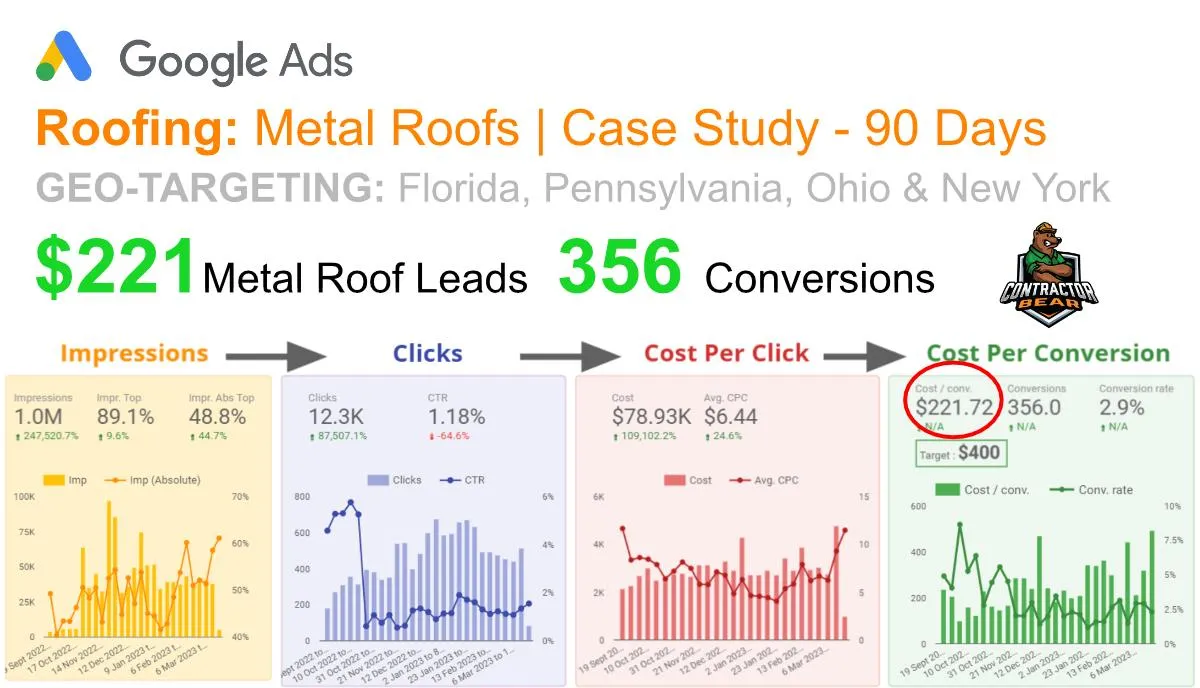
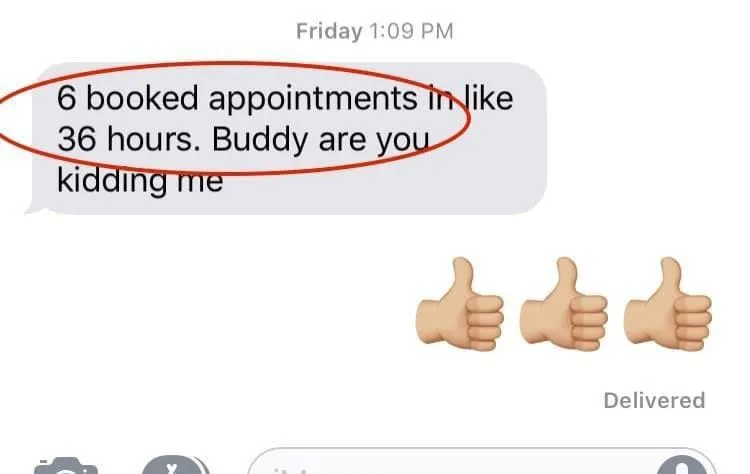
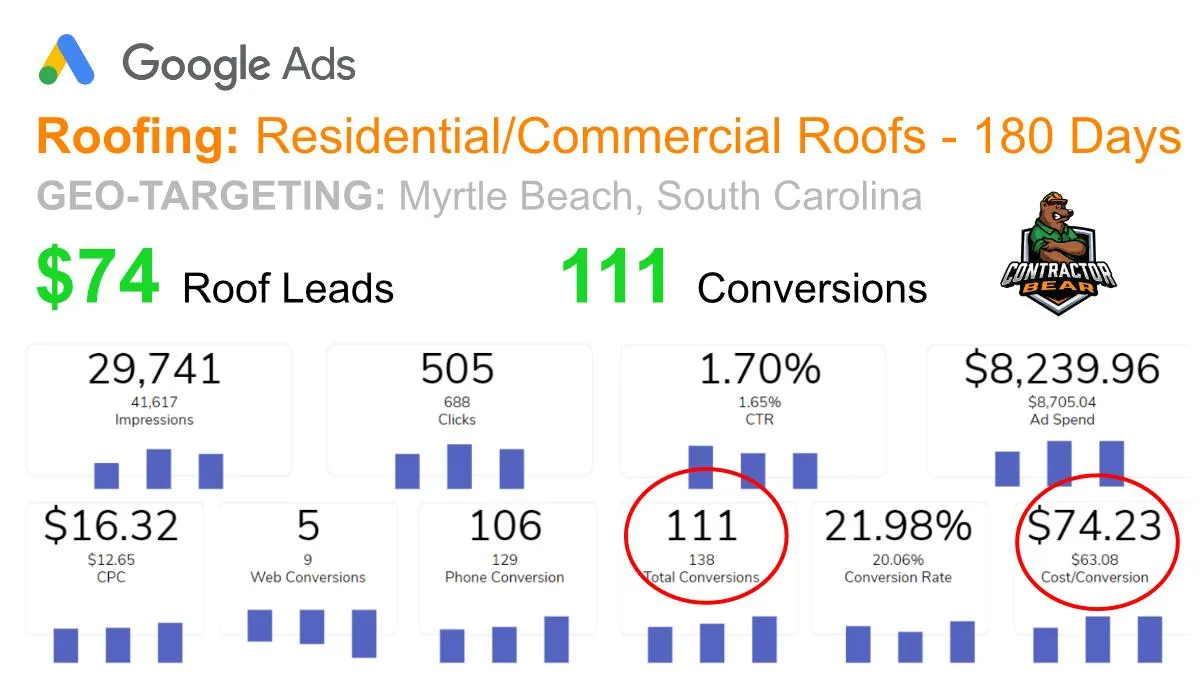
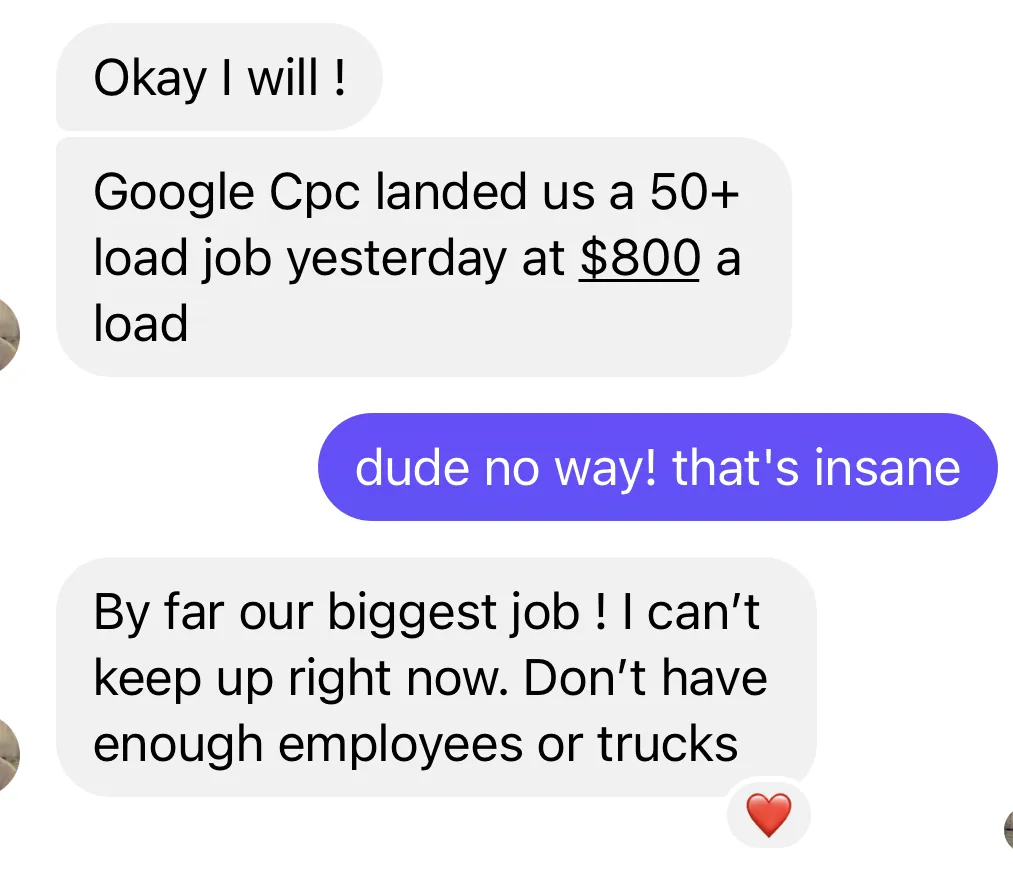
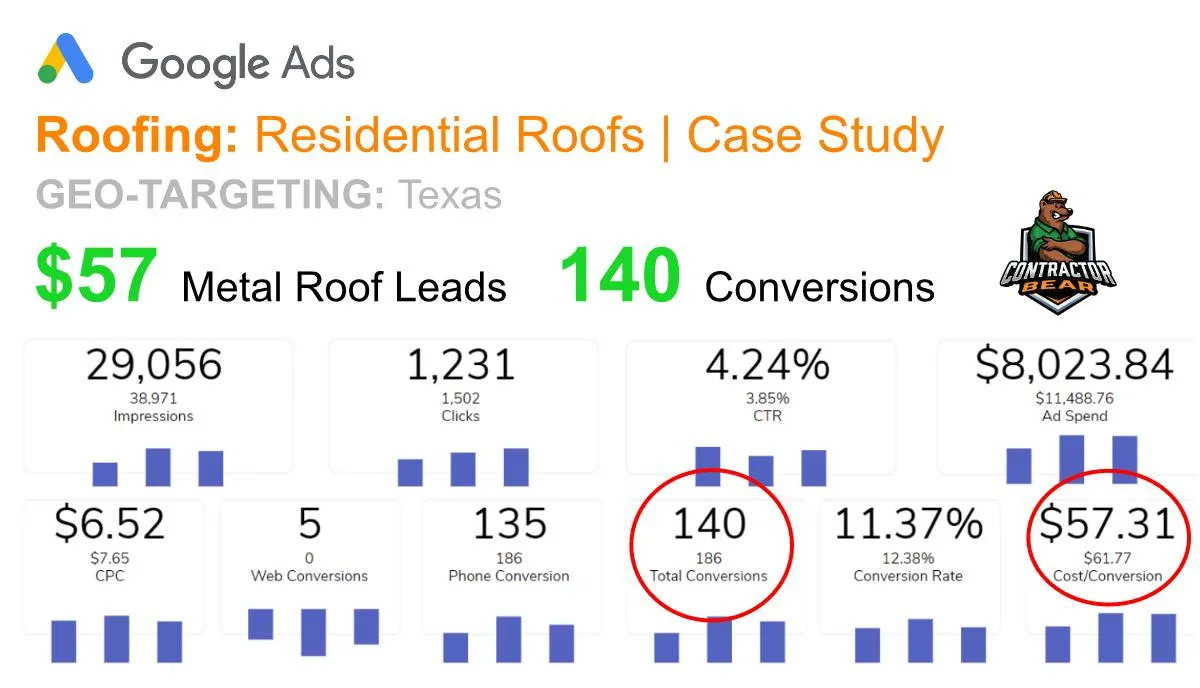
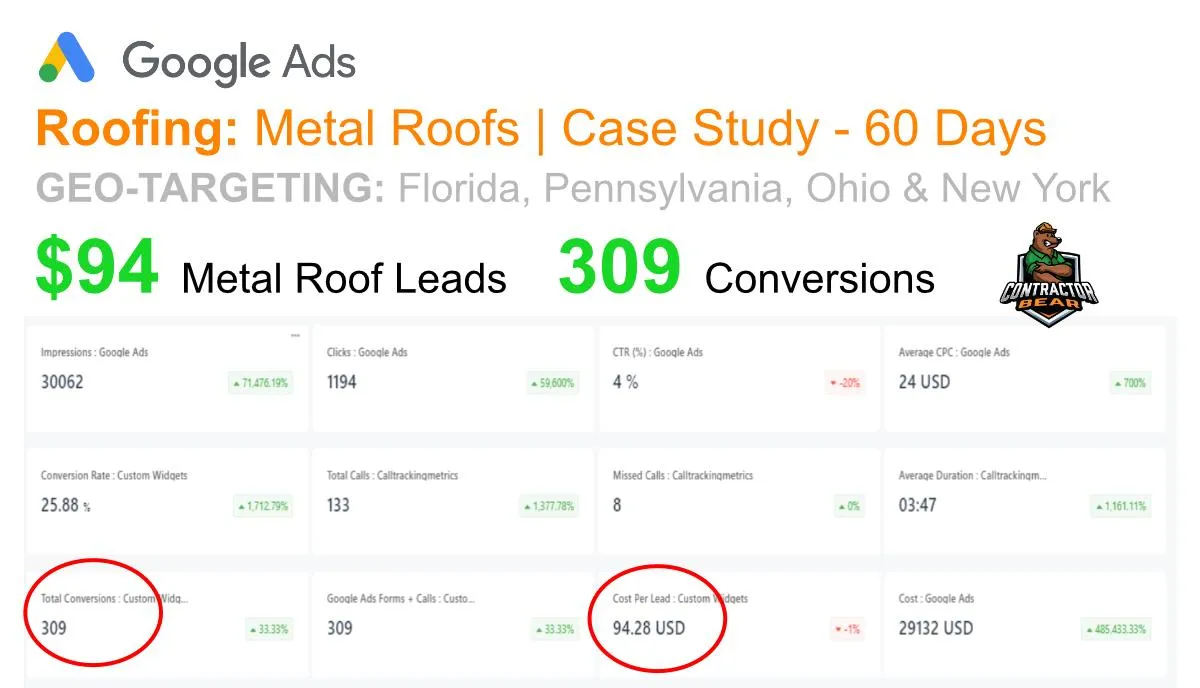
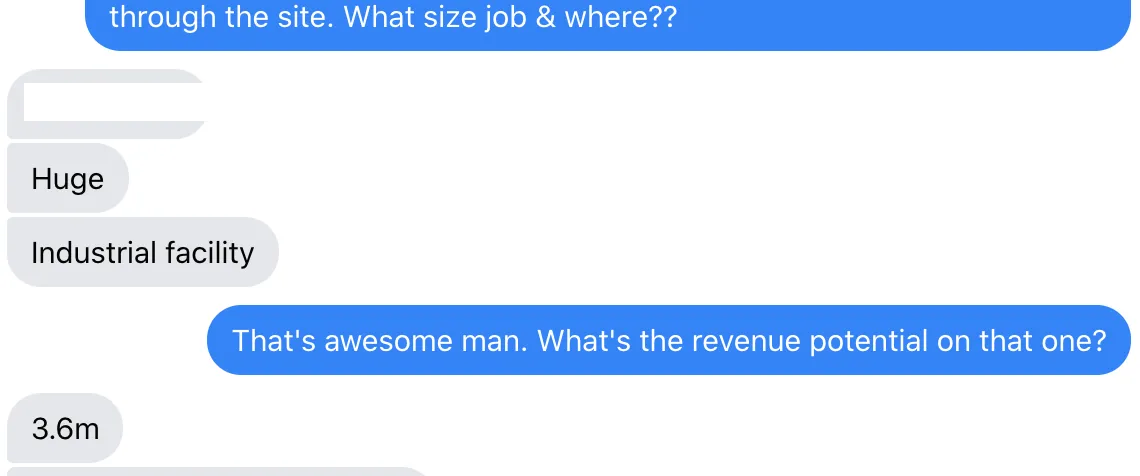
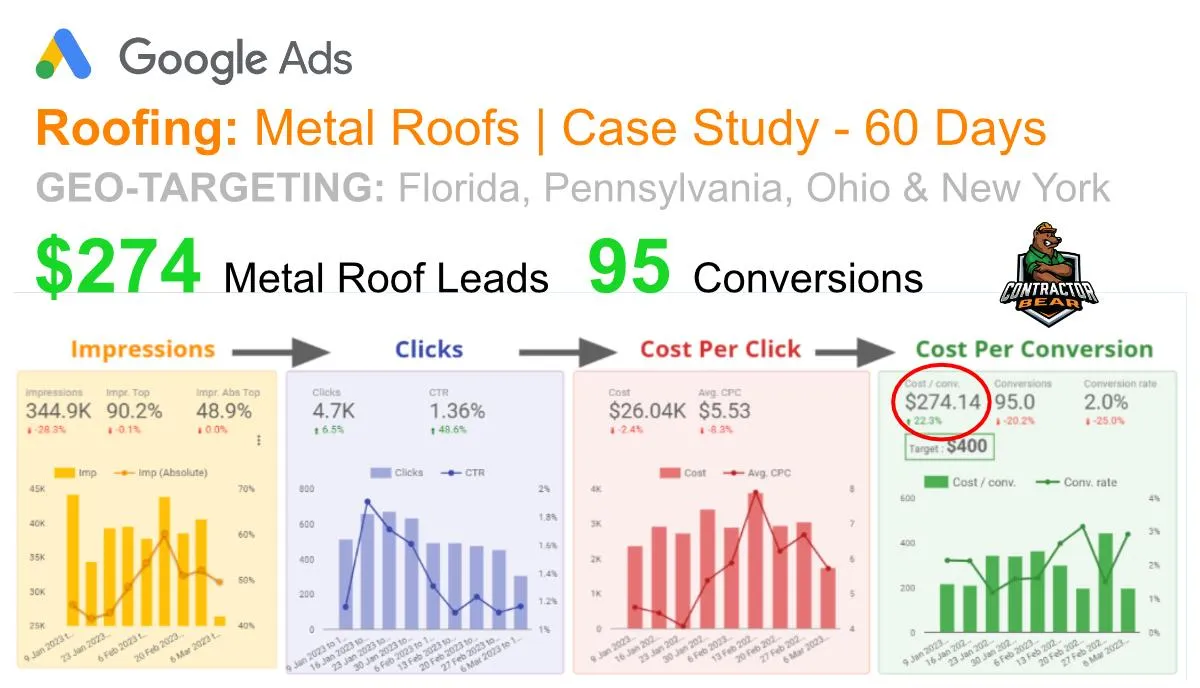
Real Results. Real Contractors.
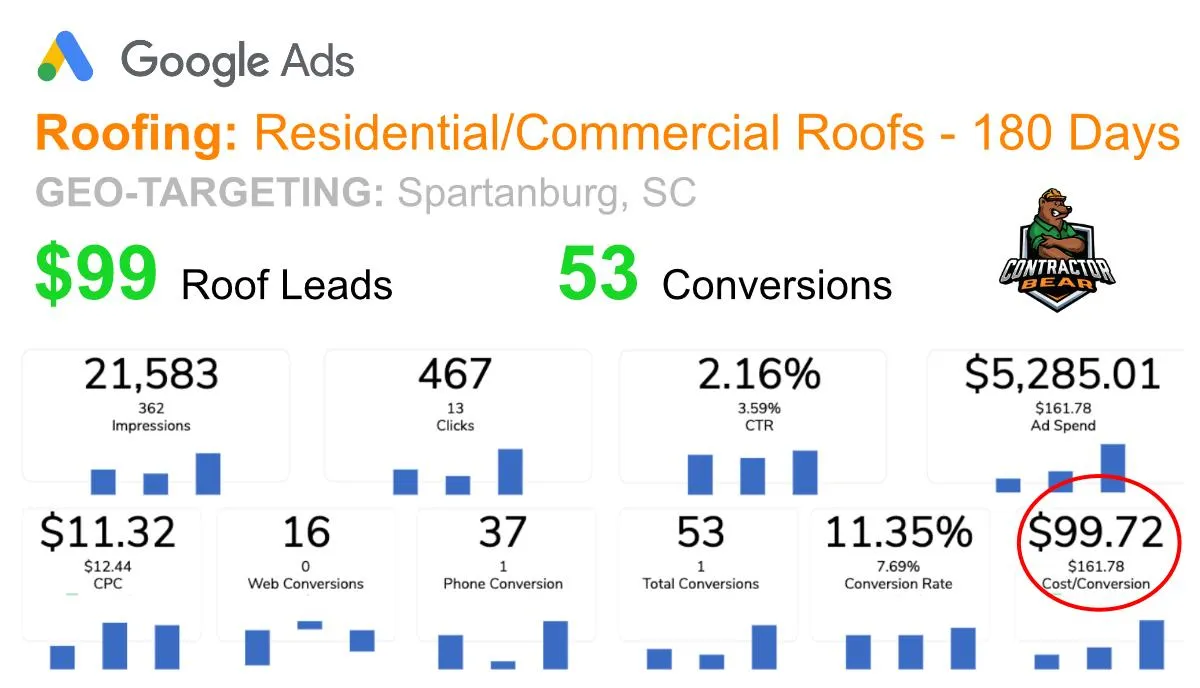
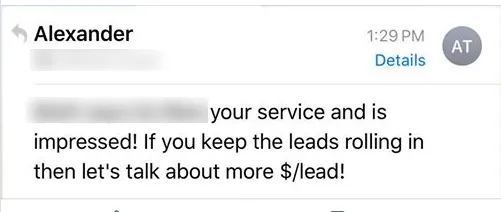
Screenshots from our actual client dashboards and conversations. No stock photos, no fake numbers.


Packages for Minneapolis Heating & Cooling Companies
Free custom website included with every plan. No setup fees, no long-term contracts.

Cub
Start building pipeline
- Google Business Profile optimization
- Local SEO foundation
- Review generation system
- Bring your own website

Black
Your free website tier
- FREE custom website
- ALL Everything in Cub, plus:
- Conversion-optimized site
- Call tracking + Growth Hub CRM

Grizzly
Accelerate your pipeline
- ALL Everything in Black, plus:
- Content marketing & blog
- Advanced review management
- City + service landing pages

Polar
Own your market
- ALL Everything in Grizzly, plus:
- Google Ads management
- Full-funnel lead nurturing
- Dedicated account manager
You only move up when we deliver. Tier upgrades trigger automatically when your attributed-lead count clears each threshold, with phone, email, and text notification before any price change. Attribution is limited to leads generated by our marketing — never your existing customers, referrals, or word-of-mouth.
Heating & Cooling SEO FAQ
How long does it take for HVAC SEO to produce results in Minneapolis?
For most Minneapolis heating and cooling companies starting from scratch, you can expect to see measurable ranking improvements within 3–4 months for lower-competition keywords like suburb-specific terms and long-tail queries. Ranking in the top three map pack positions for competitive terms like 'furnace repair Minneapolis' or 'AC installation Minneapolis' typically takes 8–14 months of consistent optimization. The timeline depends heavily on your starting domain authority, current citation consistency, review volume relative to competitors, and content quality. Companies with an established web presence and existing reviews often see faster results than brand-new domains.
How much should I budget for HVAC SEO in Minneapolis?
Effective HVAC SEO in a competitive market like Minneapolis generally requires a monthly investment of $1,500–$3,500 for a comprehensive program covering on-page optimization, content creation, citation building, review management, and link acquisition. This compares favorably against Google Ads, where Minneapolis HVAC companies typically spend $3,000–$8,000 per month for equivalent lead volume. The key distinction is ROI trajectory: paid ads deliver immediate leads but require continuous spending, while SEO investment builds compounding organic authority that continues generating leads at decreasing marginal cost over time.
What HVAC keywords should I be targeting in Minneapolis?
Your keyword strategy should cover three tiers. Primary high-intent service terms: 'furnace repair Minneapolis,' 'AC installation Minneapolis,' 'heat pump installation Minneapolis,' 'HVAC contractor Minneapolis.' Suburb-specific variations for every community you serve: 'furnace repair Edina,' 'AC repair Plymouth,' etc. — these are lower competition with strong local intent. Long-tail emergency queries: 'furnace not turning on Minneapolis,' 'AC blowing hot air Minneapolis,' 'emergency HVAC repair Minneapolis.' Informational content keywords: 'how to size a furnace Minneapolis,' 'best heat pump for Minnesota winters,' 'Minneapolis energy rebates HVAC.' A complete strategy targets all four tiers simultaneously.
Does my HVAC company need a blog to rank in Minneapolis?
A blog is one of the most effective tools for building HVAC topical authority in Minneapolis, but it only works if the content is genuinely useful and locally relevant — not generic HVAC articles you could find on any contractor website. High-performing content for Minneapolis HVAC includes seasonal guides tied to the local climate ('Winterizing Your Home for a Minneapolis Winter'), equipment comparison posts relevant to Minnesota energy incentives, neighborhood-specific content, and FAQ-format articles addressing the exact questions homeowners type into Google before calling an HVAC company. Two to four high-quality, locally relevant posts per month will meaningfully accelerate ranking improvements compared to optimization alone.
How important are Google reviews for HVAC SEO in Minneapolis?
Reviews are one of the three most significant ranking factors for local map pack placement — alongside proximity and relevance — making them non-negotiable for competitive Minneapolis HVAC SEO. An analysis of top-ranked Minneapolis HVAC map pack results shows the leaders consistently maintain 150–250+ Google reviews with ratings above 4.7 stars. Beyond the ranking signal, most Minneapolis homeowners read reviews before contacting any contractor, meaning your review profile directly impacts conversion rates from organic traffic. We recommend targeting a minimum of 5 new Google reviews per week during peak seasons via automated SMS and email requests sent within 2 hours of job completion.
Heating & Cooling SEO in Nearby Cities
Heating & Cooling SEO in St. Paul →
St. Paul, MN • Pop. 311,527
Heating & Cooling SEO in Rochester →
Rochester, MN • Pop. 123,134
Heating & Cooling SEO in Madison →
Madison, WI • Pop. 272,903
Heating & Cooling SEO in Milwaukee →
Milwaukee, WI • Pop. 577,222
Heating & Cooling SEO in Sioux Falls →
Sioux Falls, SD • Pop. 195,850
Heating & Cooling SEO in Des Moines →
Des Moines, IA • Pop. 214,133
Heating & Cooling Marketing Resources
Scale Your Heating & Cooling Company →
Comprehensive growth guide for heating & cooling businesses.
All Heating & Cooling Services →
See everything we offer for heating & cooling companies.
Google Business Profile Guide for Contractors →
In-depth article to help grow your business.
How to Get More 5-Star Reviews →
Practical strategies you can implement today.
Get a Free Heating & Cooling SEO Audit for Minneapolis
We'll analyze your current rankings, identify your highest-opportunity keywords, and show you exactly how to reach page one for Minneapolis HVAC searches — plus we'll build your free website and have you generating organic leads within 90 days.