Heating & Cooling SEO in Phoenix, AZ
Phoenix homeowners search for HVAC help over 2 million times per year — and organic results capture 53% of all clicks. At $15–40 per lead, SEO delivers the lowest cost-per-acquisition of any channel for heating and cooling companies in the Valley.
By Contractor Bear Team • March 2026
Get Your Free Phoenix Heating & Cooling Audit
See exactly where you're losing leads to your top 3 heating & cooling competitors in Phoenix. No sales call required.
Why SEO Is the #1 Growth Channel for Phoenix HVAC Companies
Top 8 Local SEO Ranking Factors for Heating & Cooling
What actually moves the needle for heating & cooling companies in Phoenix.
Google Business Profile
The Google Map Pack appears above organic results for nearly every Phoenix HVAC search, capturing 44% of all clicks. For emergency searches like 'AC repair Phoenix,' GBP is the first thing a panicked homeowner sees at 10pm in July.
Our approach: We fully build out your GBP with service areas covering all Phoenix metro zip codes, upload geo-tagged photos of your trucks and completed jobs, populate all HVAC service categories, add Q&A content targeting emergency and seasonal queries, and implement a weekly posting cadence with seasonal promotions and tips.
On-Page SEO
Google's crawlers read your page content to determine relevance for HVAC searches in Phoenix. Without proper on-page signals, even a great website won't appear for the high-intent queries that drive leads.
Our approach: We conduct full keyword mapping across all your service lines — AC repair, furnace installation, heat pump services, ductwork, and commercial HVAC — then optimize title tags, H1s, meta descriptions, header structure, and body copy. Every service page targets a primary keyword cluster with LSI variations, ensuring Phoenix and surrounding neighborhoods (Scottsdale, Tempe, Chandler, Gilbert) are naturally integrated.
Reviews & Ratings
Most Phoenix consumers read reviews before hiring an HVAC contractor. Reviews directly impact GBP Map Pack rankings and serve as the primary trust signal that converts a searcher into a caller.
Our approach: We implement automated post-service review request sequences via SMS and email, train your team on timing requests (best sent within 2 hours of job completion), create a reputation monitoring dashboard, and build a response framework for both positive and negative reviews that signals engagement to Google's algorithm.
Local Citations
Consistent NAP (Name, Address, Phone) data across directories signals legitimacy to Google and reinforces your Phoenix service area. Inconsistent citations across Yelp, Angi, HomeAdvisor, and industry directories actively suppress rankings.
Our approach: We audit and correct all existing citations, then build authoritative new listings across 50+ relevant directories including ACCA member directories, Arizona Registrar of Contractors, and local Phoenix Chamber listings. Every citation is verified for exact NAP consistency and monitored quarterly.
Mobile Experience
Over 70% of emergency HVAC searches in Phoenix happen on mobile devices — often while a homeowner stands in a sweltering house waiting for someone to answer. A slow or clunky mobile experience kills conversions and signals poor quality to Google.
Our approach: We audit Core Web Vitals (LCP, FID, CLS), compress images, implement lazy loading, ensure tap targets are properly sized, and guarantee your click-to-call button is above the fold on every mobile screen size. Target load time: under 2.5 seconds on a 4G connection.
Content Quality
Google's Helpful Content system rewards HVAC sites that genuinely answer homeowner questions versus thin pages that just list services. Authoritative content also captures long-tail searches like 'why is my AC freezing up in Phoenix summer' that have zero ad competition.
Our approach: We build a content hub with dedicated service pages, Phoenix-specific HVAC guides (extreme heat considerations, monsoon season prep, energy efficiency for Arizona climates), seasonal blog content, and FAQ sections targeting the exact questions Phoenix homeowners type into Google. All content is written by HVAC-knowledgeable copywriters, not generic AI spin.
Backlinks
Inbound links from authoritative local and industry sources act as votes of confidence to Google, directly influencing your domain authority and ranking potential for competitive HVAC searches in Phoenix.
Our approach: We execute a localized link-building strategy targeting Phoenix business associations, Arizona contractor trade publications, local news outlets covering home improvement, neighborhood blogs in Scottsdale and Mesa, and manufacturer partner pages (Carrier, Trane, Lennox dealers often get backlinks from brand sites). We also pursue HVAC industry directories and certifications like NATE, which carry authoritative backlinks.
Technical SEO
Technical issues — slow page speed, crawl errors, duplicate content, missing schema markup — act as a ceiling on your rankings regardless of how good your content is. Google can't rank what it can't properly crawl and index.
Our approach: We conduct a full technical audit covering XML sitemap structure, robots.txt configuration, canonical tags, structured data markup (LocalBusiness and HVAC service schema), page speed optimization, HTTPS security, and crawl budget allocation. We implement LocalBusiness JSON-LD schema that explicitly signals your Phoenix service area and all HVAC service categories to Google's knowledge graph.
SEO vs Paid Ads for Heating & Cooling Companies
| Factor | SEO | Google Ads | Facebook Ads |
|---|---|---|---|
| Cost Per Lead | $15-40 | $45-150 | $25-80 |
| Close Rate | 20-25% | 8-12% | 5-8% |
| Time to Results | 3-6 months | Immediate | 1-2 weeks |
| Long-term Value | Compounds over time | Stops when you stop paying | Stops when you stop paying |
| Trust Level | High (earned placement) | Medium (paid label) | Low (interruptive) |
| Lead Quality | High intent | High intent | Lower intent |
Step-by-Step Local SEO for Phoenix HVAC Companies
Claim & Optimize Your Google Business Profile
Your GBP is the single highest-leverage asset for Phoenix HVAC SEO. Start by claiming or verifying ownership, then build out every section completely. Add all service categories Google offers for HVAC — don't just select 'HVAC contractor,' also add 'Air conditioning repair service,' 'Furnace repair service,' and 'Heating contractor.' Upload at minimum 25 photos: branded trucks, before/after duct work, team photos, and completed installations. Set your service area to cover all Phoenix metro zip codes you serve. Add your complete service list with descriptions, pricing where possible, and enable messaging. Post weekly updates highlighting seasonal promotions like summer AC tune-up specials or pre-winter furnace checks.
Build Local Citations Across Key Directories
Citations are online mentions of your business name, address, and phone number (NAP). For Phoenix HVAC companies, priority directories include Yelp, Angi, HomeAdvisor, Thumbtack, Houzz, the Better Business Bureau, and the Arizona Registrar of Contractors directory — which carries particular trust for Phoenix homeowners because it verifies licensing. Industry-specific directories like ACCA's contractor locator and manufacturer dealer pages (if you're a Carrier or Trane authorized dealer) are high-value targets. Every listing must use identical NAP formatting. Even small discrepancies — 'Ave' vs 'Avenue,' different phone numbers — create ranking friction Google interprets as ambiguity about your business's legitimacy.
On-Page Optimization for Every Service
Each HVAC service you offer deserves its own dedicated, optimized page — not a bullet point buried on a generic services page. Your AC repair page should target 'AC repair Phoenix' and related variants; your heat pump page targets 'heat pump installation Phoenix AZ.' Each page needs a keyword-rich title tag under 60 characters, a compelling meta description under 155 characters, a single H1 matching search intent, structured subheadings (H2/H3) covering common questions, and 600–1,000 words of genuinely useful content. Include your Phoenix service area and nearby neighborhoods (Scottsdale, Tempe, Mesa, Glendale, Chandler) naturally within the copy. Add LocalBusiness and Service schema markup to every page to help Google understand your geographic relevance.
Generate a Consistent Stream of Reviews
Reviews are the currency of Phoenix HVAC trust. With most homeowners reading reviews before hiring, and Google using review quantity, recency, and sentiment as direct ranking signals, your review strategy needs to be systematic — not occasional. The highest-converting moment to request a review is within two hours of job completion, when satisfaction is peak. Send an SMS with a direct link to your Google review page (not a landing page, a direct link). Train every technician to verbally mention the review request before leaving. Aim for a minimum of five new Google reviews per month. Respond to every review — positive and negative — within 48 hours. Responses signal active management to Google and demonstrate responsiveness to prospective customers.
Create Phoenix-Specific Local Content
Generic HVAC content ranks poorly and fails to resonate with Phoenix homeowners facing genuinely unique conditions. Phoenix's extreme heat — regularly exceeding 115°F — puts unique stress on AC systems, creates distinct failure patterns, and drives search behavior that's specific to the Valley. Create content addressing Phoenix-specific topics: preparing your AC for monsoon season, why Phoenix AC units fail more often than national averages, sizing considerations for extreme desert heat, energy efficiency programs through APS and SRP, and neighborhood-specific guides for older housing stock in central Phoenix vs newer construction in Queen Creek. This hyper-local content earns links, builds authority, and captures long-tail searches your competitors aren't targeting.
Build Quality Backlinks from Local Sources
Link building for Phoenix HVAC requires a localized strategy. Start with the lowest-friction opportunities: ensure you're listed and linked on the Arizona Registrar of Contractors site, your manufacturer's dealer locator (Carrier, Lennox, Trane, and others link to authorized dealers), and any trade associations you belong to like ACCA or PHCC Arizona chapters. Then pursue editorial links by contributing HVAC expertise to Phoenix-area home improvement blogs, local news outlets covering summer heat preparedness stories, and neighborhood community sites like Nextdoor's local business section. Sponsor a local Phoenix little league team or community event and get a backlink from the organization's website. Each quality local link elevates your domain authority and signals Phoenix-area relevance to Google.
Phoenix Heating & Cooling SEO Landscape
5 SEO Mistakes Heating & Cooling Companies Make
Ignoring the Google Map Pack
Many Phoenix HVAC companies pour budget into their website while neglecting their Google Business Profile — the single most visible real estate in local search. For emergency queries like 'AC repair Phoenix open now,' the Map Pack appears before every organic result and captures nearly half of all clicks. An under-optimized GBP with few photos, missing services, and sparse reviews is invisible in the Pack regardless of how good the website is.
Fix: Treat your GBP as a primary website. Fully populate every field, upload 25+ geo-tagged photos, enable messaging, post weekly updates, and implement a systematic review generation process targeting 5+ new Google reviews monthly.
One Generic 'Services' Page Instead of Individual Service Pages
Lumping AC repair, furnace installation, heat pump services, and ductwork onto a single page forces Google to guess which service you're most relevant for — and it usually ranks you for none of them. Phoenix homeowners searching for 'heat pump installation Phoenix' need a dedicated page that matches their exact intent. A generic services page dilutes your relevance signal across every keyword you care about.
Fix: Create a dedicated, fully optimized page for every service you offer: AC repair, AC installation, furnace repair, furnace installation, heat pump services, ductwork, indoor air quality, and commercial HVAC. Each page should have 600+ words, a keyword-optimized title tag, and unique meta description.
Inconsistent NAP Data Across Directories
If your business is listed as 'Desert Air HVAC' on your website, 'Desert Air Heating & Cooling' on Yelp, and 'Desert Air' on Angi — with a different suite number on each — Google treats these as potentially different businesses. This NAP inconsistency suppresses local rankings because it signals ambiguity about your business's legitimacy and location. It's an invisible ranking killer that affects many Phoenix HVAC companies that have accumulated listings across multiple directories over the years.
Fix: Conduct a full citation audit using a tool like BrightLocal or Whitespark. Identify every directory listing and standardize your NAP to an exact canonical format. Correct every discrepancy and monitor quarterly, especially after any address or phone number changes.
Publishing Seasonal Content After Peak Season
Phoenix HVAC companies routinely publish 'prepare your AC for summer' content in July, when the season is already at full peak and the content ranking window has passed. Google takes weeks to crawl, index, and establish rankings for new content. Publishing summer content in June means missing the June surge. The same mistake happens with furnace content published in December instead of October.
Fix: Publish seasonal content 60–90 days before peak demand. Summer AC preparation content should be live by April. Furnace and heating content should publish in September. This gives Google time to index and rank the content before the search volume surge arrives.
No Review Response Strategy
Phoenix HVAC companies that earn reviews but never respond are leaving a significant ranking and conversion signal on the table. Google's algorithm treats review responses as an engagement signal. More critically, most prospective customers read reviews, and a negative review with no response is far more damaging to conversion than a negative review with a professional, solution-focused response. Silence reads as indifference to potential customers.
Fix: Implement a 48-hour response SLA for all reviews. For positive reviews, thank the customer by name and reference a specific detail from the job. For negative reviews, acknowledge the concern, apologize without admission of fault, and invite the customer to contact you directly to resolve the issue. Never argue publicly.
Real Results: Heating & Cooling SEO Case Study
Heating & Cooling company in Scottsdale, Arizona
Before
After
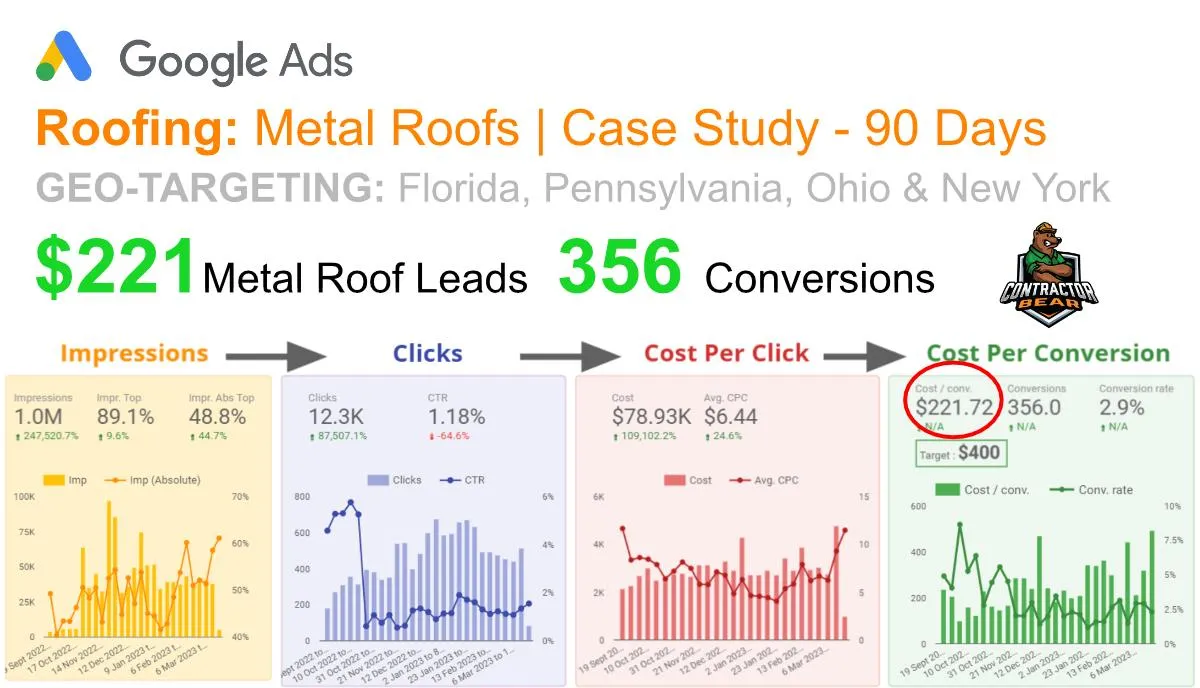
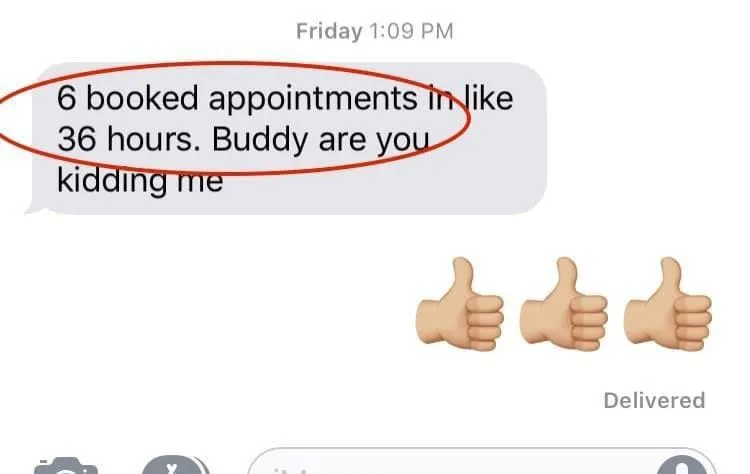
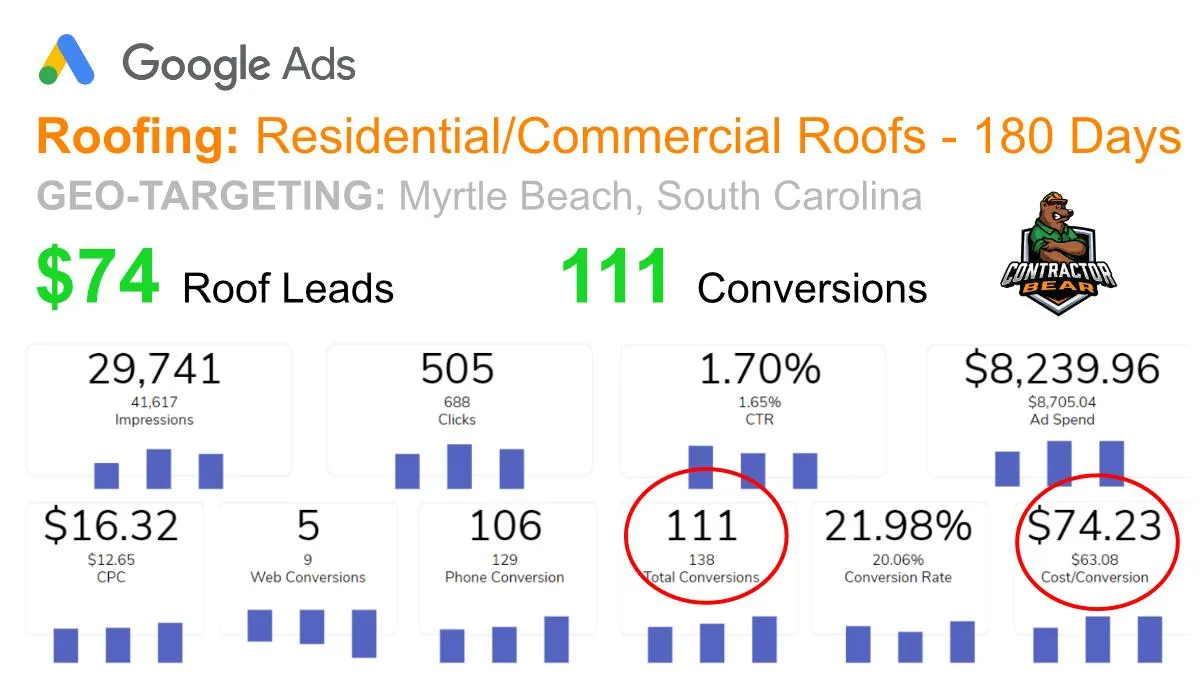
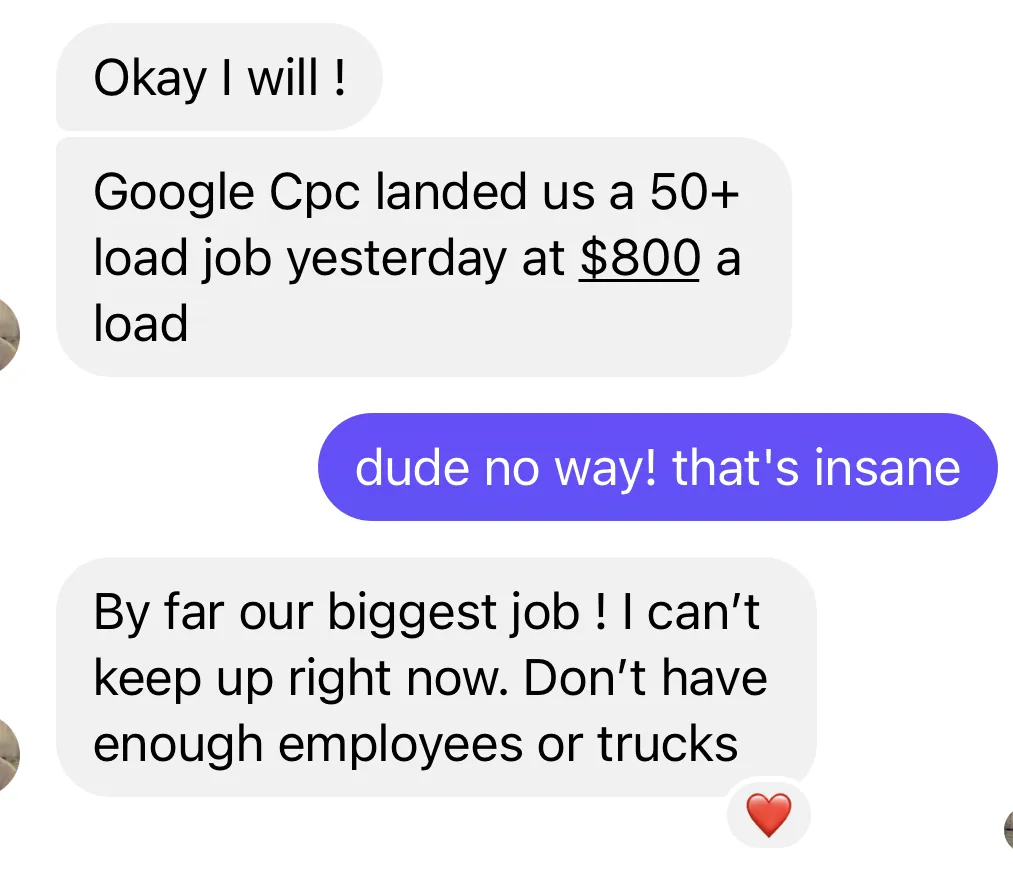
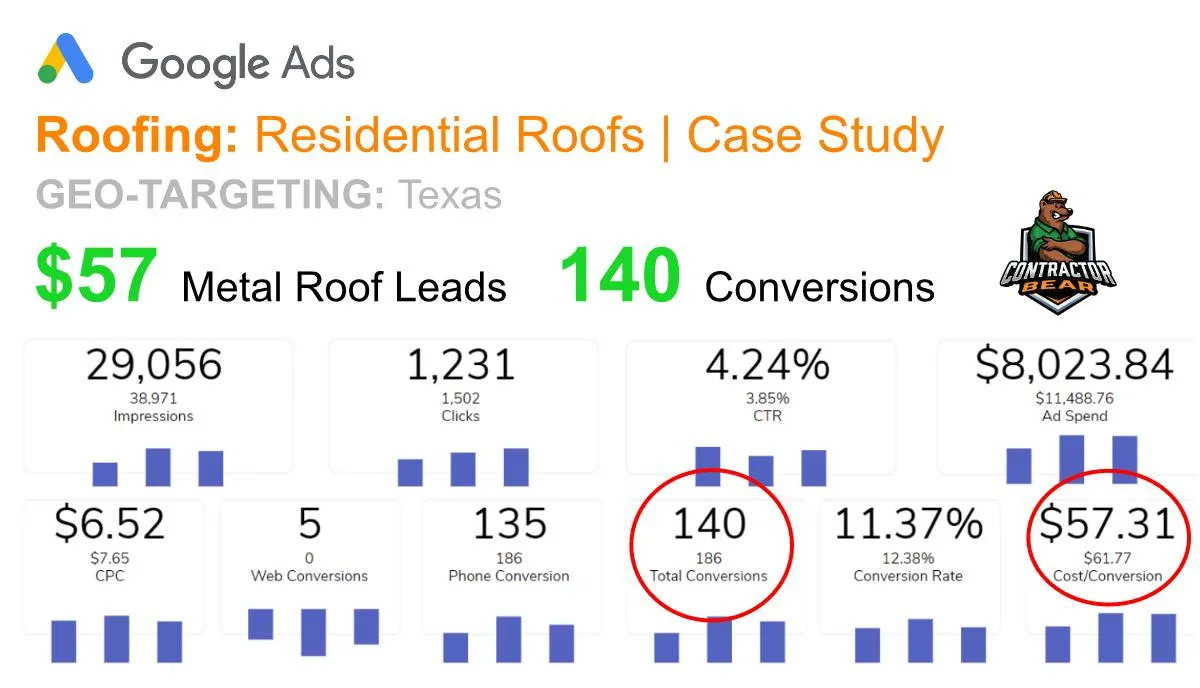
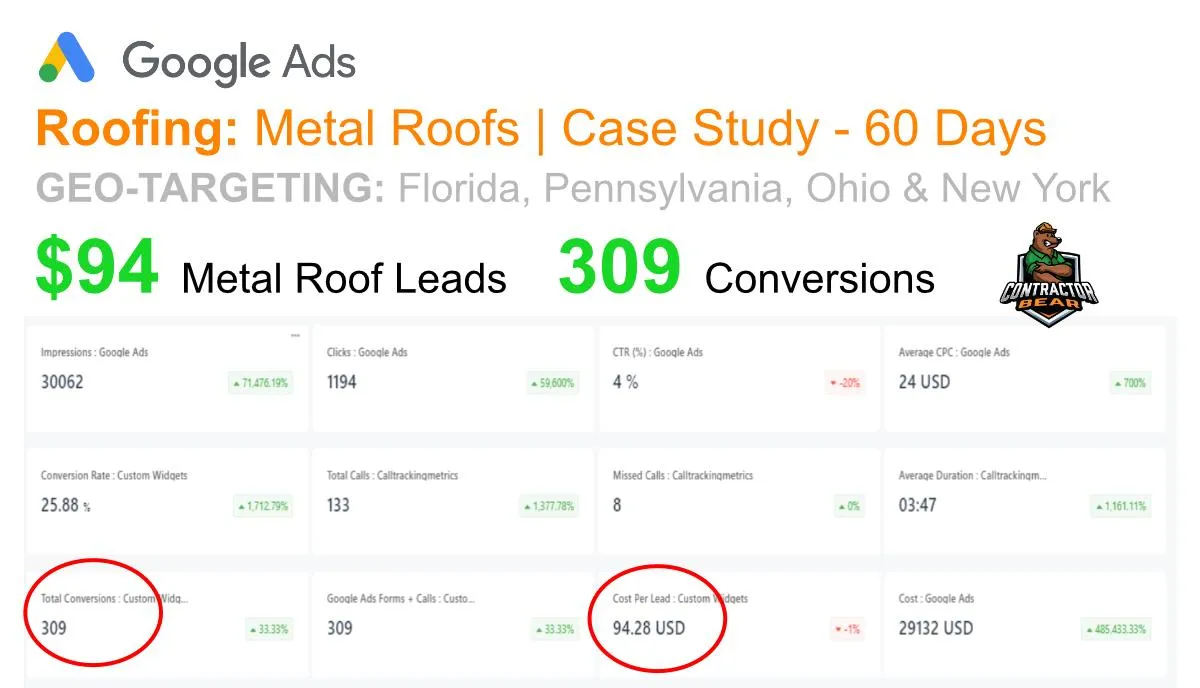
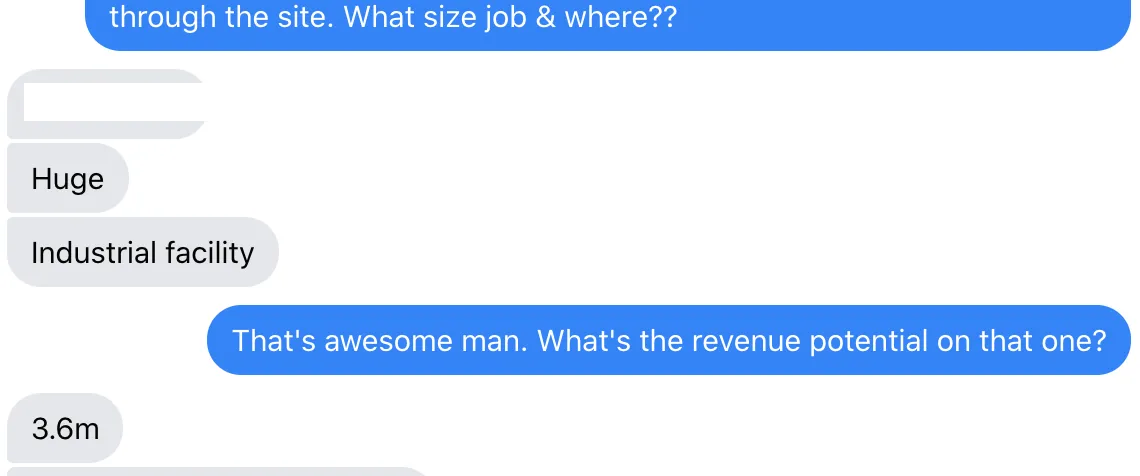
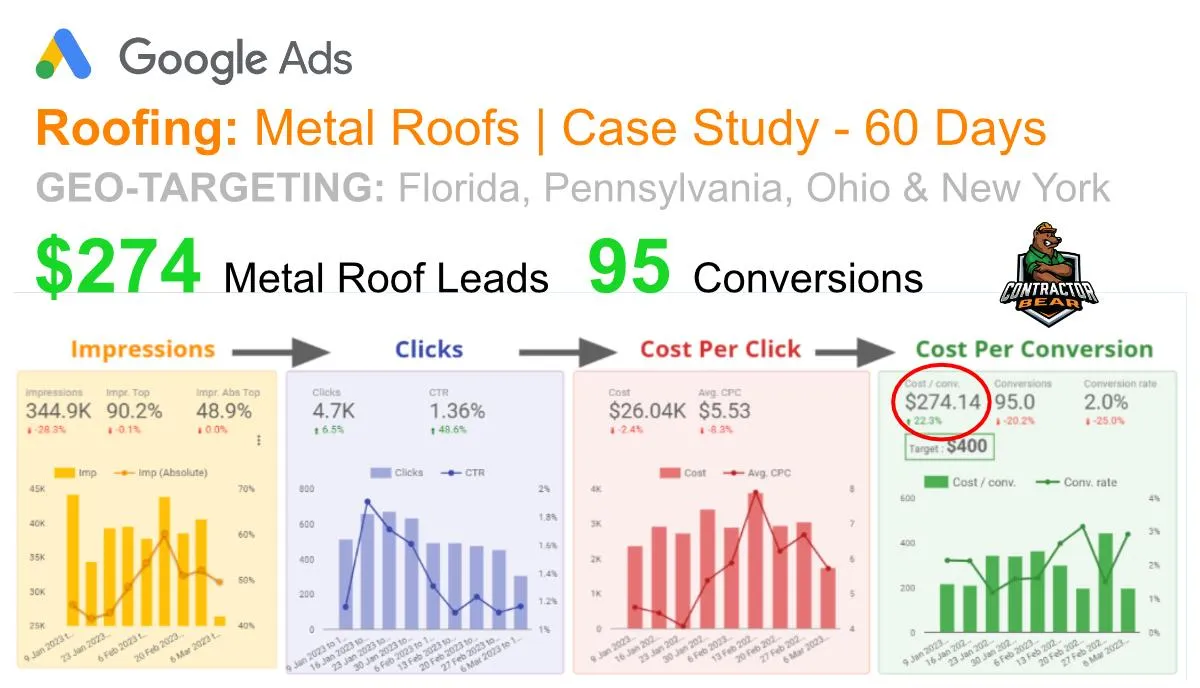
Real Results. Real Contractors.
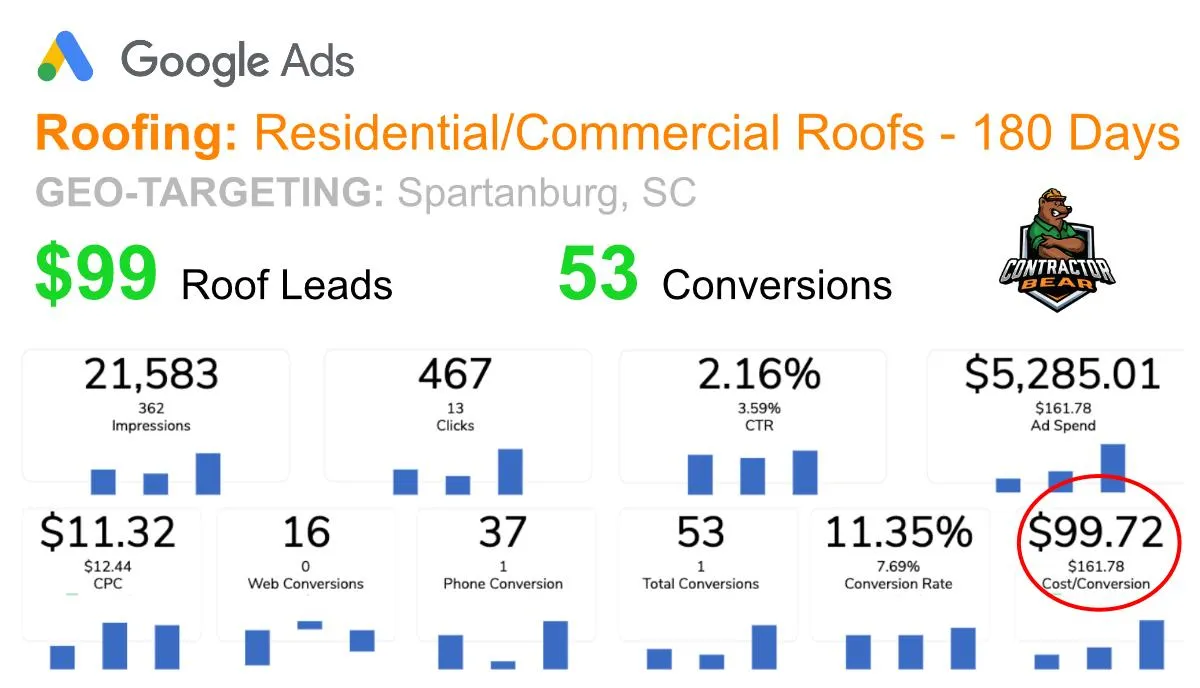
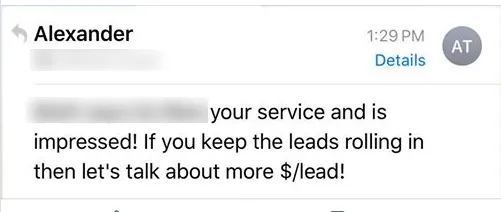
Screenshots from our actual client dashboards and conversations. No stock photos, no fake numbers.


Packages for Phoenix Heating & Cooling Companies
Free custom website included with every plan. No setup fees, no long-term contracts.

Cub
Start building pipeline
- Google Business Profile optimization
- Local SEO foundation
- Review generation system
- Bring your own website

Black
Your free website tier
- FREE custom website
- ALL Everything in Cub, plus:
- Conversion-optimized site
- Call tracking + Growth Hub CRM

Grizzly
Accelerate your pipeline
- ALL Everything in Black, plus:
- Content marketing & blog
- Advanced review management
- City + service landing pages

Polar
Own your market
- ALL Everything in Grizzly, plus:
- Google Ads management
- Full-funnel lead nurturing
- Dedicated account manager
You only move up when we deliver. Tier upgrades trigger automatically when your attributed-lead count clears each threshold, with phone, email, and text notification before any price change. Attribution is limited to leads generated by our marketing — never your existing customers, referrals, or word-of-mouth.
Heating & Cooling SEO FAQ
How long does it take for HVAC SEO to produce leads in Phoenix?
Most Phoenix heating and cooling companies begin seeing measurable organic traffic increases within 3–4 months of starting a properly executed SEO campaign. Significant lead flow from organic search typically develops between months 4–6. The timeline depends on your starting point: a brand-new domain with zero history will take longer than an established site that just needs optimization. Google Business Profile improvements tend to produce faster results — 4–8 weeks for Map Pack improvements — because GBP rankings are more directly tied to review velocity and profile completeness than the slower domain authority signals that govern organic rankings.
How much does HVAC SEO cost compared to Google Ads in Phoenix?
Google Ads for HVAC in Phoenix typically runs $45–150 per lead, with a 10% close rate translating to $450–1,500 per acquired customer. SEO-generated leads cost $15–40 per lead and close at 20–25%, putting your cost per acquired customer at $60–200. The critical distinction is scalability: your SEO investment builds cumulative authority that keeps generating leads indefinitely, while ad spend produces leads only as long as you're paying. Over 12–24 months, a properly managed SEO program delivers significantly lower total cost of acquisition than sustained PPC spend — with improving returns over time rather than flat or rising costs.
Do I need a different SEO strategy for AC repair vs furnace installation in Phoenix?
Yes — and this distinction is crucial. AC repair is a high-frequency, emergency-driven service with peak demand June through August. Searches are urgent, decisions are fast, and proximity matters enormously. Furnace installation in Phoenix is lower-frequency but higher-ticket, with a longer consideration cycle and more price comparison behavior. Your SEO strategy should reflect this: AC repair pages should emphasize emergency availability, response time, and proximity signals. Furnace installation pages should address total cost of ownership, equipment brands, and energy efficiency. Each service also has distinct seasonal content windows, requiring a year-round publishing calendar rather than a single unified strategy.
What HVAC keywords should I be targeting in Phoenix?
Priority keywords fall into three categories. Emergency/transactional: 'AC repair Phoenix,' 'air conditioning repair near me,' 'emergency HVAC Phoenix.' Service + location: 'AC installation Phoenix AZ,' 'heat pump installation Scottsdale,' 'furnace replacement Chandler.' Informational/long-tail: 'why is my AC not cooling Phoenix,' 'best HVAC company Phoenix reviews,' 'how much does AC replacement cost Phoenix.' The informational queries are often overlooked but drive significant traffic with minimal competition. They also attract homeowners in the early consideration phase — before they've decided who to call — giving you the opportunity to establish trust before the buying moment.
How important are reviews for HVAC SEO rankings in Phoenix?
Reviews are one of the three most important ranking factors for Google Map Pack placement, alongside GBP optimization and proximity. For Phoenix HVAC companies, where most consumers read reviews before hiring and the Map Pack dominates search result pages, reviews are effectively a direct revenue driver. Google weighs review quantity, recency, rating, and the presence of keyword-rich content within reviews. A company with 200 reviews averaging 4.7 stars and recent review velocity will consistently outrank a competitor with 40 reviews averaging 4.9 stars. Aim for a minimum of 5 new reviews per month and ensure your response rate stays above 90%.
Heating & Cooling SEO in Nearby Cities
Heating & Cooling SEO in Mesa →
Mesa, AZ • Pop. 511,648
Heating & Cooling SEO in Chandler →
Chandler, AZ • Pop. 280,335
Heating & Cooling SEO in Scottsdale →
Scottsdale, AZ • Pop. 250,602
Heating & Cooling SEO in Tempe →
Tempe, AZ • Pop. 185,038
Heating & Cooling SEO in Glendale →
Glendale, AZ • Pop. 252,381
Heating & Cooling SEO in Gilbert →
Gilbert, AZ • Pop. 275,411
Heating & Cooling Marketing Resources
Scale Your Heating & Cooling Company →
Comprehensive growth guide for heating & cooling businesses.
All Heating & Cooling Services →
See everything we offer for heating & cooling companies.
Google Business Profile Guide for Contractors →
In-depth article to help grow your business.
How to Get More 5-Star Reviews →
Practical strategies you can implement today.
Get a Free Heating & Cooling SEO Audit for Phoenix
We'll analyze your current rankings, identify the gaps costing you leads, and show you exactly how to reach page one — plus your free website is ready to launch within 30 days.