Heating & Cooling SEO in San Francisco, CA
For San Francisco HVAC companies, organic search delivers leads at $15–40 cost per lead — up to 75% cheaper than Google Ads — with a 20%+ close rate driven by high purchase intent. In a city where most homeowners search online before calling a contractor, ranking on page one isn't optional; it's the difference between a full dispatch board and an idle fleet.
By Contractor Bear Team • March 2026
Get Your Free San Francisco Heating & Cooling Audit
See exactly where you're losing leads to your top 3 heating & cooling competitors in San Francisco. No sales call required.
Why SEO Is the #1 Growth Channel for San Francisco HVAC Companies
Top 8 Local SEO Ranking Factors for Heating & Cooling
What actually moves the needle for heating & cooling companies in San Francisco.
Google Business Profile
GBP is the primary ranking signal for San Francisco's local HVAC Map Pack. Homeowners searching 'AC repair San Francisco' see the 3-pack before any organic results — and 75% only call businesses in that pack. An incomplete or unoptimized GBP profile means you're invisible to the majority of ready-to-buy customers.
Our approach: We fully build out your GBP with all HVAC service categories, San Francisco service area boundaries, seasonal hours, photo uploads of your team and trucks, weekly posts, Q&A responses, and direct review request workflows to drive consistent fresh ratings. We also ensure NAP (Name, Address, Phone) consistency across every data source.
On-Page SEO
Google needs to understand exactly what you offer and where you serve before ranking your pages. For heating and cooling companies, this means clearly structured pages targeting service+neighborhood combinations — not just 'HVAC San Francisco' but 'furnace repair Noe Valley' and 'AC installation Richmond District.'
Our approach: We optimize title tags, meta descriptions, H1/H2 structures, and body content for your priority HVAC keywords. We implement schema markup for LocalBusiness and Service types, build location-specific service pages for San Francisco neighborhoods, and ensure keyword placement follows Google's natural language processing expectations — never keyword stuffing.
Reviews & Ratings
Most San Francisco consumers read reviews before contacting an HVAC contractor. Beyond consumer trust, Google uses review velocity, recency, rating, and response rate as direct Map Pack ranking signals. A company with 200 reviews at 4.8 stars consistently outranks competitors with 30 reviews at 4.9 stars.
Our approach: We build automated post-job review request sequences via SMS and email, train your technicians on the in-person ask, and implement a response management system so every review — positive or negative — gets a timely, professional reply. We target a minimum 2–3 new reviews per week to maintain velocity signals.
Local Citations
Citations are mentions of your business name, address, and phone number across the web — directories, data aggregators, and industry sites. Google cross-references these to validate your business is legitimate and correctly located in San Francisco. Inconsistent citations (wrong address, outdated phone number) suppress rankings.
Our approach: We audit and correct your existing citations across all major data aggregators (Neustar, Acxiom, Foursquare) and directories (Yelp, Angi, HomeAdvisor, Houzz, BBB). We then build new citations on HVAC-specific platforms and local San Francisco business directories to expand your citation footprint and authority.
Mobile Experience
The majority of emergency HVAC searches in San Francisco happen on mobile — someone's AC fails during a heat wave and they're searching from their phone within minutes. Google uses mobile experience as a core ranking factor via Core Web Vitals. A slow or hard-to-navigate mobile site loses both rankings and conversions.
Our approach: We ensure your site passes Google's Core Web Vitals benchmarks: LCP under 2.5 seconds, CLS under 0.1, INP under 200ms. We implement click-to-call buttons prominently, compress images, enable browser caching, and test the full mobile user journey from search result to contact form submission.
Content Quality
Google's Helpful Content system rewards HVAC websites that demonstrate genuine expertise and answer real questions homeowners have. Thin, generic content gets filtered out of results. For a market as educated as San Francisco — where homeowners ask about heat pump efficiency ratings and HVAC zoning for Victorian-era homes — shallow content simply doesn't rank.
Our approach: We create long-form, technically accurate service pages (1,500+ words) covering the full context of each HVAC service: what the job involves, what it costs in San Francisco, how long it takes, and what to look for in a contractor. We build seasonal content calendars timed to Bay Area demand patterns and develop FAQ content targeting voice search queries.
Backlinks
Backlinks from authoritative, relevant websites signal to Google that your HVAC business is credible and worth ranking. In San Francisco's competitive market, a strong backlink profile is often the tiebreaker between well-optimized competitors. Links from local news sites, real estate blogs, and home services platforms carry the most weight.
Our approach: We pursue ethical link building through San Francisco-specific outreach: local home improvement publications, Bay Area real estate associations, neighborhood blogs, and chamber of commerce listings. We also create link-worthy assets — energy efficiency guides, SF rebate explainers, seasonal maintenance checklists — that naturally attract links.
Technical SEO
If Google's crawlers can't efficiently access and index your HVAC website, none of your content or optimization efforts matter. Technical issues like slow server response, crawl errors, duplicate content, missing sitemaps, or broken internal links silently suppress your rankings without any obvious symptoms.
Our approach: We conduct a full technical audit covering crawlability, indexation, site architecture, XML sitemap accuracy, robots.txt configuration, canonical tags, structured data validity, and HTTPS security. We set up Google Search Console monitoring and alert systems to catch and resolve technical issues before they impact rankings.
SEO vs Paid Ads for Heating & Cooling Companies
| Factor | SEO | Google Ads | Facebook Ads |
|---|---|---|---|
| Cost Per Lead | $15-40 | $45-150 | $25-80 |
| Close Rate | 20-25% | 8-12% | 5-8% |
| Time to Results | 3-6 months | Immediate | 1-2 weeks |
| Long-term Value | Compounds over time | Stops when you stop paying | Stops when you stop paying |
| Trust Level | High (earned placement) | Medium (paid label) | Low (interruptive) |
| Lead Quality | High intent | High intent | Lower intent |
Step-by-Step Local SEO for San Francisco HVAC Companies
Claim & Optimize Your Google Business Profile
Your GBP listing is the foundation of all local SEO in San Francisco. Start by claiming and verifying your profile at business.google.com, then select every applicable HVAC primary and secondary category — 'HVAC Contractor,' 'Air Conditioning Contractor,' 'Heating Contractor,' and 'Furnace Repair Service' are the core four. Fill every section: business description with your San Francisco service area and key services, business hours including 24/7 emergency availability, service menu with individual entries for AC repair, furnace installation, heat pump services, and ductwork. Upload 20+ high-quality photos of your team, branded trucks, and completed jobs. Set up Google Messaging and enable bookings. Post weekly updates timed to seasonal demand peaks — summer AC tune-up specials before June, furnace check reminders in September.
Build Local Citations Across SF-Relevant Platforms
Citations establish your HVAC business's legitimacy in San Francisco's local search ecosystem. Begin with the four major data aggregators that feed hundreds of downstream directories: Data Axle, Neustar Localeze, Foursquare, and Acxiom. Then build citations on key HVAC and home services platforms: Angi, HomeAdvisor, Thumbtack, Houzz, Yelp, and the BBB. Add San Francisco-specific directories: the SF Chamber of Commerce, Bay Area-focused home improvement directories, and neighborhood-level business listings for areas like the Mission, Richmond District, and Sunset. Most critically, ensure your business name, address, and phone number are byte-for-byte identical across every listing — even minor variations ('St.' vs 'Street') confuse Google's validation algorithms and suppress rankings.
Optimize Your Website's On-Page Signals
Every page on your HVAC website needs to communicate clearly to Google what you do and where you do it. Start with your homepage: include 'San Francisco' and your primary HVAC services in your H1, title tag, and first paragraph. Build individual service pages for each offering — AC repair, furnace installation, heat pump services, ductwork, commercial HVAC — each optimized for its own keyword cluster. Add a dedicated service area page listing the San Francisco neighborhoods you cover: Noe Valley, Pacific Heights, the Sunset, SOMA, and so on. Embed Google Maps. Add LocalBusiness schema markup with your NAP, service types, and operating hours. Every page should include a prominent click-to-call button and lead capture form above the fold.
Generate a Steady Stream of 5-Star Reviews
With most San Francisco consumers reading reviews before choosing an HVAC contractor, review generation is non-negotiable. Build a systematic process, not an occasional ask: send an automated SMS with your Google review link 2–4 hours after every job completion while the positive experience is fresh. Train technicians to make the in-person ask during the invoice sign-off. Respond to every review within 24–48 hours — Google rewards businesses that engage with reviewers, and prospective customers read your responses as carefully as the reviews themselves. For negative reviews, respond professionally and offer to resolve offline. Aim for a minimum of two new reviews per week to maintain the review velocity that Google's algorithm rewards. Target a portfolio-wide rating above 4.7 stars.
Create Locally Relevant HVAC Content
San Francisco's unique climate and housing stock create content opportunities that set authoritative HVAC companies apart. Publish guides specific to the Bay Area context: 'Why San Francisco Homes Need Heat Pumps More Than Furnaces,' 'HVAC Efficiency Rebates Available in San Francisco in 2025,' 'How to Maintain Your HVAC System in a Fog-Heavy Climate,' and 'Victorian and Edwardian Home Ductwork Challenges in SF.' Write neighborhood-specific pages for your top service areas — a page targeting 'HVAC repair Sunset District San Francisco' captures hyper-local searches that competition-heavy city-wide terms don't. Build a seasonal content calendar: publish AC maintenance content in April before summer heat waves, furnace content in September before winter demand. Content that genuinely answers real customer questions earns rankings and trust simultaneously.
Build Quality Backlinks from SF-Relevant Sources
Backlinks from trusted San Francisco websites are one of the strongest ranking signals in a competitive local market. Focus on relevance over volume: a link from the San Francisco Chronicle's home improvement section is worth more than 50 links from generic directories. Pursue placements in Bay Area real estate blogs and agent websites — agents recommend HVAC contractors constantly and often maintain resource pages. Get listed on the San Francisco Apartment Association's vendor directory and the Building Owners and Managers Association of San Francisco. Reach out to local neighborhood blogs covering areas like Noe Valley, Hayes Valley, and the Richmond. Create genuinely useful resources — a San Francisco HVAC rebate guide or a heat pump sizing calculator for Bay Area climates — that earn natural links from local homeowner communities and forums.
San Francisco Heating & Cooling SEO Landscape
5 SEO Mistakes Heating & Cooling Companies Make
Targeting Only City-Wide Keywords
Most San Francisco HVAC companies fight over 'HVAC San Francisco' and 'air conditioning repair San Francisco' — terms so competitive that a new entrant can spend 12+ months and thousands of dollars without cracking the first page. Meanwhile, neighborhood-level searches ('heat pump installation Noe Valley,' 'furnace repair Richmond District') convert at equal rates with a fraction of the competition.
Fix: Build a keyword strategy that layers city-wide terms with 15–20 neighborhood-specific pages. Rank for the long tail first, use that traffic and authority to build momentum toward competitive head terms over 12–18 months.
Ignoring Google Business Profile Optimization
Many HVAC contractors claim their GBP listing and then abandon it — no photos, no posts, incorrect categories, and a generic description. In San Francisco's Map Pack, GBP optimization is often the primary differentiator between the contractor on position 1 and the one on position 4. An under-optimized GBP actively suppresses your rankings regardless of how good your website's SEO is.
Fix: Treat your GBP as a living marketing asset, not a set-it-and-forget-it form. Post weekly updates, add new photos monthly, select all applicable service categories, respond to every review, and update your description seasonally to reflect current promotions and services.
Publishing Thin, Generic Service Pages
Google's Helpful Content system is specifically designed to filter out HVAC pages that are templated, vague, and devoid of real expertise. A 300-word page titled 'AC Repair San Francisco' that reads like it could describe any city and any company will not rank — especially against established competitors with deep, technical, locally-specific content.
Fix: Every service page should be minimum 1,200 words with genuine depth: what the service involves, what it costs in San Francisco specifically, what to look for in a contractor, and what the job process looks like from the customer's perspective. Include FAQ sections targeting real questions your customers ask.
Not Building a Review Generation System
Heating and cooling companies routinely complete jobs, satisfy customers, and then fail to capture any review. In San Francisco — where most consumers read reviews and contractors average 3.2 competitors contacted per search — a sparse review profile (fewer than 50 reviews, or reviews older than 6 months) is actively damaging. Customers see a low review count as a red flag, and Google deprioritizes businesses with stale review activity.
Fix: Implement an automated post-job review request via SMS sent within 2–4 hours of job completion. Make the link direct to your Google review form — every additional click reduces completion rates by 30–40%. Coach technicians to mention the review request verbally during payment collection.
Neglecting Technical SEO and Core Web Vitals
Many HVAC companies invest in content and citations while running websites with critical technical problems: page load times exceeding 5 seconds, failing Core Web Vitals scores, broken links, missing XML sitemaps, and duplicate content from service area pages. These technical failures act as ranking ceilings — no amount of content or citation work overcomes a site that Google's crawlers struggle to index efficiently.
Fix: Run a technical audit using Google Search Console and PageSpeed Insights before investing heavily in content. Fix crawl errors, compress images, implement browser caching, resolve duplicate content with canonical tags, and submit an accurate XML sitemap. Verify your site passes Core Web Vitals thresholds on mobile, where the majority of emergency HVAC searches originate.
Real Results: Heating & Cooling SEO Case Study
Heating & Cooling company in Oakland, California
Before
After
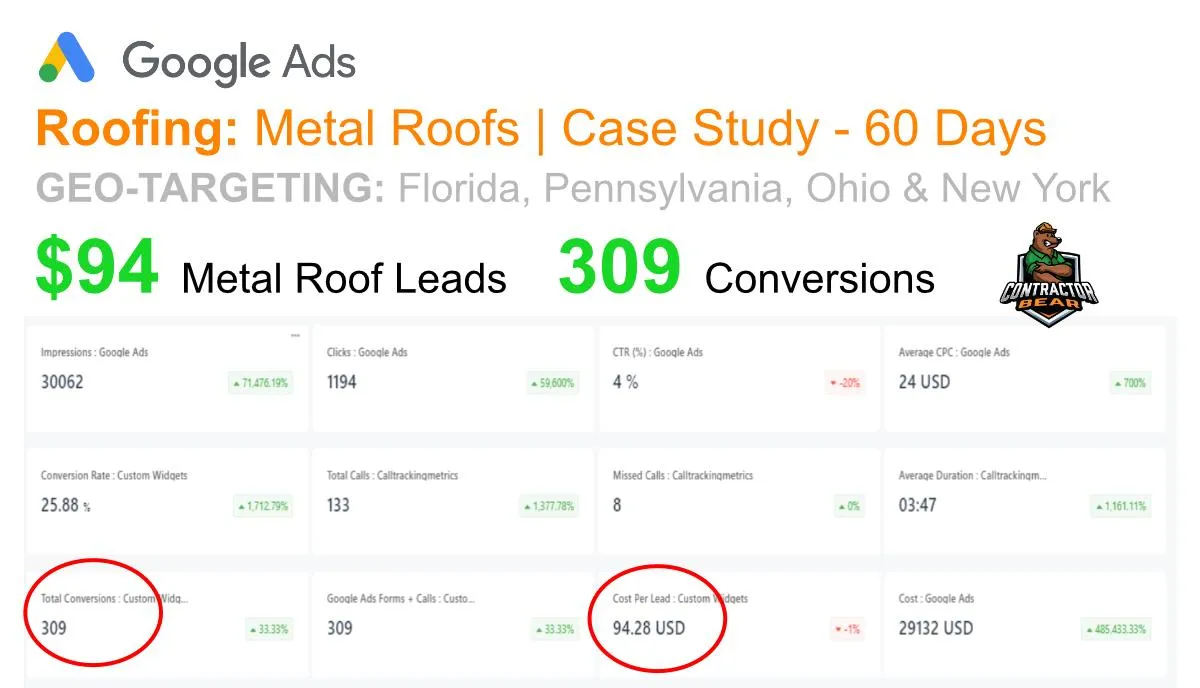
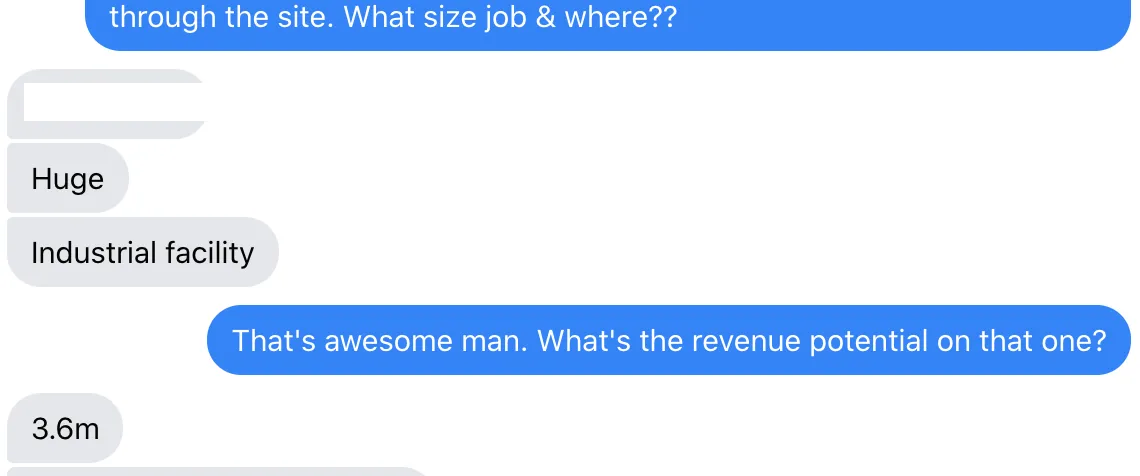
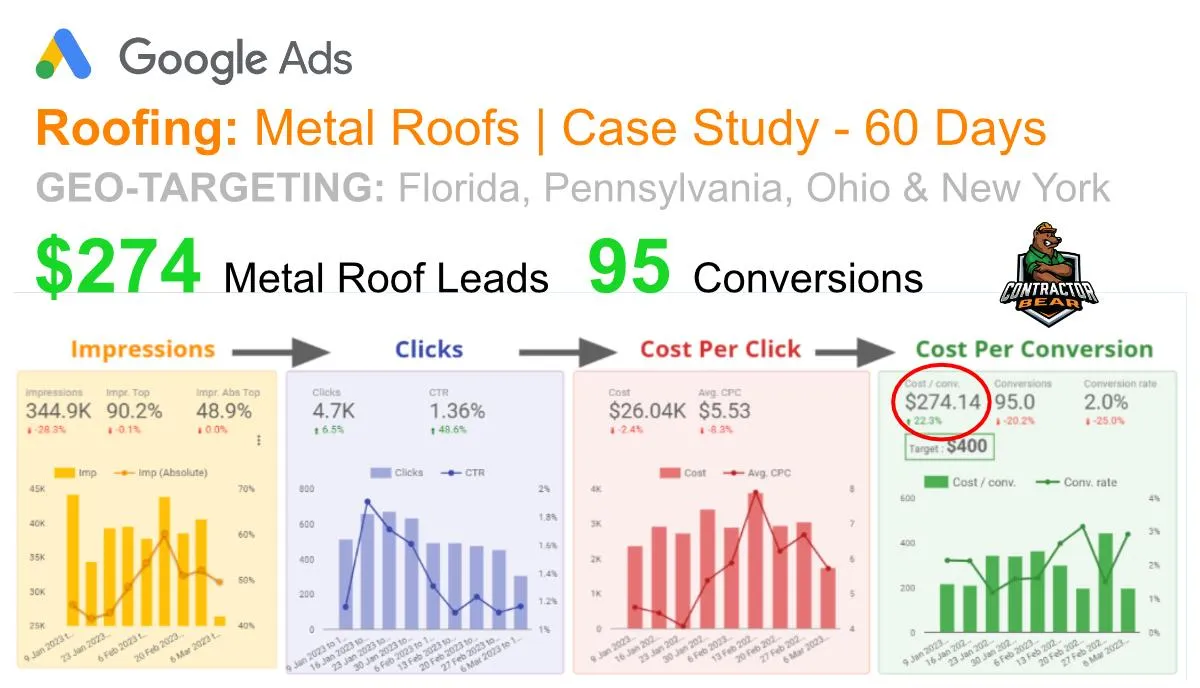
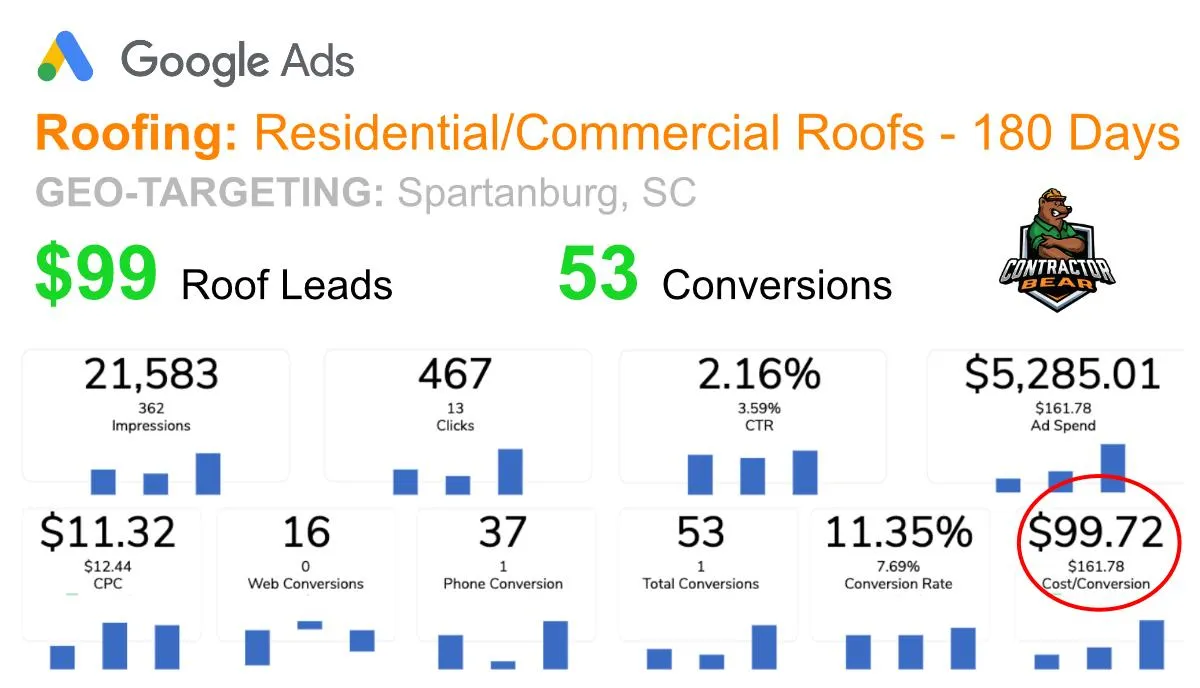
Real Results. Real Contractors.
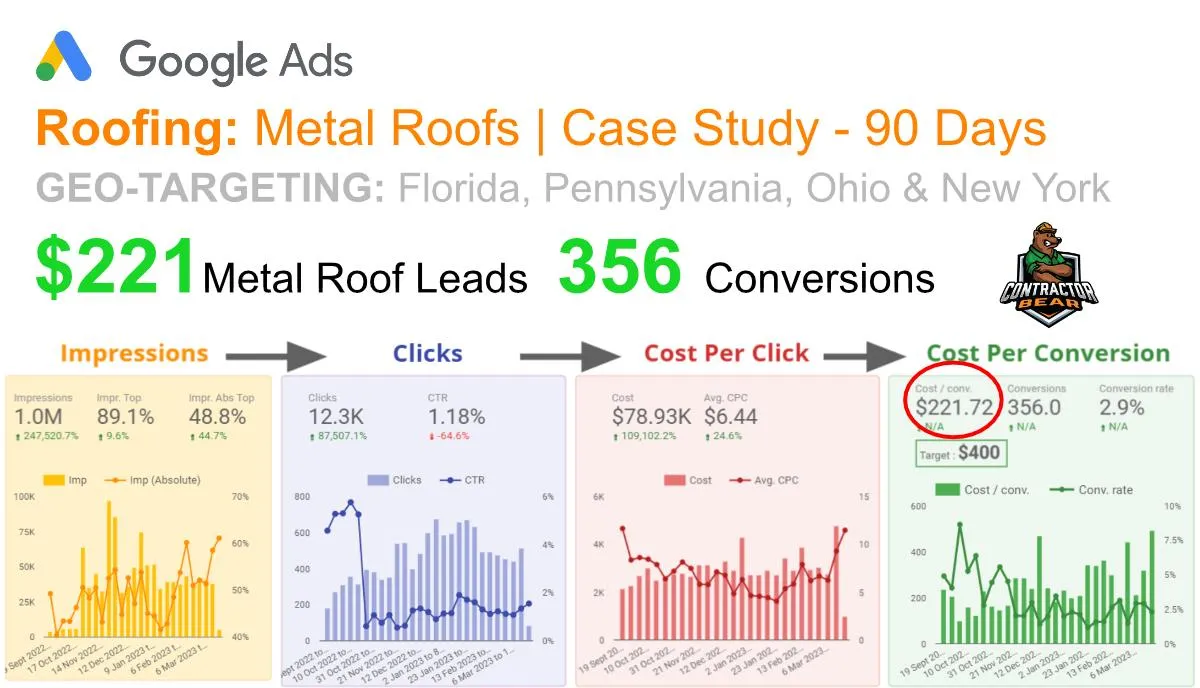
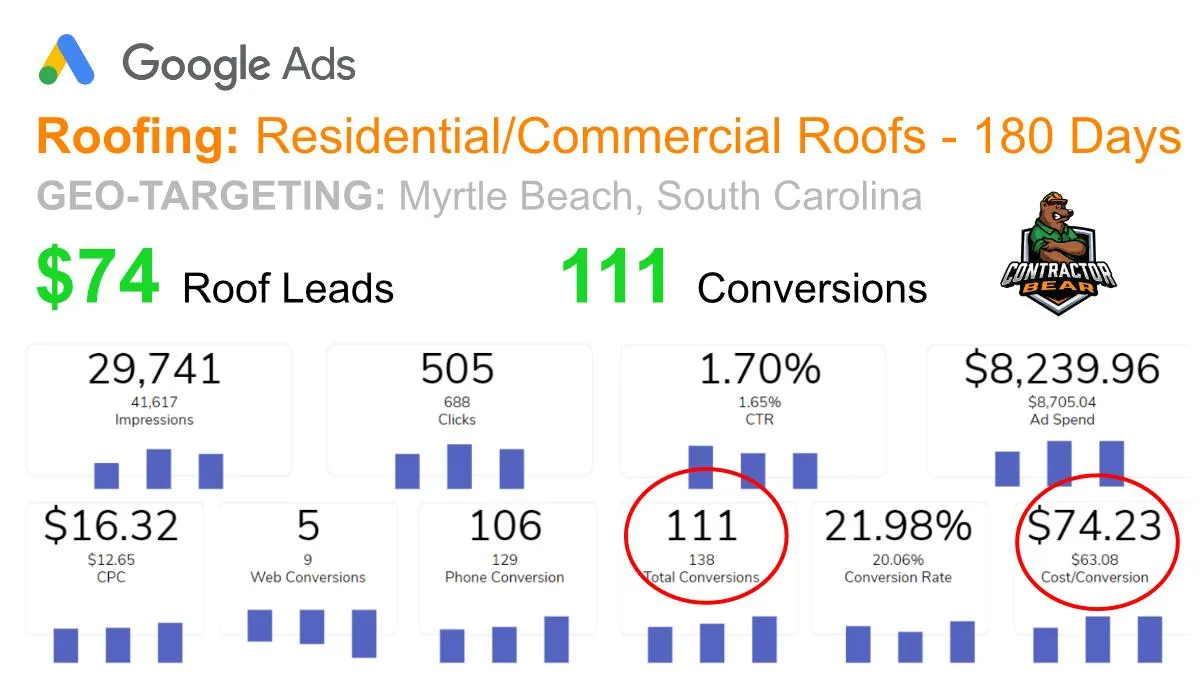
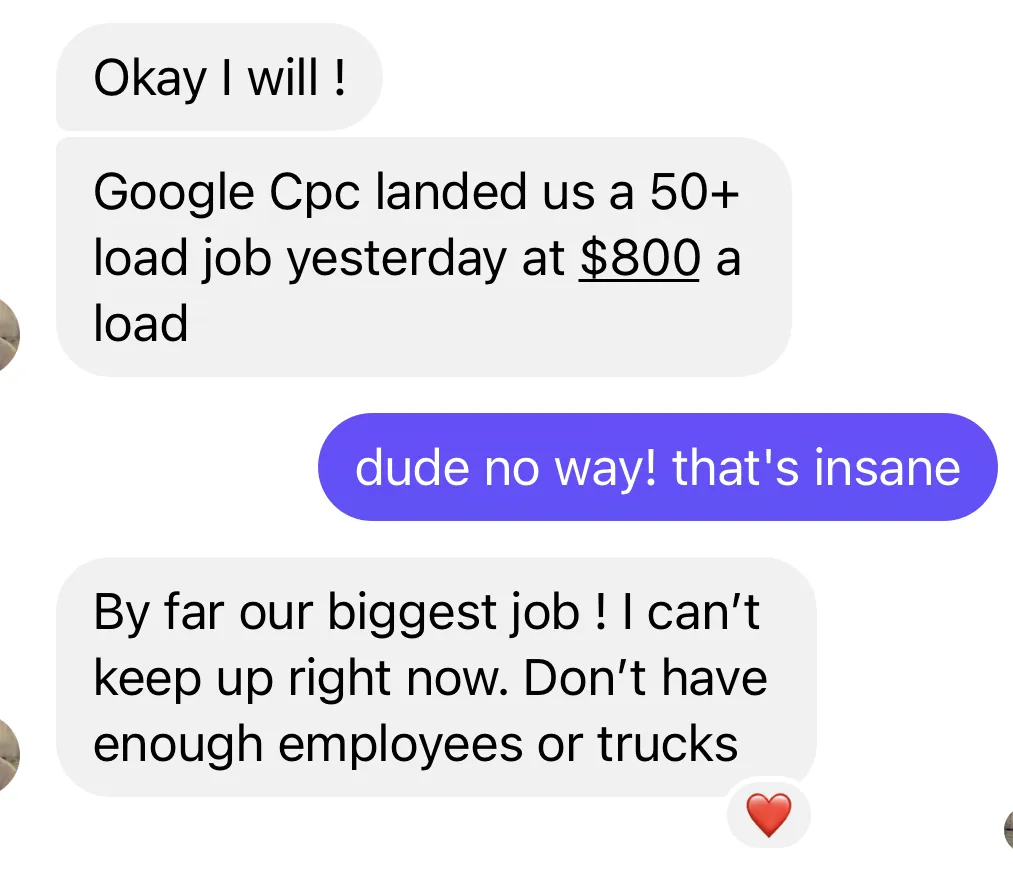
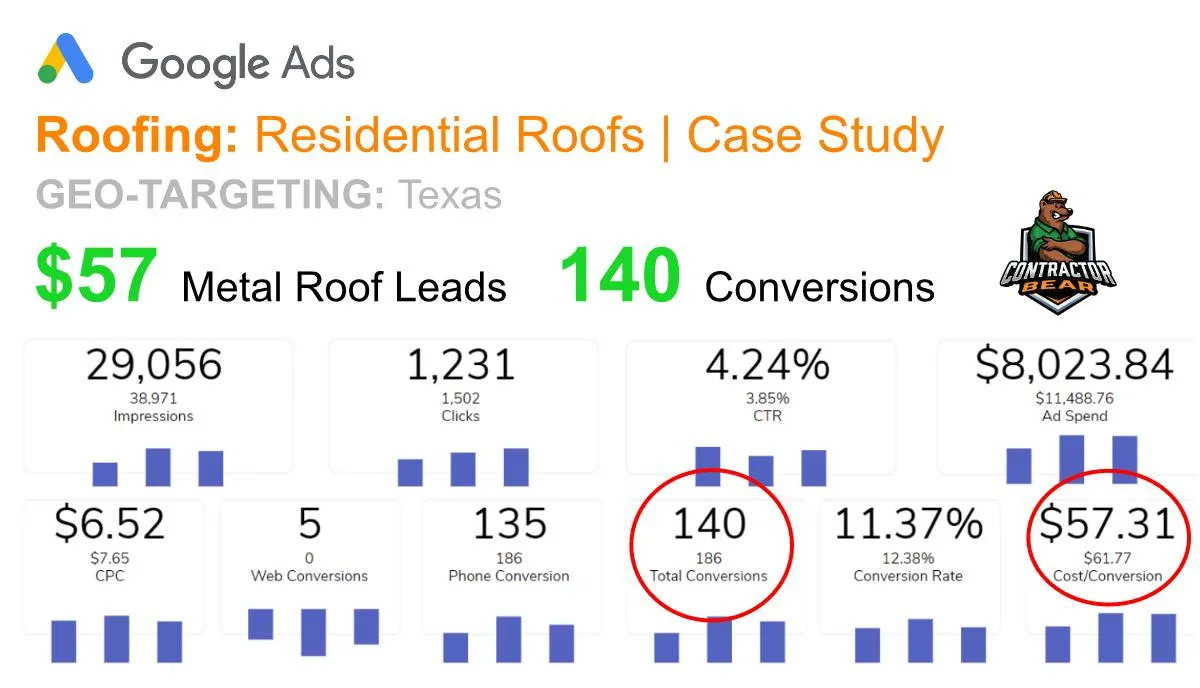
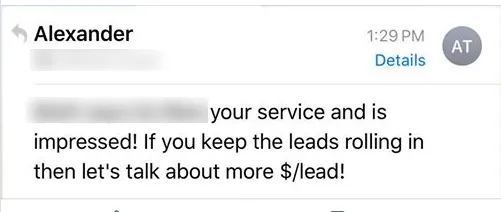
Screenshots from our actual client dashboards and conversations. No stock photos, no fake numbers.



Packages for San Francisco Heating & Cooling Companies
Free custom website included with every plan. No setup fees, no long-term contracts.

Cub
Start building pipeline
- Google Business Profile optimization
- Local SEO foundation
- Review generation system
- Bring your own website

Black
Your free website tier
- FREE custom website
- ALL Everything in Cub, plus:
- Conversion-optimized site
- Call tracking + Growth Hub CRM

Grizzly
Accelerate your pipeline
- ALL Everything in Black, plus:
- Content marketing & blog
- Advanced review management
- City + service landing pages

Polar
Own your market
- ALL Everything in Grizzly, plus:
- Google Ads management
- Full-funnel lead nurturing
- Dedicated account manager
You only move up when we deliver. Tier upgrades trigger automatically when your attributed-lead count clears each threshold, with phone, email, and text notification before any price change. Attribution is limited to leads generated by our marketing — never your existing customers, referrals, or word-of-mouth.
Heating & Cooling SEO FAQ
How long does HVAC SEO take to produce leads in San Francisco?
For most San Francisco HVAC companies starting from a weak baseline — little domain authority, few citations, sparse reviews — expect 3–5 months before seeing meaningful ranking improvements and 5–8 months before organic leads become a reliable, recurring channel. Neighborhood-level keywords rank faster (often 3–4 months) than competitive citywide terms like 'HVAC San Francisco,' which can take 9–12 months to crack. The companies that see results fastest are those with an existing website and some domain history. Starting from a brand-new domain adds 2–3 months to every timeline. SEO is a compounding investment — month six produces more than month one, and month eighteen produces more than month six.
What does HVAC SEO cost in San Francisco, and what should I expect for ROI?
Effective HVAC SEO in San Francisco typically runs $1,500–$4,000 per month depending on the scope — competitive keyword targets, number of service pages, link building intensity, and whether local content production is included. The ROI math is straightforward: organic leads come in at $15–$40 CPL with a 20–25% close rate, compared to Google Ads at $45–$150 CPL and 10% close rate. A campaign generating 30 organic leads per month at a 20% close rate produces 6 new customers. At a $450 average job and $4,500 lifetime value, those 6 customers represent $27,000 in lifetime revenue — from a $2,000 monthly SEO investment. The break-even point for most San Francisco HVAC companies arrives between months 5 and 8.
How important is Google Business Profile for HVAC SEO in San Francisco?
Google Business Profile is arguably the single most important ranking asset for local HVAC SEO in San Francisco. When homeowners search for HVAC services on Google, the Map Pack — showing three local businesses with ratings, photos, and contact info — appears before any organic website results. Studies consistently show that 75% of searchers contact only businesses in the top three Map Pack positions. GBP leads also arrive at $10–$25 cost per lead with a 25% close rate, making them the most economical lead source available. A fully optimized, actively managed GBP profile with strong review velocity is the foundation every other SEO tactic builds upon.
Which HVAC keywords should I target first in San Francisco?
Start with high-intent, service-specific keywords that indicate someone is ready to call now: 'furnace repair San Francisco,' 'AC not working San Francisco,' 'emergency HVAC San Francisco,' and 'heat pump installation San Francisco.' These convert at the highest rates because the searcher has an immediate need. Layer in neighborhood-specific variations for your primary service areas — 'HVAC contractor Sunset District,' 'air conditioning repair Mission District' — where competition is lower and you can rank faster. Avoid broad informational terms like 'how does an HVAC system work' early in your campaign; they drive traffic but attract researchers, not buyers. Build authority with transactional terms first, then expand into content-driven informational keywords once you have domain authority.
Does my HVAC company need a separate page for every service in San Francisco?
Yes — one of the most impactful structural changes an HVAC company can make is moving from a single homepage that lists all services to dedicated, deep pages for each service. Google's ranking algorithm evaluates page-level relevance, not site-level relevance. A page specifically about 'heat pump installation in San Francisco' — covering cost ranges, the installation process, efficiency ratings, available PG&E rebates, and local permitting requirements — will significantly outrank a homepage that mentions heat pumps in a single sentence. For a full-service HVAC company, this means building separate optimized pages for AC repair, AC installation, furnace repair, furnace installation, heat pump services, ductwork, indoor air quality, thermostat installation, maintenance plans, and commercial HVAC — each targeting its own keyword cluster.
Related Heating & Cooling Services in San Francisco
Heating & Cooling SEO in Nearby Cities
Heating & Cooling SEO in Oakland →
Oakland, CA • Pop. 433,031
Heating & Cooling SEO in San Jose →
San Jose, CA • Pop. 1,030,119
Heating & Cooling SEO in Fremont →
Fremont, CA • Pop. 241,110
Heating & Cooling SEO in Hayward →
Hayward, CA • Pop. 162,954
Heating & Cooling SEO in San Mateo →
San Mateo, CA • Pop. 105,661
Heating & Cooling SEO in Concord →
Concord, CA • Pop. 129,295
Heating & Cooling Marketing Resources
Scale Your Heating & Cooling Company →
Comprehensive growth guide for heating & cooling businesses.
All Heating & Cooling Services →
See everything we offer for heating & cooling companies.
Google Business Profile Guide for Contractors →
In-depth article to help grow your business.
How to Get More 5-Star Reviews →
Practical strategies you can implement today.
Get a Free Heating & Cooling SEO Audit for San Francisco
We'll analyze your current rankings, identify your biggest local SEO gaps, and show you exactly what it takes to appear in the San Francisco Map Pack — and your free custom website will be live before your organic leads start rolling in.