Landscaping SEO in Austin, TX
For Austin landscapers, organic search delivers leads at $15–40 each — up to 75% cheaper than Google Ads — while converting at 20–25% because searchers are actively looking to hire. SEO is the only channel that keeps paying after you stop spending.
By Contractor Bear Team • March 2026
Get Your Free Austin Landscaping Audit
See exactly where you're losing leads to your top 3 landscaping competitors in Austin. No sales call required.
Why SEO Is the #1 Growth Channel for Austin Landscapers
Top 8 Local SEO Ranking Factors for Landscaping
What actually moves the needle for landscaping companies in Austin.
Google Business Profile
GBP listings dominate the 'map pack' that appears at the top of local searches like 'landscapers near me Austin' — 3 spots that capture the majority of clicks before any organic results. For landscaping, where seasonal demand spikes drive huge search volume surges, map pack placement is the single highest-leverage ranking position available.
Our approach: We fully build out your GBP with every service category (lawn maintenance, hardscaping, irrigation, landscape design), service areas covering all Austin ZIP codes you serve, seasonal photo uploads, Q&A population, and weekly Google Posts timed to Austin's spring and fall planting seasons. We also optimize your business description with hyperlocal keyword phrases.
On-Page SEO
Google needs explicit signals on each page to understand what you do and where you do it. A landscaping site without properly optimized title tags, H1s, and body copy for target keywords like 'landscape design Austin TX' or 'sod installation South Austin' won't appear for those searches no matter how many backlinks you build.
Our approach: We conduct full keyword research to map every service you offer to dedicated, optimized pages. Each page gets a unique title tag, meta description, H1, and structured body content with semantic keywords, internal links, and geo-modifiers referencing Austin neighborhoods like Barton Creek, Tarrytown, and Mueller to capture hyper-local searches.
Reviews and Ratings
Most people read reviews before hiring a contractor. For landscaping specifically — a high-trust, high-visibility service where the results are literally in a homeowner's front yard — review quantity and recency directly influence both Google's ranking algorithm and consumer conversion decisions. More recent reviews also signal an active, trustworthy business.
Our approach: We implement a post-job review request system via SMS and email, timed 24–48 hours after project completion when satisfaction is highest. We monitor and help craft responses to all reviews, and we build review velocity strategies targeting Google, Yelp, and Houzz — the platforms Austin homeowners use most for landscaping decisions.
Local Citations
Local citations — consistent mentions of your business name, address, and phone number (NAP) across directories — are a foundational trust signal for Google's local algorithm. Inconsistent NAP data across Yelp, Angi, Houzz, and the BBB actively suppresses your local rankings even when other factors are strong.
Our approach: We audit and correct all existing citations, then build new listings across 60+ industry-relevant and local Austin directories including the Austin Chamber of Commerce, Texas Nursery & Landscape Association, and relevant neighborhood HOA directories. Every listing is verified for NAP consistency and populated with photos and service descriptions.
Mobile Experience
Over 65% of local service searches happen on mobile devices. Google uses mobile-first indexing, meaning your mobile site performance directly determines your rankings even for desktop searches. For landscaping companies, a slow or poorly designed mobile site loses leads to competitors the moment your page takes longer than 3 seconds to load.
Our approach: We audit and optimize Core Web Vitals scores (LCP, FID, CLS), compress and lazy-load all project portfolio images, implement click-to-call buttons prominently in the mobile header, and ensure contact forms are thumb-friendly. We target sub-2-second load times on mobile 4G connections.
Content Quality
Google's Helpful Content system rewards pages that genuinely answer searcher questions with depth and expertise. Thin, templated service pages get filtered out of competitive results in favor of content that demonstrates real landscaping knowledge. For Austin specifically, content that addresses the local climate, native plant choices, and seasonal timing signals geographic relevance.
Our approach: We create service-specific content that includes Austin-relevant details: St. Augustine vs. Bermuda grass recommendations for Central Texas heat, drought-tolerant xeriscape options given Austin's water restrictions, and seasonal care calendars aligned with Austin's climate zones. Each page targets a specific keyword cluster and answers the full range of questions a prospective customer would have.
Backlinks
Backlinks from authoritative, relevant websites are Google's primary measure of a site's credibility and expertise. In Austin's competitive landscaping market, backlinks from local news sites, home improvement blogs, neighborhood associations, and industry directories create a competitive moat that takes competitors months to overcome even if they copy your on-page SEO perfectly.
Our approach: We build backlinks through local press outreach (Austin American-Statesman home sections, CultureMap Austin), partnerships with complementary Austin businesses like pool builders and fence contractors, sponsorships of local events, and contributions to Austin-area real estate and home improvement blogs. Every link target is vetted for domain authority and relevance.
Technical SEO
Technical issues — slow load times, broken links, duplicate content, missing schema markup, poor crawlability — act as a ceiling on rankings regardless of how good your content and backlinks are. For landscaping sites with large photo portfolios of completed projects, technical performance issues are especially common and especially damaging.
Our approach: We implement LocalBusiness and Service schema markup so Google can surface rich results like your phone number, service areas, and review stars directly in search results. We fix crawl errors, optimize site architecture for logical service page hierarchy, implement XML sitemaps, and ensure all project gallery images have descriptive alt text with geo and service keywords.
SEO vs Paid Ads for Landscaping Companies
| Factor | SEO | Google Ads | Facebook Ads |
|---|---|---|---|
| Cost Per Lead | $15–40 | $45–150 | $25–80 |
| Close Rate | 20–25% | 8–12% | 5–8% |
| Time to Results | 3–6 months | Immediate | 1–2 weeks |
| Long-term Value | Compounds over time | Stops when you stop paying | Stops when you stop paying |
| Trust Level | High (earned placement) | Medium (paid label) | Low (interruptive) |
| Lead Quality | High intent | High intent | Lower intent |
Step-by-Step Local SEO for Austin Landscapers
Claim and Optimize Your Google Business Profile
Your GBP is the most important asset in local SEO and the gateway to map pack rankings. For Austin landscapers, this means claiming or creating your listing at business.google.com and completing every single field: business name exactly as it appears on your truck, primary category set to 'Landscaper' with secondary categories for 'Lawn Care Service,' 'Irrigation Service,' and 'Landscape Designer.' Add every service you offer with descriptions, upload 20+ high-quality before/after photos of Austin projects, set your service area covering all ZIP codes you serve, and add your business hours including seasonal adjustments. Post weekly updates timed to Austin's spring planting surge (February–April) and fall landscaping season (October–November) to signal active management to Google's algorithm.
Build and Audit Local Citations
Local citations validate your business's existence and location to Google. For Austin landscapers, start with the major aggregators — Data Axle, Neustar Localeze, and Foursquare — whose data feeds hundreds of downstream directories automatically. Then manually build listings on Yelp, Angi, Houzz, HomeAdvisor, the Better Business Bureau, and the Austin Chamber of Commerce website. Critical: your business name, address, and phone number must be character-for-character identical across every listing. 'St.' versus 'Street,' a missing suite number, or an old phone number creates NAP inconsistency that actively suppresses your map pack rankings. Use a tool like BrightLocal to audit existing citations before building new ones to catch legacy inconsistencies.
Optimize Your Service Pages with Local Keywords
Every landscaping service you offer needs its own dedicated, fully optimized page. 'Lawn maintenance Austin TX,' 'landscape design Austin,' 'irrigation installation Cedar Park,' 'hardscaping contractors South Austin' — each of these is a distinct keyword cluster with its own search volume and searcher intent. Each page needs a unique title tag under 60 characters leading with the service and city, an H1 that matches the primary keyword, and 600+ words of genuinely useful content that references Austin-specific details: local soil conditions, water conservation ordinances, heat-tolerant plant species, and neighborhood-specific considerations. Internal linking between service pages strengthens the whole site's topical authority around landscaping in Austin.
Build a Systematic Review Generation Process
Reviews drive both rankings and conversions, and in landscaping — where most consumers read reviews before hiring — your review velocity relative to competitors is a direct competitive differentiator. Build a post-job workflow: 24–48 hours after every completed project, send an SMS with a direct link to your Google review page (short URL, no friction). Follow up with an email at 72 hours if no review was left. Train your crews to mention it verbally at job completion. Target 2–4 new Google reviews per month consistently — steady velocity matters more to the algorithm than occasional bursts. Respond to every review within 48 hours; Google surfaces businesses that actively engage with their reviews as more trustworthy to both the algorithm and prospective customers.
Create Austin-Specific Local Content
Content that addresses the real questions Austin homeowners have about landscaping builds topical authority and captures long-tail search traffic that converts at extremely high rates. Target topics like: 'best drought-tolerant plants for Austin TX,' 'when to fertilize lawn in Austin,' 'St. Augustine grass vs Bermuda Austin,' 'xeriscape ideas for Austin front yard,' and 'Austin water restrictions landscaping.' These informational pages attract homeowners early in their research journey and position your company as the local expert. Each post should reference specific Austin neighborhoods, local climate data, and Texas-specific regulations. This content also earns natural backlinks from Austin real estate blogs, neighborhood Facebook groups, and local news sites that cover home improvement topics.
Earn Quality Local Backlinks
Backlinks from respected Austin-area websites are the most powerful ranking signal for competitive keywords like 'landscaping company Austin.' Start with easy wins: get listed on the Texas Nursery and Landscape Association's member directory, sponsor a local Austin neighborhood event and get a link from the event page, and partner with complementary businesses like Austin pool builders or fence contractors for mutual referral links. Pitch project spotlights to CultureMap Austin or the Austin American-Statesman's home section — a feature on a notable landscape design project earns a high-authority backlink and brand exposure simultaneously. Each legitimate backlink from an Austin domain amplifies your geographic relevance signal for Austin-specific searches.
Austin Landscaping SEO Landscape
5 SEO Mistakes Landscaping Companies Make
One-page website with no service-specific pages
Many landscaping companies build a single homepage that lists all services — lawn care, landscape design, hardscaping, irrigation — without dedicated pages for each. This approach spreads SEO signal thin across every keyword and makes it nearly impossible to rank competitively for any specific service. Google can't serve your irrigation page for an 'irrigation installation Austin' search if that page doesn't exist.
Fix: Create a dedicated, fully optimized page for every service you offer. Each page should target a specific primary keyword, contain 600+ words of service-specific content, and include locally relevant details about doing that work in Austin. Link them together with a logical site architecture that reinforces your authority across all landscaping services.
Ignoring Google Business Profile during slow season
Austin landscapers commonly stop posting to their GBP and let reviews go unanswered during winter slow months, then wonder why their spring rankings have slipped. Google's algorithm interprets inactivity as a signal that a business may be less reliable or no longer operating. Competitors who maintain consistent GBP activity through winter build algorithmic momentum that shows up as stronger spring rankings.
Fix: Treat GBP management as a year-round activity. Post at least weekly even in January and February — seasonal content like 'planning your spring landscape refresh' or 'winter lawn care tips for Austin' keeps the profile active. Respond to every review within 48 hours regardless of season.
Targeting only city-level keywords and ignoring neighborhoods
Competing for 'landscaping Austin TX' while ignoring 'landscaping Tarrytown' or 'lawn care Barton Hills' leaves high-conversion traffic on the table. Austin homeowners frequently search with their neighborhood name because they want a local company that knows their area. These neighborhood-level terms often have the same commercial intent as city-level terms but a fraction of the competition.
Fix: Build neighborhood and suburb-specific landing pages or content sections for every service area you cover. Reference the neighborhood by name, mention any relevant local characteristics (larger lots in Rollingwood, HOA landscaping requirements common in Circle C Ranch), and optimize each with neighborhood-specific title tags and H1s.
No review generation system — waiting for reviews to come organically
Landscaping is a high-satisfaction service when done well, but satisfied customers rarely leave reviews without a prompt. Companies with 8 reviews are losing map pack spots to competitors with 45 because they have no systematic ask process. In Austin's competitive market, review quantity and recency are often the tiebreaker between equally optimized competitors for map pack positions.
Fix: Implement a post-job SMS review request workflow that sends automatically 24–48 hours after job completion with a direct Google review link. Make it frictionless — one tap, no login required for Google users. Target a minimum of 2–3 new reviews per month consistently; steady velocity beats sporadic bursts in Google's freshness evaluation.
Using stock photos instead of actual Austin project photos
Stock photos communicate nothing about your actual work quality and miss a major opportunity to signal local relevance to Google. Google Images search, GBP photo engagement, and website conversion rates all improve significantly when using authentic project photography. For landscaping specifically, homeowners want to see your actual completed work before hiring — generic grass and flower images reduce trust and conversion.
Fix: Photograph every completed project with a smartphone in good light, both before and after. Upload 5–10 photos to your GBP weekly, geotag them with Austin location data, and use descriptive file names like 'backyard-hardscape-austin-tx-78746.jpg' with alt text referencing the service and location. A library of real Austin project photos is a conversion and SEO asset that compounds in value over time.
Real Results: Landscaping SEO Case Study
Full-service landscaping company in San Antonio, Texas
Before
After
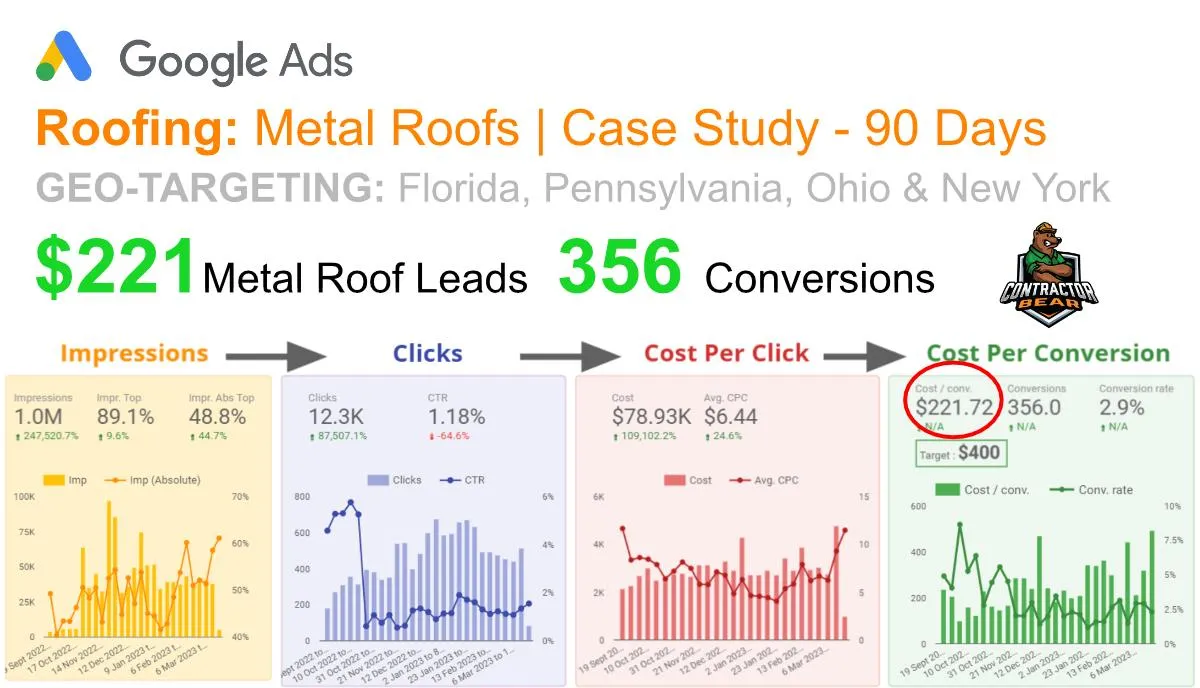
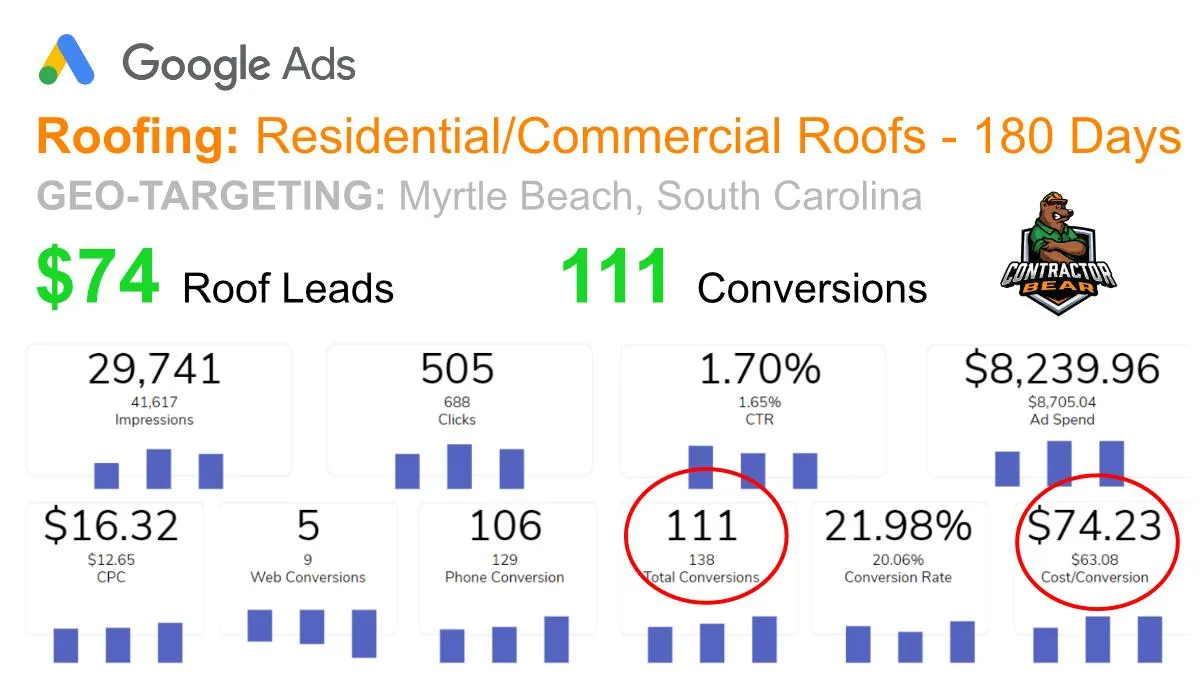
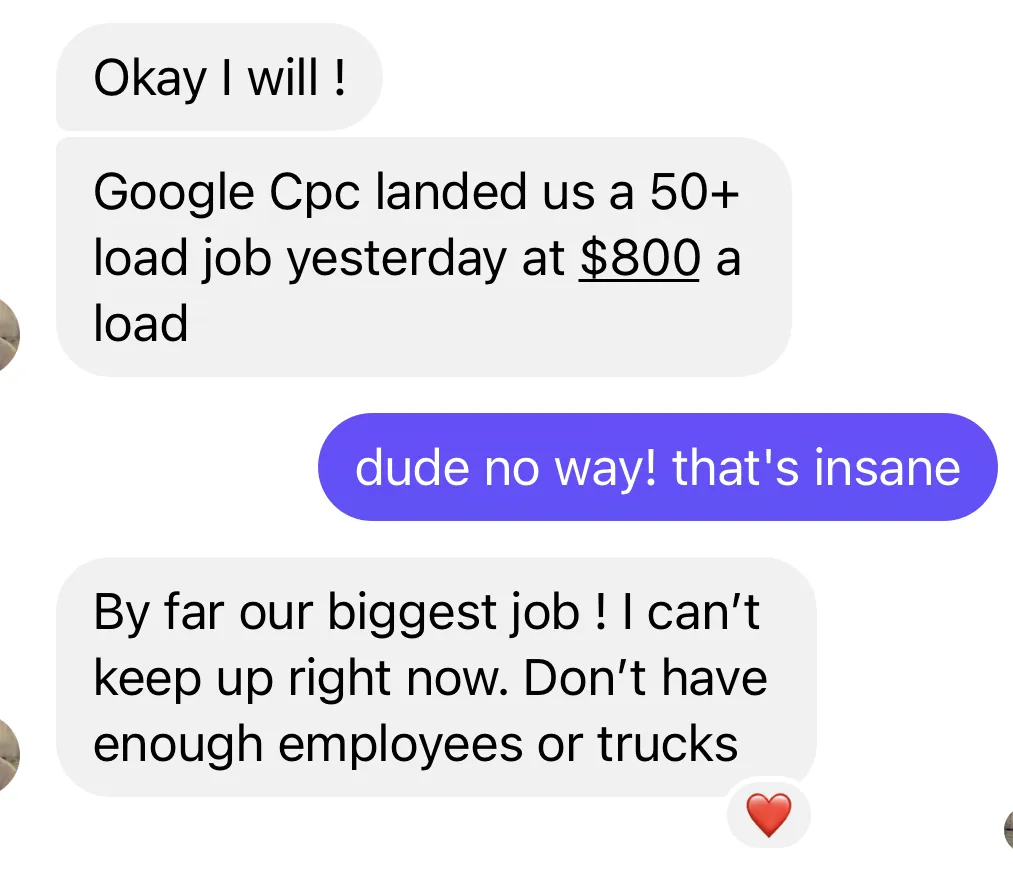
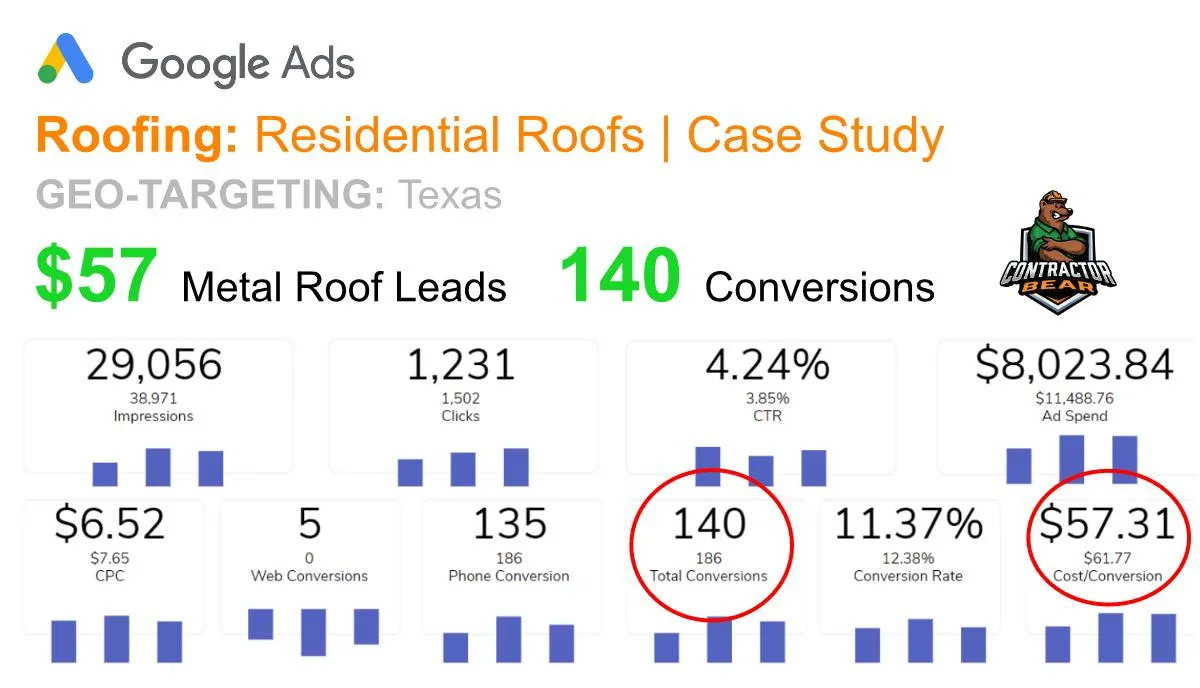
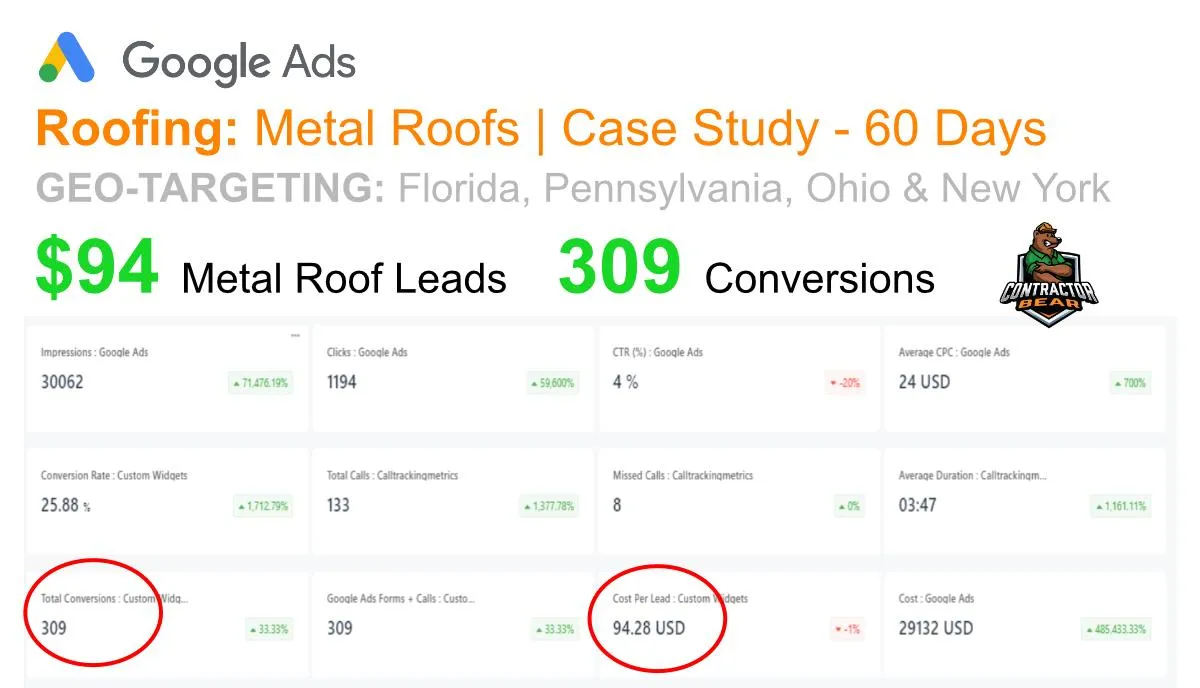
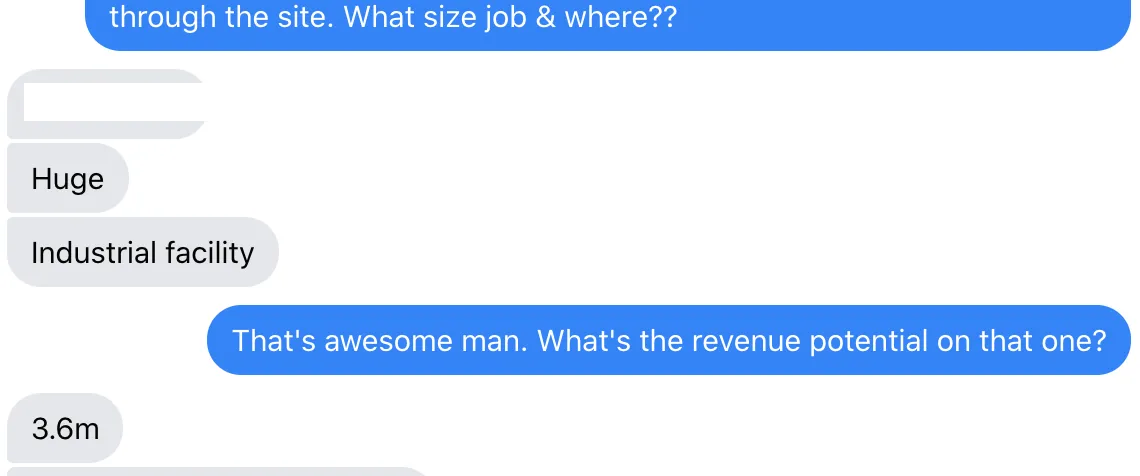
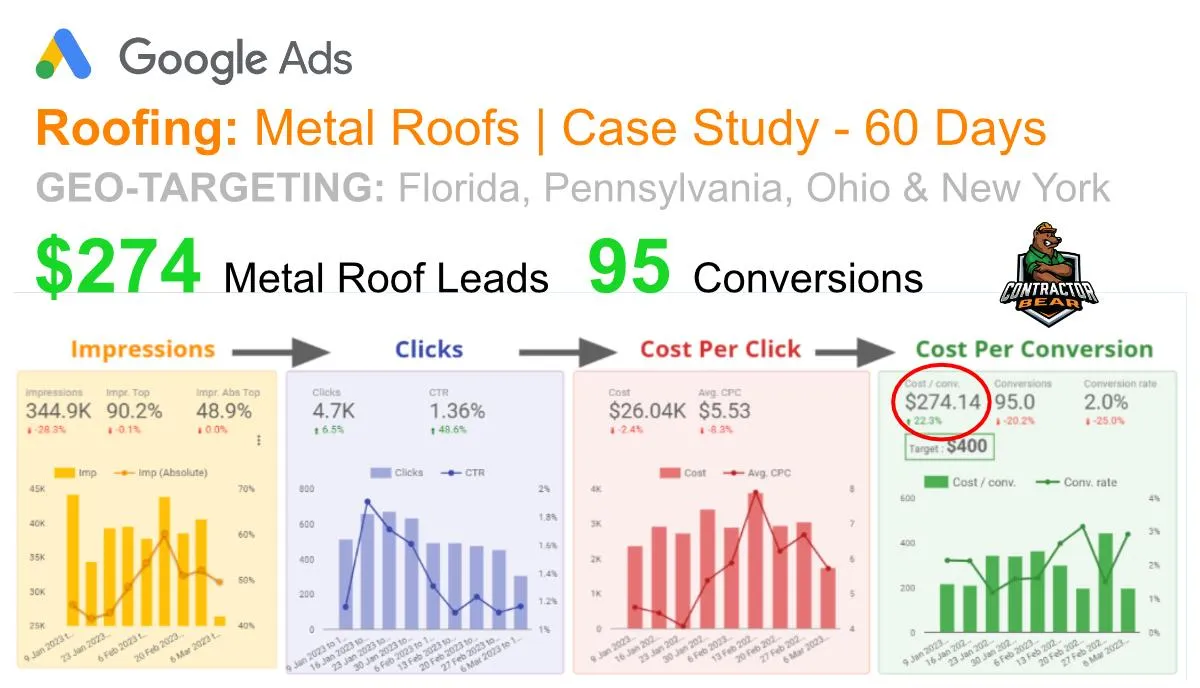
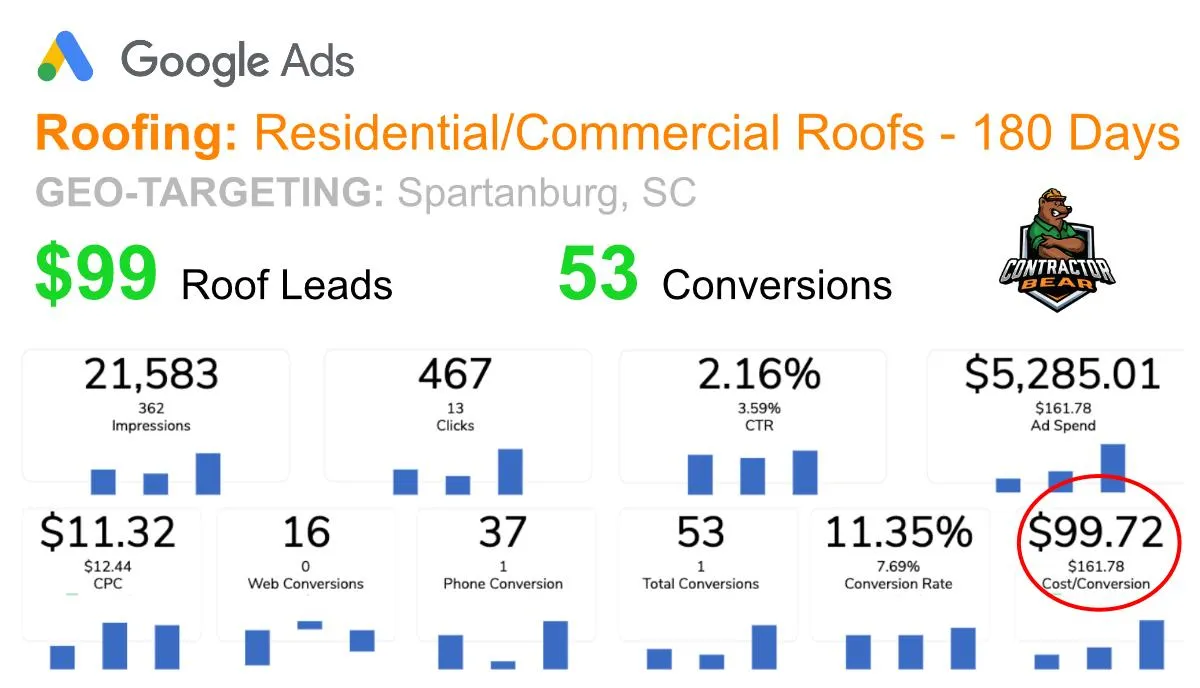
Real Results. Real Contractors.
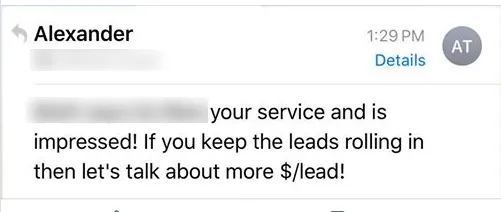
Screenshots from our actual client dashboards and conversations. No stock photos, no fake numbers.



Packages for Austin Landscaping Companies
Free custom website included with every plan. No setup fees, no long-term contracts.

Cub
Start building pipeline
- Google Business Profile optimization
- Local SEO foundation
- Review generation system
- Bring your own website

Black
Your free website tier
- FREE custom website
- ALL Everything in Cub, plus:
- Conversion-optimized site
- Call tracking + Growth Hub CRM

Grizzly
Accelerate your pipeline
- ALL Everything in Black, plus:
- Content marketing & blog
- Advanced review management
- City + service landing pages

Polar
Own your market
- ALL Everything in Grizzly, plus:
- Google Ads management
- Full-funnel lead nurturing
- Dedicated account manager
You only move up when we deliver. Tier upgrades trigger automatically when your attributed-lead count clears each threshold, with phone, email, and text notification before any price change. Attribution is limited to leads generated by our marketing — never your existing customers, referrals, or word-of-mouth.
Landscaping SEO FAQ
How long does landscaping SEO take to produce results in Austin?
For most Austin landscaping companies, expect initial ranking improvements within 60–90 days for lower-competition neighborhood-level terms and 4–8 months for competitive city-level keywords like 'landscaping company Austin.' Google Business Profile optimization typically shows map pack impact in 30–60 days, which is why we prioritize it immediately. The full compounding effect of a comprehensive SEO campaign — where organic leads become your primary acquisition channel — generally materializes between months 6 and 12. The important caveat is that SEO timelines depend heavily on your starting point: a site with no existing content or citations will take longer than one that has some foundation already in place.
What does landscaping SEO actually cost, and how does that compare to my current lead sources?
Professional landscaping SEO in Austin typically runs $1,500–4,000 per month depending on the scope of work and competitive targets. Compare that to the math: if SEO generates 20 organic leads per month at a 20–25% close rate, that's 4–5 new customers. At an average job value of $2,500 and a 60% repeat rate driving $8,000 in lifetime value, those 4–5 customers represent $10,000–40,000 in long-term revenue per month — from a channel that costs $15–40 per lead versus $45–150 for Google Ads. The key difference is that SEO investment appreciates over time while ad spend resets to zero the moment you pause a campaign.
Should I focus on SEO or Google Ads for my Austin landscaping company?
Both serve different purposes and the best Austin landscaping companies use them in concert, but the long-term priority should be SEO. Google Ads are excellent for immediate results — new companies that need leads now while SEO is building, or capturing demand during Austin's spring surge while waiting for organic rankings to mature. But at $45–150 per lead with an 8–12% close rate versus SEO's $15–40 per lead at 20–25% close rate, ads are roughly 3–5x more expensive per acquired customer. Our recommended approach: run targeted Google Ads for your highest-value services (landscape design, hardscaping) while simultaneously building organic rankings, then scale back ad spend as SEO matures and delivers compounding returns.
What landscaping keywords should I be targeting in Austin?
Your primary targets should align with your highest-margin services and Austin's search volume. Top priority keywords include 'landscaping company Austin TX,' 'landscape design Austin,' 'lawn maintenance Austin,' 'irrigation installation Austin,' and 'hardscaping Austin TX.' Beyond head terms, neighborhood modifiers are high-value: 'landscaping Westlake Hills,' 'lawn care Cedar Park,' and 'landscape design South Austin.' Long-tail question keywords like 'best landscaping company near me Austin' and 'how much does landscaping cost in Austin' capture high-intent searchers in research mode. Finally, seasonal targets like 'spring lawn cleanup Austin' and 'fall overseeding Austin TX' capture time-sensitive demand during your peak inquiry periods.
How important are reviews for landscaping SEO in Austin?
Reviews are critical for two distinct reasons in Austin's market. First, algorithmically: Google uses review quantity, recency, and rating average as direct ranking factors for the local map pack — the 3-spot block at the top of local searches that captures the majority of clicks. Companies with 50+ recent reviews consistently outrank equally optimized competitors with 15 reviews. Second, for conversion: most consumers read reviews before hiring a contractor, and in landscaping where the work is highly visible and personal, review quality directly determines whether someone calls you or your competitor. We've seen well-reviewed companies with lower overall SEO scores outperform higher-ranked competitors in actual lead volume purely because of trust signals.
Landscaping SEO in Nearby Cities
Landscaping SEO in Round Rock →
Round Rock, TX • Pop. 128,739
Landscaping SEO in San Antonio →
San Antonio, TX • Pop. 1,547,253
Landscaping SEO in New Braunfels →
New Braunfels, TX • Pop. 108,788
Landscaping SEO in Killeen →
Killeen, TX • Pop. 153,095
Landscaping SEO in Waco →
Waco, TX • Pop. 143,079
Landscaping SEO in College Station →
College Station, TX • Pop. 120,511
Landscaping Marketing Resources
Scale Your Landscaping Company →
Comprehensive growth guide for landscaping businesses.
All Landscaping Services →
See everything we offer for landscaping companies.
Google Business Profile Guide for Contractors →
In-depth article to help grow your business.
How to Get More 5-Star Reviews →
Practical strategies you can implement today.
Get a Free Landscaping SEO Audit for Austin
We'll analyze your current rankings, identify your biggest local SEO gaps, and show you a clear path to page 1 visibility — and we'll build your company a free professional website to anchor the whole strategy.