Landscaping SEO in Cincinnati, OH
Organic search delivers the lowest cost-per-lead of any channel for Cincinnati landscapers — just $15–40 per lead with a 20–25% close rate. While your competitors burn cash on Google Ads at $45–150 per click, a properly optimized presence compounds in value every month.
By Contractor Bear Team • March 2026
Get Your Free Cincinnati Landscaping Audit
See exactly where you're losing leads to your top 3 landscaping competitors in Cincinnati. No sales call required.
Why SEO Is the #1 Growth Channel for Cincinnati Landscapers
Top 8 Local SEO Ranking Factors for Landscaping
What actually moves the needle for landscaping companies in Cincinnati.
Google Business Profile
The Google Maps pack appears above all organic results for most local landscaping searches. Appearing in the top 3 map results for 'landscaping Cincinnati' or 'lawn care near me' captures 40–50% of all clicks on the page. For landscapers, the GBP is often the first — and only — thing a homeowner sees before deciding who to call.
Our approach: We fully build out your GBP with every service category (lawn maintenance, hardscaping, irrigation, landscape design), write a keyword-rich business description, upload 20+ high-quality project photos organized by service type, and implement a weekly Google Post schedule to signal active engagement. We also configure service areas to cover all Cincinnati neighborhoods and key suburbs like Mason, West Chester, Blue Ash, and Anderson Township.
On-Page SEO
Google needs to understand exactly what services you offer and where you offer them. Landscaping is hyper-local — a homeowner in Hyde Park is searching differently than one in Loveland. Without service-specific and location-specific page optimization, you rank for nothing or rank for generic terms that don't convert.
Our approach: We build dedicated service pages for each of your core offerings (lawn maintenance, hardscaping, irrigation, outdoor lighting, etc.) and city/neighborhood landing pages targeting Cincinnati's key submarkets. Each page is built with optimized title tags, H1s, meta descriptions, and schema markup. Primary keywords appear in the first 100 words of body content, and internal linking connects related service pages to build topical authority.
Reviews and Ratings
Most homeowners read online reviews before hiring a landscaper. Your star rating and review count directly impact your map pack ranking and your conversion rate — a company with 4.8 stars and 85 reviews will get far more calls than one with 4.1 stars and 12 reviews, even if the latter ranks slightly higher. Reviews are both a trust signal and a ranking signal.
Our approach: We implement a systematic review generation process: automated post-job text requests via your CRM or field management tool, direct Google review links sent the day after project completion, and a review response playbook that handles both positive reviews (which improve engagement) and negative reviews (which, when handled professionally, actually increase trust). We target consistent new reviews every month, not a burst then silence.
Local Citations
A citation is any online mention of your business name, address, and phone number (NAP). Google cross-references these across directories to confirm your business is legitimate and where it's actually located. Inconsistent NAP data — old addresses, misspelled names, different phone numbers — confuses Google and suppresses your local rankings.
Our approach: We audit all existing citations across the 50+ most important directories (Yelp, Angi, HomeAdvisor, Houzz, BBB, local Cincinnati chambers, industry directories) and correct any inconsistencies. Then we build new citations in landscaping-specific and Cincinnati-specific directories. Every citation uses identical NAP data matched to your GBP, creating a clean, consistent local signal network.
Mobile Experience
More than 70% of local landscaping searches happen on a smartphone. If your website is slow to load, hard to navigate on a small screen, or buries the phone number under navigation menus, you're losing leads before they ever contact you. Google also uses mobile-first indexing, meaning your mobile performance directly affects your rankings for all devices.
Our approach: We ensure your site scores 90+ on Google's Core Web Vitals for mobile: fast load time (under 2.5 seconds), stable layout, and responsive design. We place click-to-call buttons prominently on every page, simplify the mobile navigation to surface your most important services immediately, and compress all project photos without sacrificing quality. If your site can't be fixed, we build you a new one.
Content Quality
Google's Helpful Content updates have made thin, generic content a liability. A landscaping page that says 'We offer lawn care in Cincinnati' and nothing else doesn't rank. Google rewards pages that genuinely answer the searcher's question — pages with specific service descriptions, local knowledge, pricing context, and the kind of detail that only an experienced local contractor would know.
Our approach: Every page we create or optimize includes 800–1,500 words of genuinely useful, locally specific content. For Cincinnati, that means addressing the region's clay-heavy soil and its impact on drainage and hardscape installation, the timing of spring cleanup relative to Ohio's last frost dates, and service combinations that make sense for the area's established neighborhoods with mature tree canopies. We also create informational blog content targeting research-phase searches like 'best grass type for Cincinnati clay soil.'
Backlinks
A backlink from a credible website to yours is a vote of confidence in Google's ranking algorithm. Landscaping companies with more high-quality backlinks outrank those without them, all else being equal. For local SEO, links from Cincinnati-area websites (local news, neighborhood blogs, business associations) carry extra weight because they confirm your geographic relevance.
Our approach: We pursue a targeted local link-building strategy: outreach to Cincinnati neighborhood associations and HOA websites, partnerships with complementary trades (fencing, concrete, exterior lighting), press coverage from local home improvement and real estate publications, and supplier relationships (Belgard, Unilock, and similar brands often link to certified installers). We avoid link schemes and focus exclusively on earned, relevant links that build lasting authority.
Technical SEO
Underlying technical issues can prevent Google from properly crawling and indexing your pages, effectively making them invisible regardless of how good your content is. Common issues include duplicate pages, broken internal links, missing XML sitemaps, slow server response, and improper canonical tags — all of which quietly suppress rankings.
Our approach: We run a full technical audit using Screaming Frog and Google Search Console to identify and resolve crawl errors, fix redirect chains, implement proper canonical tags on any duplicate or near-duplicate pages, submit an optimized XML sitemap, configure structured data (LocalBusiness, Service, and Review schema), and verify correct indexation of all priority pages. We also monitor Core Web Vitals monthly and address any performance regressions.
SEO vs Paid Ads for Landscaping Companies
| Factor | SEO | Google Ads | Facebook Ads |
|---|---|---|---|
| Cost Per Lead | $15–40 | $45–150 | $25–80 |
| Close Rate | 20–25% | 8–12% | 5–8% |
| Time to Results | 3–6 months | Immediate | 1–2 weeks |
| Long-term Value | Compounds over time | Stops when you stop paying | Stops when you stop paying |
| Trust Level | High (earned placement) | Medium (paid label) | Low (interruptive) |
| Lead Quality | High intent | High intent | Lower intent |
Step-by-Step Local SEO for Cincinnati Landscapers
Claim and Optimize Your Google Business Profile
Your Google Business Profile is the single highest-leverage asset in local landscaping SEO. Start by claiming or verifying your listing at business.google.com. Select all applicable primary and secondary categories — 'Landscaper' as primary, with 'Lawn care service,' 'Hardscaping contractor,' 'Irrigation system supplier,' and 'Landscape lighting designer' as secondaries. Write a 750-character business description that naturally includes 'Cincinnati landscaping,' your core services, and your service area. Upload at least 20 photos organized by service — before-and-afters for hardscaping projects, finished lawn care shots in recognizable Cincinnati neighborhoods, and team photos. Enable messaging and maintain a response time under one hour. Add every service to the Products and Services sections with individual descriptions and prices where applicable. Set your service area to include Cincinnati, Mason, West Chester, Loveland, Anderson Township, Blue Ash, and any other neighborhoods you actively serve.
Build and Clean Local Citations
Local citations — consistent mentions of your business name, address, and phone number across the web — are a foundational ranking signal for Google Maps. Begin by auditing existing citations using a tool like BrightLocal or Moz Local to find any inconsistencies in your NAP data from previous listings, old addresses, or directory submissions. Correct every discrepancy so your NAP matches your GBP exactly, character for character. Then build new citations in the directories that matter most for Cincinnati landscapers: Angi, Houzz, Yelp, HomeAdvisor, the Better Business Bureau, the Cincinnati Chamber of Commerce, the Hamilton County Home Builders Association, and landscaping-specific directories. Each new citation should include your full service description, photos, and a link to your website. Aim to build 5–10 new quality citations per month. Avoid bulk citation blasts — slow, steady, quality citations build stronger signals than a flood of low-quality directory submissions.
Optimize On-Page Content for Cincinnati Landscaping Keywords
On-page optimization starts with your homepage and extends to individual service pages for each of your offerings. Your homepage title tag should read something like 'Cincinnati Landscaping Company | Lawn Care & Hardscaping | [Business Name]' — under 60 characters with your primary keyword close to the front. Each core service needs its own dedicated page: lawn maintenance, landscape design, hardscaping, irrigation installation, tree and shrub care, outdoor lighting, sod installation, and retaining walls. Each page should have a unique title tag, meta description, H1, and at least 700 words of original content that speaks specifically to Cincinnati homeowners. Reference local context throughout — Cincinnati's clay-heavy soil that requires proper grading, the city's hilly terrain that makes retaining walls a common necessity, and the region's distinct four-season climate. Add LocalBusiness and Service schema markup to every page, and include your phone number as click-to-call in the header and footer. Internal links should connect related service pages — your irrigation page should link to your lawn maintenance page, your hardscaping page should link to your retaining walls page.
Implement a Systematic Review Generation Process
Reviews are both a ranking signal for Google Maps and the primary trust driver for homeowners choosing a landscaper. A Cincinnati landscaper with 80+ Google reviews averaging 4.8 stars will dramatically outperform one with 15 reviews at 4.5 stars — even if the lower-volume company has a slightly better technical SEO setup. Build review generation into your operational workflow rather than treating it as an afterthought. Send a text message to every client within 24 hours of completing a job with a direct link to your Google review page — text outperforms email by a significant margin for this purpose. Train your crew leads to mention the review request verbally at job completion. Respond to every review within 48 hours: thank positive reviewers by name and reference a specific aspect of the project, and address negative reviews professionally with a resolution offer. Set a goal of 5–10 new Google reviews per month. Consistency matters more than volume — a steady stream signals an active, growing business.
Create Cincinnati-Specific Local Content
Google rewards websites that demonstrate genuine local expertise, and for Cincinnati landscapers, that means creating content that goes beyond generic 'landscaping tips' to address the specific challenges and opportunities of Greater Cincinnati. Publish blog posts and service guides that speak directly to local conditions: managing clay soil drainage in Cincinnati yards, the best grass seed varieties for Southwest Ohio's climate, a spring cleanup timeline based on Cincinnati's average last frost date (typically mid-April), and hardscaping designs suited to the hilly terrain of neighborhoods like Mount Lookout, Clifton, and Anderson Township. Create neighborhood-specific landing pages for your highest-value submarkets — a page for 'landscaping Mason OH,' 'lawn care West Chester Township,' and 'hardscaping Blue Ash' each targets a distinct geographic keyword cluster. Each piece of content should answer a question your ideal customer is actually typing into Google. Research these questions using Google's 'People Also Ask' section for Cincinnati landscaping searches and tools like AnswerThePublic.
Build Quality Backlinks from Cincinnati Sources
Backlinks remain one of Google's strongest ranking signals, and for local SEO, links from Cincinnati-area websites carry particular weight. Start with the easiest wins: join the Cincinnati USA Regional Chamber of Commerce, the Home Builders Association of Greater Cincinnati, and the Ohio Nursery and Landscape Association — all provide member directory listings with links. Reach out to neighborhood association websites in your primary service areas (Hyde Park Community Urban Redevelopment, Anderson Township Community Council, etc.) about being listed as a recommended contractor. Partner with complementary tradespeople — fencing contractors, concrete companies, exterior painters — and exchange links on your respective 'trusted partners' pages. Pursue press coverage from local outlets like Cincinnati.com, Cincinnati Business Courier, and Hometalk by offering expert commentary on landscaping topics relevant to the Cincinnati market. If you're a certified installer for a hardscape brand like Belgard or Unilock, claim your listing on their contractor finder, as these manufacturer sites carry strong domain authority and provide a valuable inbound link.
Cincinnati Landscaping SEO Landscape
5 SEO Mistakes Landscaping Companies Make
Targeting only broad, high-competition keywords
Many Cincinnati landscapers set their sights on ranking for 'landscaping Cincinnati' and nothing else. This is a high-difficulty keyword dominated by companies with years of domain authority. Competing for only broad terms means you're invisible for the dozens of specific-service and neighborhood searches that actually drive high-value project leads — searches like 'patio installer Hyde Park,' 'sod installation Mason OH,' or 'outdoor lighting company Blue Ash.'
Fix: Build a keyword strategy that includes a mix of competitive head terms and lower-competition long-tail keywords targeting specific services, specific neighborhoods, and specific project types. Dedicate individual pages to each, and use your blog to target informational queries that feed the top of your funnel.
Neglecting seasonal content timing
Cincinnati landscapers who only think about SEO when spring arrives are perpetually six months behind. SEO takes 3–6 months to produce results, which means spring rankings need to be earned during winter. Companies that pause or deprioritize SEO between November and February lose their compounding momentum and end up rebuilding authority every year instead of growing it.
Fix: Maintain SEO investment year-round. Use slow-season months to build foundation content, earn backlinks, fix technical issues, and develop service pages for spring and summer services. You should be publishing content about spring cleanup in January so it has time to rank before April searches peak.
Using identical content across service area pages
Creating ten city pages by changing only the city name — same paragraphs, same sentences, just swapping 'Cincinnati' for 'Mason' or 'West Chester' — is a tactic Google's algorithms are specifically designed to detect and devalue. These near-duplicate pages often get filtered out of the index entirely, wasting the investment in building them and potentially flagging your domain as low-quality.
Fix: Write genuinely unique content for each location page that references real geographic context: specific neighborhoods, local landmarks, relevant climate or soil conditions, service history in that area, and local customer scenarios. Each page should stand alone as a useful resource for a homeowner in that specific community.
Ignoring Google Business Profile after initial setup
Many landscapers claim their GBP during initial setup and then treat it as a passive listing. Google rewards actively managed profiles with higher map pack rankings. A profile without recent photos, no Google Posts, unanswered questions, and zero review responses signals an inactive business — both to Google and to prospective customers who check the listing before calling.
Fix: Schedule weekly Google Posts highlighting seasonal services, completed projects, or timely tips. Respond to every review within 48 hours. Upload new project photos monthly. Keep your hours accurate and update them for holidays. Answer any Q&A questions that appear. Treat your GBP as an active marketing channel, not a directory listing.
No mobile-optimized contact conversion path
Over 70% of landscaping searches happen on mobile devices, yet many landscaping websites make it difficult to contact the company from a phone. Buried phone numbers, no click-to-call buttons, contact forms that don't work on mobile keyboards, and slow page loads all create friction that sends high-intent searchers to your competitor before they ever speak to you.
Fix: Place a click-to-call button in the sticky header on mobile, include it at the end of every service section, and ensure your contact form works seamlessly on touchscreens. Run your site through Google PageSpeed Insights and target a mobile score above 85. Test your own site on your phone at least once a month to verify the experience is frictionless.
Real Results: Landscaping SEO Case Study
Residential landscaping and hardscaping company in Dayton, Ohio
Before
After
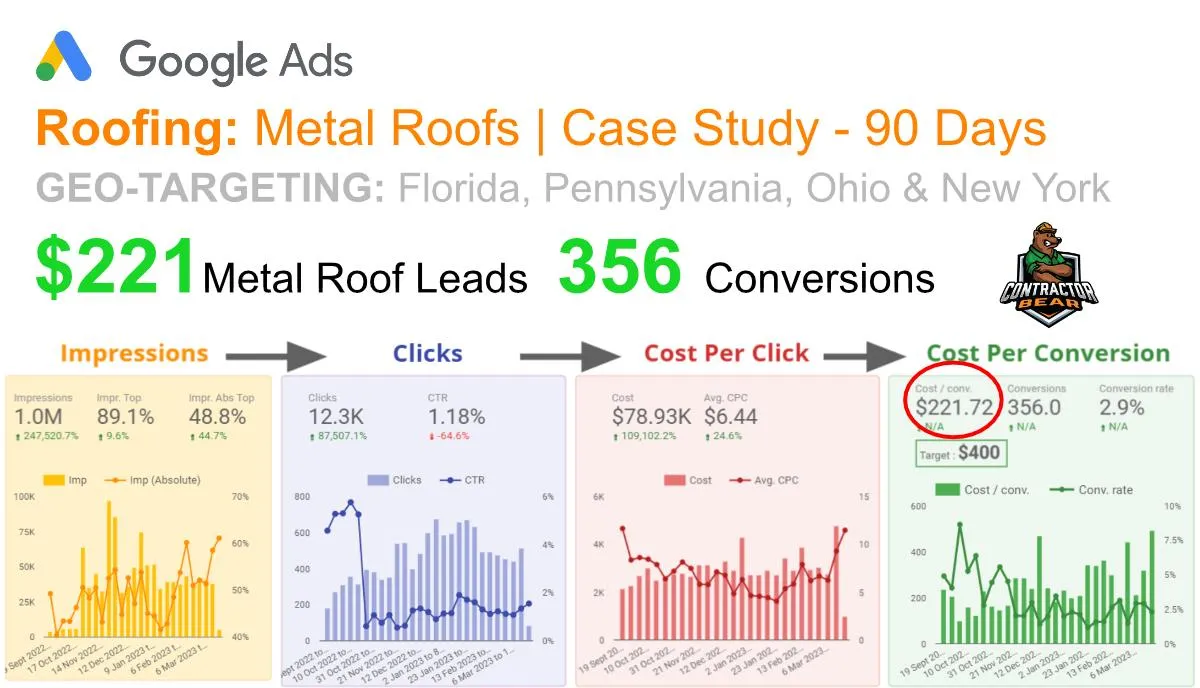
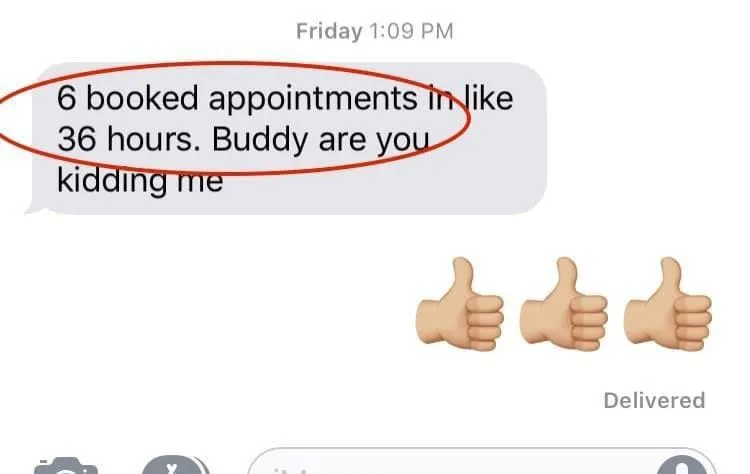
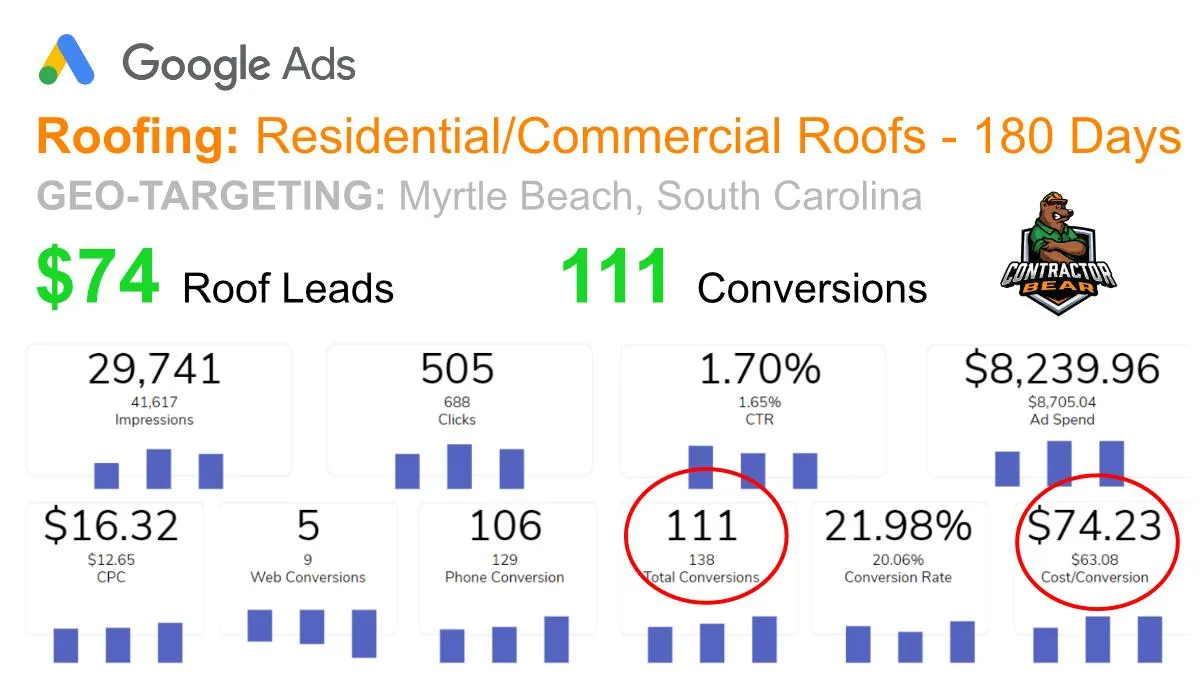
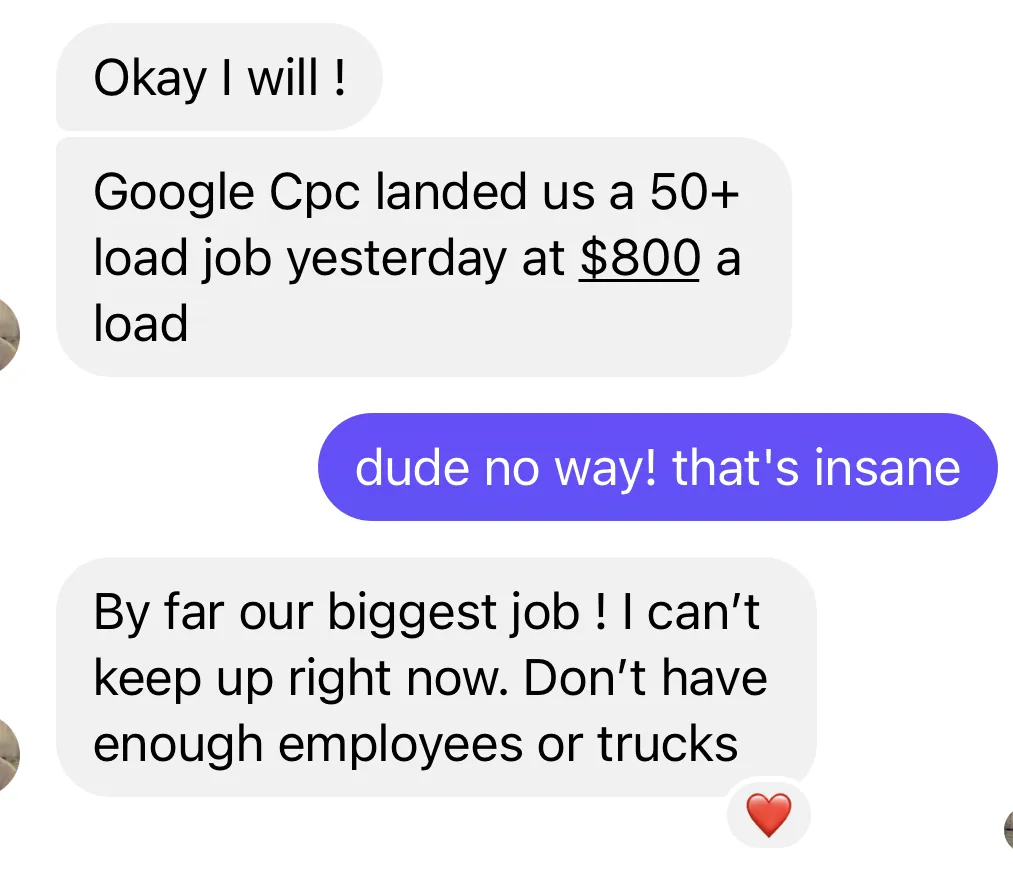
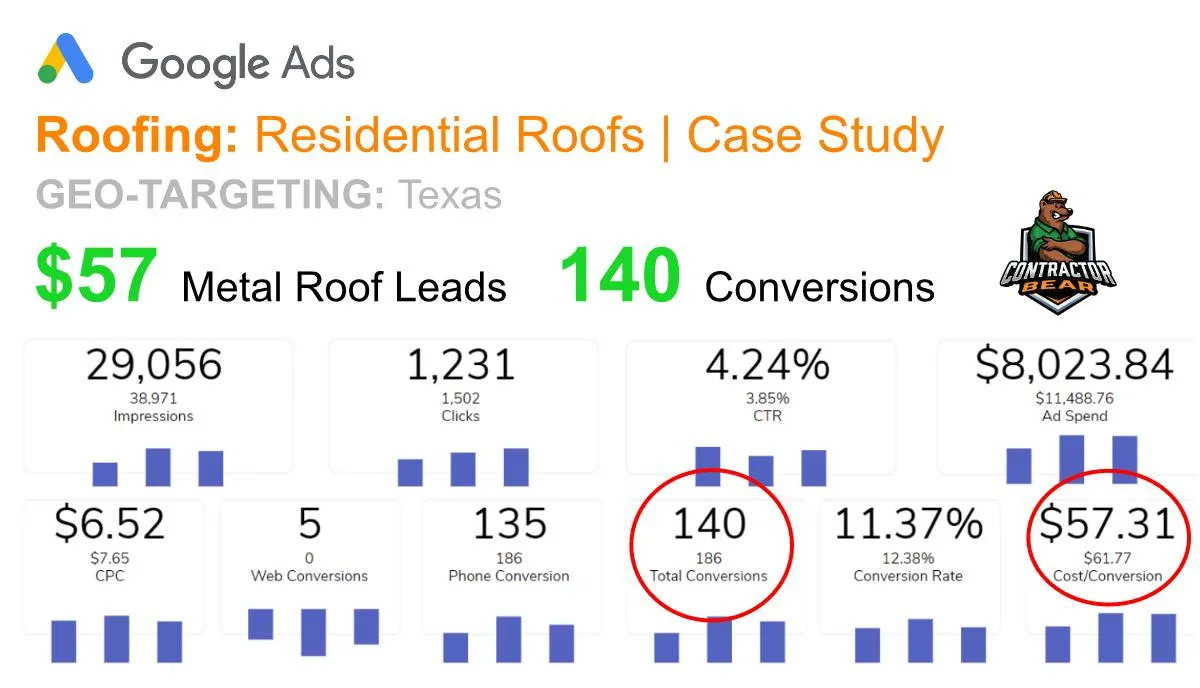
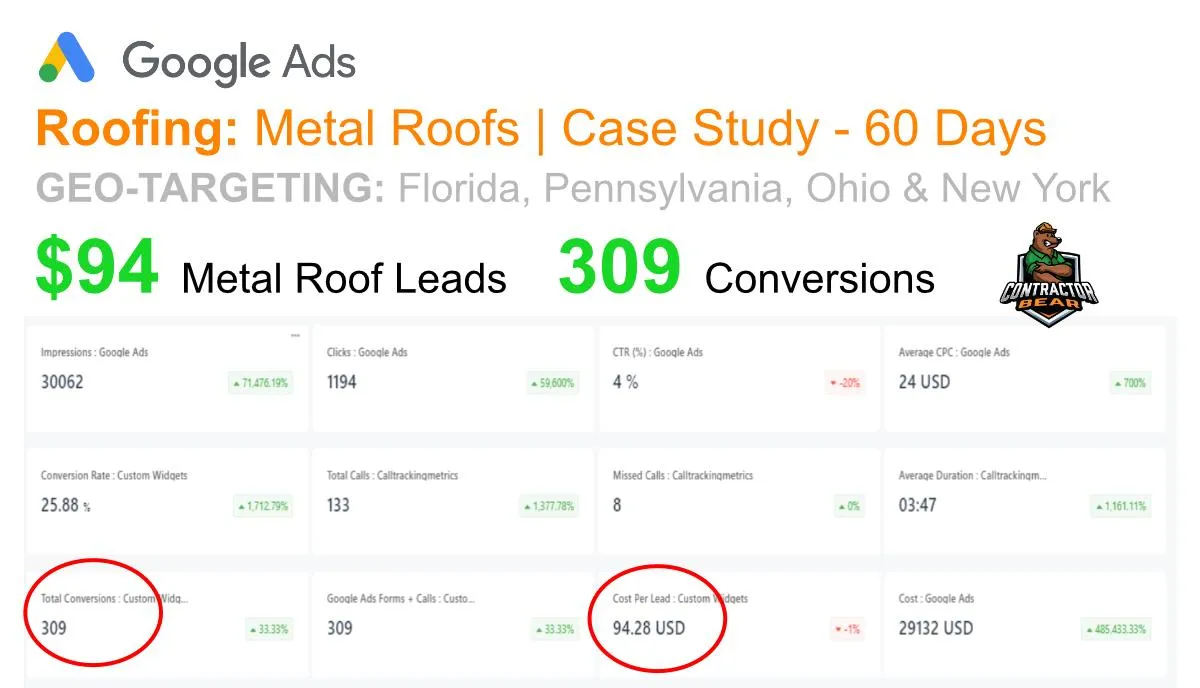
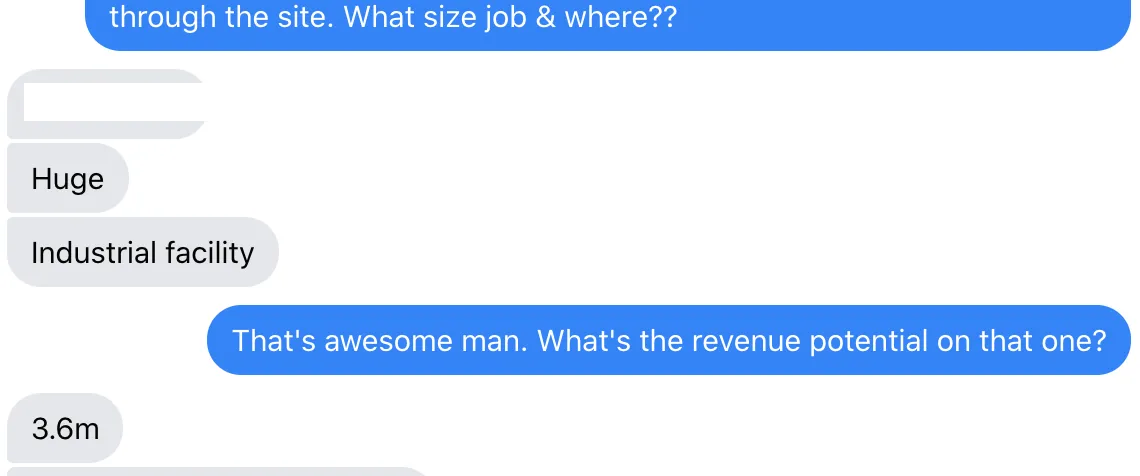
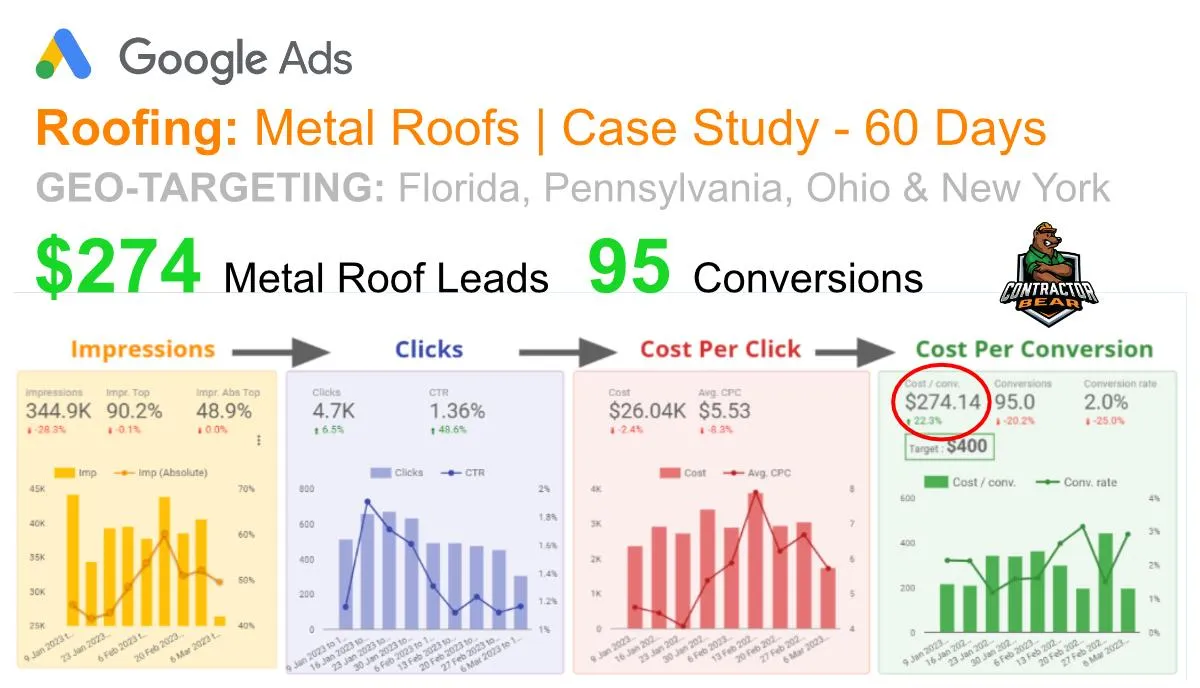
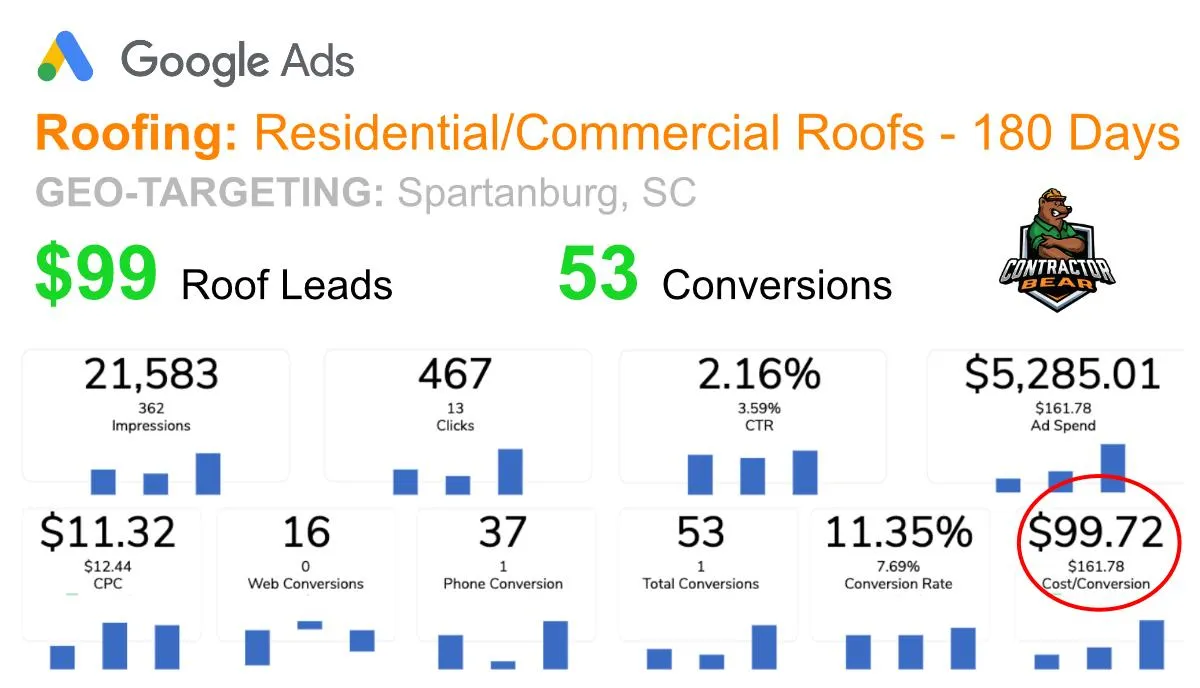
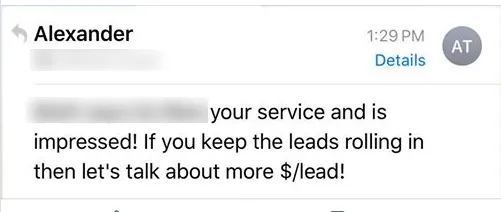
Real Results. Real Contractors.
Screenshots from our actual client dashboards and conversations. No stock photos, no fake numbers.


Packages for Cincinnati Landscaping Companies
Free custom website included with every plan. No setup fees, no long-term contracts.

Cub
Start building pipeline
- Google Business Profile optimization
- Local SEO foundation
- Review generation system
- Bring your own website

Black
Your free website tier
- FREE custom website
- ALL Everything in Cub, plus:
- Conversion-optimized site
- Call tracking + Growth Hub CRM

Grizzly
Accelerate your pipeline
- ALL Everything in Black, plus:
- Content marketing & blog
- Advanced review management
- City + service landing pages

Polar
Own your market
- ALL Everything in Grizzly, plus:
- Google Ads management
- Full-funnel lead nurturing
- Dedicated account manager
You only move up when we deliver. Tier upgrades trigger automatically when your attributed-lead count clears each threshold, with phone, email, and text notification before any price change. Attribution is limited to leads generated by our marketing — never your existing customers, referrals, or word-of-mouth.
Landscaping SEO FAQ
How long does SEO take to produce results for a landscaping company in Cincinnati?
Most Cincinnati landscaping companies see meaningful ranking improvements within 3–5 months and strong lead flow from organic search within 6–9 months. The timeline depends heavily on your starting point: a brand-new domain with no existing authority will take longer than an established site that just needs optimization. The most important variable is timing relative to seasonality — starting SEO in October or November means your rankings are building through winter and ready to capture the spring search surge in April and May. Starting in April means you're effectively waiting a full year for your first peak season of SEO-driven leads.
How much does landscaping SEO cost in Cincinnati, and what's the ROI?
Professional landscaping SEO in Cincinnati typically runs $1,000–$3,000 per month depending on the scope of services, your current baseline, and how aggressively you want to compete. The ROI math is straightforward: at $15–40 per organic lead with a 20–25% close rate, you're paying roughly $60–200 per acquired customer. With an average landscaping job value of $2,500 and a customer lifetime value of $8,000 from repeat maintenance and upsells, a single converted customer returns 40–130 times the cost of acquiring them through SEO. Most landscaping businesses that invest consistently in SEO for 12+ months find it becomes their single lowest cost-per-customer-acquired channel.
What keywords should my Cincinnati landscaping company target?
Your keyword strategy should span three tiers. First, commercial intent service keywords: 'landscaping company Cincinnati,' 'lawn care service Cincinnati OH,' 'hardscaping contractor Cincinnati,' and variations for each service you offer. Second, neighborhood and suburb keywords: 'landscaping Mason OH,' 'lawn care West Chester,' 'landscape design Blue Ash' — these are lower competition with high local relevance. Third, informational keywords that capture homeowners in the research phase: 'best grass for Cincinnati clay soil,' 'when to overseed lawn Cincinnati,' 'cost of patio installation Cincinnati.' The first tier drives direct leads, the second tier captures suburban demand, and the third builds authority and trust that improves conversion across all pages.
Is SEO better than Google Ads for a Cincinnati landscaping business?
For most established Cincinnati landscaping companies, SEO delivers better long-term ROI than Google Ads — lower cost per lead ($15–40 vs. $45–150), higher close rates (20–25% vs. 8–12%), and value that compounds rather than stopping when you pause spending. However, they serve different purposes. Google Ads can generate leads immediately while your SEO is being built, making them complementary in the first 6 months. Once your organic rankings are established, many landscaping businesses scale back paid spend dramatically and reinvest in SEO and content. The exception is highly competitive services during peak season — some companies maintain modest Google Ads campaigns for their highest-ticket services even after achieving strong organic rankings.
How do I get my landscaping business to appear in the Google Maps pack for Cincinnati searches?
Ranking in the Cincinnati Google Maps pack (the three businesses shown in the local map results) depends on three primary factors: proximity to the searcher, relevance of your GBP to the search query, and prominence signals including reviews, citations, and backlinks. To improve map pack rankings, fully optimize your Google Business Profile with all relevant service categories, upload regular photos, post weekly updates, and actively generate Google reviews — volume and recency both matter. Build consistent local citations across 50+ directories with identical name, address, and phone data. Earn backlinks from Cincinnati-area websites. And ensure your website's on-page optimization confirms the services and service areas on your GBP. Map pack rankings typically respond faster than organic rankings — some companies see improvement in 4–8 weeks after addressing GBP fundamentals.
Landscaping SEO in Nearby Cities
Landscaping SEO in Dayton →
Dayton, OH • Pop. 137,644
Landscaping SEO in Columbus →
Columbus, OH • Pop. 913,921
Landscaping SEO in Indianapolis →
Indianapolis, IN • Pop. 887,642
Landscaping SEO in Louisville →
Louisville, KY • Pop. 633,045
Landscaping SEO in Lexington →
Lexington, KY • Pop. 323,780
Landscaping SEO in Cleveland →
Cleveland, OH • Pop. 372,624
Landscaping Marketing Resources
Scale Your Landscaping Company →
Comprehensive growth guide for landscaping businesses.
All Landscaping Services →
See everything we offer for landscaping companies.
Google Business Profile Guide for Contractors →
In-depth article to help grow your business.
How to Get More 5-Star Reviews →
Practical strategies you can implement today.
Get a Free Landscaping SEO Audit for Cincinnati
We'll analyze your current rankings, identify your highest-value keyword opportunities, and show you a clear roadmap to page 1 results — plus build you a free professional website when you're ready to get started.