Landscaping SEO in St. Paul, MN
For St. Paul landscapers, organic search delivers leads at $15–40 each with a 20–25% close rate — outperforming Google Ads on both cost and quality. SEO is the only channel that compounds year after year without a monthly ad spend keeping it alive.
By Contractor Bear Team • March 2026
Get Your Free St. Paul Landscaping Audit
See exactly where you're losing leads to your top 3 landscaping competitors in St. Paul. No sales call required.
Why SEO Is the #1 Growth Channel for St. Paul Landscapers
Top 8 Local SEO Ranking Factors for Landscaping
What actually moves the needle for landscaping companies in St. Paul.
Google Business Profile
The map pack dominates landscaping searches in St. Paul — queries like 'landscaper near me' and 'lawn care St. Paul' trigger a 3-pack that sits above all organic results and captures the majority of clicks. Without a fully optimized GBP, you're competing for scraps below the fold.
Our approach: We claim and verify your GBP, select the highest-value primary and secondary categories (e.g., Landscaper, Lawn Care Service, Landscape Designer), upload geo-tagged photos of completed St. Paul projects, set precise service area boundaries, build out every service listed with keyword-rich descriptions, and establish a consistent weekly posting cadence to signal active engagement to Google's local algorithm.
On-Page SEO
Google needs to understand exactly what you do and where you do it. Generic page copy with no geographic context or service specificity can't rank for high-intent local queries that drive real landscaping leads in St. Paul.
Our approach: We optimize title tags, H1s, and meta descriptions with localized, service-specific keywords (e.g., 'hardscaping contractor St. Paul MN'). We structure each service page with clear topical focus, natural keyword density, internal linking to city and service combinations, and schema markup that signals LocalBusiness entity data to Google's crawlers.
Reviews and Ratings
Most consumers read reviews before hiring a home service contractor. Google also uses review velocity, recency, quantity, and keyword relevance in reviews as a direct ranking signal for the local map pack. A landscaper with 12 reviews from 2021 will lose to a competitor with 80 fresh reviews from the past year.
Our approach: We implement a systemized post-job review request sequence via SMS and email, timed to maximize response rate. We provide review response templates to handle both positive and negative reviews — responses signal engagement and include natural keyword opportunities that reinforce local relevance.
Local Citations
Consistent Name, Address, and Phone (NAP) data across directories like Yelp, Angi, HomeAdvisor, Houzz, and Thumbtack reinforces your geographic authority in Google's entity graph. Inconsistent or duplicate citations create trust signals that contradict each other and suppress rankings.
Our approach: We conduct a full citation audit, suppress duplicates, and build consistent citations across the top 50+ directories relevant to landscaping and home services in Minnesota. We also pursue industry-specific citations on platforms like Lawn & Landscape, LandscapingNetwork, and local St. Paul business directories.
Mobile Experience
More than 70% of local service searches now happen on mobile. Google uses mobile-first indexing, meaning your mobile site performance directly determines your search rankings — not your desktop experience. A slow-loading or hard-to-navigate mobile site is penalized algorithmically.
Our approach: We audit and improve Core Web Vitals scores (LCP, CLS, FID), optimize image compression for fast load times, ensure click-to-call buttons are prominent above the fold, and simplify navigation so a homeowner can request a quote in under 10 seconds on a phone.
Content Quality
Thin or duplicate content is one of the fastest ways to get filtered out of Google's rankings. For landscaping, content that genuinely answers homeowner questions (cost of a retaining wall in St. Paul, best grass varieties for Minnesota's Zone 4b climate, spring cleanup checklist) establishes topical authority that broad-match keyword stuffing can't achieve.
Our approach: We build a content strategy around the questions St. Paul homeowners are actually searching: seasonal guides, service cost pages, neighborhood-specific project galleries, and FAQ content targeting long-tail queries. Every piece is structured for featured snippet eligibility and internally linked to service pages.
Backlinks
Links from authoritative external websites act as votes of confidence in Google's ranking algorithm. A landscaping company with zero backlinks is at a structural disadvantage against competitors who have earned placements in local news, industry directories, and neighborhood association sites.
Our approach: We pursue backlinks through St. Paul neighborhood association partnerships, local real estate and home improvement blogs, Minnesota gardening and lawn care publications, and sponsorships of community events in areas like Ramsey Hill, Highland Park, and Macalester-Groveland where residential landscaping demand is high.
Technical SEO
Even the best content can't rank if Google's crawlers can't properly index your site. Crawl errors, broken internal links, missing XML sitemaps, slow server response times, and improper canonical tags are invisible problems that silently suppress rankings over time.
Our approach: We conduct a full technical audit covering crawlability, indexation, site architecture, XML sitemap health, robots.txt configuration, HTTPS implementation, structured data validity, and page speed. Issues are prioritized and resolved systematically, with monthly monitoring to catch regressions before they impact rankings.
SEO vs Paid Ads for Landscaping Companies
| Factor | SEO | Google Ads | Facebook Ads |
|---|---|---|---|
| Cost Per Lead | $15-40 | $45-150 | $25-80 |
| Close Rate | 20-25% | 8-12% | 5-8% |
| Time to Results | 3-6 months | Immediate | 1-2 weeks |
| Long-term Value | Compounds over time | Stops when you stop paying | Stops when you stop paying |
| Trust Level | High (earned placement) | Medium (paid label) | Low (interruptive) |
| Lead Quality | High intent | High intent | Lower intent |
Step-by-Step Local SEO for St. Paul Landscapers
Claim and Optimize Your Google Business Profile
Your GBP is the single highest-leverage asset in local SEO — and for landscaping in St. Paul, it's the gateway to map pack visibility. Start by claiming and verifying your listing, then build it out completely. Choose 'Landscaper' as your primary category and add relevant secondaries like 'Lawn Care Service' or 'Landscape Designer.' Upload at least 20 photos of completed projects across St. Paul neighborhoods — tagged with location data. Write a keyword-rich business description that mentions your core services and service area. Set your service area to cover the St. Paul metro without overreaching. Post weekly updates through the slow season to maintain algorithm engagement signals heading into spring.
Build Local Citations Across Key Directories
Local citations — consistent listings of your business name, address, and phone number across the web — form the foundation of Google's trust in your geographic relevance. For St. Paul landscapers, the priority directories are Yelp, Angi, Houzz, HomeAdvisor, Thumbtack, BBB, and the St. Paul Area Chamber of Commerce. Each listing must use identical NAP data: even small variations like 'Ave.' vs. 'Avenue' create conflicting signals. Beyond the big platforms, pursue Minnesota-specific directories and local neighborhood association resource pages. We audit existing citations first to suppress duplicates before building new ones, preventing the NAP inconsistency problem that silently tanks rankings.
Optimize Every Service Page for Local Search
Each service you offer — lawn maintenance, hardscaping, irrigation, outdoor lighting — deserves its own dedicated, fully optimized page rather than being buried in a single 'Services' dropdown. Each page should target a specific service-plus-location keyword combination: 'hardscaping contractor St. Paul MN,' 'irrigation installation Ramsey County,' 'retaining wall builder Highland Park St. Paul.' Beyond keyword placement in the title, H1, and meta description, every page needs at least 500 words of substantive content, structured FAQ sections targeting related long-tail queries, embedded Google Maps, and a clear call to action. Internal linking between service pages and city-specific content pages builds topical authority across your full site.
Generate and Manage Reviews Systematically
A single well-timed review request after a completed project can be worth hundreds of dollars in future organic leads. We set up a post-job review automation that sends an SMS and follow-up email to every closed customer, linking directly to your Google review form. The timing matters: requests sent within 24–48 hours of job completion see 3–4x higher response rates than delayed outreach. We also coach crews to mention the review request in person before leaving the job site. Every review — positive or negative — receives a professional response within 48 hours, incorporating natural keywords like 'landscape design in St. Paul' in a way that reads authentically and strengthens local relevance signals.
Create Locally Relevant Content That Answers Real Questions
Content is how you capture long-tail search traffic and establish topical authority beyond just your service pages. For St. Paul landscapers, there's a deep well of locally relevant topics: 'best lawn grass varieties for Minnesota Zone 4b,' 'how much does landscape design cost in St. Paul,' 'when to aerate your lawn in the Twin Cities,' 'spring cleanup checklist for St. Paul homeowners,' 'hardscaping permits in Ramsey County.' These articles attract homeowners at the research stage, build trust, and funnel readers toward your service pages. We build a 12-month editorial calendar timed to match St. Paul's seasonal search patterns, front-loading spring content creation during the winter slow period when competition for attention is lowest.
Build Quality Backlinks from Local and Industry Sources
Backlinks from credible external sites remain one of Google's strongest ranking signals. For St. Paul landscapers, the most accessible and relevant link sources include neighborhood association websites (Macalester-Groveland, Highland Park, Hamline-Midway), local real estate blogs covering St. Paul neighborhoods, the St. Paul Area Chamber of Commerce member directory, Minnesota nursery and garden center partnerships, and local home improvement publications. We also create linkable assets — project showcases, seasonal guides, cost calculators — that naturally attract citations from other websites. Every outreach effort focuses on relevance and authority rather than raw volume, because one link from the St. Paul Pioneer Press is worth more than 50 links from anonymous directories.
St. Paul Landscaping SEO Landscape
5 SEO Mistakes Landscaping Companies Make
Ignoring SEO During the Off-Season
Most St. Paul landscapers go dark online from November through February, pausing ads and abandoning their website entirely. This is exactly backwards from how SEO works — Google rewards consistent, long-term signals, and the 3–6 months it takes to build organic rankings means winter is precisely when you need to be investing in content, citations, and technical improvements so you're ranking by the time spring search volume explodes.
Fix: Use the slow season to build content targeting spring search queries (lawn aeration, spring cleanup, landscape design consultations), pursue backlinks, and fix technical SEO issues. You're planting seeds in winter that produce leads in April.
Using One Page for All Services
Cramming lawn maintenance, hardscaping, irrigation installation, tree care, and outdoor lighting onto a single 'Services' page is one of the most common and costly SEO mistakes landscapers make. Google can't rank a generic page for every specific service query, so you end up ranking for nothing or ranking for your brand name only — capturing zero new customers.
Fix: Create a dedicated, fully optimized page for each service you offer. Each page should target a specific keyword, contain at least 500 words of substantive content, and include a clear CTA. A standalone hardscaping page can rank for 'hardscaping contractor St. Paul' while your lawn care page ranks for 'lawn maintenance St. Paul MN.'
Neglecting Review Velocity
A landscaping company with 40 reviews from 2020 and none since then is sending a signal to both Google and potential customers that something has changed — and not for the better. Review recency is a ranking factor in the local map pack, and homeowners explicitly filter for recent reviews when evaluating contractors. A stagnant review profile is slowly eroding your competitive position every month.
Fix: Implement a post-job review request as a non-negotiable step in your workflow, not an afterthought. Text and email every completed customer within 24 hours. Set a monthly review target — even 4–5 new reviews per month outpaces the vast majority of local competitors and maintains strong recency signals year-round.
Inconsistent NAP Across Directories
If your business is listed as 'St. Paul Landscaping LLC' on Google, 'St Paul Landscaping' on Yelp, and 'SPL Landscaping' on HomeAdvisor — with a suite number on some listings but not others — Google's algorithm sees these as potentially separate businesses. The conflicting signals reduce your local authority score and suppress map pack rankings, even if you have great reviews and good on-page SEO.
Fix: Audit every directory listing you appear in, identify all variations of your NAP data, and standardize them to a single canonical format. Use a consistent business name, full street address including suite numbers, and one primary phone number across every platform. Then protect this consistency as an ongoing operational standard.
No Location-Specific Landing Pages
Landscaping companies serving St. Paul, Roseville, Maplewood, and Woodbury often optimize only for their headquarters city, leaving enormous search volume on the table in adjacent markets. Homeowners search for contractors near them — someone in Maplewood searches 'landscaper Maplewood MN,' not 'landscaper St. Paul.' A single homepage can't rank for every suburb and neighborhood where you actually do work.
Fix: Build dedicated service-area pages for every city and major neighborhood where you actively take jobs. Each page needs genuinely localized content — not just a find-and-replace of the city name — including local references, neighborhood-specific project examples, and locally relevant FAQs. These pages compound over time as each one earns its own ranking authority.
Real Results: Landscaping SEO Case Study
Full-service landscaping company in Minnetonka, Minnesota
Before
After
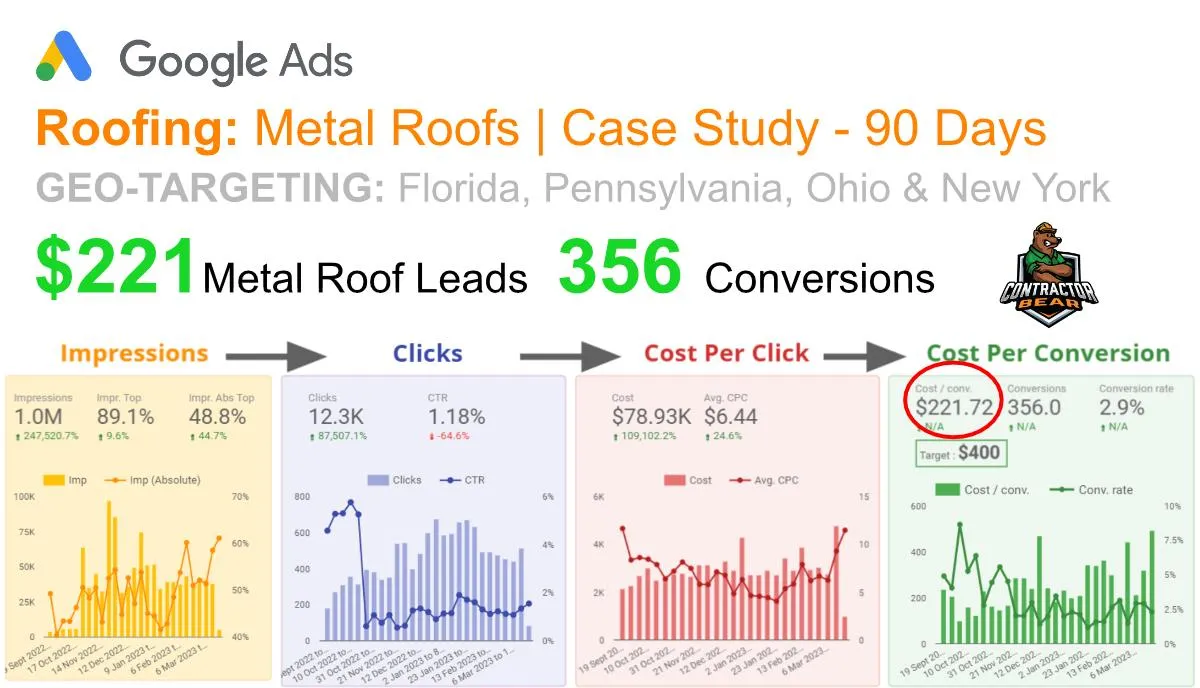
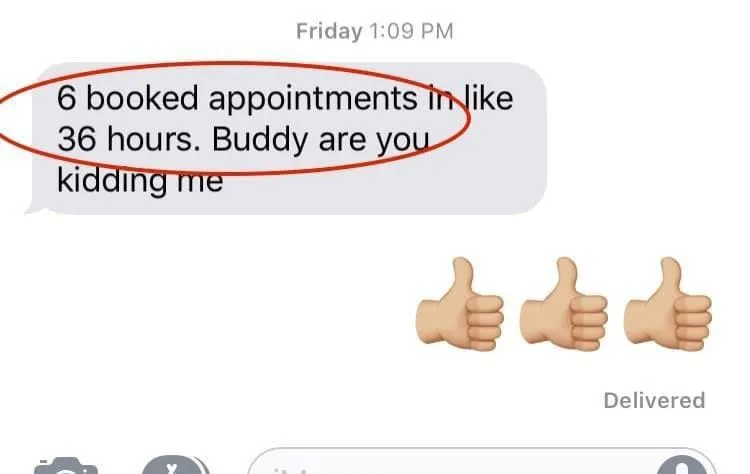
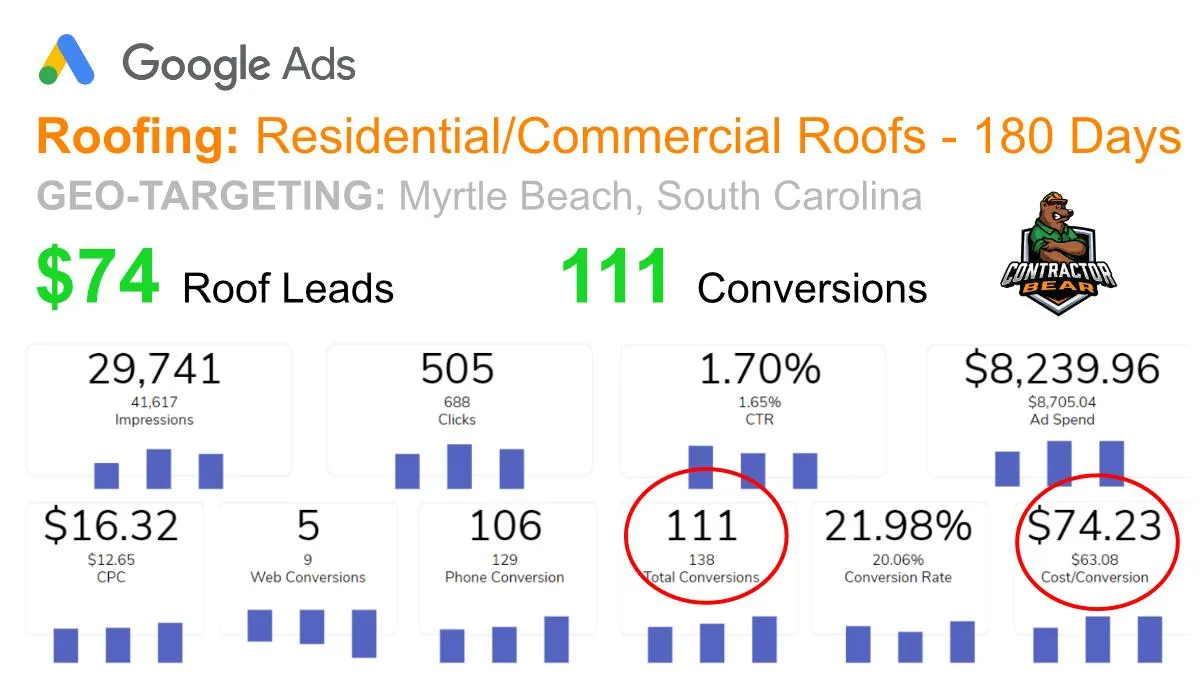
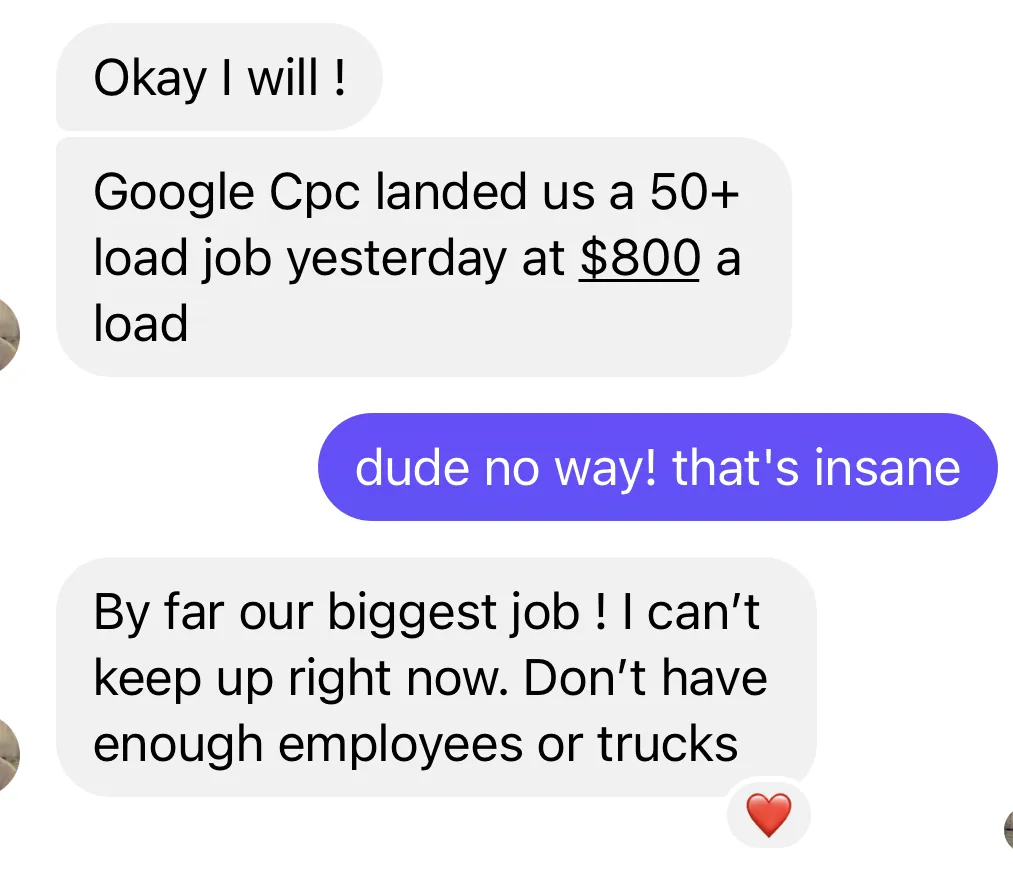
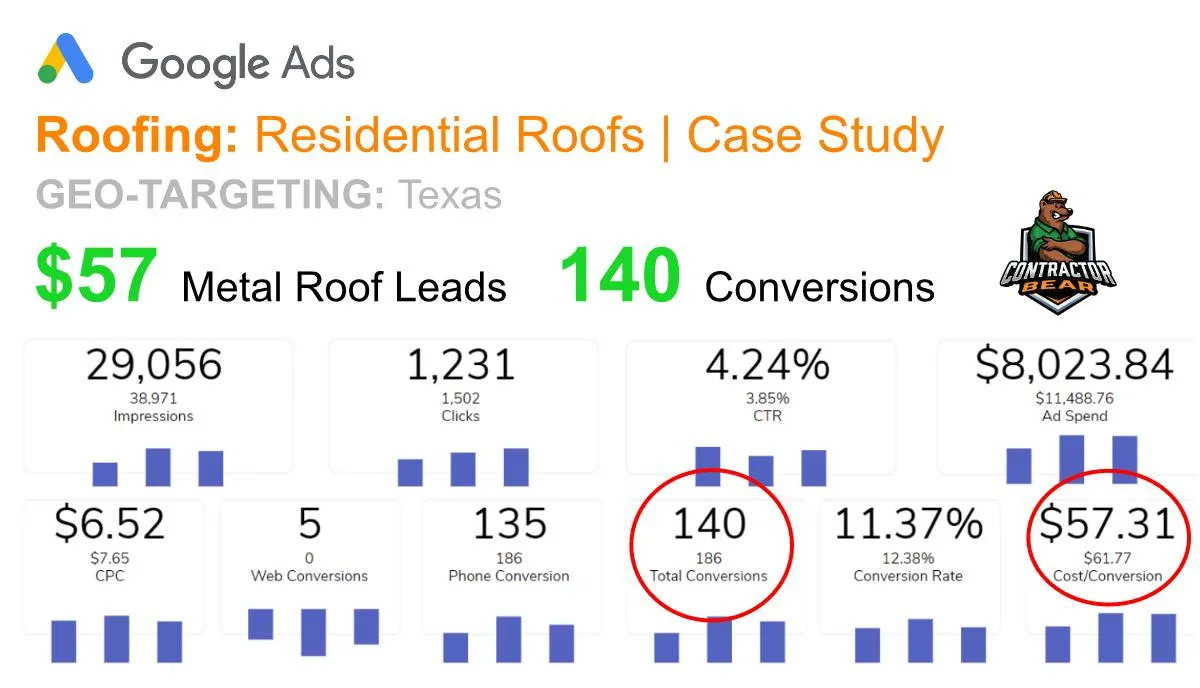
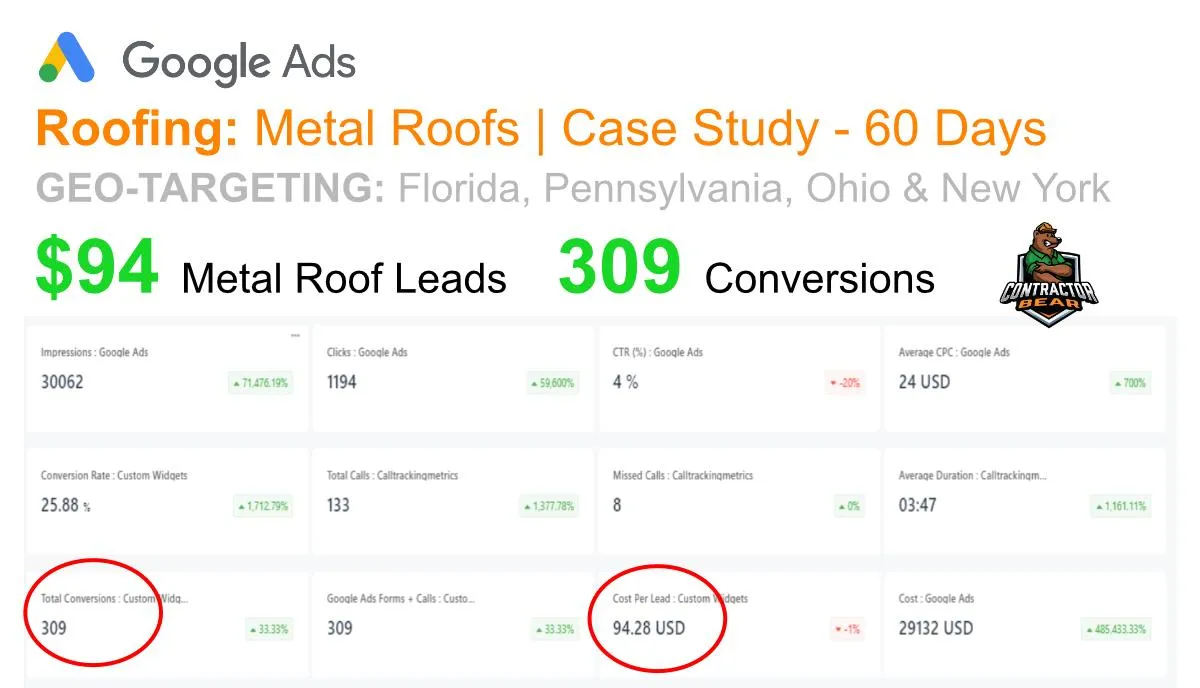
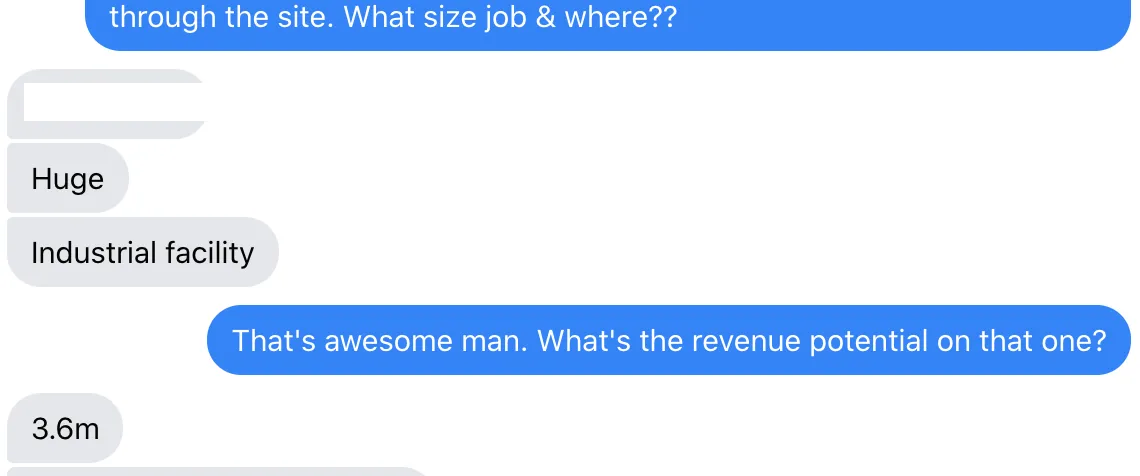
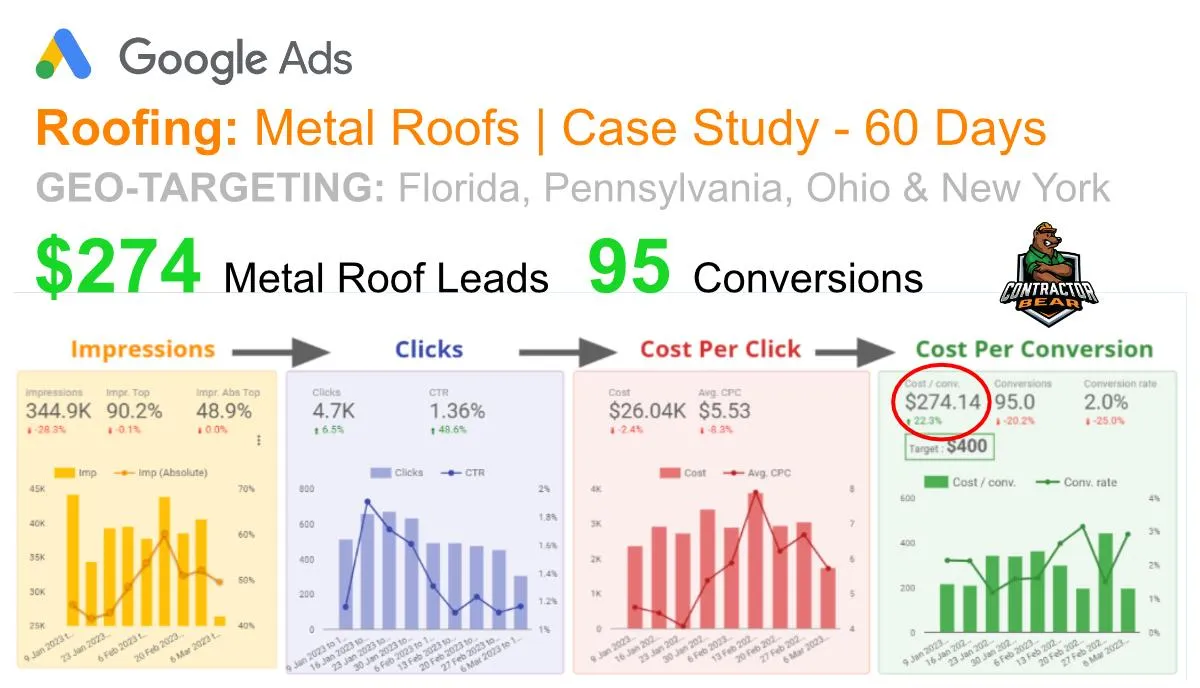
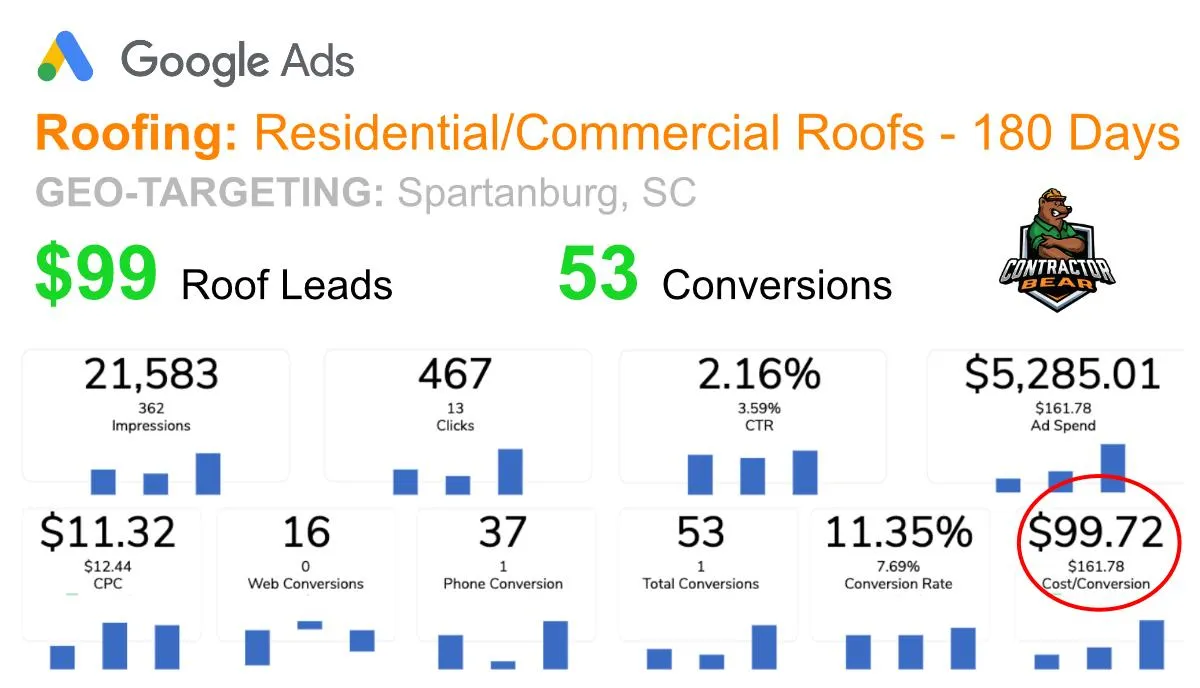
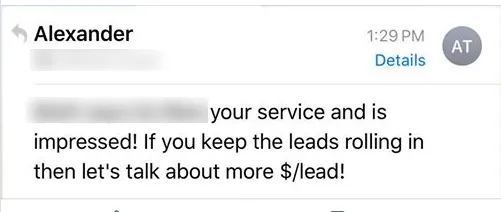
Real Results. Real Contractors.
Screenshots from our actual client dashboards and conversations. No stock photos, no fake numbers.


Packages for St. Paul Landscaping Companies
Free custom website included with every plan. No setup fees, no long-term contracts.

Cub
Start building pipeline
- Google Business Profile optimization
- Local SEO foundation
- Review generation system
- Bring your own website

Black
Your free website tier
- FREE custom website
- ALL Everything in Cub, plus:
- Conversion-optimized site
- Call tracking + Growth Hub CRM

Grizzly
Accelerate your pipeline
- ALL Everything in Black, plus:
- Content marketing & blog
- Advanced review management
- City + service landing pages

Polar
Own your market
- ALL Everything in Grizzly, plus:
- Google Ads management
- Full-funnel lead nurturing
- Dedicated account manager
You only move up when we deliver. Tier upgrades trigger automatically when your attributed-lead count clears each threshold, with phone, email, and text notification before any price change. Attribution is limited to leads generated by our marketing — never your existing customers, referrals, or word-of-mouth.
Landscaping SEO FAQ
How long does it take to see SEO results for my St. Paul landscaping business?
Most landscaping companies in St. Paul start seeing measurable movement in rankings and traffic within 90–120 days, with significant lead volume typically appearing at the 4–6 month mark. The timeline depends on your starting point: if you have zero online presence, you're building from scratch and the early months are foundational — fixing technical issues, building citations, optimizing your GBP. If you have existing authority but poor optimization, improvements can accelerate to 60–90 days. The critical strategic point for St. Paul landscapers is that work done in fall and winter positions you to rank by the spring surge. Starting in March means you miss the peak and have to wait until the following year.
What does landscaping SEO actually cost compared to what I'd spend on Google Ads?
A full landscaping SEO program in St. Paul typically runs $1,500–$3,500 per month depending on the scope of services and your competitive targets. At that investment and an organic CPL of $15–40, you'd need to generate 40–90 leads per month to break even with what you'd pay per-click. Most landscapers who stick with SEO for 6+ months are generating well beyond that. The more important comparison is lifetime math: a $2,500 job with 60% repeat rate and $8,000 lifetime value means a $40 organic lead can generate $8,000 in lifetime revenue. Google Ads at $150 per lead for the same customer is an 8x worse unit economics position before you even account for the compounding nature of SEO rankings.
Is Google Business Profile more important than my website for local landscaping SEO?
Both matter, but they serve different functions and reinforce each other. Your GBP drives map pack visibility for high-intent 'near me' and local queries — this is where 75% of searchers click first, and it requires zero website visit to generate a phone call. Your website handles organic rankings below the map pack, content-driven long-tail traffic, conversion optimization, and the credibility that turns a click into a call. Landscapers who optimize only their GBP miss the some searchers who scroll past the map pack. Those who focus only on their website miss map pack placement entirely. The highest-performing St. Paul landscaping companies treat both as interconnected assets — GBP for immediate visibility, website for depth and conversion.
How do I rank in St. Paul's map pack for landscaping searches?
The map pack algorithm weighs three primary factors: relevance (does your GBP match what the user searched?), distance (how close is your listed address to the searcher?), and prominence (how authoritative and trustworthy is your business based on reviews, citations, and website signals?). For St. Paul landscapers, the highest-leverage moves are: completing your GBP fully with all services and categories, building consistent citations across 50+ directories, generating a steady stream of recent reviews, earning backlinks from local sources, and publishing location-specific content on your website that reinforces geographic relevance. There's no single shortcut — map pack rankings are earned through the consistent accumulation of all these signals over 3–6 months.
Should I do SEO myself or hire an agency for my landscaping company?
DIY SEO is technically possible but requires significant ongoing time investment — realistic estimates run 10–15 hours per week to execute a competitive strategy properly. For most owner-operators running a landscaping business in St. Paul, that time is worth more on the job than behind a computer. The more practical question is ROI: a properly executed SEO program should generate enough in new landscaping contracts to justify the agency fee many times over. The key is choosing an agency that specializes in local home service SEO rather than a generalist firm, understands the landscaping industry's seasonality, and reports on actual lead outcomes — not just rankings and traffic.
Landscaping SEO in Nearby Cities
Landscaping SEO in Minneapolis →
Minneapolis, MN • Pop. 429,954
Landscaping SEO in Rochester →
Rochester, MN • Pop. 123,134
Landscaping SEO in Madison →
Madison, WI • Pop. 272,903
Landscaping SEO in Milwaukee →
Milwaukee, WI • Pop. 577,222
Landscaping SEO in Sioux Falls →
Sioux Falls, SD • Pop. 195,850
Landscaping SEO in Des Moines →
Des Moines, IA • Pop. 214,133
Landscaping Marketing Resources
Scale Your Landscaping Company →
Comprehensive growth guide for landscaping businesses.
All Landscaping Services →
See everything we offer for landscaping companies.
Google Business Profile Guide for Contractors →
In-depth article to help grow your business.
How to Get More 5-Star Reviews →
Practical strategies you can implement today.
Get a Free Landscaping SEO Audit for St. Paul
We'll show you exactly where your rankings stand today and a clear roadmap to organic leads — plus a free custom website included when you start your SEO program.