Landscaping SEO in Washington, DC
Organic search delivers landscaping leads in Washington at $15–$40 each—up to 75% cheaper than Google Ads—while closing at 20%+ because buyers are actively searching. For a business averaging $2,500 per job and $8,000 in lifetime value, dominating the DC search results isn't a marketing expense; it's compounding infrastructure.
By Contractor Bear Team • March 2026
Get Your Free Washington Landscaping Audit
See exactly where you're losing leads to your top 3 landscaping competitors in Washington. No sales call required.
Why SEO Is the #1 Growth Channel for Washington Landscapers
Top 8 Local SEO Ranking Factors for Landscaping
What actually moves the needle for landscaping companies in Washington.
Google Business Profile
The GBP map pack appears above organic results for nearly every local landscaping search in DC. Capturing a top-3 map pack position means your business is the first thing a homeowner sees when searching 'landscaper near me' or 'lawn care Washington DC'—before they even reach the organic listings.
Our approach: We fully build out your GBP with category-specific services (lawn maintenance, hardscaping, irrigation), seasonal photo uploads showing completed DC-area projects, Q&A population with keyword-rich answers, weekly posts timed to spring and fall search surges, and precise service-area mapping across DC neighborhoods like Capitol Hill, Georgetown, and Chevy Chase.
On-Page SEO
Google's algorithm reads your website to understand what services you offer and where you serve. Vague, thin pages with no geographic or service specificity rank for nothing. Landscaping is hyper-local—'lawn care' and 'lawn care Washington DC 20007' are entirely different search intents with different ranking requirements.
Our approach: We build dedicated service pages for each offering (lawn maintenance, hardscaping, irrigation, sod installation, etc.) with neighborhood-level geo-modifiers, optimized title tags under 60 characters, H1/H2 hierarchy aligned to target keywords, semantic keyword integration, and internal linking structures that channel authority from your strongest pages to newer ones.
Reviews and Ratings
Most homeowners read reviews before hiring a contractor. In DC's competitive market, a landscaper with 4.8 stars and 80 reviews dominates map pack CTR over a 4.2-star competitor with 20 reviews—Google's algorithm also weights review velocity and recency as local ranking signals.
Our approach: We implement a post-job SMS review request sequence timed for maximum response rates, create NFC tap cards for technicians to hand customers, respond to all reviews within 24 hours using keyword-rich language, and flag negative reviews for reputation repair. We target a sustained 5+ new reviews per month cadence.
Local Citations
NAP (Name, Address, Phone) consistency across directories signals to Google that your business is legitimate and established. Inconsistent citations—different phone numbers on Yelp vs. Angi vs. your website—erode local ranking trust and suppress your map pack position.
Our approach: We audit and correct your existing citations across 50+ directories, build new submissions in landscaping-specific and DC-specific directories (DMV home services, neighborhood association sites, HOA vendor lists), and implement ongoing citation monitoring to catch and fix discrepancies before they compound.
Mobile Experience
Over 70% of local landscaping searches happen on mobile devices. A slow, non-responsive website doesn't just frustrate visitors—Google's mobile-first indexing means your desktop rankings are directly tied to your mobile performance. A 3-second page load can increase bounce rates by 32%.
Our approach: We audit Core Web Vitals (LCP, FID, CLS), compress and properly serve images, implement lazy loading, eliminate render-blocking JavaScript, ensure tap targets meet minimum sizing, and test across iOS and Android devices. We target sub-2.5 second LCP scores to satisfy Google's 'Good' threshold.
Content Quality
Thin content—pages with fewer than 500 words and no substantive information—get filtered out of competitive results entirely. Google's Helpful Content System rewards landscaping websites that genuinely educate homeowners about DC-specific topics: clay soil remediation, shade-tolerant plants for the Mid-Atlantic, HOA landscaping compliance, and seasonal care calendars.
Our approach: We produce 1,500–3,000 word service and location pages, publish monthly blog content targeting informational DC landscaping queries, create seasonal guides (spring cleanup, fall leaf management, winter hardscaping), and build topic cluster architecture that signals subject-matter authority across your full service offering.
Backlinks
Backlinks from credible, relevant websites are still among Google's top 3 ranking factors. A DC landscaper with links from local HOA sites, architecture firms, home builders, and regional news outlets signals far more authority than a competitor with no external references—directly translating to higher rankings for competitive keywords.
Our approach: We pursue a targeted link-building program: outreach to DC-area home improvement blogs and real estate sites, guest posts on regional contractor industry publications, supplier and manufacturer partner links, local business association memberships (DC Chamber, neighborhood BIDs), and sponsorship of DC-area community beautification events that generate editorial coverage.
Technical SEO
Even excellent content fails to rank if Google can't properly crawl, index, and understand your website. Technical issues like duplicate content from location pages, missing XML sitemaps, broken internal links, or incorrect canonical tags can silently suppress your rankings across every keyword you're targeting.
Our approach: We conduct a full technical audit covering crawlability, indexation, site architecture, XML sitemap accuracy, robots.txt configuration, structured data markup (LocalBusiness, Service, FAQPage schema), canonical tag implementation, 301 redirect chains, and HTTPS security. We run quarterly re-audits to catch regressions before they impact rankings.
SEO vs Paid Ads for Landscaping Companies
| Factor | SEO | Google Ads | Facebook Ads |
|---|---|---|---|
| Cost Per Lead | $15-40 | $45-150 | $25-80 |
| Close Rate | 20-25% | 8-12% | 5-8% |
| Time to Results | 3-6 months | Immediate | 1-2 weeks |
| Long-term Value | Compounds over time | Stops when you stop paying | Stops when you stop paying |
| Trust Level | High (earned placement) | Medium (paid label) | Low (interruptive) |
| Lead Quality | High intent | High intent | Lower intent |
Step-by-Step Local SEO for Washington Landscapers
Claim & Optimize Your Google Business Profile
Your GBP is the single highest-leverage asset in local SEO. Start by claiming and verifying your listing at business.google.com, then build it out completely: select 'Landscaper' as your primary category and add secondary categories like 'Lawn care service' and 'Landscape designer.' Define your service area by DC neighborhoods—Georgetown, Capitol Hill, Dupont Circle, Spring Valley—rather than a radius. Upload 20+ photos of completed DC projects immediately, and add every service you offer with individual descriptions. Enable messaging and set up automated responses. Post weekly updates timed to spring cleanup season (March–April) and fall leaf removal (October–November) when DC search volume peaks. A fully optimized GBP regularly outranks landscapers with far older, more authoritative websites.
Build Consistent Local Citations
Citations are mentions of your business name, address, and phone number (NAP) on directories, review sites, and local platforms. Consistency is non-negotiable—if your phone number on Yelp differs from your website by even a digit, Google treats them as potentially different businesses and dilutes your local authority. Audit your existing presence using a tool like BrightLocal or Whitespark, then systematically correct every inconsistency. Build new citations in priority directories: Google, Yelp, Angi, Houzz, Thumbtack, the DC Better Business Bureau, and neighborhood-specific sites like the Capitol Hill Community Foundation vendor list and DC neighborhood Facebook groups and HOA portals. Aim for 50+ accurate, consistent citations within the first 90 days of your campaign.
Optimize Your Website's On-Page SEO
Each service you offer needs its own dedicated page—not a single 'Services' page listing everything in bullet points. A homeowner in Chevy Chase searching for 'hardscaping contractor DC' needs to land on a page specifically about hardscaping in Washington, not scroll through your entire service menu. Each service page should have a keyword-optimized title tag (e.g., 'Hardscaping Contractor Washington DC | [Company Name]'), an H1 that matches search intent, 800–1,500 words of substantive content addressing DC-specific considerations (soil type, permit requirements for retaining walls, HOA guidelines), local schema markup, and a clear call to action. Internal links should connect related services and location pages to distribute ranking authority across your site architecture.
Generate a Steady Stream of Reviews
Washington homeowners are educated, skeptical, and research-driven—93% read reviews before hiring. A landscaping company with fewer than 25 reviews in DC's market is effectively invisible to quality prospects regardless of ranking position. Build a systematic post-job review request process: send an SMS within 2 hours of job completion with a direct link to your Google review page, follow up by email 48 hours later if no review was left, and have technicians present branded NFC cards for on-the-spot review requests. Aim for a minimum of 5 new reviews per month. Respond to every review—positive and negative—within 24 hours using keywords naturally (e.g., 'We're glad you loved your new hardscaping in Bethesda'). Review velocity is a live ranking signal; consistent new reviews outperform a stale 5-star rating.
Create Local Content That Answers DC Homeowner Questions
Google's Helpful Content System rewards websites that genuinely serve the informational needs of their local audience. For DC landscapers, this means producing content that addresses the specific realities of landscaping in the District: how to manage clay soil in DC yards, the best shade-tolerant ground covers for DC's humidity, retaining wall permit requirements in DC proper, spring cleanup timing for the Mid-Atlantic climate, and deer-resistant plantings for properties bordering Rock Creek Park. Publish one substantive blog post or guide per month targeting these informational searches. This content earns backlinks naturally, signals topical authority to Google, and captures homeowners early in their research process—before they're ready to request a quote—building brand familiarity that pays off when they're ready to hire.
Build Quality Backlinks from DC-Relevant Sources
Backlinks from credible external websites remain one of Google's strongest ranking signals. For DC landscapers, the most valuable links come from locally relevant and industry-adjacent sources: neighborhood HOA websites and community association vendor lists, DC-area real estate blogs and home improvement publications, architecture and interior design firms that refer landscape work, local home builders who need landscaping subcontractors, and regional news outlets covering community improvement stories. Reach out to these organizations with genuine value—offer to write a guest post on spring planting in DC, sponsor a neighborhood beautification day for editorial coverage, or ask existing commercial clients to add you to their vendor directory. Five high-quality local backlinks outperform 50 generic directory submissions.
Washington DC Landscaping SEO Landscape
5 SEO Mistakes Landscaping Companies Make
Targeting Only Generic Metro Keywords
Most DC landscapers waste months chasing 'landscaper Washington DC' while ignoring the hundreds of lower-competition, high-converting neighborhood searches that surround it. Ranking for 'lawn maintenance Georgetown' or 'hardscaping Dupont Circle' is achievable in 60–90 days and delivers buyers who are already location-confirmed and closer to a hiring decision.
Fix: Build a keyword map that includes 20–30 neighborhood-specific variations of each service. Create dedicated landing pages for your highest-value DC neighborhoods and interlink them through a hub-and-spoke architecture that boosts authority across the entire cluster.
Letting Google Business Profile Sit Incomplete
A bare-bones GBP with no photos, no service descriptions, no Q&A, and no posts is leaving map pack visibility on the table. In DC's competitive market, the GBP with 50+ photos, weekly posts, and 80+ reviews consistently ranks above the GBP with better organic authority but minimal profile investment—Google weights profile completeness heavily.
Fix: Treat your GBP as a living marketing asset. Upload 5+ new project photos per month, post weekly seasonal updates, answer every Q&A with keyword-rich responses, and ensure your service list matches your website's service pages exactly.
Ignoring Seasonal SEO Timing
DC landscapers who start SEO work in March are already 3 months late for the spring revenue surge. Organic SEO takes 3–6 months to produce significant ranking movement—which means the work you do in winter determines your spring and summer rankings. Waiting until busy season to invest in SEO means investing during the season you're trying to capture.
Fix: Structure your SEO calendar around DC's landscaping seasonality. Build and optimize spring service pages (cleanup, design, irrigation) in November–January. Build and optimize fall service pages (leaf removal, overseeding, hardscaping) in June–August. Rankings built in the off-season compound into peak-season revenue.
No Service-Specific Pages (One Giant 'Services' Page)
A single services page listing lawn maintenance, hardscaping, irrigation, tree care, and outdoor lighting in bullet points cannot rank for any of these terms competitively. Google needs dedicated pages to understand the depth and specificity of each service offering. A single services page dilutes your authority across all keywords and ranks well for none.
Fix: Create individual, substantive pages for each service you offer—minimum 800 words each, with DC-specific content (local plant recommendations, permit requirements, climate considerations). Interlink these pages logically and ensure each targets a distinct keyword cluster with its own title tag, H1, and meta description.
Not Tracking SEO Attribution Separately from Paid Leads
Landscapers who mix organic, paid, and referral leads in the same tracking bucket cannot make intelligent marketing investment decisions. If organic SEO is generating 60% of your leads at $20 CPL while Google Ads generates 40% at $95 CPL, you need to know that—so you can reallocate budget and double down on what's compounding. Without attribution, most landscapers under-invest in SEO and over-invest in paid channels.
Fix: Implement UTM parameters on all paid campaigns, set up Google Analytics 4 with goal tracking, use call tracking numbers differentiated by channel (organic, GBP, paid), and review channel-level CPL and close rate monthly. Make SEO investment decisions based on this data, not gut feel.
Real Results: Landscaping SEO Case Study
Full-service landscaping company in Washington, District of Columbia
Before
After
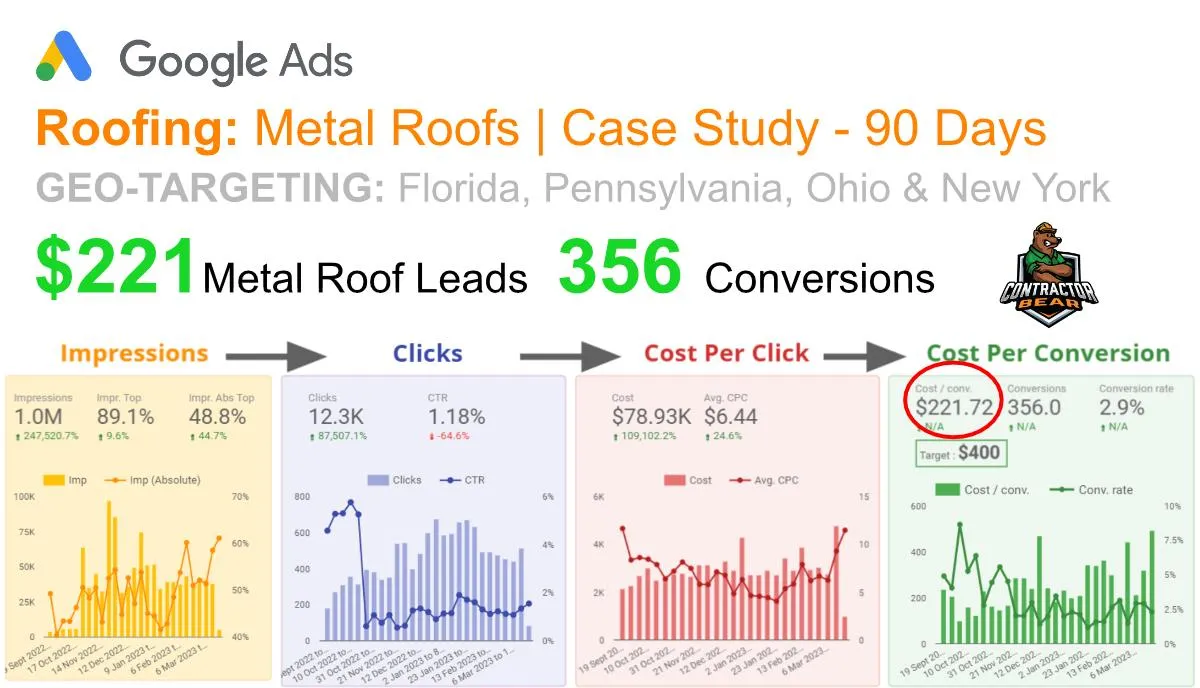
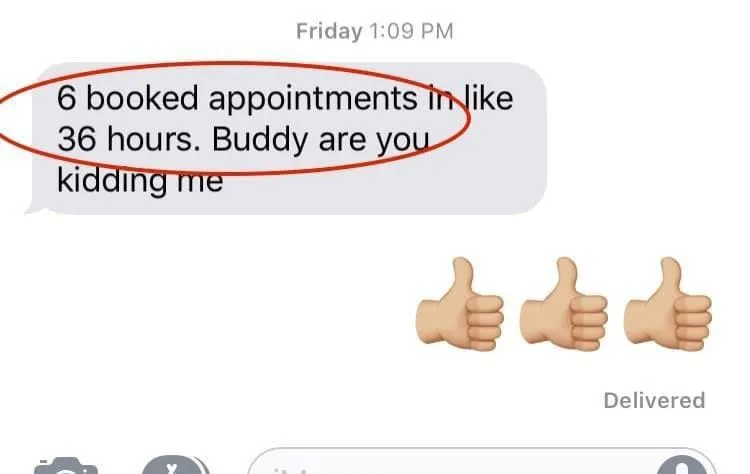
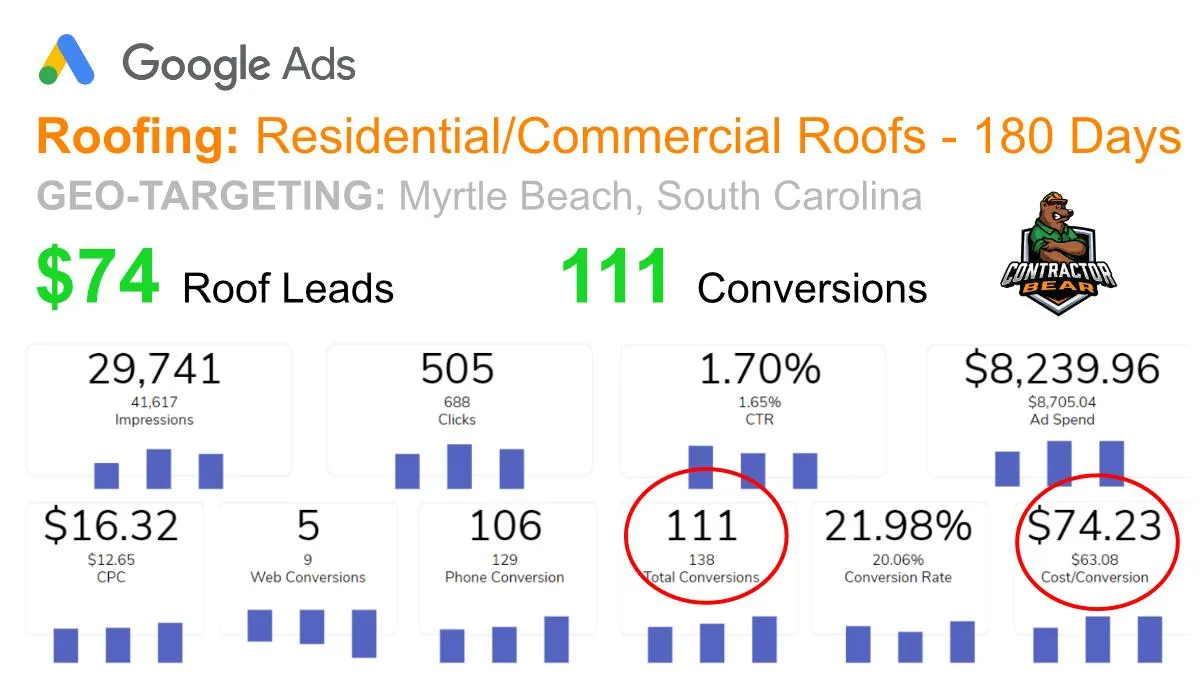
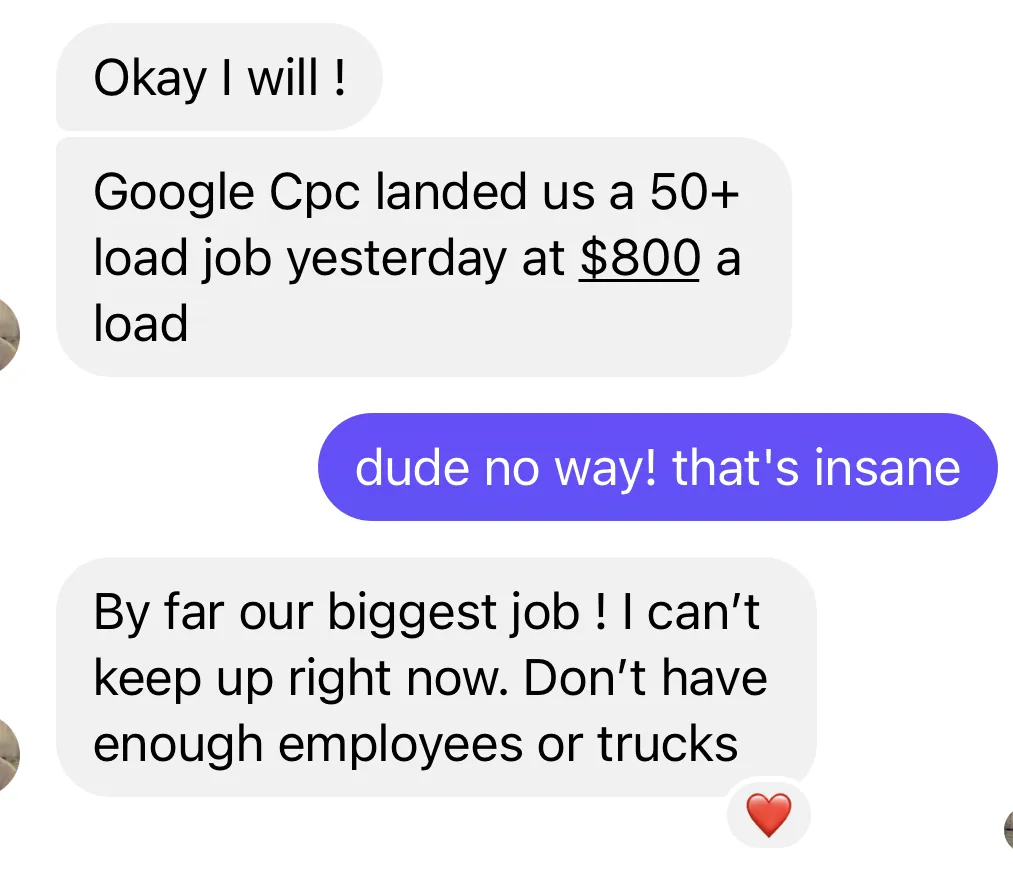
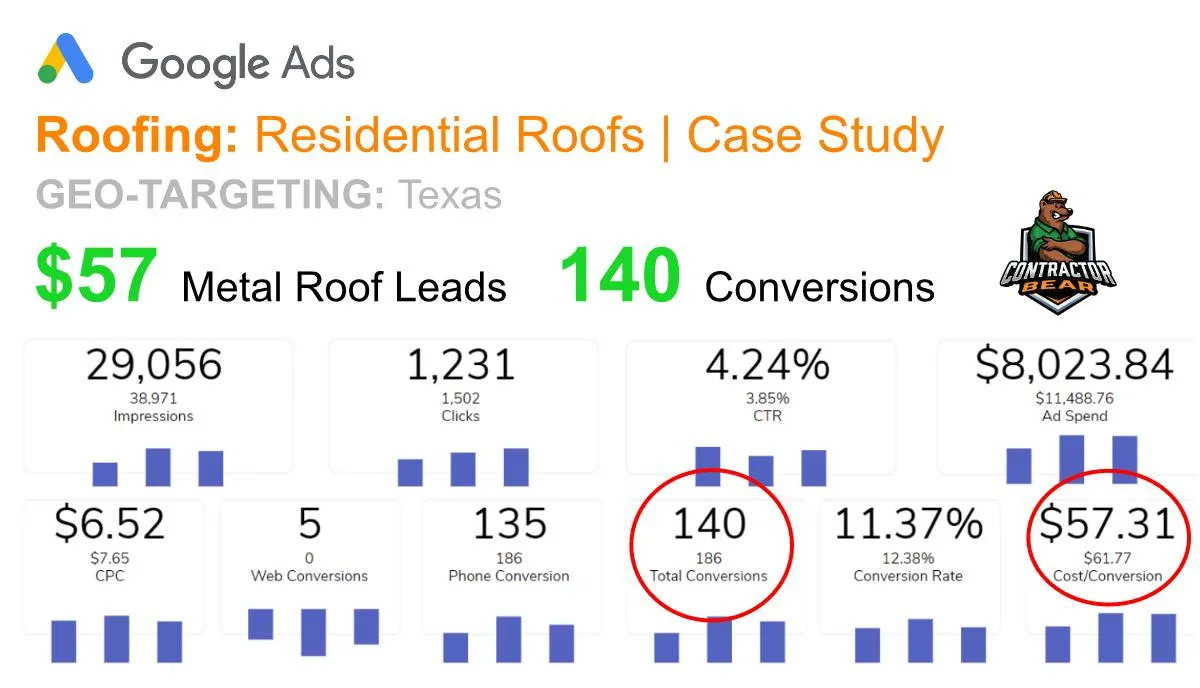
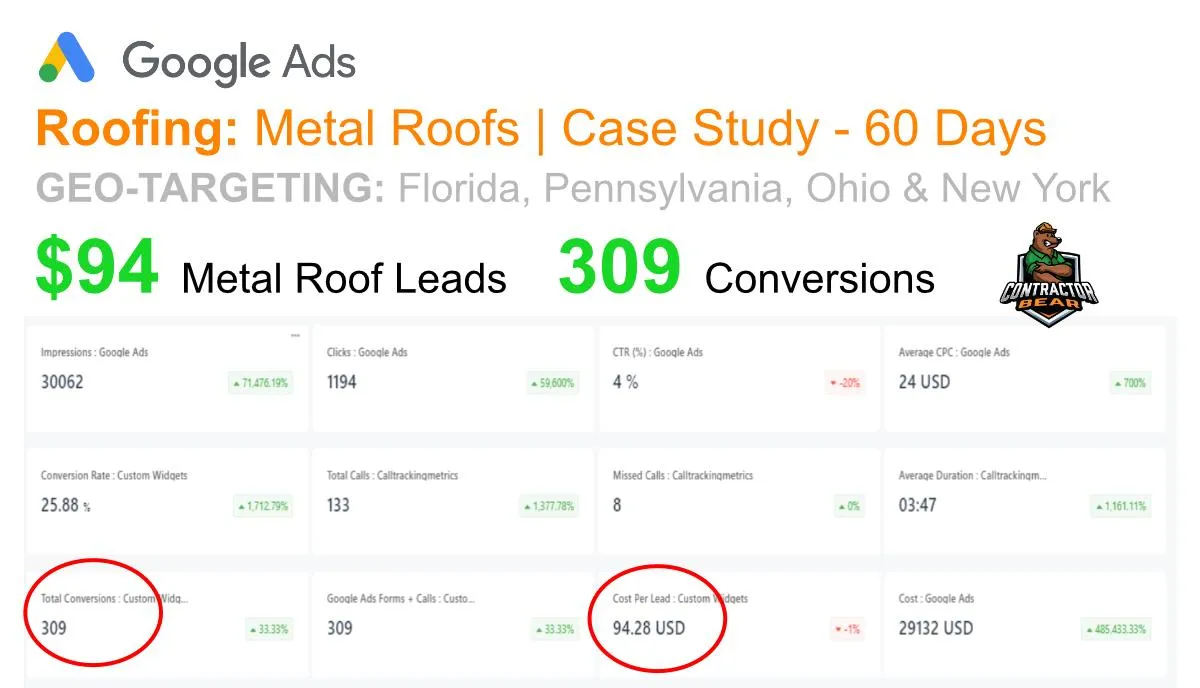
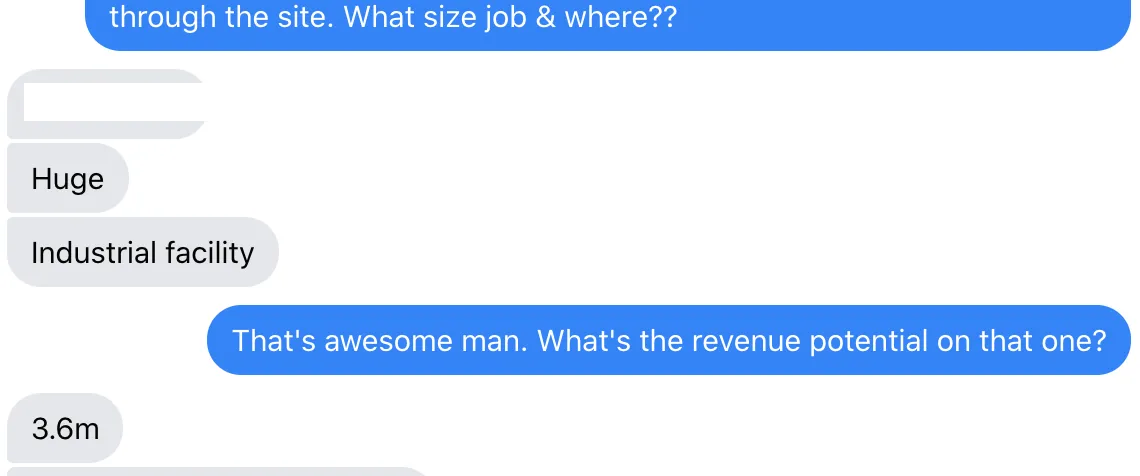
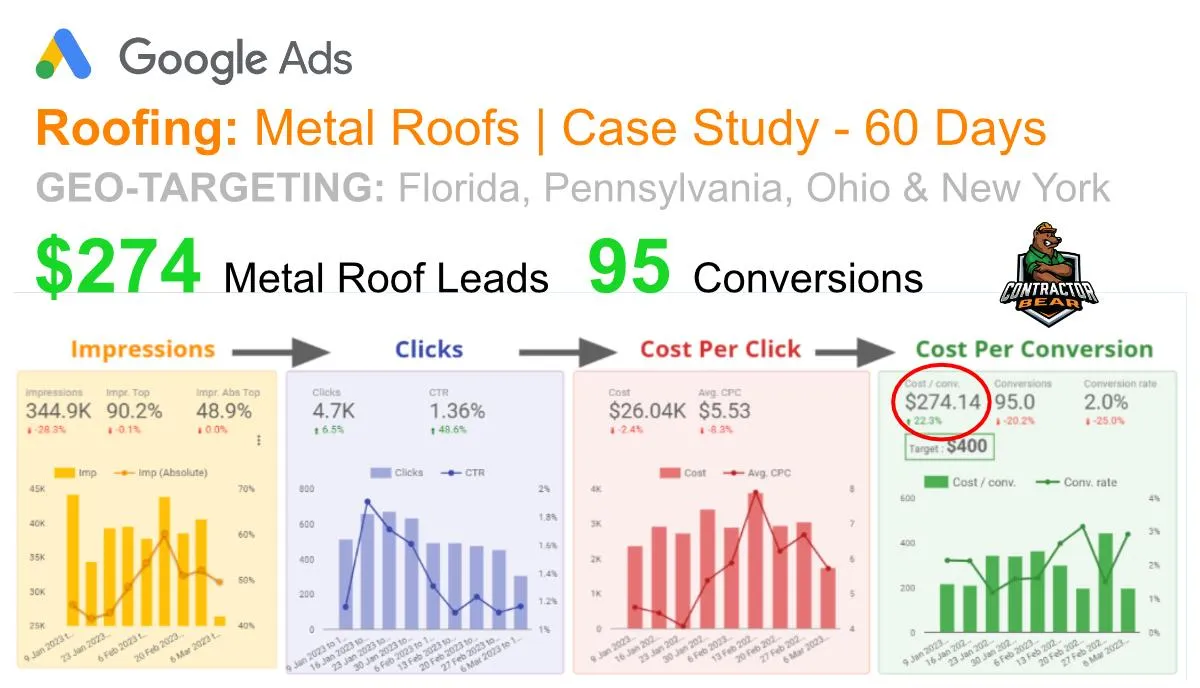
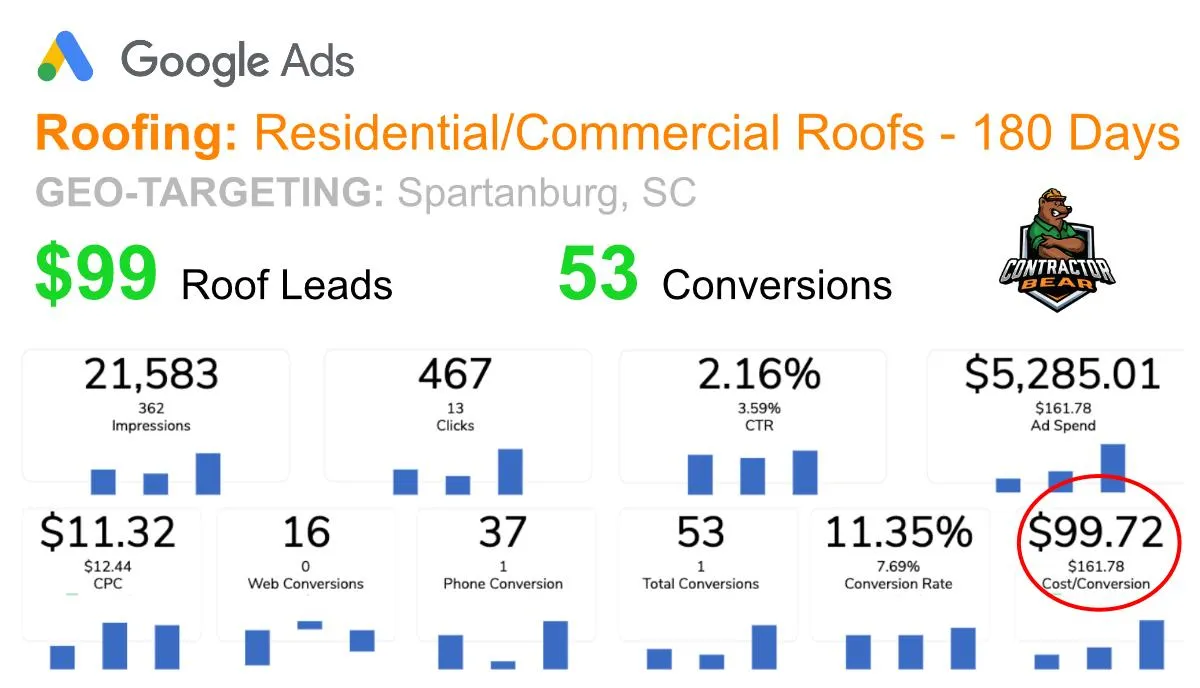
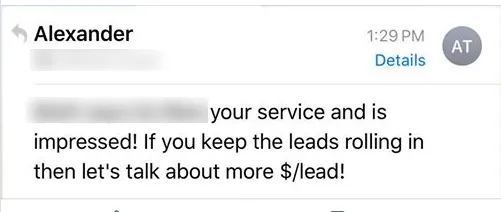
Real Results. Real Contractors.
Screenshots from our actual client dashboards and conversations. No stock photos, no fake numbers.


Packages for Washington Landscaping Companies
Free custom website included with every plan. No setup fees, no long-term contracts.

Cub
Start building pipeline
- Google Business Profile optimization
- Local SEO foundation
- Review generation system
- Bring your own website

Black
Your free website tier
- FREE custom website
- ALL Everything in Cub, plus:
- Conversion-optimized site
- Call tracking + Growth Hub CRM

Grizzly
Accelerate your pipeline
- ALL Everything in Black, plus:
- Content marketing & blog
- Advanced review management
- City + service landing pages

Polar
Own your market
- ALL Everything in Grizzly, plus:
- Google Ads management
- Full-funnel lead nurturing
- Dedicated account manager
You only move up when we deliver. Tier upgrades trigger automatically when your attributed-lead count clears each threshold, with phone, email, and text notification before any price change. Attribution is limited to leads generated by our marketing — never your existing customers, referrals, or word-of-mouth.
Landscaping SEO FAQ
How long does landscaping SEO take to produce results in Washington, DC?
For a DC landscaping company starting from a weak baseline (little to no existing authority), expect meaningful ranking movement in 3–4 months and competitive first-page rankings in 6–9 months for neighborhood-level terms. Metro-level terms like 'landscaper Washington DC' with established competitors typically take 9–12 months to crack the top 5. The timeline accelerates significantly if your GBP is optimized early and review generation starts in month one—Google Business Profile rankings often move within 60–90 days. The critical insight for DC's seasonal market: every month you delay is one month further from the next spring revenue surge.
How much should a Washington DC landscaping company invest in SEO?
Effective landscaping SEO in DC's competitive market typically runs $1,500–$4,000 per month depending on scope—covering GBP management, on-page optimization, content production, citation building, and link acquisition. At a $40 organic CPL and $2,500 average job value, a campaign generating 20 leads per month returns $50,000 in revenue against $2,000–$3,000 in investment. The ROI calculus shifts further in your favor when you factor in the 60% repeat rate: a lawn maintenance client acquired through SEO at a $200 cost-per-acquisition is worth $8,000 in lifetime revenue. Compare that to Google Ads at $450–$1,500 per customer acquired.
What keywords should my Washington DC landscaping website target?
Your keyword strategy should span three tiers. High-volume metro terms (1,000–5,000 monthly searches): 'landscaper Washington DC,' 'lawn care DC,' 'landscaping company DC.' These are competitive and take 9–12 months but drive significant volume. Mid-volume neighborhood terms (100–500 searches): 'landscaper Georgetown,' 'lawn maintenance Chevy Chase,' 'hardscaping Capitol Hill.' Achievable in 3–6 months and convert at premium rates. Long-tail informational terms (10–100 searches): 'best grass seed for DC clay soil,' 'retaining wall permit Washington DC,' 'when to aerate lawn DC.' These rank fastest, build topical authority, and capture homeowners early in their research process before competitors can intercept them.
Does seasonal slowdown affect SEO rankings for DC landscapers?
Rankings themselves don't drop seasonally—but search volume for landscaping queries in DC falls 60–70% from November through January, so the leads generated from those rankings naturally decrease. What changes is the composition of winter searches: 'landscape design Washington DC' and 'hardscaping quotes DC' maintain stronger winter volume than maintenance-oriented terms, because homeowners plan design projects in winter for spring installation. A well-structured SEO strategy captures this winter planning traffic with design-focused content, then pivots to maintenance and emergency service terms as spring volume builds. Crucially, Google continues evaluating and adjusting rankings year-round—winter is when you gain ground on competitors who have paused their SEO investment.
Can I do landscaping SEO myself or do I need an agency?
Basic GBP optimization and review generation are absolutely DIY-able and should be your first move regardless. Setting up your profile correctly, uploading project photos, and implementing a post-job SMS review request takes 4–6 hours and produces measurable results within 60 days. Technical SEO, content production, link building, and sustained citation management are a different matter—these require specialized tools (Ahrefs, Screaming Frog, BrightLocal), domain expertise, and consistent monthly execution. DC's competitive market means your competitors are likely working with agencies. DIY SEO in a high-competition market often produces slow results that discourage continued investment before the compounding effect kicks in. A focused 6-month professional campaign typically outperforms 18 months of part-time DIY effort.
Landscaping SEO in Nearby Cities
Landscaping SEO in Alexandria →
Alexandria, VA • Pop. 160,530
Landscaping SEO in Baltimore →
Baltimore, MD • Pop. 602,495
Landscaping SEO in Richmond →
Richmond, VA • Pop. 226,610
Landscaping SEO in Virginia Beach →
Virginia Beach, VA • Pop. 459,470
Landscaping SEO in Hampton →
Hampton, VA • Pop. 136,454
Landscaping SEO in Newport News →
Newport News, VA • Pop. 186,247
Landscaping Marketing Resources
Scale Your Landscaping Company →
Comprehensive growth guide for landscaping businesses.
All Landscaping Services →
See everything we offer for landscaping companies.
Google Business Profile Guide for Contractors →
In-depth article to help grow your business.
How to Get More 5-Star Reviews →
Practical strategies you can implement today.
Get a Free Landscaping SEO Audit for Washington, DC
We'll map exactly where your DC competitors are outranking you, what it will take to close that gap, and how to generate your first organic landscaping leads within 90 days—plus a free custom website included when you partner with us.