Pest Control Marketing in Denver, CO
Denver's 727,000 residents and 3-million-person metro area represent one of the fastest-growing pest control markets in the Mountain West — but with national chains dominating ad spend and Google results, independent operators need a smarter strategy to win local customers.
- Rank in the Denver map pack — not rent space on Angi
- Performance-based pricing — no lock-in contracts
- Free custom website built for the Denver market
By Contractor Bear Team • March 2026
Get Your Free Denver Pest Control Audit
See exactly where you're losing leads to your top 3 pest control competitors in Denver. No sales call required.
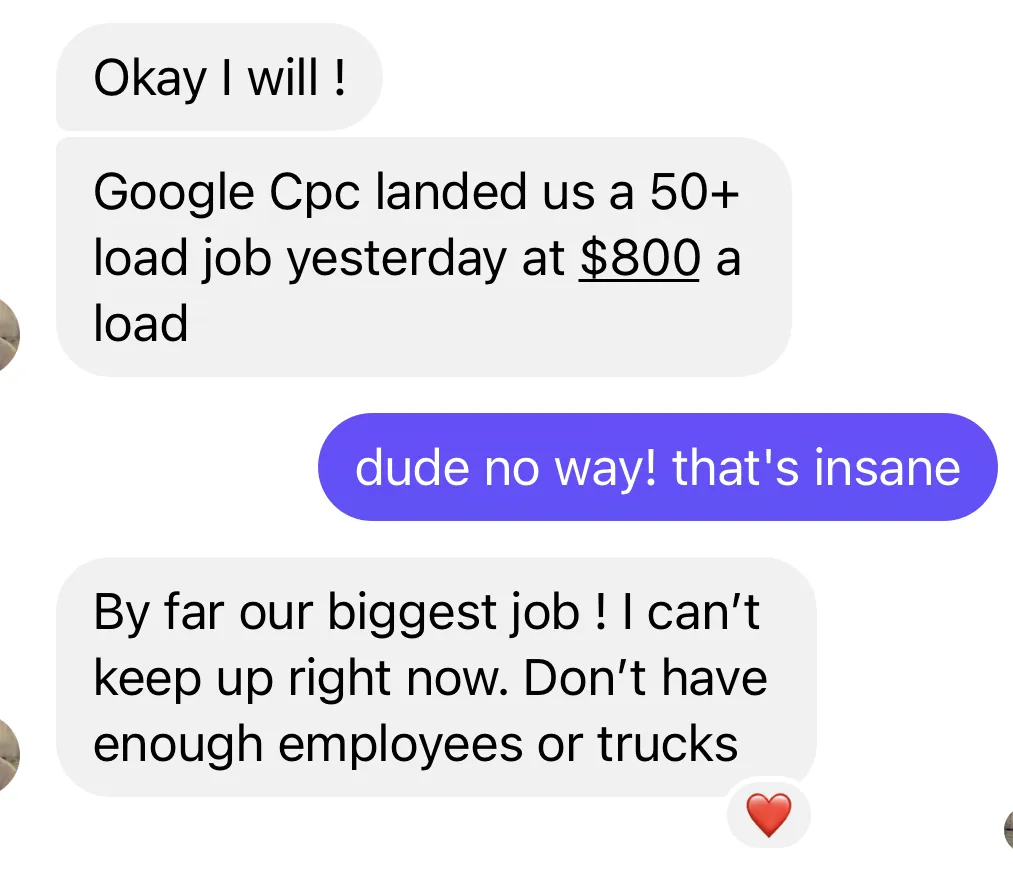
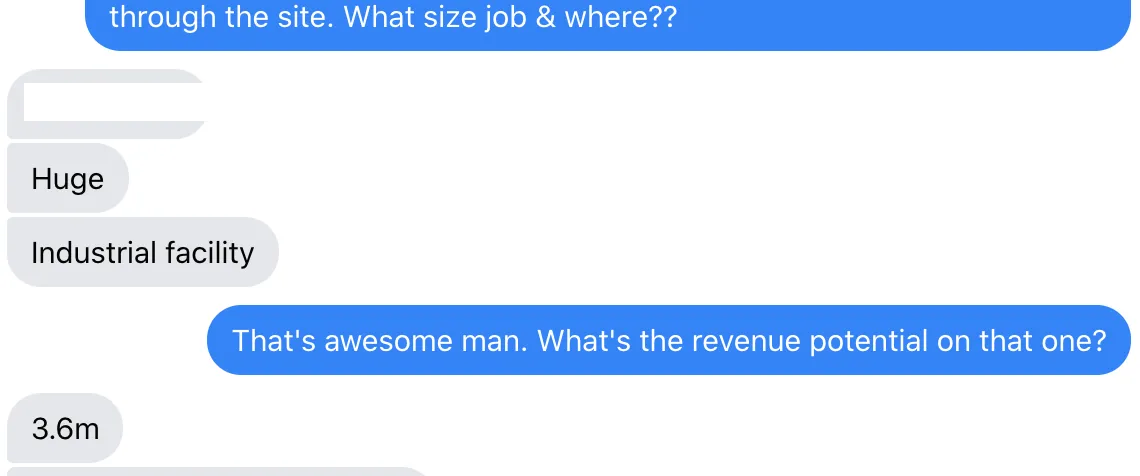
"Biggest job of my career came off this site. We can't keep up with the calls."
— Verified pest control client
See more proof below ↓
Why Most Denver Pest Control Companies Struggle to Get Customers
7 Marketing Channels That Work for Pest Control in Denver
Ranked by ROI for pest control companies.
Google Business Profile
$10–$25 per leadFor pest control in Denver, GBP is your highest-ROI channel. When someone searches 'pest control near me' or 'bed bug treatment Denver,' the map pack shows first — above paid ads. At $10–$25 per lead with a 25% close rate, you're acquiring customers for $40–$100 each. Denver's dense neighborhoods mean proximity signals work in your favor. Consistent reviews, accurate hours, and pest-specific service categories drive map pack placement without ongoing ad spend.
Local SEO
$15–$40 per leadRanking organically for Denver pest control keywords delivers the lowest cost-per-lead at $15–$40 and the highest close rate at 20%. National brands dominate broad terms, but hyperlocal content targeting Denver neighborhoods — Highlands, Wash Park, Stapleton, Aurora — wins qualified traffic they ignore. Service pages targeting termite treatment, rodent control, and mosquito control by neighborhood capture intent-driven searches from homeowners with active pest problems and budgets to solve them.
Google Ads
$45–$150 per leadPaid search is essential during Denver's March–August peak season when search volume spikes for mosquito, wasp, and termite services. CPL runs $45–$150 with a 10% close rate, making it expensive but fast. The key is tight geo-targeting within the Denver metro, exact-match keywords for high-intent queries, and service-specific landing pages. Budget carefully — competing broadly against Terminix and Orkin will drain your spend without results. Focus on emergency terms and specialty services they don't emphasize.
Facebook/Instagram Ads
$25–$80 per leadFacebook and Instagram work well for Denver pest control because you can target homeowners by ZIP code, home value, and recent life events like 'new homeowner.' CPL ranges from $25–$80 with a 6% close rate. The channel excels for prevention plan promotions in early spring, before customers have an active pest problem. Video creative showing before/after treatments and local testimonials performs strongly. Retargeting website visitors during peak season can bring CPL down below $30.
Content Marketing
$15–$35 per leadBlog content and educational resources capture Denver homeowners earlier in the buying journey — when they're researching whether they have termites or wondering what's making noise in their attic. Articles targeting 'signs of termites in Denver homes,' 'best time to treat for mosquitoes in Colorado,' or 'rodent prevention for Denver winters' rank organically and build authority. This audience has high lifetime value because they're proactive homeowners, exactly the customers who buy prevention plans.
Review Management
$5–$15 per leadWith 93% of Denver consumers reading reviews before booking pest control services, your average star rating and review volume are directly tied to revenue. A systematic review request process — triggered after every completed job via SMS — compounds over time into a competitive moat. Denver homeowners are particularly review-reliant for pest services due to chemical safety concerns; a portfolio of verified 5-star reviews addressing safety, effectiveness, and professionalism directly overcomes this objection and converts fence-sitters.
Email/SMS Marketing
$3–$12 per leadFor pest control in Denver, email and SMS are your retention and upsell engines. Seasonal campaign sequences — spring termite alerts, summer mosquito treatment reminders, fall rodent exclusion promotions — drive repeat bookings from your existing customer base at near-zero acquisition cost. Prevention plan customers with a 75% repeat rate respond well to scheduled check-in reminders via SMS. Re-engagement campaigns targeting customers who haven't booked in 12 months consistently recover 15–25% of dormant accounts.
What Denver Pest Control Companies Actually Pay Per Lead
| Channel | Avg CPL | Close Rate | Cost/Customer | Best For |
|---|---|---|---|---|
| Google Ads | $45–$150 | 10% | $450–$1,500 | Fast leads during peak season |
| Facebook Ads | $25–$80 | 6% | $417–$1,333 | Prevention plan awareness campaigns |
| SEO (Organic) | $15–$40 | 20% | $75–$200 | Long-term sustainable lead flow |
| Google Business Profile | $10–$25 | 25% | $40–$100 | Local map pack visibility |
| HomeAdvisor/Thumbtack | $25–$100 | 8% | $312–$1,250 | Filling schedule gaps short-term |
| Doing Nothing | ∞ | 0% | Business stagnation | Nobody |
The Denver Pest Control Market in 2026
Why Pest Control Companies Need Specialized Marketing
How We Build Your Denver Pest Control Lead Machine
Audit & Strategy
We analyze your current GBP ranking across Denver neighborhoods, review your existing review profile and star rating distribution, assess competitor ad spend and keyword ownership, evaluate your website's local SEO performance for pest-specific terms, and map your service area against Denver's highest-value homeowner ZIP codes to identify the fastest revenue opportunities.
Foundation
We build or rebuild your website with pest control conversion architecture — service pages for every treatment type, neighborhood landing pages for Denver's top suburbs, and a Google Business Profile fully optimized with pest control categories, service photos, and a review generation system that runs automatically after every completed job.
Growth
We launch a Denver-specific local SEO campaign targeting high-intent pest control keywords by neighborhood and service type, implement a structured content calendar covering Denver's seasonal pest cycles, and activate our review management system to consistently build your rating advantage over national franchise competitors.
Scale
Once organic leads are flowing, we layer in targeted Google Ads campaigns for peak-season surge capacity and prevention plan promotions, expand neighborhood targeting into adjacent Denver metro suburbs, and implement SMS and email retention sequences to maximize prevention plan renewals and customer lifetime value.
Real Results: Pest Control Case Study
Pest Control company in Colorado Springs, Colorado
Before
After
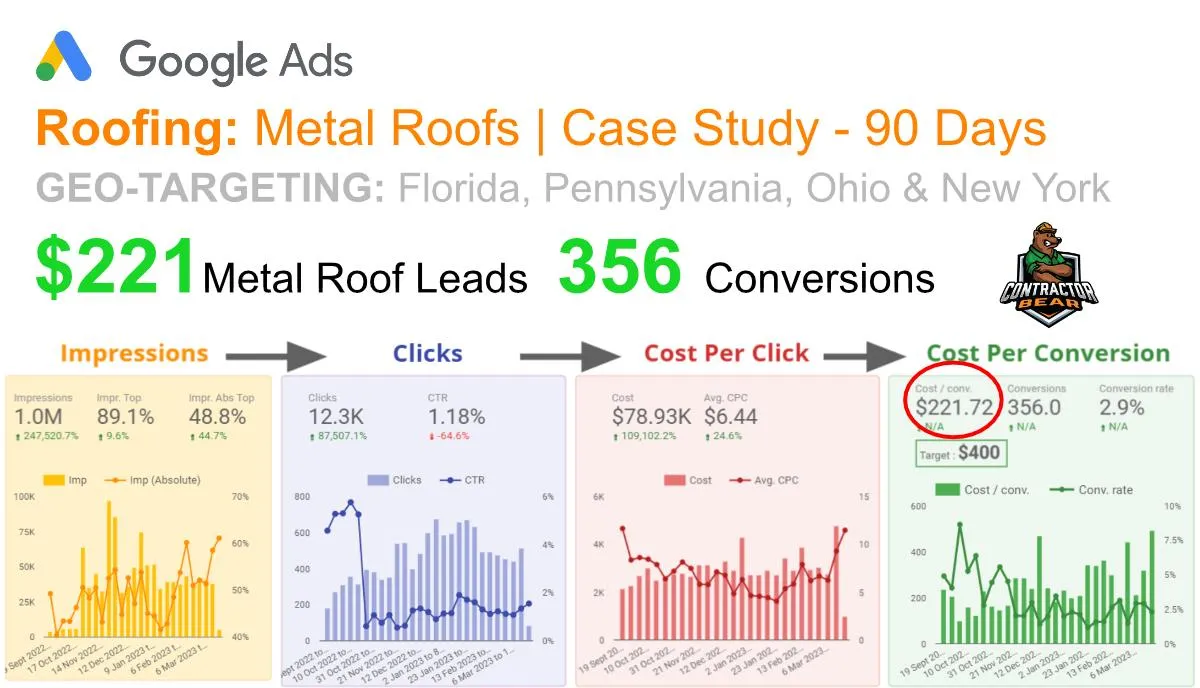
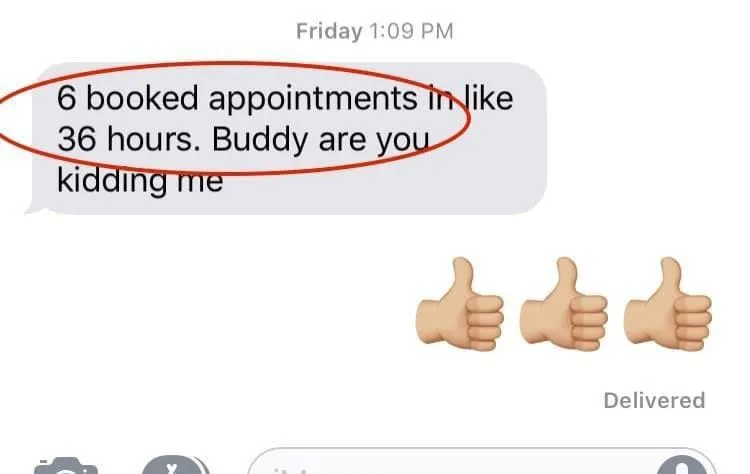
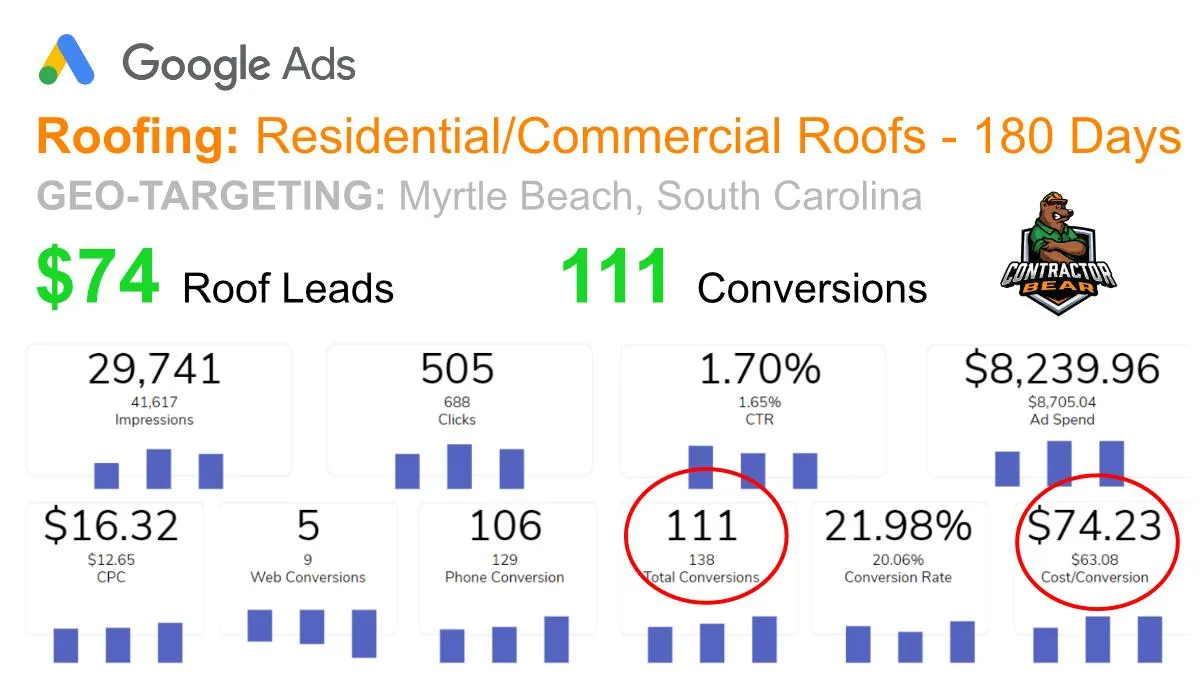
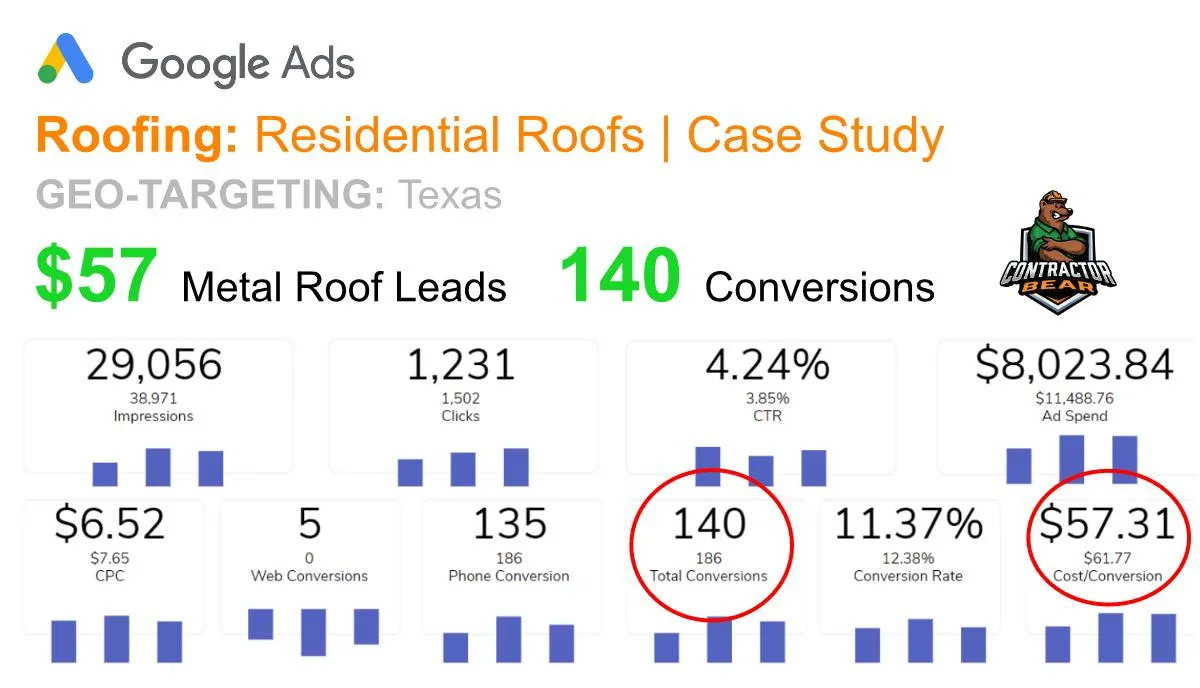
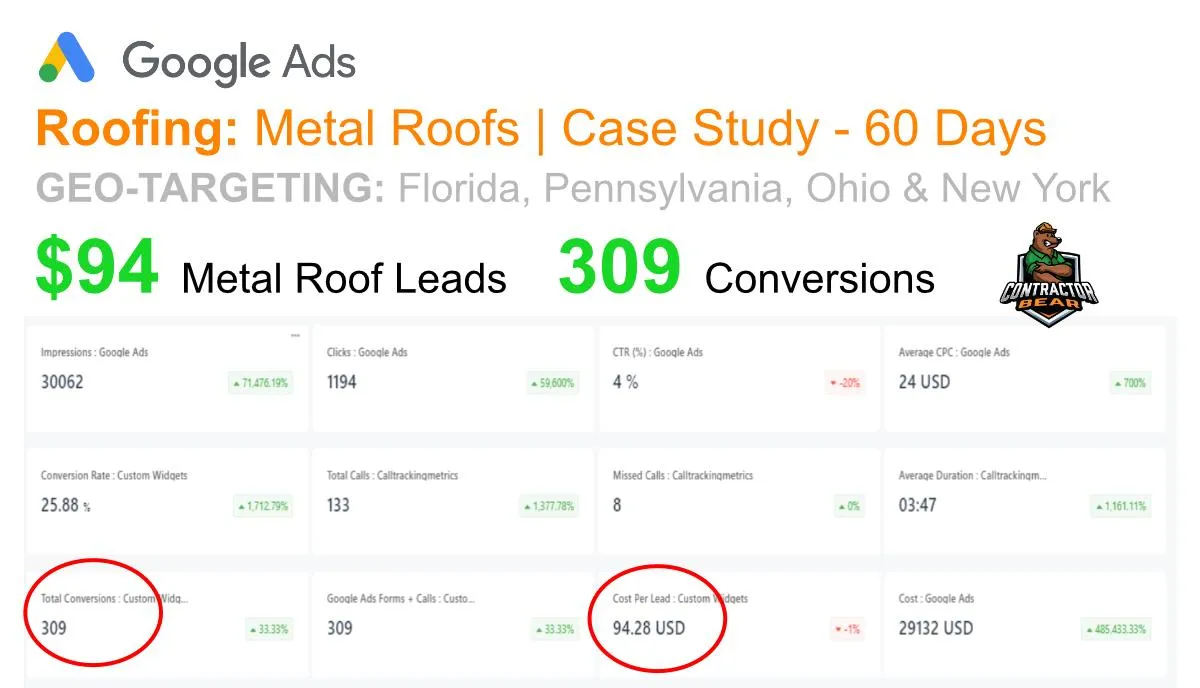
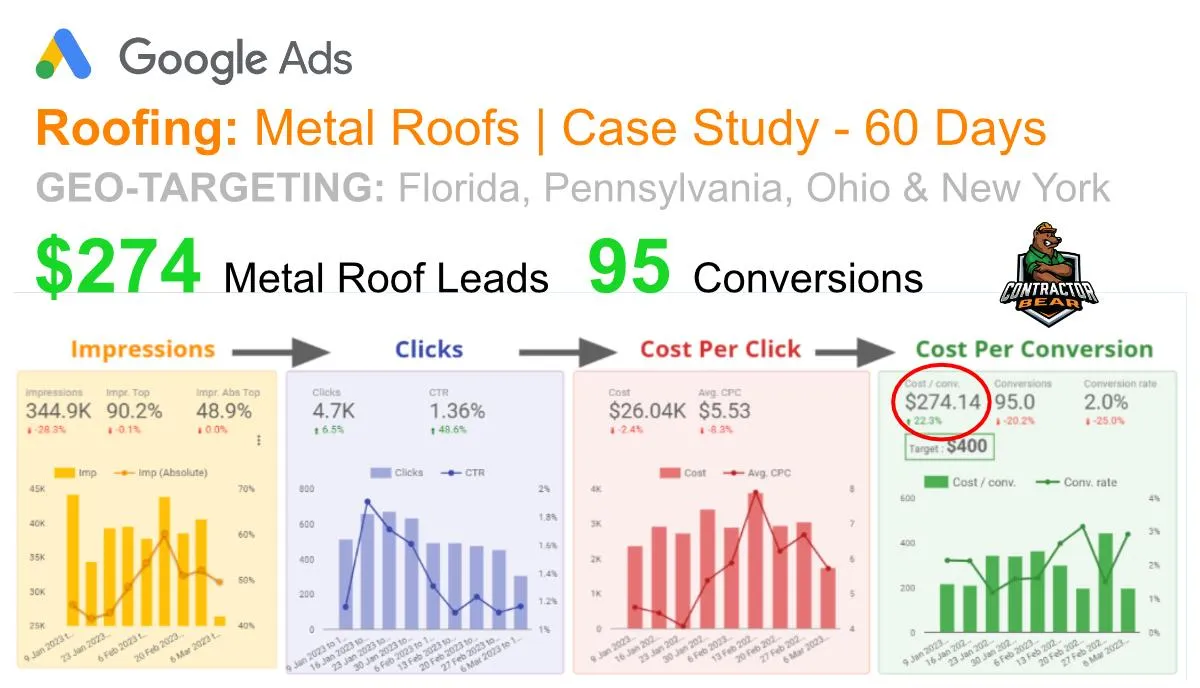
Real Results. Real Contractors.
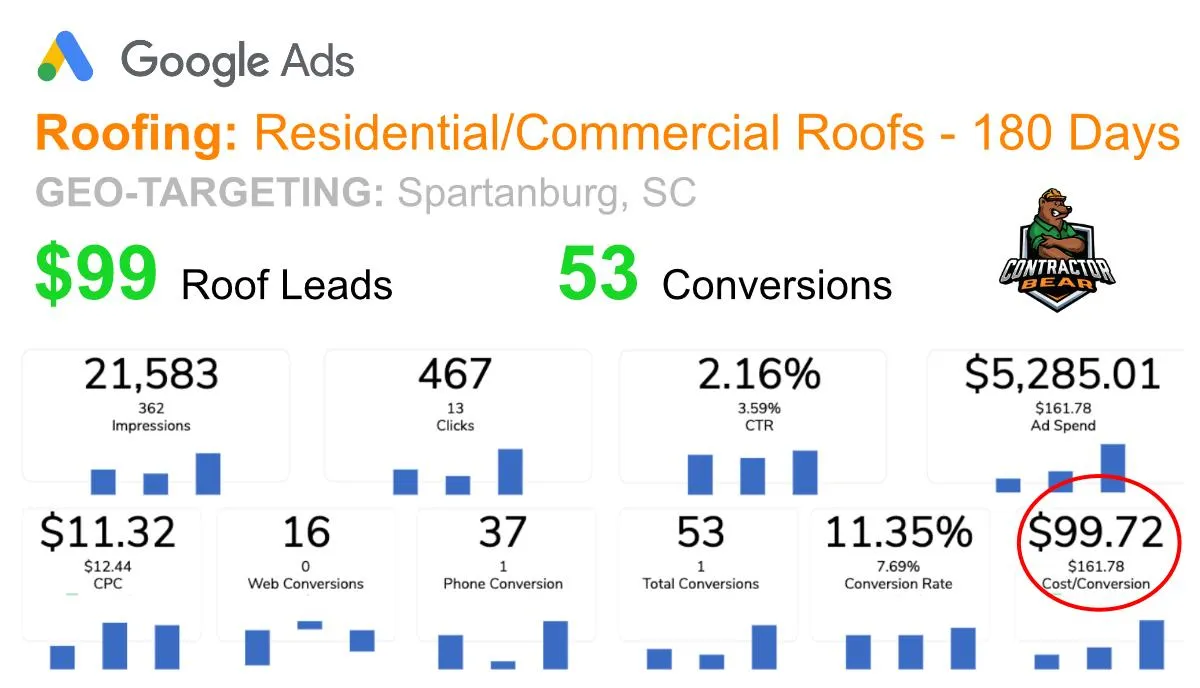
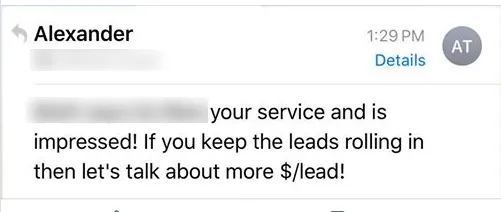
Screenshots from our actual client dashboards and conversations. No stock photos, no fake numbers.



Packages for Denver Pest Control Companies
Free custom website included with every plan. No setup fees, no long-term contracts.

Cub
Start building pipeline
- Google Business Profile optimization
- Local SEO foundation
- Review generation system
- Bring your own website

Black
Your free website tier
- FREE custom website
- ALL Everything in Cub, plus:
- Conversion-optimized site
- Call tracking + Growth Hub CRM

Grizzly
Accelerate your pipeline
- ALL Everything in Black, plus:
- Content marketing & blog
- Advanced review management
- City + service landing pages

Polar
Own your market
- ALL Everything in Grizzly, plus:
- Google Ads management
- Full-funnel lead nurturing
- Dedicated account manager
You only move up when we deliver. Tier upgrades trigger automatically when your attributed-lead count clears each threshold, with phone, email, and text notification before any price change. Attribution is limited to leads generated by our marketing — never your existing customers, referrals, or word-of-mouth.
Pest Control Marketing FAQ
How long does it take to rank a pest control company in Denver's Google map pack?
Most Denver pest control operators see meaningful GBP ranking improvements within 60–90 days of a full optimization — including category corrections, photo uploads, service area configuration, and a consistent review cadence. Competitive neighborhoods like Cherry Creek, Washington Park, and downtown Denver take closer to 4–6 months to crack the top 3 due to established competitor profiles. Neighborhoods with less entrenched competition, including newer developments in Stapleton or Highlands Ranch, can rank in the map pack within 30–45 days with proper optimization.
Is it worth running Google Ads for pest control in Denver given how expensive the clicks are?
Yes — but only with tight targeting and the right expectations. Broad keywords like 'pest control Denver' are dominated by Terminix and Orkin with budgets you can't match. The ROI comes from targeting emergency-intent and specialty keywords — 'bed bug treatment Denver,' 'termite inspection near me,' 'rodent exclusion Aurora CO' — where click costs are lower and conversion rates are higher. During Denver's spring and summer peak, a well-structured Google Ads campaign on a $1,500–$2,500 monthly budget can generate 20–40 qualified leads per month with proper landing page alignment.
How do Denver homeowners find pest control companies, and what makes them choose one over another?
According to consumer research, 87% of Denver homeowners search online when they need pest control. Of those, 93% read reviews before making contact, and 75% only reach out to the top 3 results they see — meaning if you're not in the map pack or on the first organic page, most of your potential customers never see you. Once they do find you, review volume and star rating are the primary differentiators. Homeowners also heavily weight response speed, licensing visibility, and any mention of pet-safe or eco-friendly treatment options, which are particularly important to Denver's environmentally conscious consumer base.
What's the best way to sell prevention plans to Denver homeowners who've never had a pest problem?
Education-first content marketing is the highest-converting approach. Denver homeowners with $600,000+ homes are receptive to prevention messaging when you frame it around home value protection and Front Range-specific pest risks — termites in older neighborhoods, voles along the green belt, rodents seeking shelter before Colorado winters. A combination of seasonal blog content, GBP posts timed to spring and fall transitions, and email nurture sequences to past customers creates multiple touchpoints that convert curious homeowners into annual plan subscribers. The key is timing: campaigns launched in February and September capture homeowners before they have an active problem, when prevention plan pricing feels proactive rather than reactive.
Can a local Denver pest control company compete against national brands like Orkin and Terminix online?
Yes — and local operators have structural advantages that national brands can't replicate. National chains struggle to generate authentic neighborhood-level reviews, create genuinely local content, or communicate the kind of personal accountability that Denver homeowners value. A local operator with 150+ Google reviews averaging 4.8 stars, neighborhood-specific service pages, and a fully optimized GBP will outperform a national brand's local presence in the map pack consistently. The strategy is to compete on local trust signals, not ad budget. National brands win on brand awareness; local operators win on community credibility, response time, and review authenticity — all of which are buildable assets.
Pest Control Marketing in Nearby Cities
Pest Control Marketing in Aurora →
Aurora, CO • Pop. 395,378
Pest Control Marketing in Colorado Springs →
Colorado Springs, CO • Pop. 488,664
Pest Control Marketing in Arvada →
Arvada, CO • Pop. 124,402
Pest Control Marketing in Boulder →
Boulder, CO • Pop. 105,485
Pest Control Marketing in Pueblo →
Pueblo, CO • Pop. 111,876
Pest Control Marketing Resources
Scale Your Pest Control Company →
Comprehensive growth guide for pest control businesses.
All Pest Control Services →
See everything we offer for pest control companies.
Google Business Profile Guide for Contractors →
In-depth article to help grow your business.
How to Get More 5-Star Reviews →
Practical strategies you can implement today.
Get Your Free Pest Control Marketing Audit in Denver
We'll show you exactly where you're losing leads to competitors in the Denver market — and build you a free custom website when you're ready to grow.