Pest Control Marketing in Seattle, WA
Seattle's 749,000 residents and 4-million-person metro area create massive demand for pest control services — yet most local companies are invisible online while national brands dominate the search results. With 2.1% annual population growth and $850,000 average home values, Seattle homeowners are actively spending to protect their investment.
- Rank in the Seattle map pack — not rent space on Angi
- Performance-based pricing — no lock-in contracts
- Free custom website built for the Seattle market
By Contractor Bear Team • March 2026
Get Your Free Seattle Pest Control Audit
See exactly where you're losing leads to your top 3 pest control competitors in Seattle. No sales call required.
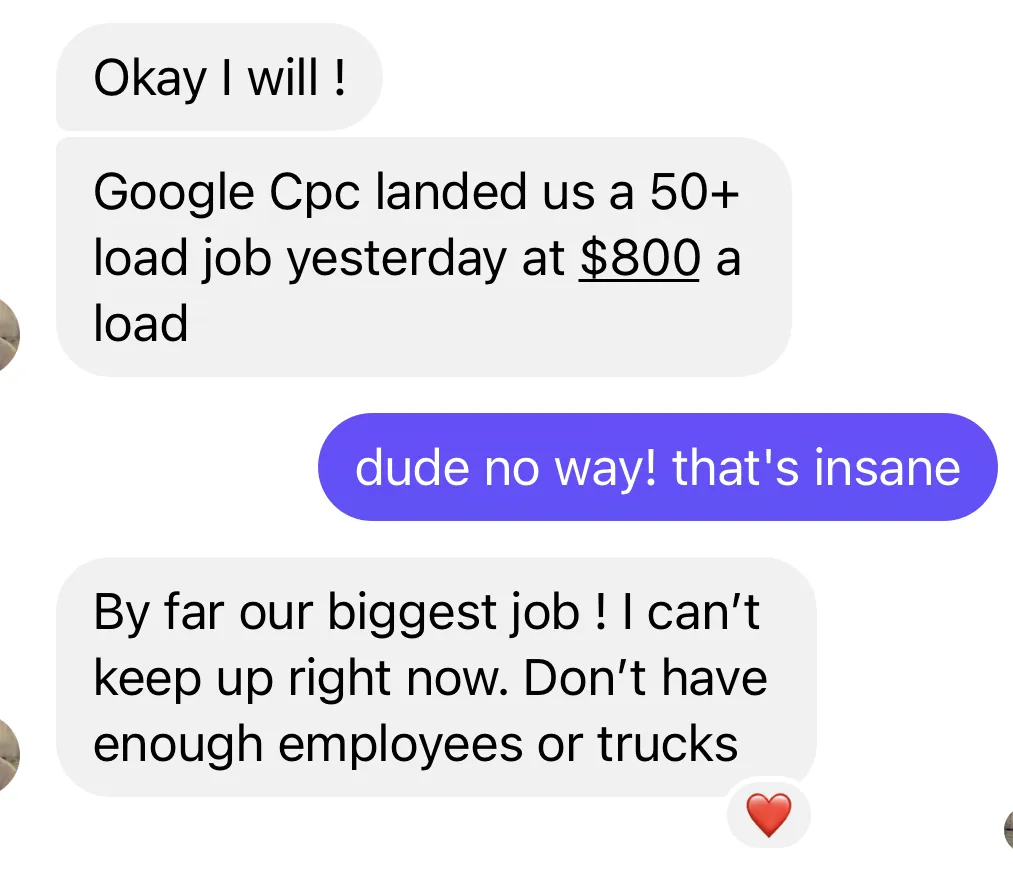
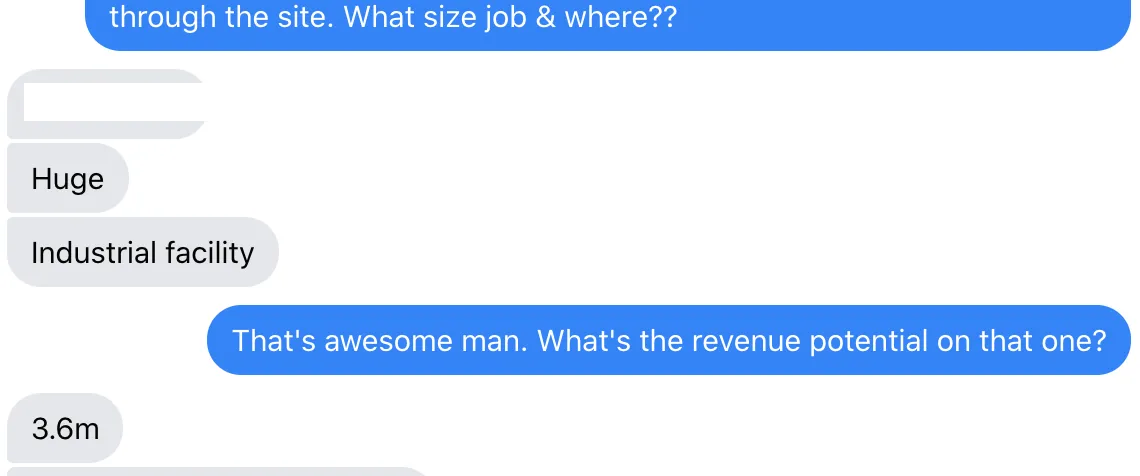
"Biggest job of my career came off this site. We can't keep up with the calls."
— Verified pest control client
See more proof below ↓
Why Most Seattle Pest Control Companies Struggle to Get Customers
7 Marketing Channels That Work for Pest Control in Seattle
Ranked by ROI for pest control companies.
Google Business Profile
$10-$25 per leadIn Seattle's high-intent pest market, Google Business Profile is your most cost-effective lead source. When someone searches 'pest control near me' in Queen Anne or 'rodent exterminator Bellevue,' your GBP listing is the first thing they see. With a 25% close rate and CPLs of $10–$25, optimized GBP posts, Q&A management, and photo updates drive calls at a fraction of paid ad costs. For pest companies with strong reviews, this channel compounds over time.
Local SEO
$15-$40 per leadRanking organically for terms like 'termite treatment Seattle' or 'bed bug exterminator Kirkland' captures buyers actively researching solutions — not just browsing. Seattle homeowners protecting $850K+ properties research thoroughly before buying. SEO leads convert at 20% and cost $15–$40 each, making organic traffic your best long-term ROI. Service-area pages for neighborhoods like Ballard, Capitol Hill, and Eastside suburbs expand reach without extra ad spend.
Google Ads
$45-$150 per leadGoogle Ads delivers immediate visibility for high-urgency pest calls — rodent infestations, termite swarms, and bed bug discoveries require fast action. Seattle CPLs run $45–$150, with a 10% close rate, but emergency-intent keywords convert faster and justify the cost. Smart campaign structure separating emergency services from prevention plan keywords keeps cost-per-acquisition manageable and ensures your budget goes toward the highest-value jobs first.
Facebook/Instagram
$25-$80 per leadFacebook and Instagram let Seattle pest control companies target homeowners by ZIP code, home ownership status, and household income — ideal for promoting seasonal prevention plans and mosquito control packages in Mercer Island or Medina. CPLs of $25–$80 with a 6% close rate make social less efficient than SEO, but retargeting website visitors and lookalike audiences built from your existing prevention plan customers dramatically improves performance and drives recurring revenue.
Content Marketing
$8-$20 per lead (long-term)Seattle homeowners research pest issues in depth before calling — blog posts and guides on topics like 'signs of carpenter ants in Seattle homes,' 'termite season in the Pacific Northwest,' or 'rodent-proofing your crawl space' capture early-stage buyers. This content builds topical authority, earns backlinks, and ranks for long-tail searches that your competitors ignore. Over 12 months, a strong content strategy can double your organic lead volume at near-zero incremental cost.
Review Management
Multiplier on all other channelsWith 93% of Seattle consumers reading reviews before booking pest control, your star rating and review recency directly control how many calls you receive. A systematic review request process after every completed job — via text immediately post-service — generates a steady flow of 5-star reviews that bury the occasional negative. For pest control, reviews mentioning specific pests, neighborhoods, and technician names outperform generic praise in both SEO and conversion impact.
Email/SMS Marketing
$2-$10 per reactivated leadWith a 75% repeat rate, pest control's biggest growth lever is retention — not just acquisition. Automated email and SMS campaigns targeting existing customers with seasonal reminders (spring termite inspections, fall rodent exclusion), prevention plan renewals, and referral incentives keep your revenue base stable through Seattle's slow winter months. SMS open rates above 95% make text the channel of choice for appointment reminders, upsell offers, and reactivation of lapsed prevention plan customers.
What Seattle Pest Control Companies Actually Pay Per Lead
| Channel | Avg CPL | Close Rate | Cost/Customer | Best For |
|---|---|---|---|---|
| Google Ads | $45-$150 | 10% | $450-$1,500 | Emergency calls, immediate visibility |
| Facebook Ads | $25-$80 | 6% | $417-$1,333 | Prevention plan signups, retargeting |
| SEO (Organic) | $15-$40 | 20% | $75-$200 | Long-term lead volume, ROI compounding |
| Google Business Profile | $10-$25 | 25% | $40-$100 | Local 'near me' searches, trust signals |
| HomeAdvisor/Thumbtack | $15-$100 | 8-12% | $125-$1,250 | Short-term gap fill only |
| Doing Nothing | ∞ | 0% | Business stagnation | Nobody |
The Seattle Pest Control Market in 2026
Why Pest Control Companies Need Specialized Marketing
How We Build Your Seattle Pest Control Lead Machine
Audit & Strategy
We analyze your current Google Business Profile health, existing review velocity, local keyword rankings for pest-specific terms in Seattle and surrounding suburbs, competitor GBP and paid ad positioning, and your website's technical SEO baseline. We identify your highest-value service lines — termite, rodent, or prevention plans — and build a 90-day acquisition strategy around them.
Foundation
We build or rebuild your website optimized for pest control search intent in Seattle, complete GBP optimization with category selection, service area configuration, and photo uploads, establish NAP-consistent citations across 40+ directories, and set up review request automation via SMS post-service to immediately begin compounding your trust signals.
Growth
We deploy a local SEO content campaign targeting high-intent pest control keywords across Seattle neighborhoods — Ballard, Capitol Hill, the Eastside suburbs — and build service-specific landing pages for termite treatment, rodent control, and bed bug services. Review management keeps your star rating climbing while reputation monitoring catches and addresses negative reviews within 24 hours.
Scale
Once organic foundation is producing consistent lead flow, we layer in Google Ads targeting emergency-intent keywords and prevention plan promotions with seasonal budget adjustments timed to Seattle's pest activity calendar. Monthly reporting tracks CPL, close rate, and revenue per channel so budget continuously shifts toward your highest-ROI sources.
Real Results: Pest Control Case Study
Pest Control company in Tacoma, Washington
Before
After
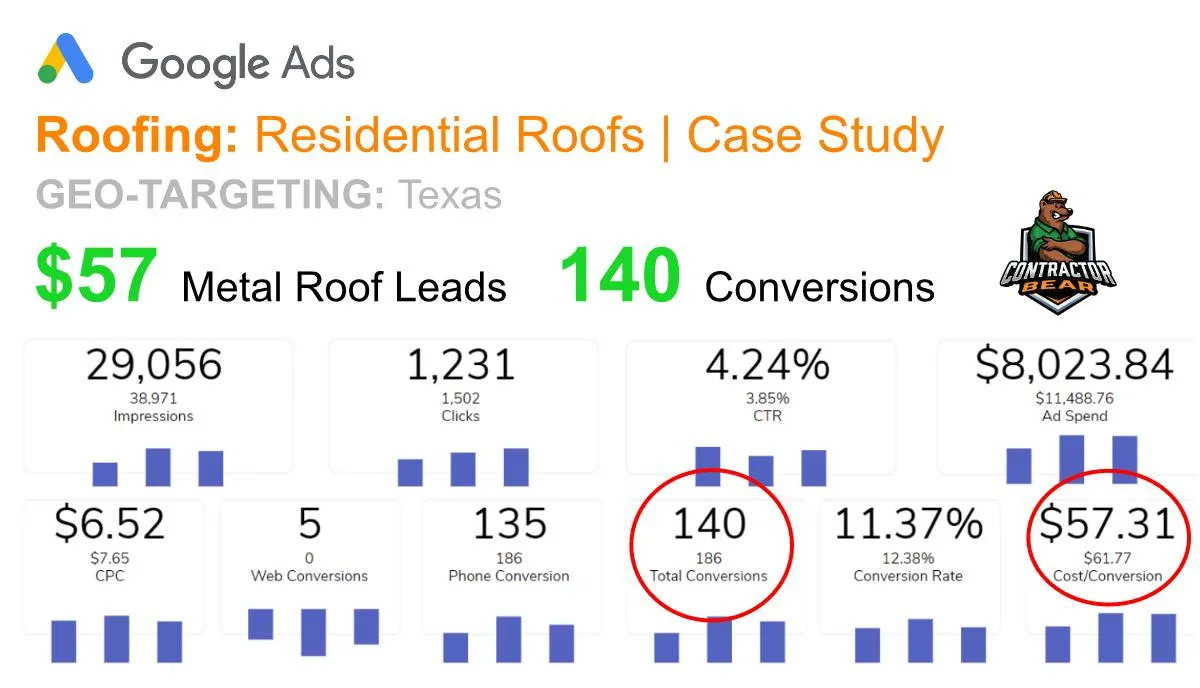
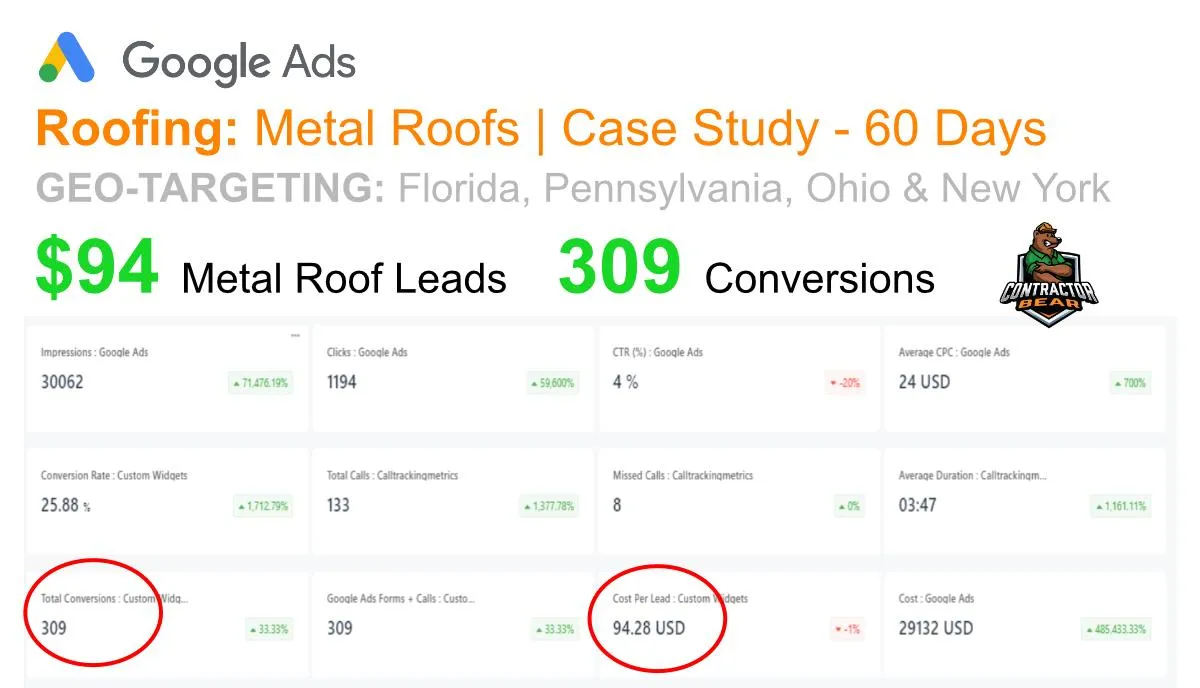
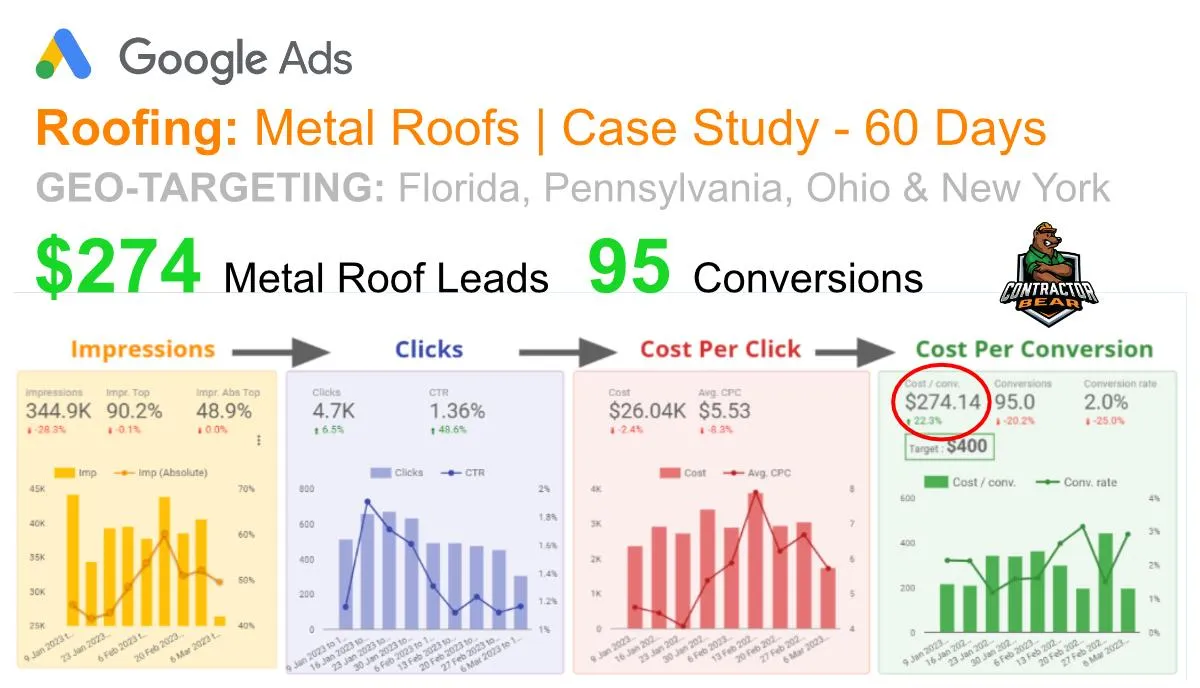
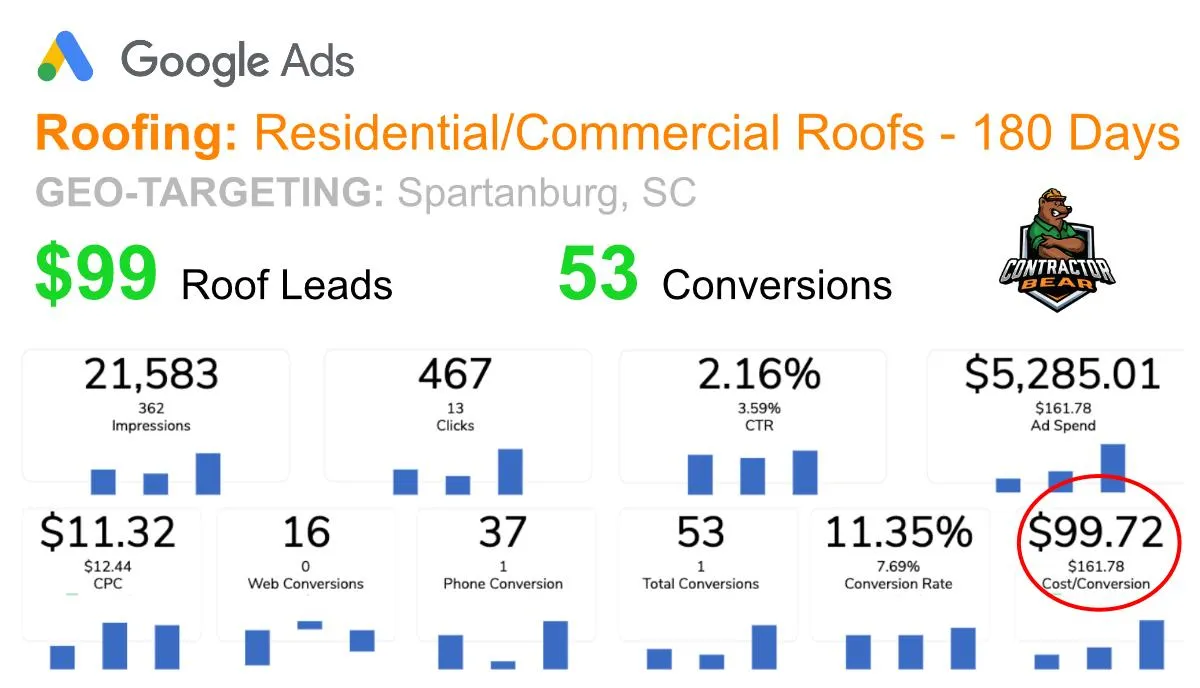
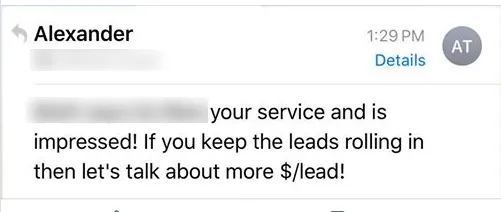
Real Results. Real Contractors.
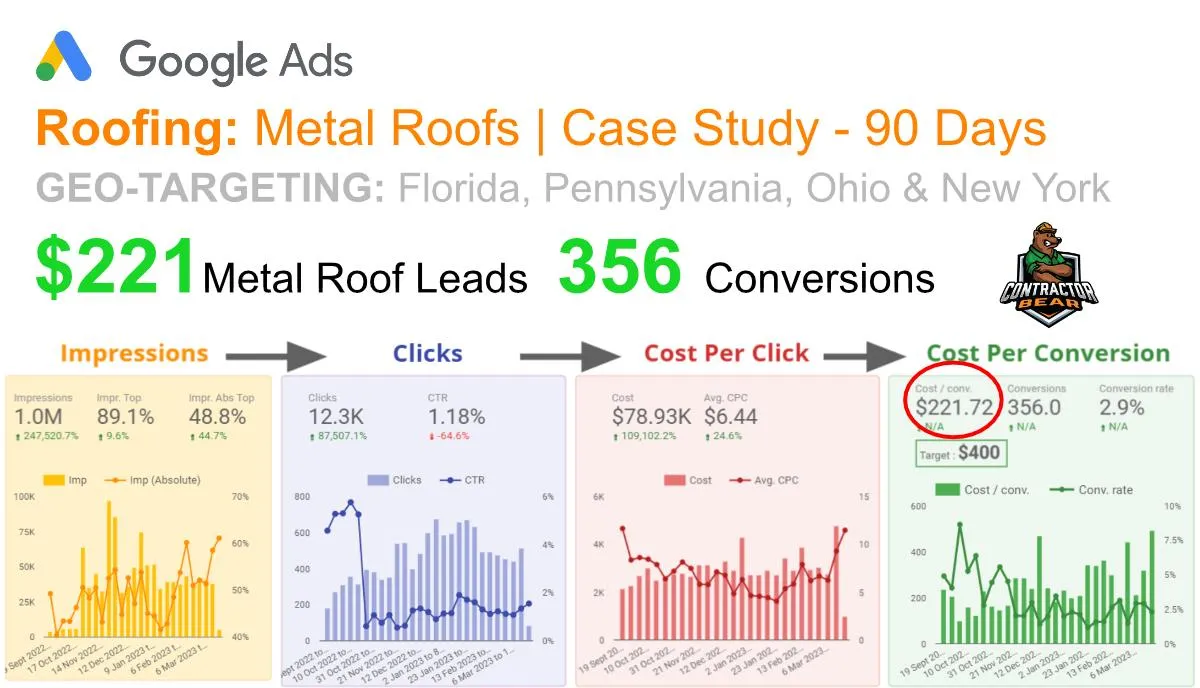
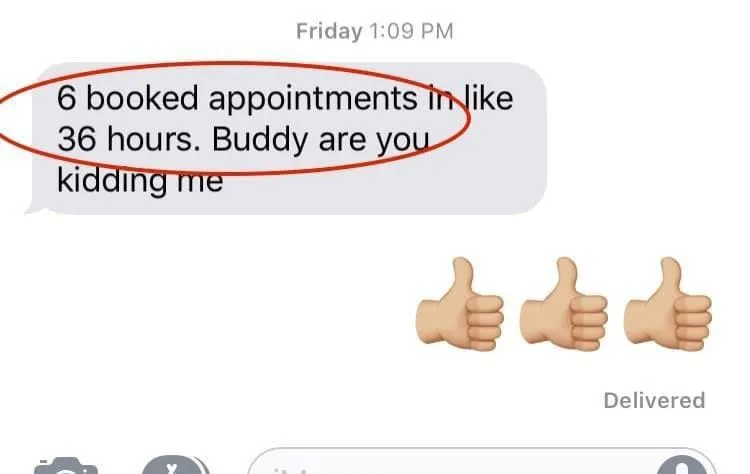
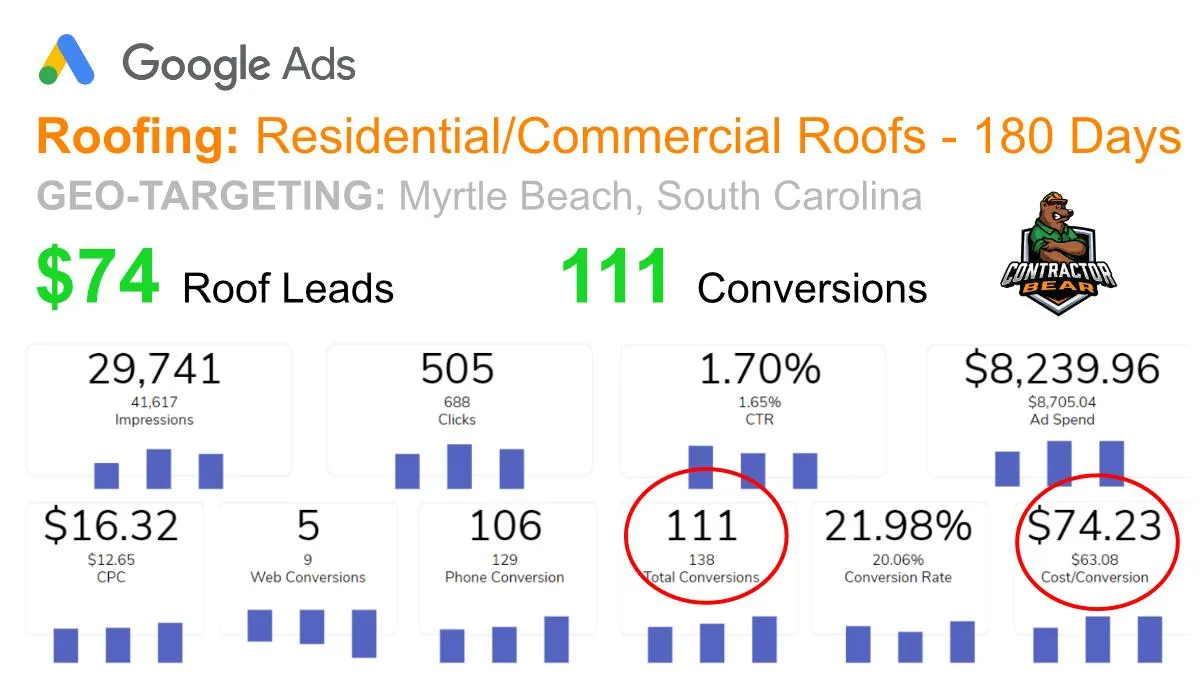
Screenshots from our actual client dashboards and conversations. No stock photos, no fake numbers.



Packages for Seattle Pest Control Companies
Free custom website included with every plan. No setup fees, no long-term contracts.

Cub
Start building pipeline
- Google Business Profile optimization
- Local SEO foundation
- Review generation system
- Bring your own website

Black
Your free website tier
- FREE custom website
- ALL Everything in Cub, plus:
- Conversion-optimized site
- Call tracking + Growth Hub CRM

Grizzly
Accelerate your pipeline
- ALL Everything in Black, plus:
- Content marketing & blog
- Advanced review management
- City + service landing pages

Polar
Own your market
- ALL Everything in Grizzly, plus:
- Google Ads management
- Full-funnel lead nurturing
- Dedicated account manager
You only move up when we deliver. Tier upgrades trigger automatically when your attributed-lead count clears each threshold, with phone, email, and text notification before any price change. Attribution is limited to leads generated by our marketing — never your existing customers, referrals, or word-of-mouth.
Pest Control Marketing FAQ
How long does it take to see more pest control leads in Seattle from SEO?
For most Seattle pest control companies starting from a thin online presence, meaningful organic lead increases typically appear within 3–5 months, with strong performance by month 6–8. Google Business Profile improvements are faster — a fully optimized GBP with active review acquisition can show measurable call increases within 30–60 days. The timeline depends heavily on how established your domain is, how competitive your target service areas are, and whether we're building on an existing site or starting fresh. We set realistic benchmarks at kickoff based on your specific starting point.
Is Google Ads worth it for a Seattle pest control company given the high CPL?
At $45–$150 CPL with a 10% close rate, Google Ads can look expensive — but context matters. A termite treatment job in Seattle averages $1,200–$2,500, and a prevention plan customer is worth $1,500 in lifetime value. A $150 CPL on a $1,500 LTV customer is a 10:1 return. The key is campaign structure: bidding on emergency-intent keywords ('rodent exterminator open now Seattle') generates faster closes than broad awareness terms. We use paid search surgically — to fill gaps in your organic coverage and capture high-urgency searchers who won't wait for an organic result.
How important are online reviews for pest control companies in Seattle specifically?
Critically important — and more so in Seattle than most markets. Seattle consumers are high-information buyers: 93% read reviews before contacting a service provider, and pest control reviews carry extra weight because of chemical safety concerns. A company with 80+ reviews averaging 4.7 stars consistently outperforms a company with 15 reviews at 4.9 stars in both Google rankings and click-through rates. We implement a systematic post-service SMS review request process that generates a steady review velocity — typically 8–15 new reviews per month for active operators — keeping your profile fresh and your ranking strong.
What's the best way to compete with Orkin and Terminix in Seattle's search results?
National franchises dominate broad head terms like 'pest control Seattle,' but they're structurally weak on neighborhood-specific and service-specific searches. A local operator can outrank Orkin for 'carpenter ant treatment Ballard' or 'rat exterminator Capitol Hill' by building neighborhood landing pages, earning local backlinks, and accumulating location-specific reviews that national brands cannot replicate at scale. We also emphasize differentiators national brands can't credibly claim: locally owned, faster response, consistent technicians, and Seattle-specific IPM practices — messaging that resonates strongly with Pacific Northwest homeowners.
Should I focus on one-time jobs or prevention plans for better marketing ROI in Seattle?
Prevention plans are the highest-ROI acquisition target in Seattle's market, and your marketing strategy should reflect that. With a 75% repeat rate in pest control and a $1,500 customer lifetime value versus a $175 average one-time job, the math is clear: a prevention plan customer is worth 8–9x a single-service call. We structure campaigns to use one-time jobs — rodent calls, bed bug treatments — as front-door entry points for prevention plan upsells. Email and SMS sequences after initial service, combined with seasonal promotion campaigns in late winter before peak season, are the primary tools for converting one-time customers into recurring revenue.
Pest Control Marketing in Nearby Cities
Pest Control Marketing in Tacoma →
Tacoma, WA • Pop. 219,346
Pest Control Marketing in Bellevue →
Bellevue, WA • Pop. 151,854
Pest Control Marketing in Vancouver →
Vancouver, WA • Pop. 190,915
Pest Control Marketing in Spokane →
Spokane, WA • Pop. 230,160
Pest Control Marketing in Portland →
Portland, OR • Pop. 652,503
Pest Control Marketing in Salem →
Salem, OR • Pop. 175,535
Pest Control Marketing Resources
Scale Your Pest Control Company →
Comprehensive growth guide for pest control businesses.
All Pest Control Services →
See everything we offer for pest control companies.
Google Business Profile Guide for Contractors →
In-depth article to help grow your business.
How to Get More 5-Star Reviews →
Practical strategies you can implement today.
Get Your Free Pest Control Marketing Audit in Seattle
We'll analyze your current online presence, identify your biggest lead generation gaps, and build you a free custom website — all before you spend a dollar on marketing.