Pest Control SEO in Austin, TX
Austin pest control companies that rank on page one capture 75% of all search clicks — and organic leads cost $15–40 versus $45–150 with Google Ads. SEO is the only channel where your investment compounds instead of evaporating the moment you pause spend.
By Contractor Bear Team • March 2026
Get Your Free Austin Pest Control Audit
See exactly where you're losing leads to your top 3 pest control competitors in Austin. No sales call required.
Why SEO Is the #1 Growth Channel for Austin Pest Control Companies
Top 8 Local SEO Ranking Factors for Pest Control
What actually moves the needle for pest control companies in Austin.
Google Business Profile
The map pack dominates pest control search results in Austin — it appears above organic listings and captures the highest-intent clicks, especially for emergency calls. With 25% of GBP leads converting to customers, this is the single highest-ROI asset for a local pest control company.
Our approach: We fully build out your GBP with every service category (termite treatment, rodent control, bed bug treatment, etc.), add geo-tagged photos of your team and equipment, write keyword-rich business descriptions, post weekly updates during peak season, and set up Q&A content targeting Austin-specific pests like scorpions, fire ants, and roof rats.
On-Page SEO
Google's algorithm needs clear, structured signals to understand what services you offer and where you provide them. Thin or generic service pages — common among pest control companies — fail to rank because they don't demonstrate topical depth or geographic relevance.
Our approach: We build dedicated landing pages for each core service (termite, rodent, bed bug, mosquito, commercial) targeting Austin and surrounding suburbs like Round Rock, Cedar Park, and Pflugerville. Each page targets a primary keyword, includes semantically related terms, uses proper H1/H2/H3 hierarchy, and is structured with schema markup to enhance SERP appearance.
Reviews and Ratings
93% of Austin consumers read reviews before hiring a pest control company — and Google's local algorithm heavily weights both review quantity and recency. A company with 200+ reviews at 4.7 stars will almost always outrank a competitor with 40 reviews, regardless of other factors.
Our approach: We implement an automated post-service review request sequence via SMS and email, targeting the 48-hour window after job completion when satisfaction is highest. We also set up reputation monitoring to alert you to new reviews and provide response templates that reinforce keyword signals while demonstrating professionalism.
Local Citations
NAP (Name, Address, Phone) consistency across directories is a foundational trust signal for Google's local algorithm. Inconsistent citations — a common issue for pest control companies that have moved, rebranded, or changed numbers — create conflicting data that suppresses rankings.
Our approach: We audit and correct your existing citations across 60+ directories including Yelp, Angi, HomeAdvisor, BBB, and industry-specific platforms. We then build new citations on high-authority local Austin directories (Austin Chamber of Commerce, Austin Business Journal listings) and ensure perfect NAP consistency across every source.
Mobile Experience
The majority of pest control searches happen on mobile, often in high-stress moments — someone just found evidence of termites or a rodent problem. A slow-loading or hard-to-navigate mobile site means they tap back to Google and call your competitor instead.
Our approach: We ensure Core Web Vitals scores meet Google's thresholds (LCP under 2.5s, CLS under 0.1), implement click-to-call buttons prominently on every page, and optimize images and server response times for mobile users on cellular connections. We also ensure contact forms are thumb-friendly and require minimal fields.
Content Quality
Pest control is a YMYL (Your Money or Your Life) category in Google's quality guidelines because chemical applications affect health and safety. Google holds these pages to a higher E-E-A-T standard, meaning thin content that could have been written about any city or any pest will not rank competitively in Austin.
Our approach: We produce service-specific content that demonstrates genuine expertise — termite treatment pages that explain soil treatment vs. bait stations, bed bug pages that detail heat treatment protocols, and Austin-specific content addressing local pest pressure from cedar elm bark beetles, crazy ants, and carpenter bees. We also integrate licensing and certification information to build E-E-A-T trust signals.
Backlinks
In competitive Austin markets, domain authority built through quality backlinks separates page-one companies from everyone else. A pest control company with strong local link equity will outrank a technically equivalent site because Google interprets links as votes of confidence from trusted sources.
Our approach: We pursue a local-first link strategy: outreach to Austin neighborhood associations, HOA newsletters, and local news outlets for pest prevention content placement. We also identify partnerships with complementary businesses (real estate agents, property managers, home inspectors) for referral link exchanges, and submit your company to pest control industry associations for high-authority directory links.
Technical SEO
Technical issues like crawl errors, duplicate content, missing canonical tags, or poor site architecture can silently suppress rankings regardless of how good your content is. Pest control sites that auto-generate city pages often suffer from thin duplicate content penalties that tank their entire domain.
Our approach: We conduct a full technical audit covering crawlability, indexation, canonical structure, XML sitemap health, structured data implementation (LocalBusiness, Service, Review schemas), page speed, HTTPS security, and internal linking architecture. We implement proper canonical tags on all location pages and ensure your robots.txt and meta robots directives are correctly configured.
SEO vs Paid Ads for Pest Control Companies
| Factor | SEO | Google Ads | Facebook Ads |
|---|---|---|---|
| Cost Per Lead | $15-40 | $45-150 | $25-80 |
| Close Rate | 20-25% | 8-12% | 5-8% |
| Time to Results | 3-6 months | Immediate | 1-2 weeks |
| Long-term Value | Compounds over time | Stops when you stop paying | Stops when you stop paying |
| Trust Level | High (earned placement) | Medium (paid label) | Low (interruptive) |
| Lead Quality | High intent | High intent | Lower intent |
Step-by-Step Local SEO for Austin Pest Control Companies
Claim & Optimize Your Google Business Profile
Your GBP is the engine behind Austin map pack visibility — the three-pack that appears above organic results for searches like 'pest control Austin' or 'exterminator near me.' Start by claiming your listing through Google Business and verifying ownership via postcard or phone. Then go beyond the basics: select every applicable service category (pest control service, exterminator, termite control, rodent control), write a keyword-rich description that mentions Austin by name, upload 20+ geo-tagged photos of your vehicles, technicians, and service areas, and activate the booking button if you use scheduling software. Posts published weekly during peak spring and summer months signal an active business and can improve map pack rankings. This single step, done thoroughly, will generate more leads than almost any other action you take.
Build Local Citations Across Key Directories
Citation building means ensuring your business name, address, and phone number appear consistently across every major online directory. For Austin pest control companies, priority targets include Yelp, Angi, HomeAdvisor, Thumbtack, BBB, and the Texas Structural Pest Control Service board directory — which also serves as a licensing trust signal. Inconsistent NAP data is one of the most common reasons local businesses underperform in map pack rankings; a single digit difference in a phone number or an old address on three directories creates conflicting signals that suppress your local authority. Audit every existing citation before building new ones, and ensure you're also listed in Austin-specific directories like the Austin Chamber of Commerce business directory and local neighborhood platforms frequented by homeowners in zip codes like 78701, 78745, and 78759.
Build Optimized Service & Location Pages
Austin's pest control market is too competitive for a single generic 'Services' page to rank. You need individual, keyword-targeted pages for each core offering: termite treatment Austin, rodent control Austin, bed bug treatment Austin, mosquito control Austin, and commercial pest control Austin. Each page should be at least 800 words, target a specific primary keyword in the H1, URL slug, title tag, and first 100 words of body copy, and include semantically related terms Google associates with that service. Include your licensing credentials, chemical safety practices, and any service guarantees — these are E-E-A-T signals that matter heavily in the pest control category. Internal links between service pages reinforce topical authority and help Google understand the full scope of what you offer.
Generate and Manage Customer Reviews
With 93% of Austin consumers reading reviews before hiring a pest control company, your review profile is one of your most powerful SEO and conversion assets. Google's local algorithm rewards businesses with a high volume of recent, keyword-rich reviews — particularly those that mention specific services and locations. Implement a systematic review request process: send an SMS within 24 hours of service completion linking directly to your Google review page. Train technicians to verbally request a review at job completion. Respond to every review — positive and negative — within 48 hours. On negative reviews, acknowledge the issue professionally and offer to resolve it offline. A well-managed review profile signals trustworthiness to both Google and prospective customers evaluating multiple providers.
Create Austin-Specific Pest Control Content
Content marketing for Austin pest control means writing about the specific pests Austin homeowners actually deal with, not generic content that could apply anywhere. Austin's humid subtropical climate, oak tree coverage, and cedar populations create distinctive pest pressure: Rasberry crazy ants (particularly in the Travis County corridor), scorpions in Hill Country-adjacent neighborhoods, subterranean termites activated by the spring rains, and summer mosquito surges tied to the city's lake and creek systems. Create evergreen guides like 'Scorpion Control in Austin: What Works and What Doesn't' or 'Termite Season in Central Texas: Signs to Watch For.' Target neighborhood-level searches with posts specific to Barton Hills, Mueller, or South Congress residents. This content builds topical authority and attracts backlinks from local home improvement and community sites.
Build Quality Local Backlinks
Backlinks from trusted Austin-area websites tell Google that your pest control company is a legitimate, established local business. The most effective tactics in this market involve creating genuinely useful content and getting it placed where Austin homeowners already spend time online. Pitch pest prevention guides to Austin neighborhood newsletters, the Austin American-Statesman's home improvement section, and HOA communication platforms serving high-ownership-rate zip codes. Partner with Austin-area real estate agents, property managers, and home inspection companies — these businesses regularly field pest-related questions from clients and will link to a trusted resource. Also pursue TPCL (Texas Pest Control License) board and Texas Pest Control Association membership listings, which provide high-authority industry backlinks that reinforce your E-E-A-T credibility.
Austin Pest Control SEO Landscape
5 SEO Mistakes Pest Control Companies Make
Targeting Only Generic Head Keywords
Many Austin pest control companies pour resources into ranking for 'pest control Austin' while ignoring the dozens of high-intent, lower-competition terms that actually drive revenue. Keywords like 'termite inspection cost Austin,' 'bed bug treatment Austin TX,' or 'rodent exterminator Round Rock' convert at the same rate and are far easier to rank for — especially in the first 6 months of an SEO campaign.
Fix: Build a keyword map that covers every service you offer plus every major Austin suburb you serve. Target one primary keyword per page and create enough content depth on each page to rank for 15–20 semantically related variations. Prioritize service-specific and location-specific terms before competing for the broad head terms.
Ignoring Chemical Safety and Licensing Content
Pest control falls under Google's YMYL (Your Money or Your Life) content guidelines because chemical applications directly affect human and pet health. Sites that don't prominently display their TPCL (Texas Pest Control License) number, explain their chemical safety protocols, or demonstrate technician certification will be systematically downgraded by Google's quality evaluators — regardless of other on-page signals.
Fix: Add your Texas Structural Pest Control Service license number to your footer, contact page, and relevant service pages. Create a dedicated 'Our Approach to Safe Pest Control' page explaining your Integrated Pest Management (IPM) philosophy, pet-safe treatment options, and post-treatment safety guidelines. These are both trust signals for Google and conversion boosters for cautious homeowners.
Letting Review Volume Stagnate
Austin pest control companies often collect 30–50 reviews over their early years and then stop actively soliciting them. Google's local algorithm weights recency heavily — a company with 200 reviews from 2019 will often rank below one with 80 reviews from the past 12 months. Stagnant review profiles also fail to keep pace with national brands that have systematic review generation programs in place.
Fix: Implement a non-negotiable post-service review request at every job. Use an SMS link sent within 2 hours of service completion for maximum response rates. Set a team KPI: a minimum number of new Google reviews per month. Respond to every review within 48 hours to demonstrate ongoing engagement — Google tracks response rate and speed as signals of an active, trustworthy business.
Building Identical City Pages With Swapped Location Names
It's tempting to create pages for Austin, Round Rock, Cedar Park, and Pflugerville by copying one template and swapping the city name. Google identifies this as duplicate or near-duplicate content and will either refuse to index the pages or penalize your domain for content manipulation. This is one of the most common technical SEO mistakes in local pest control marketing.
Fix: Each location page must contain genuinely unique content: specific pest pressures in that zip code, local neighborhood references, proximity to landmarks or geographic features that affect pest activity, and unique local statistics. Even if 50% of the on-page elements are shared (service lists, pricing, team bios), the substantive body content must be locally differentiated and original.
No Strategy for Recurring Service SEO
With 75% repeat rates, recurring prevention plans are the economic backbone of a pest control business — yet most company websites have no SEO strategy targeting customers searching for ongoing service agreements. They optimize exclusively for one-time treatment searches and miss the most valuable long-term customer segment entirely.
Fix: Create dedicated content targeting recurring service search intent: 'quarterly pest control Austin,' 'annual termite inspection plan Austin,' 'monthly mosquito control service Austin.' These searchers are explicitly signaling intent to enter a recurring relationship. Pair these pages with clear pricing for prevention plans, ROI calculators showing total savings versus one-time treatments, and testimonials from long-term recurring customers.
Real Results: Pest Control SEO Case Study
Pest Control company in San Antonio, Texas
Before
After
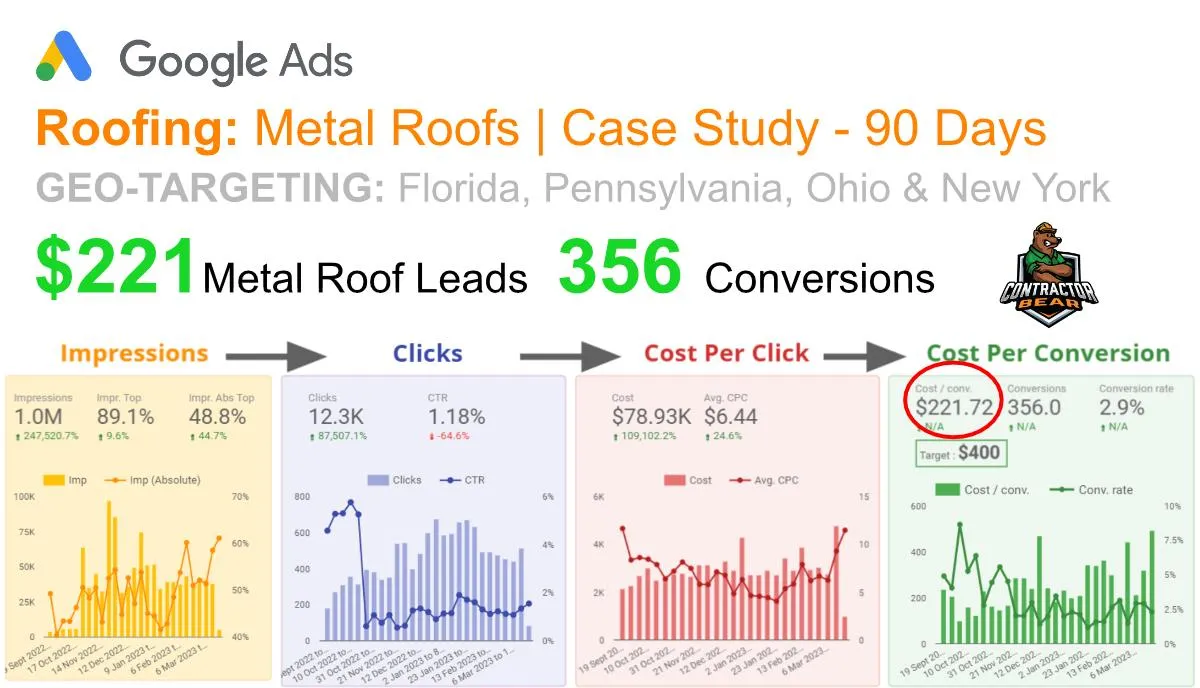
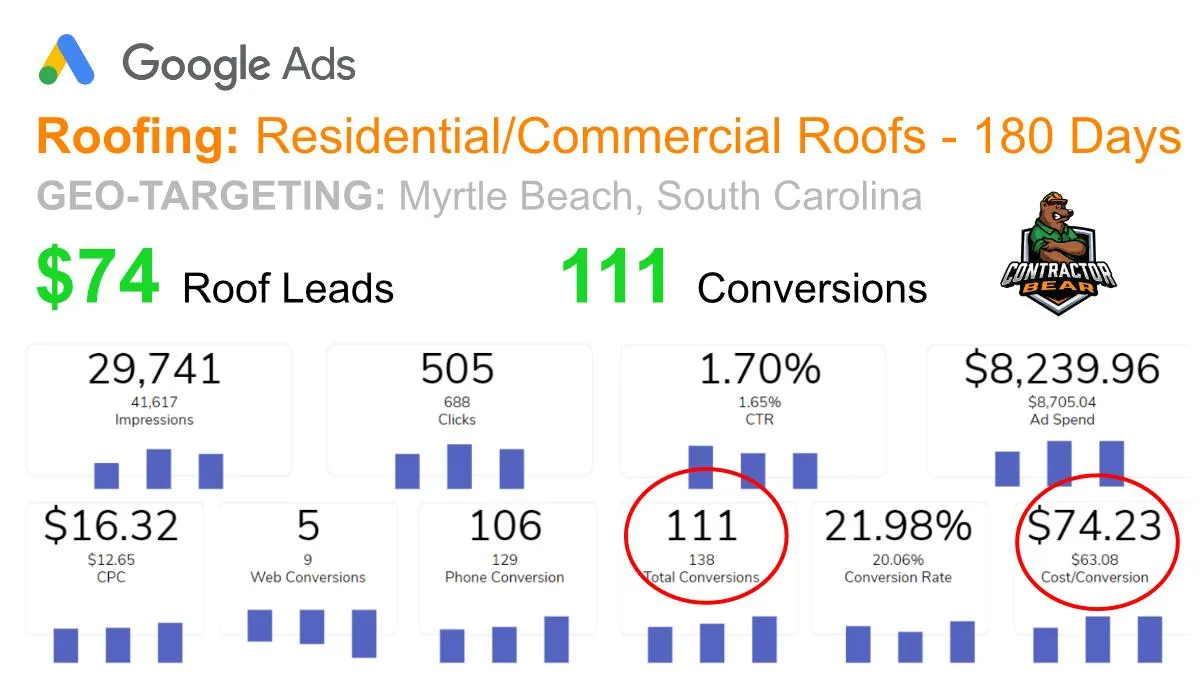
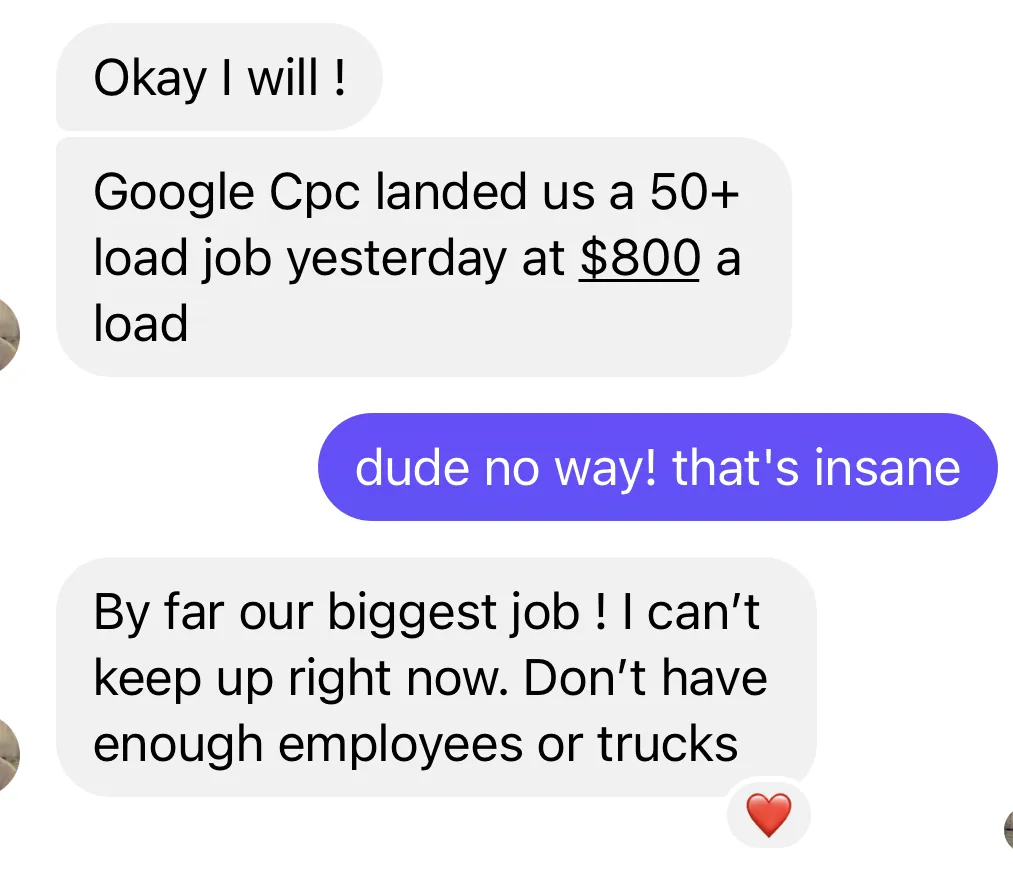
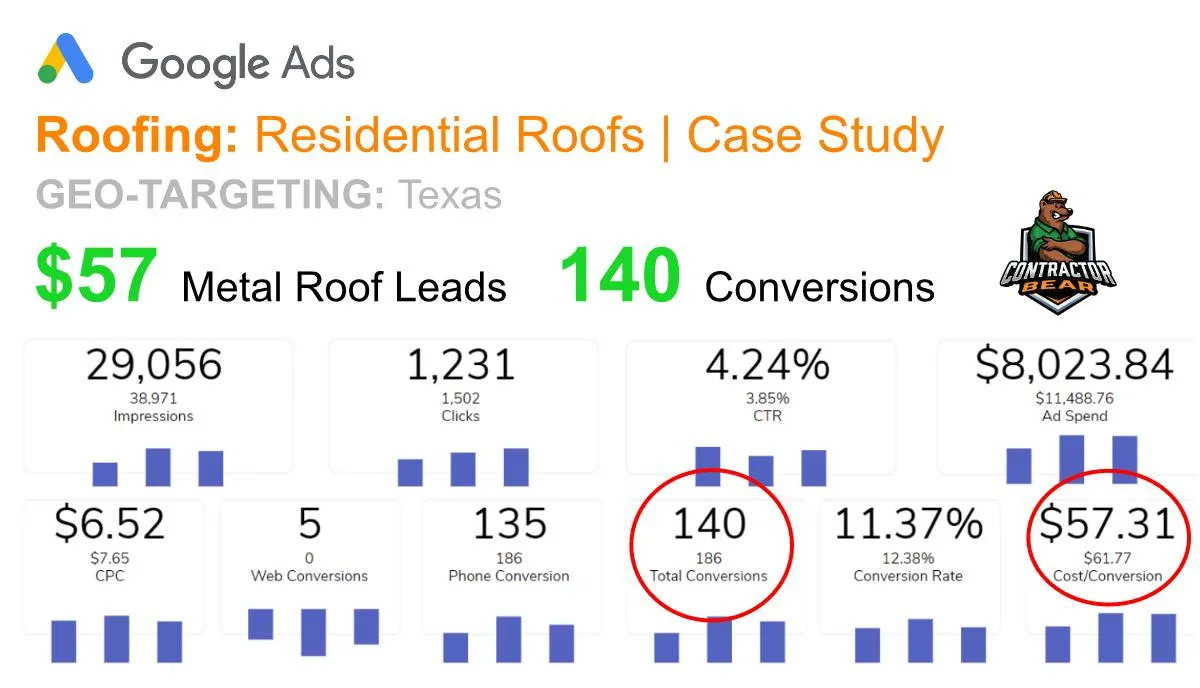
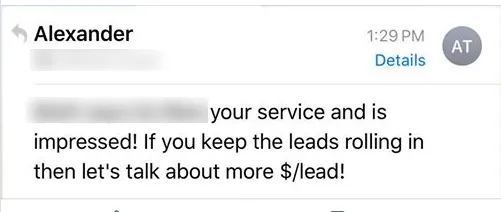
Real Results. Real Contractors.
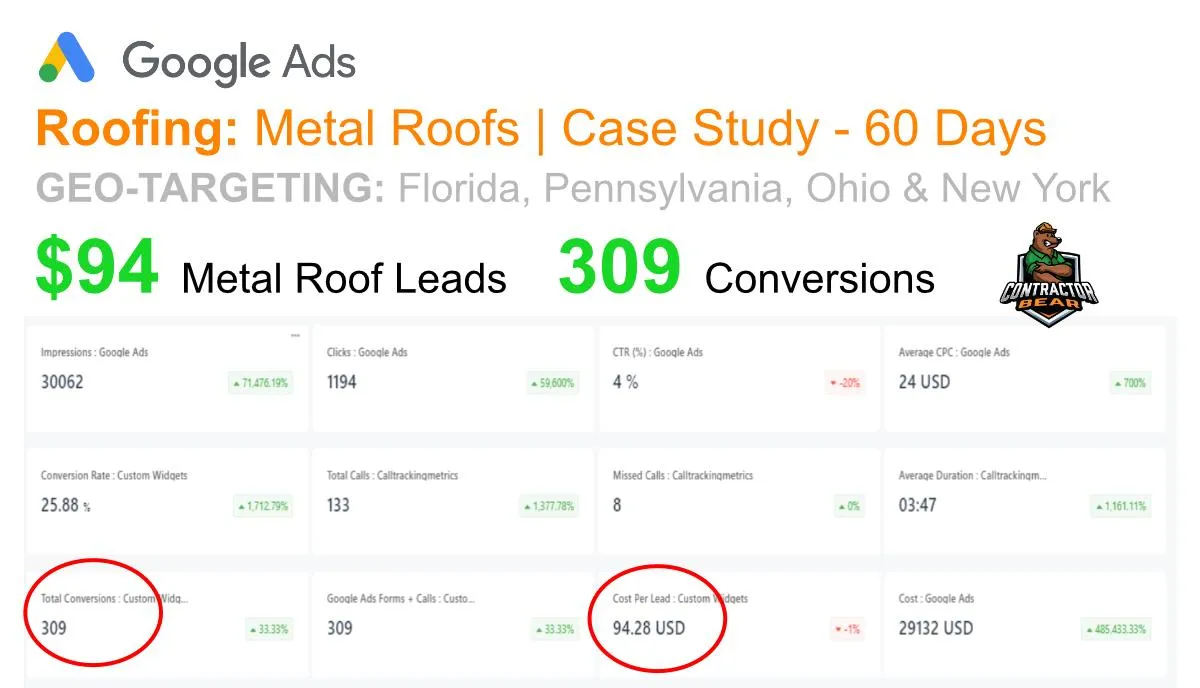
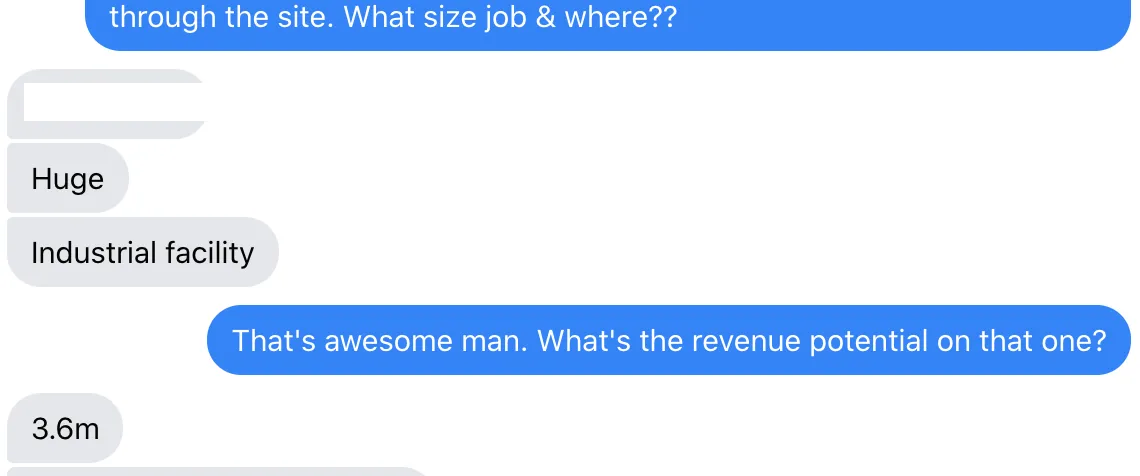
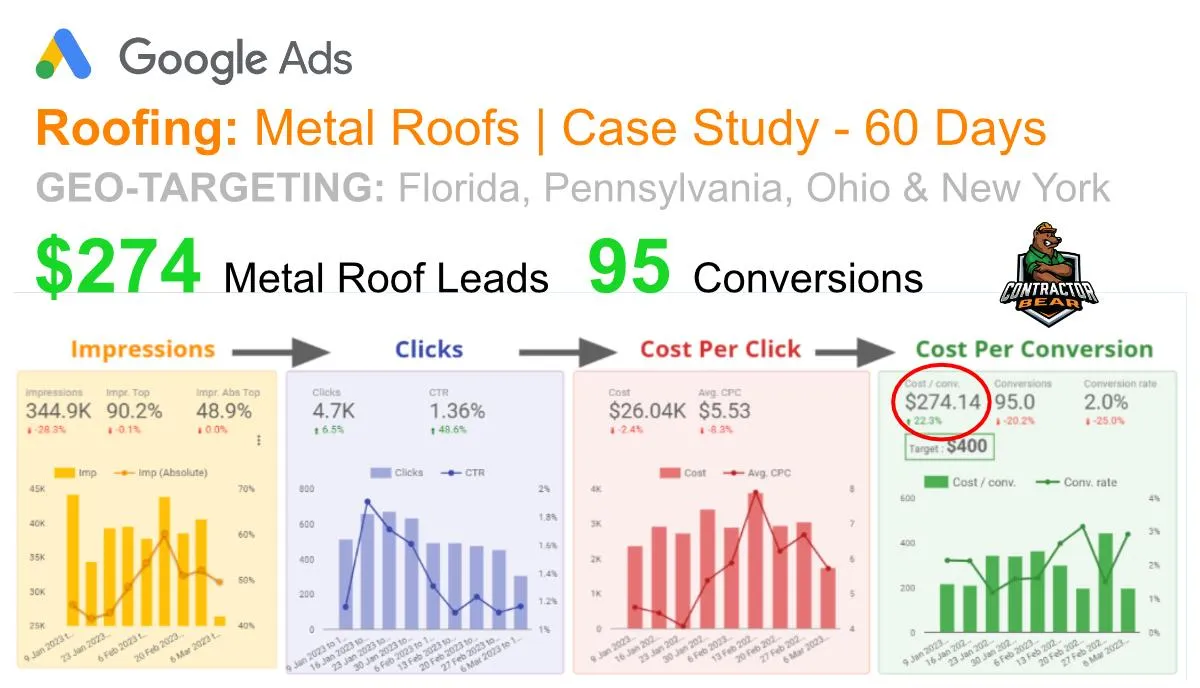
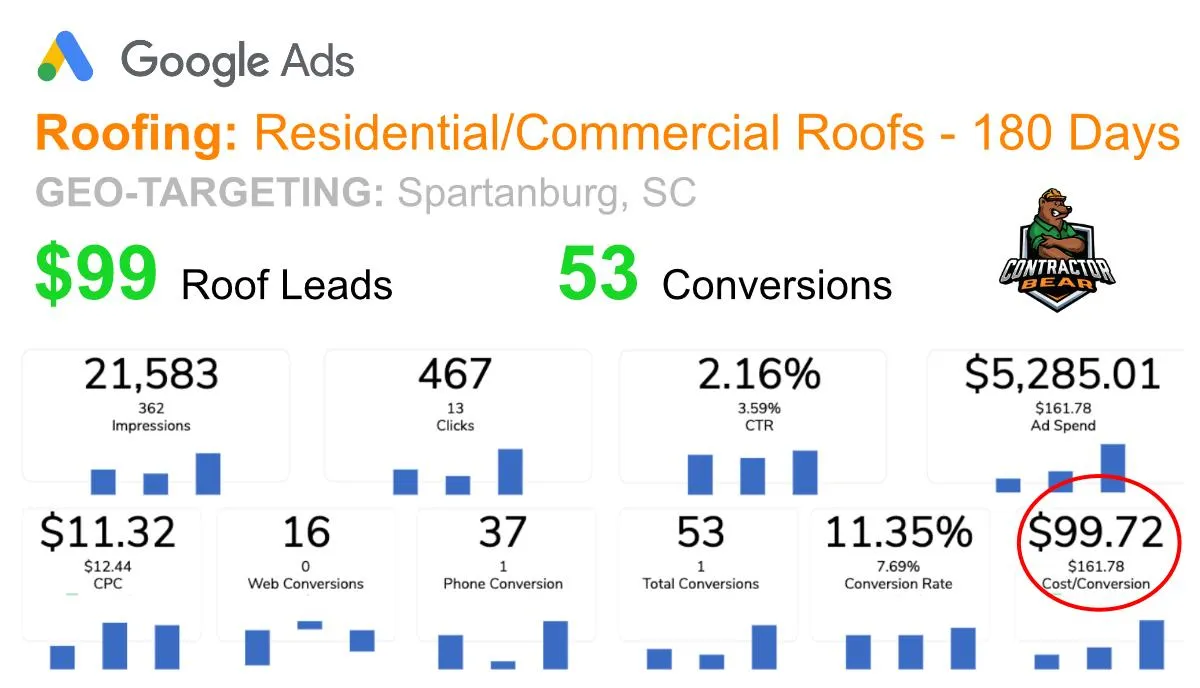
Screenshots from our actual client dashboards and conversations. No stock photos, no fake numbers.




Packages for Austin Pest Control Companies
Free custom website included with every plan. No setup fees, no long-term contracts.

Cub
Start building pipeline
- Google Business Profile optimization
- Local SEO foundation
- Review generation system
- Bring your own website

Black
Your free website tier
- FREE custom website
- ALL Everything in Cub, plus:
- Conversion-optimized site
- Call tracking + Growth Hub CRM

Grizzly
Accelerate your pipeline
- ALL Everything in Black, plus:
- Content marketing & blog
- Advanced review management
- City + service landing pages

Polar
Own your market
- ALL Everything in Grizzly, plus:
- Google Ads management
- Full-funnel lead nurturing
- Dedicated account manager
You only move up when we deliver. Tier upgrades trigger automatically when your attributed-lead count clears each threshold, with phone, email, and text notification before any price change. Attribution is limited to leads generated by our marketing — never your existing customers, referrals, or word-of-mouth.
Pest Control SEO FAQ
How long does it take for pest control SEO to generate leads in Austin?
Most Austin pest control companies begin seeing measurable organic traffic improvements within 60–90 days of starting a properly executed SEO campaign — particularly on longer-tail service-specific keywords like 'termite treatment Austin' or 'bed bug exterminator Austin TX.' Ranking competitively for high-volume head terms like 'pest control Austin' typically takes 5–9 months depending on your current domain authority and the competitiveness of your specific service areas. Contractor Bear's approach front-loads quick-win optimizations (GBP, technical fixes, citation cleanup) that can start generating leads within the first 30 days while longer-term content and authority building compounds over time.
What does pest control SEO cost in Austin, and what ROI should I expect?
Professional pest control SEO in Austin typically runs $1,500–$4,000 per month depending on scope, market competition, and the number of service lines being targeted. When evaluated against results, the economics are compelling: organic leads cost $15–40 each and close at 20–25%, compared to Google Ads at $45–150 per lead with a 10% close rate. For a pest control company where the average customer has a $1,500 lifetime value and 75% re-subscribe annually, a single page-one ranking for a moderate-volume keyword can generate 15–30 leads per month — delivering a positive ROI within 4–6 months of campaign launch.
How does Google decide which pest control companies rank in the Austin map pack?
Google's local pack algorithm weighs three primary factors: relevance (how well your GBP and website match the search query), distance (proximity of your business or service area to the searcher), and prominence (how well-known and trusted Google's systems believe you are). Prominence is the most actionable lever and encompasses your review volume and recency, the number and consistency of your local citations, the quality and authority of websites linking to you, and the strength of your on-page optimization. For Austin pest control, the map pack is heavily influenced by review velocity — companies actively generating 10+ new reviews per month consistently outrank those that have plateaued, even with fewer total reviews.
Should Austin pest control companies use SEO or Google Ads to get leads faster?
Google Ads delivers leads immediately but at $45–150 each with a 10% close rate — making your real customer acquisition cost potentially $450–1,500 before factoring in any retention. SEO takes 3–6 months to gain traction but then generates leads at $15–40 each with a 20–25% close rate. The most effective strategy for Austin pest control companies is to run a modest Google Ads campaign during the initial SEO ramp-up period (particularly for high-value services like termite treatment), then gradually reduce ad spend as organic rankings mature. Within 9–12 months, a well-executed SEO campaign typically generates enough organic leads to justify significantly reducing or eliminating paid ad dependency.
Do I need separate SEO pages for each pest control service I offer in Austin?
Yes — without question. A single generic 'Services' page cannot rank competitively for the distinct keyword clusters associated with termite treatment, bed bug removal, rodent control, mosquito services, and commercial pest control. Each service has its own search intent, its own keyword universe, and its own set of competing pages. Google wants to serve searchers the most specifically relevant result, and a page dedicated entirely to 'Termite Treatment Austin TX' will consistently outrank a generic services page that mentions termites among eight other offerings. Contractor Bear builds dedicated, fully optimized service pages for each treatment type as a core component of every pest control SEO engagement.
Pest Control SEO in Nearby Cities
Pest Control SEO in San Antonio →
San Antonio, TX • Pop. 1,547,253
Pest Control SEO in New Braunfels →
New Braunfels, TX • Pop. 108,788
Pest Control SEO in Killeen →
Killeen, TX • Pop. 153,095
Pest Control SEO in Waco →
Waco, TX • Pop. 143,079
Pest Control SEO in College Station →
College Station, TX • Pop. 120,511
Pest Control Marketing Resources
Scale Your Pest Control Company →
Comprehensive growth guide for pest control businesses.
All Pest Control Services →
See everything we offer for pest control companies.
Google Business Profile Guide for Contractors →
In-depth article to help grow your business.
How to Get More 5-Star Reviews →
Practical strategies you can implement today.
Get a Free Pest Control SEO Audit for Austin
We'll show you exactly where you're losing leads to competitors — and build you a free custom website designed to rank and convert, with your first organic rankings typically appearing within 60 days.