Pest Control SEO in Ontario, CA
Organic search delivers the highest-ROI leads in the Ontario pest control market — at $15–40 per lead with a 20–25% close rate, SEO outperforms every paid channel by a wide margin. Stop renting visibility from Google Ads and start owning it.
By Contractor Bear Team • March 2026
Get Your Free Ontario Pest Control Audit
See exactly where you're losing leads to your top 3 pest control competitors in Ontario. No sales call required.
Why SEO Is the #1 Growth Channel for Ontario Pest Control Companies
Top 8 Local SEO Ranking Factors for Pest Control
What actually moves the needle for pest control companies in Ontario.
Google Business Profile
The map pack (top 3 local listings) captures the most clicks for high-intent searches like 'pest control Ontario CA.' GBP is the single biggest lever for appearing there — Google uses proximity, relevance, and prominence signals from your profile to rank it.
Our approach: We complete every GBP field with keyword-rich service descriptions, add geo-tagged photos of your vehicles and completed jobs in Ontario neighborhoods, configure all 8+ pest control service categories, post weekly updates, and enable the Q&A section with pre-seeded answers to common questions about termite inspections and rodent control.
On-Page SEO
Google's crawlers read your website content to determine what searches you should rank for. Pest control companies with generic homepages miss dozens of high-intent keyword opportunities across specific services and neighborhoods.
Our approach: We build dedicated service pages for each major offering (termite treatment, rodent control, bed bug treatment, etc.) with unique title tags, H1s, and 800+ word content containing Ontario-specific language. We implement schema markup for LocalBusiness and Service types, optimize internal linking structure, and ensure keyword placement in URLs, headers, and first 100 words.
Reviews & Ratings
93% of consumers read reviews before hiring a pest control company, and Google uses review quantity, recency, and sentiment as a direct map pack ranking signal. In a trust-sensitive industry like pest control, reviews are both a ranking factor and a conversion driver.
Our approach: We set up automated post-service review request sequences via SMS and email, create QR code cards for technicians to leave at job sites, build a review monitoring dashboard, and implement response templates for both positive and negative reviews to demonstrate professionalism to future customers reading your profile.
Local Citations
Citations are mentions of your business name, address, and phone number (NAP) across directories like Yelp, Angi, BBB, and industry-specific sites. Consistent NAP data across 50+ citations signals legitimacy to Google and improves local ranking authority.
Our approach: We audit your current citation landscape, fix all NAP inconsistencies that could confuse Google, and build new citations on high-authority platforms relevant to Ontario and the Inland Empire market including local chamber directories, California contractor databases, and pest control industry associations.
Mobile Experience
Over 65% of pest control searches happen on mobile — and Google's mobile-first indexing means your mobile site performance directly determines your desktop rankings too. A slow or hard-to-use mobile site will suppress your rankings regardless of other optimizations.
Our approach: We audit Core Web Vitals (LCP, CLS, FID), compress images without quality loss, implement lazy loading, minify CSS/JS, and ensure click-to-call buttons are prominent above the fold. We target sub-2.5 second load times and a mobile PageSpeed score above 85, and test on real devices across Android and iOS.
Content Quality
Google's Helpful Content system demotes thin, generic pages and rewards content that demonstrates genuine expertise. For pest control, this means content that addresses specific pest species found in Ontario's climate, local treatment regulations, and detailed service explanations — not boilerplate.
Our approach: We produce long-form service and location pages covering Ontario-specific pest pressures (scorpions, black widows, Argentine ants, gophers), seasonal treatment timelines for semi-arid climates, and FAQ content addressing chemical safety concerns and licensing. We implement FAQ schema to capture featured snippets and People Also Ask placements.
Backlinks
Backlinks from authoritative websites are among Google's strongest ranking signals, functioning as third-party votes of confidence. Pest control companies rarely build links proactively, which means even a modest link-building effort creates a significant competitive advantage.
Our approach: We pursue links through Ontario-area home improvement blogs, Inland Empire business associations, local news outlets covering pest issues, and real estate agent resource pages. We create linkable assets like Ontario pest season guides and 'when to call an exterminator' checklists that earn organic links over time.
Technical SEO
Technical issues — slow load times, crawl errors, duplicate content, broken redirects — can prevent Google from properly indexing your pages, effectively hiding your site from search regardless of content quality. Many contractor websites built on templated platforms have hidden technical debt.
Our approach: We conduct a full technical audit covering crawlability, XML sitemap accuracy, robots.txt configuration, HTTPS implementation, canonical tags to prevent duplicate service pages from competing against each other, structured data validation via Google's Rich Results Test, and Core Web Vitals remediation tracked through Google Search Console.
SEO vs Paid Ads for Pest Control Companies
| Factor | SEO | Google Ads | Facebook Ads |
|---|---|---|---|
| Cost Per Lead | $15-40 | $45-150 | $25-80 |
| Close Rate | 20-25% | 8-12% | 5-8% |
| Time to Results | 3-6 months | Immediate | 1-2 weeks |
| Long-term Value | Compounds over time | Stops when you stop paying | Stops when you stop paying |
| Trust Level | High (earned placement) | Medium (paid label) | Low (interruptive) |
| Lead Quality | High intent | High intent | Lower intent |
Step-by-Step Local SEO for Ontario Pest Control Companies
Claim & Optimize Your Google Business Profile
Your GBP is the foundation of local SEO in Ontario. Start by claiming or verifying your listing at business.google.com if you haven't already. Fill in every available field: business name, exact Ontario address, local phone number, service area (include Ontario, Rancho Cucamonga, Fontana, Chino), business hours including emergency availability, and website URL. Add photos of your trucks, uniformed technicians, and completed treatments. Select all applicable categories — 'Pest Control Service' as primary, plus 'Exterminator,' 'Termite Control Service,' etc. as secondary. Write a keyword-rich business description mentioning your licensed services, Ontario service area, and years in operation. Enable messaging and respond within the hour to new inquiries.
Build Local Citations Across Key Directories
Citations are your digital footprint — every directory listing that shows your consistent business name, address, and phone number reinforces your legitimacy to Google. Start with the major platforms: Yelp, Angi, HomeAdvisor, BBB, Thumbtack, and Facebook Business. Then build out industry-specific citations on sites like PestWorld.org, the National Pest Management Association directory, and California Structural Pest Control Board licensee listings. For Ontario specifically, list with the Ontario Chamber of Commerce, Inland Empire business directories, and local real estate agent resource pages. Critical: your NAP must be identical across every platform — even small discrepancies ("St" vs "Street") send conflicting signals to Google's local algorithm and suppress your map pack rankings.
On-Page Optimization for Pest Control Keywords
Each page on your website needs to be built around a specific keyword cluster rather than trying to rank for everything on one generic page. Create individual service pages for termite treatment, rodent control, bed bug treatment, mosquito control, and wildlife removal — each with a unique title tag containing the service name and 'Ontario CA,' an H1 that matches, and 800+ words of content covering what the service includes, how the treatment process works, what pests are treated, and pricing transparency. Your homepage should target 'pest control Ontario CA' as the primary keyword. Use Ontario neighborhood names (Creekside, Mountain House, Colony area) naturally within your location pages to capture hyper-local searches. Every page needs a clear call-to-action with a local Ontario phone number.
Generate and Manage Reviews Systematically
Pest control companies live and die by reviews — 93% of consumers read them, and Google's map pack algorithm heavily weights review velocity, quantity, and average rating. The most effective system: send an automated SMS to every customer within 2 hours of job completion with a direct link to your Google review page. Keep the message short and personal — 'Hi [Name], thanks for having [Company] out today. We'd really appreciate a quick Google review if you have a moment: [link].' Aim for a 15–20% review conversion rate. Respond to every single review within 24 hours; for negative reviews, acknowledge the concern, offer resolution, and take the conversation offline. In pest control, a professional response to a 1-star review often converts more customers than the review itself loses.
Create Local Content That Earns Rankings and Trust
Ontario's semi-arid climate creates specific pest pressures that your content should address directly — this is where national pest control chains fall short and where local operators can dominate. Publish blog posts and guides on topics like: 'Termite Swarm Season in the Inland Empire — What to Watch For,' 'Scorpion Prevention Guide for Ontario Homes,' 'Why Argentine Ants Are Everywhere in Ontario in Spring,' and 'Gopher Control for Ontario Backyards.' These posts target long-tail searches with low competition, build topical authority on pest control topics, and earn natural backlinks from local homeowner blogs and real estate sites. Each piece should include Ontario-specific details, seasonal timing, and a clear path to contact you. This content compound over time, continuing to generate leads years after publication.
Build Quality Backlinks from Local Sources
Link building for Ontario pest control companies is less about volume and more about strategic relevance and authority. Target three categories of links: local business associations (Ontario Chamber of Commerce, Inland Empire Economic Partnership), home improvement and real estate resources (Ontario-area real estate agents who include pest inspection resources on their sites, local HOA newsletters), and earned media (pitch local news outlets like the Inland Valley Daily Bulletin on pest-season stories and offer expert commentary). Create a 'Pest Season Guide for Ontario Homeowners' PDF that local property managers and real estate agents will naturally link to. Sponsor a local community event or youth sports team in Ontario for a citation link from their website. Avoid link farms, private blog networks, or paid links — Google's Penguin algorithm penalizes these and they're not worth the risk to your organic rankings.
Ontario Pest Control SEO Landscape
5 SEO Mistakes Pest Control Companies Make
Using a Single Generic Homepage Instead of Service Pages
Most pest control companies try to rank for every service — termite treatment, rodent control, bed bugs, mosquitoes — from a single homepage. Google's algorithm rewards topical specificity. A homepage targeting 'pest control Ontario CA' can't simultaneously rank for 'termite inspection Ontario CA' with any real authority. This means you're invisible for the high-intent, service-specific searches where customers are ready to book.
Fix: Build a dedicated landing page for each major service with its own keyword-optimized title tag, H1, and 800+ words of service-specific content. Link them from your homepage and from each other. This structure allows you to rank for dozens of terms simultaneously instead of competing with yourself on one generic page.
Neglecting Google Business Profile After Initial Setup
Many pest control operators claim their GBP, fill in the basics, and never touch it again. Google's local algorithm rewards active, frequently updated profiles. A stagnant GBP — no new photos, no posts, no Q&A responses — signals that the business may not be actively serving customers, which suppresses map pack rankings exactly when search volume peaks in spring and summer.
Fix: Post to your GBP at least weekly (seasonal tips, service highlights, before/after photos). Add new geo-tagged job site photos monthly. Answer every Q&A question within 24 hours. Update your hours for holidays. These small signals compound significantly over 6–12 months and are a primary driver of map pack movement.
Ignoring Reputation Management Until a Crisis Hits
Pest control companies are uniquely vulnerable to online reputation damage — an unhappy customer who found a live pest after treatment, a neighbor who spotted your truck, a concern about chemical safety. Companies that don't have a proactive review generation system in place find themselves with 8 reviews averaging 3.2 stars when their competitor has 180 reviews at 4.8. At that point, recovery is slow and painful.
Fix: Build automated review requests into your post-service workflow starting today. Send an SMS within 2 hours of job completion. Target 2–3 new Google reviews per week minimum. With a 75% repeat rate, your existing customer base is a massive untapped review source — most happy customers simply haven't been asked.
Inconsistent NAP Data Across Directories
Pest control companies that have been in business for years often have citation data scattered across dozens of directories — many with old phone numbers, suite numbers that don't match, or business names that differ slightly ('Ontario Pest Pro' vs 'Ontario Pest Pros LLC'). Google uses NAP consistency as a trust signal for local rankings, and conflicting data across directories actively suppresses map pack placement.
Fix: Run a citation audit using a tool like BrightLocal or Whitespark. Identify every inconsistency and correct them systematically, starting with the highest-authority directories (Yelp, Angi, BBB, Bing Places). This is unglamorous work but often produces measurable ranking improvements within 60–90 days.
Not Creating Content Around Chemical Safety and Licensing
Chemical safety concerns and licensing requirements are listed as major pain points in the pest control industry — and they're also high-intent search topics. Potential customers search for 'is pest control safe for kids Ontario,' 'licensed exterminators Ontario CA,' and 'pet-safe pest control.' Companies that don't have content addressing these concerns lose those searches to competitors and also miss a trust-building opportunity that directly addresses conversion objections.
Fix: Create dedicated FAQ pages and blog posts covering chemical safety protocols, your California Structural Pest Control Board license number and what it means, child and pet safety during and after treatments, and eco-friendly treatment options. This content ranks for low-competition queries, reduces phone call objections, and signals to Google that your site has genuine E-E-A-T (Experience, Expertise, Authority, Trust).
Real Results: Pest Control SEO Case Study
Pest Control company in Riverside, California
Before
After
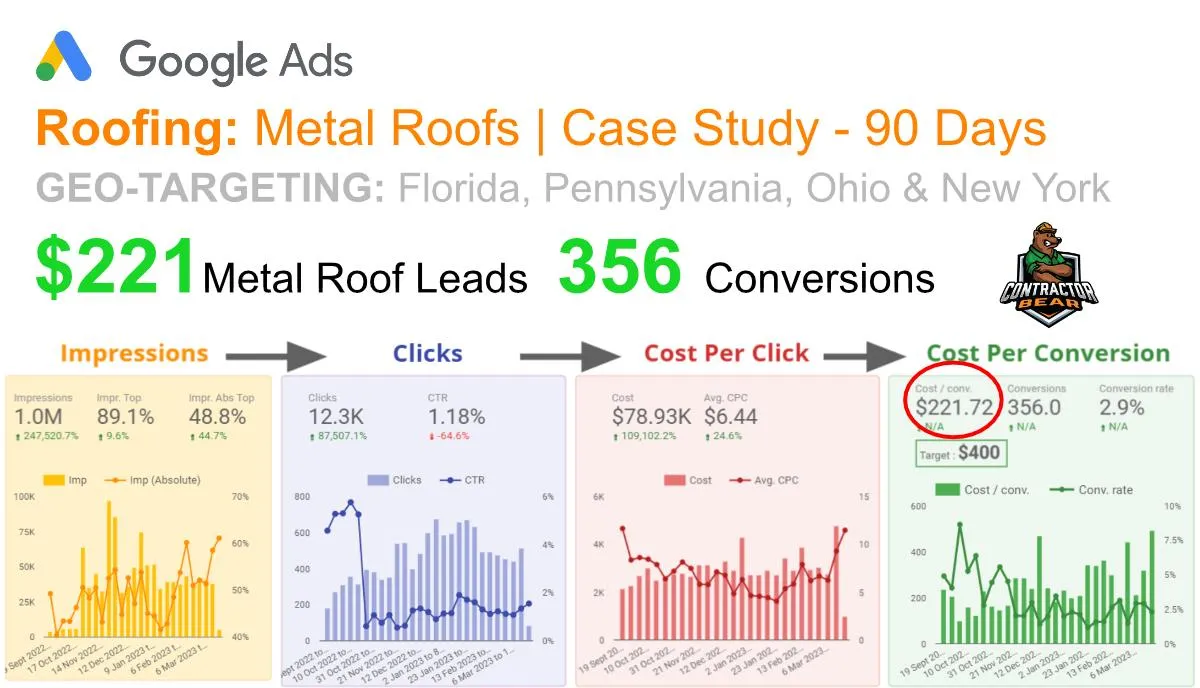
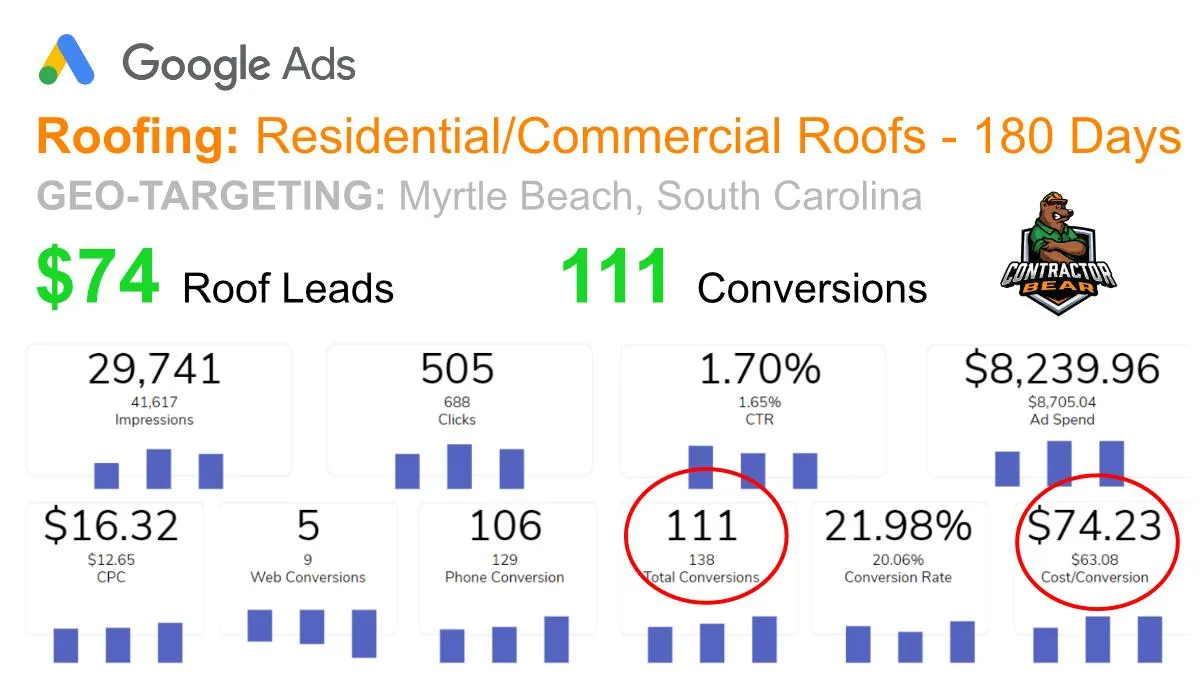
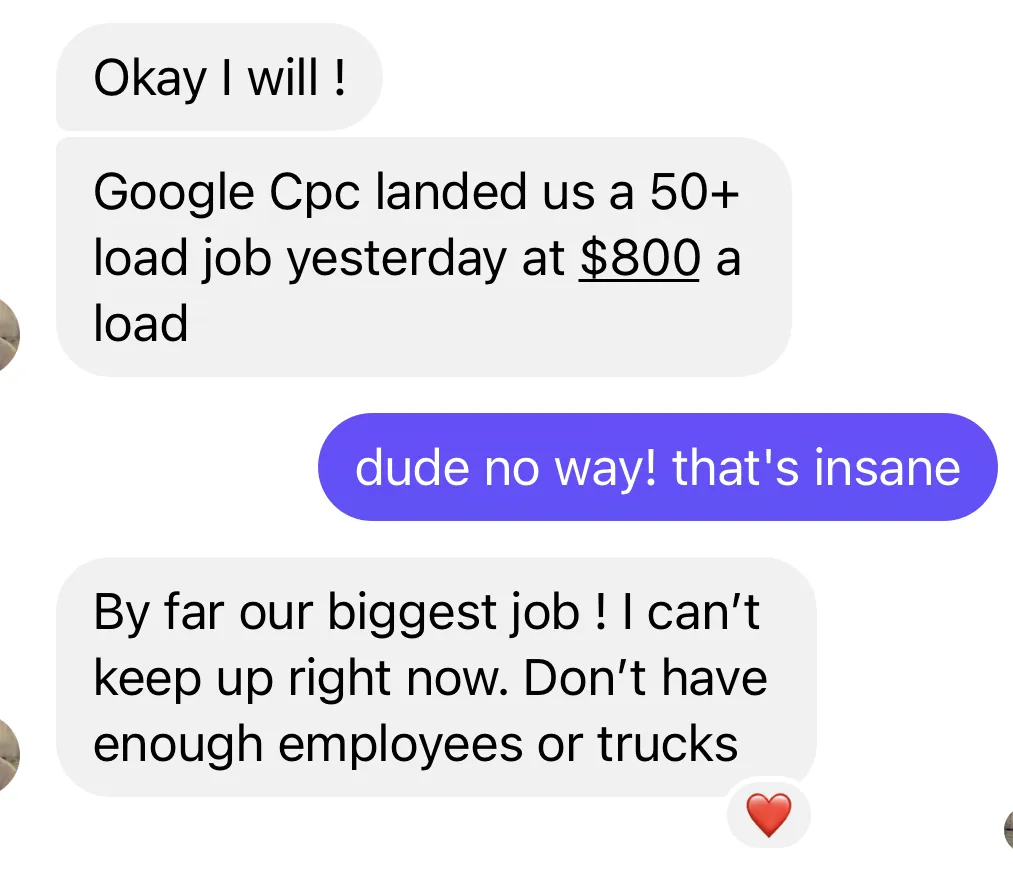
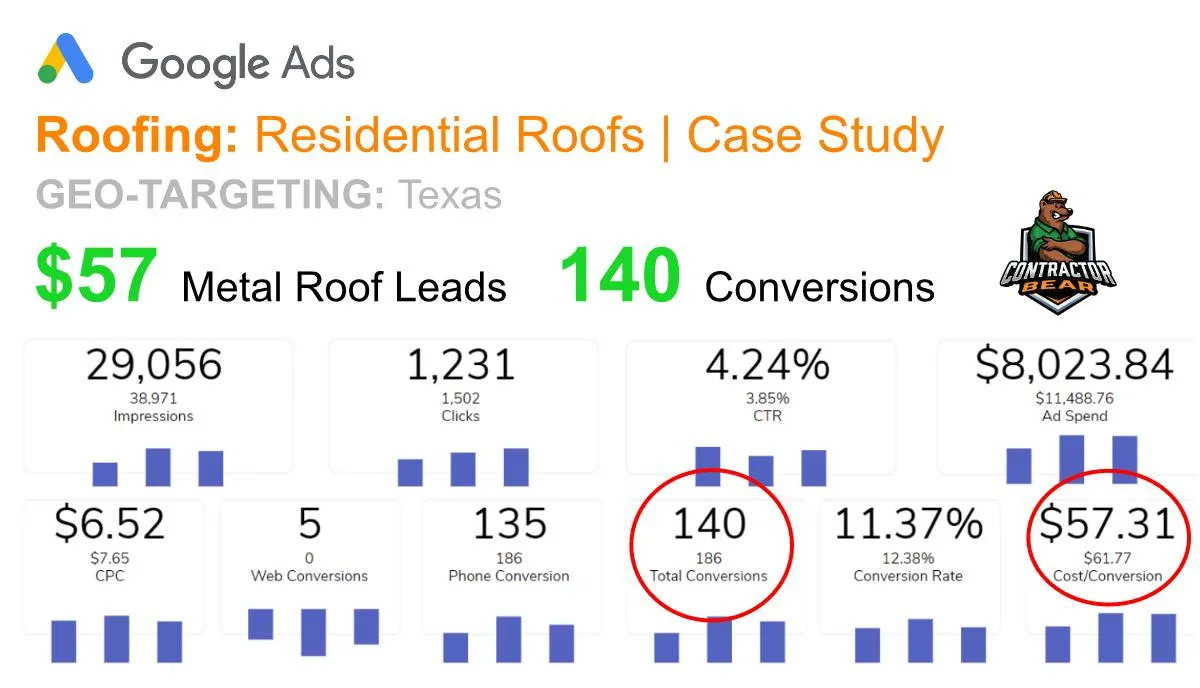
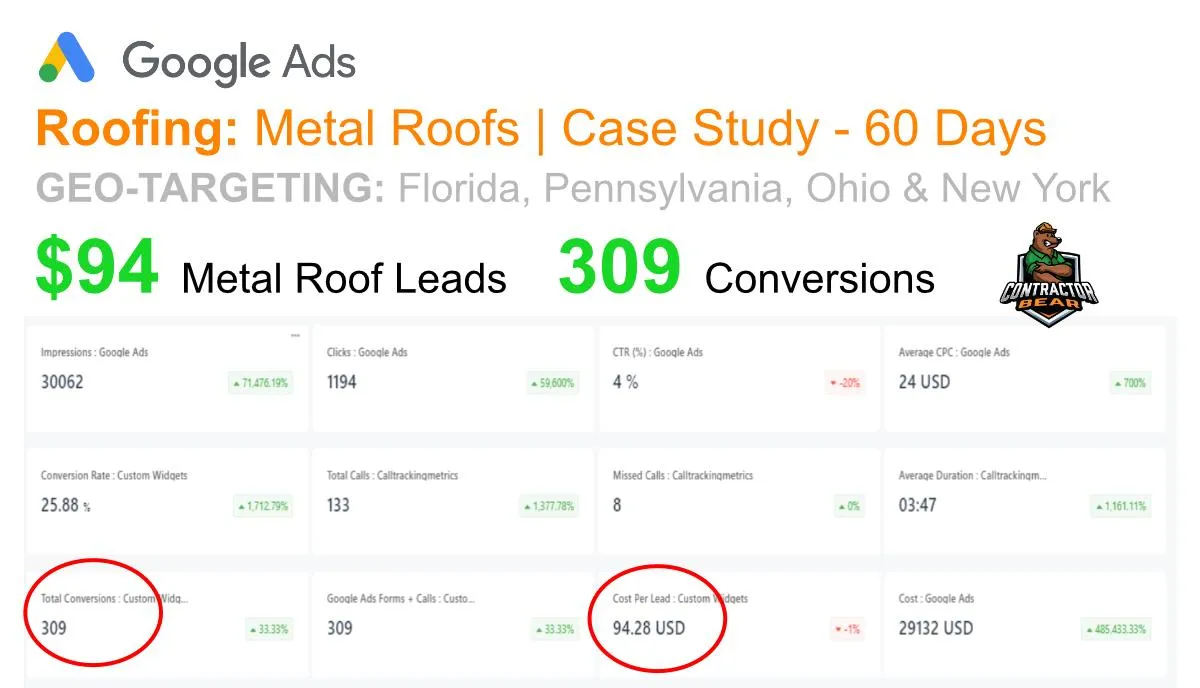
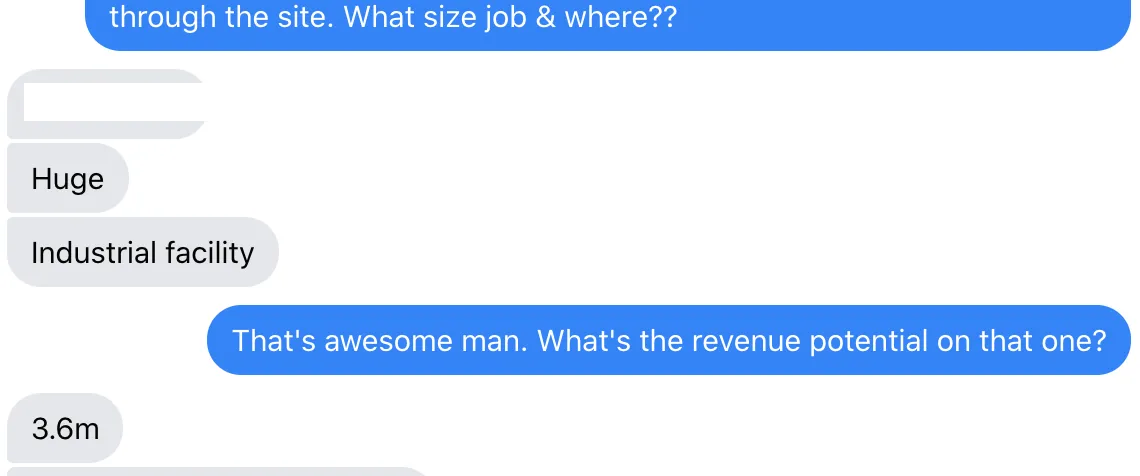
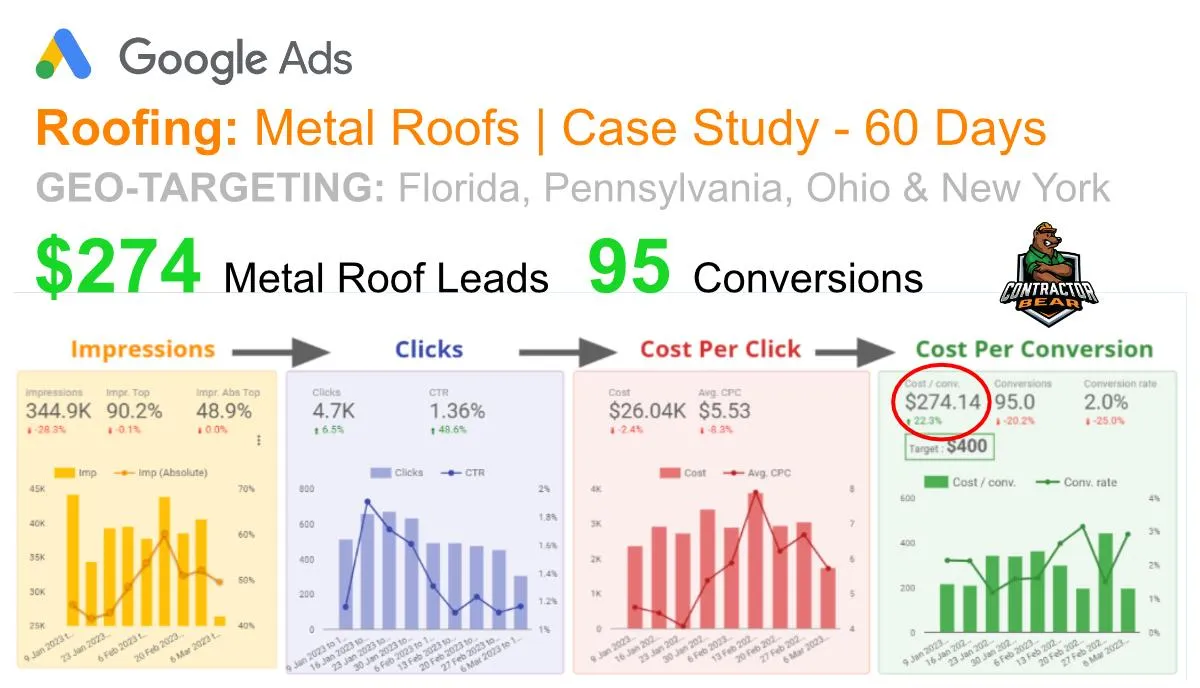
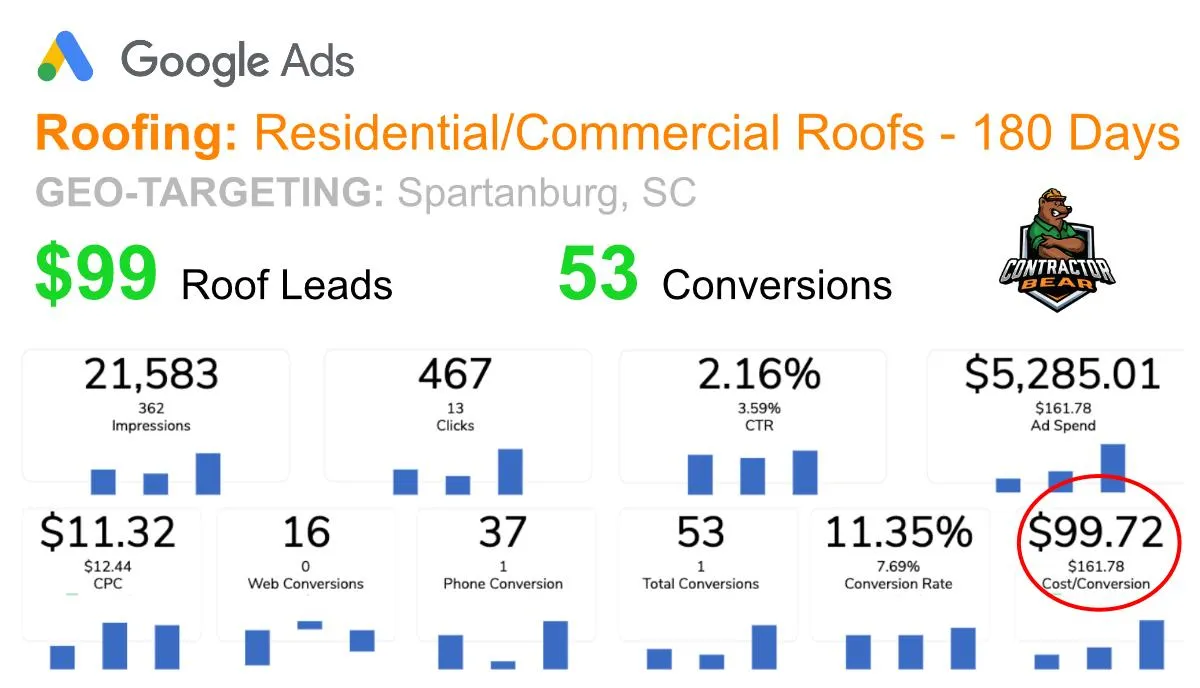
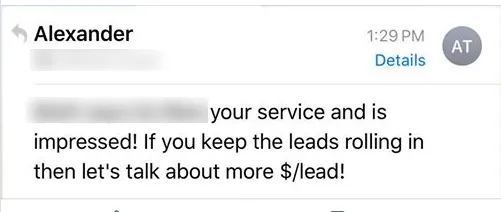
Real Results. Real Contractors.
Screenshots from our actual client dashboards and conversations. No stock photos, no fake numbers.




Packages for Ontario Pest Control Companies
Free custom website included with every plan. No setup fees, no long-term contracts.

Cub
Start building pipeline
- Google Business Profile optimization
- Local SEO foundation
- Review generation system
- Bring your own website

Black
Your free website tier
- FREE custom website
- ALL Everything in Cub, plus:
- Conversion-optimized site
- Call tracking + Growth Hub CRM

Grizzly
Accelerate your pipeline
- ALL Everything in Black, plus:
- Content marketing & blog
- Advanced review management
- City + service landing pages

Polar
Own your market
- ALL Everything in Grizzly, plus:
- Google Ads management
- Full-funnel lead nurturing
- Dedicated account manager
You only move up when we deliver. Tier upgrades trigger automatically when your attributed-lead count clears each threshold, with phone, email, and text notification before any price change. Attribution is limited to leads generated by our marketing — never your existing customers, referrals, or word-of-mouth.
Pest Control SEO FAQ
How long does pest control SEO take to show results in Ontario?
For most Ontario pest control companies, meaningful ranking improvements appear within 3–4 months for lower-competition terms (specific services + neighborhood combinations) and 5–7 months for higher-competition terms like 'pest control Ontario CA.' The map pack often responds faster than organic rankings — well-executed GBP optimization and a review generation push can move you into the top 3 within 60–90 days in some cases. The important context: unlike Google Ads, every month you invest in SEO builds on the previous month. By month 12, you're generating leads at a fraction of the cost of when you started, and those rankings stay even if you reduce your monthly spend.
What does pest control SEO cost, and what ROI should I expect?
Professional pest control SEO in a market like Ontario typically ranges from $1,500–$3,500 per month depending on competitiveness and scope. At $15–40 per organic lead and a 20–25% close rate, a campaign generating 30 qualified leads per month produces 6–7 booked jobs. At a $175 average job value and $1,500 lifetime value with 75% repeat rate, that's $1,050 in immediate revenue and $6,300+ in lifetime value per month — from a single month's leads. Most well-executed SEO campaigns reach positive ROI within 4–6 months and continue compounding for years. The better question isn't what it costs, but what not ranking is costing you every month.
Can a local pest control company compete with Orkin and Terminix in Ontario's search results?
Yes — and this is one of the most common misconceptions that holds local operators back. National chains have brand recognition and ad budgets, but they consistently underinvest in local SEO fundamentals that move map pack rankings. Their Google Business Profiles are often poorly optimized, they generate few reviews relative to their customer volume, and their website content is templated across hundreds of markets with minimal local specificity. A local Ontario pest control company that builds a strong GBP, generates 100+ recent Google reviews, and creates Ontario-specific service content will outrank national chains in the map pack — which drives the majority of local search clicks — within 6–9 months.
What keywords should an Ontario pest control company target first?
Prioritize in this order: First, core commercial intent terms with location — 'pest control Ontario CA,' 'exterminator Ontario CA,' 'termite inspection Ontario.' These have the highest conversion value. Second, service-specific terms — 'rodent control Ontario,' 'bed bug treatment Inland Empire,' 'termite treatment Ontario CA.' These have lower competition and high close rates. Third, neighborhood and surrounding city terms — 'pest control Rancho Cucamonga,' 'exterminator Chino CA.' Finally, informational terms that capture top-of-funnel searchers — 'termite signs Ontario homes,' 'how to get rid of scorpions.' A properly structured site targets all four tiers simultaneously across dedicated pages.
Should I run Google Ads and SEO at the same time for my pest control company?
During the first 3–6 months while SEO is building momentum, a focused Google Ads campaign on your highest-value keywords (termite treatment, rodent control) is a smart bridge strategy — it captures immediate leads while organic rankings develop. However, the goal should be to shift budget progressively from paid to organic as rankings improve. Running both long-term without a clear transition plan is the common mistake: many pest control companies keep spending $3,000–5,000/month on ads for years after their organic rankings could generate the same leads at a fraction of the cost. Use Ads tactically during peak spring/summer season; let SEO carry the base load year-round.
Pest Control SEO in Nearby Cities
Pest Control SEO in Rancho Cucamonga →
Rancho Cucamonga, CA • Pop. 177,751
Pest Control SEO in Fontana →
Fontana, CA • Pop. 218,590
Pest Control SEO in San Bernardino →
San Bernardino, CA • Pop. 222,203
Pest Control SEO in Pomona →
Pomona, CA • Pop. 151,713
Pest Control SEO in Riverside →
Riverside, CA • Pop. 314,998
Pest Control SEO in West Covina →
West Covina, CA • Pop. 106,098
Pest Control Marketing Resources
Scale Your Pest Control Company →
Comprehensive growth guide for pest control businesses.
All Pest Control Services →
See everything we offer for pest control companies.
Google Business Profile Guide for Contractors →
In-depth article to help grow your business.
How to Get More 5-Star Reviews →
Practical strategies you can implement today.
Get a Free Pest Control SEO Audit for Ontario
We'll show you exactly where you're losing rankings in Ontario's search results and build you a free custom website — with a clear path to page-one rankings within 6 months.