Pest Control Marketing in Boston, MA
Boston's metro area of 4.9 million people sits in a humid continental climate that drives year-round pest pressure—from spring ant invasions to fall rodent intrusions. With home values averaging $750,000 and a dense urban core, Boston homeowners and property managers are actively searching for reliable pest control professionals, but most local companies aren't positioned to capture that demand.
- Rank in the Boston map pack — not rent space on Angi
- Performance-based pricing — no lock-in contracts
- Free custom website built for the Boston market
By Contractor Bear Team • March 2026
Get Your Free Boston Pest Control Audit
See exactly where you're losing leads to your top 3 pest control competitors in Boston. No sales call required.
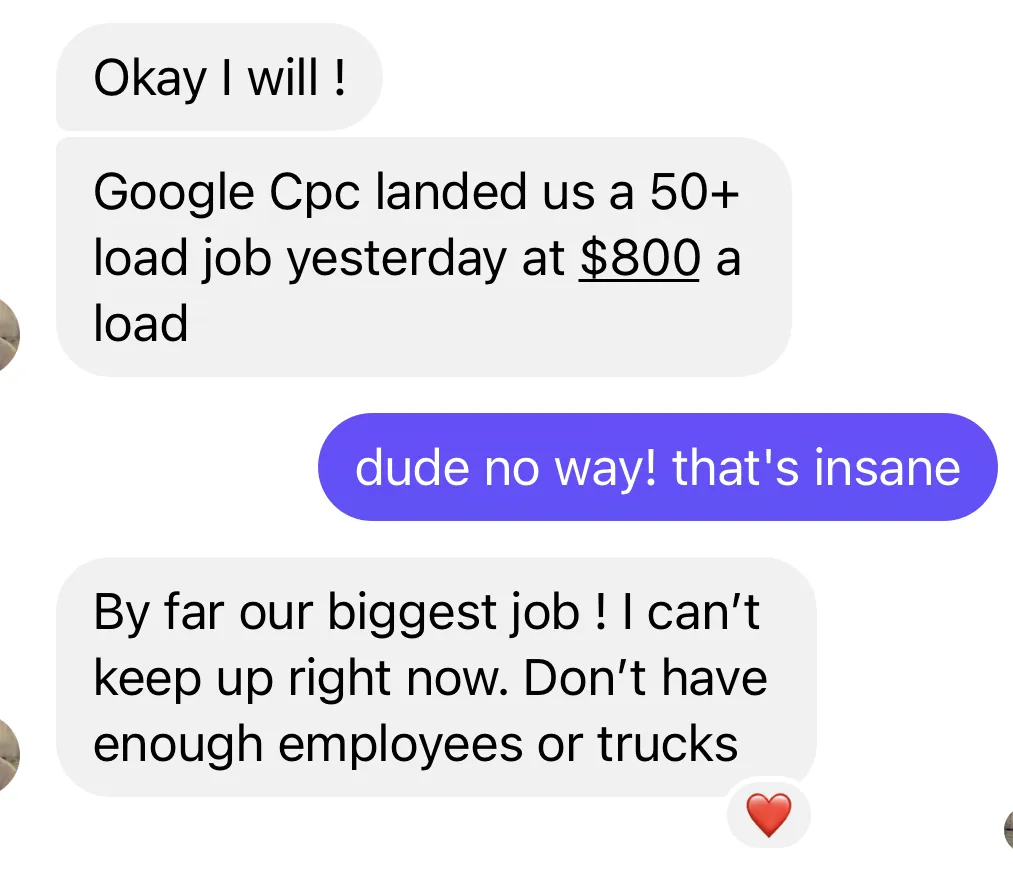
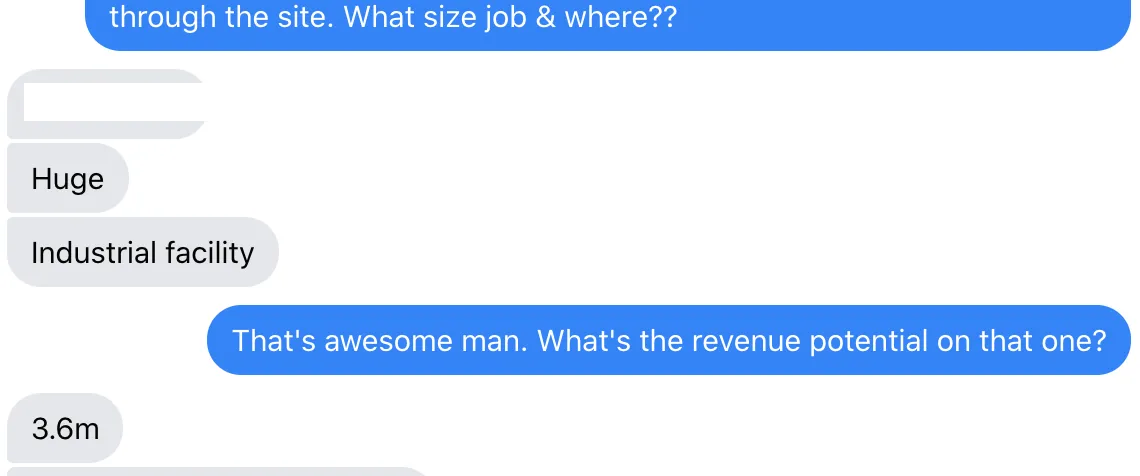
"Biggest job of my career came off this site. We can't keep up with the calls."
— Verified pest control client
See more proof below ↓
Why Most Boston Pest Control Companies Struggle to Get Customers
7 Marketing Channels That Work for Pest Control in Boston
Ranked by ROI for pest control companies.
Google Business Profile
$10-$25 per leadFor pest control in Boston, your GBP is your single highest-ROI marketing asset. At $10–$25 per lead with a 25% close rate, it delivers customers at $40–$100 each. Boston's dense neighborhoods mean searchers are close and ready to book. A fully optimized profile with service categories, weekly photo updates, Q&A populated, and a steady stream of verified reviews consistently outperforms paid channels in cost-per-acquisition.
Local SEO
$15-$40 per leadRanking organically for terms like 'pest control Boston,' 'termite treatment Cambridge,' or 'rodent exterminator Brookline' delivers leads at $15–$40 with a 20% conversion rate—far outperforming paid channels. Boston's high home values mean these leads are worth chasing hard. Local SEO compounds over time: content built around Boston's seasonal pest cycles, neighborhood-specific landing pages, and citation consistency builds a durable lead pipeline that doesn't vanish when ad budgets run out.
Google Ads
$45-$150 per leadGoogle Ads delivers immediate visibility for high-intent searches like 'bed bug exterminator Boston' or 'emergency rodent control.' At $45–$150 CPL with a 10% close rate, it's expensive but fast—critical for filling the calendar during spring ramp-up or promoting termite season specials. Boston's competitive market drives up CPCs, so campaigns must be tightly structured around service type, neighborhood targeting, and negative keyword discipline to avoid burning budget on unqualified clicks.
Facebook/Instagram Ads
$25-$80 per leadFacebook and Instagram work well for pest control awareness campaigns in Boston—promoting prevention plans to homeowners, seasonal mosquito control packages, or commercial pest control to property managers and restaurant owners. At $25–$80 CPL with a 6% close rate, costs are moderate. Boston's 35% homeownership rate means targeting homeowner demographics precisely is essential. Retargeting website visitors and lookalike audiences built from existing customers dramatically improves performance.
Content Marketing
$15-$35 per lead (organic content)Educational content drives organic discovery and positions your company as the authority Boston residents trust before pests become a crisis. Blog posts and service pages targeting 'signs of termites in Boston homes,' 'how to prevent mice this winter in Massachusetts,' or 'mosquito season timeline Boston' capture top-of-funnel traffic from homeowners in research mode. This content also supports GBP rankings, earns backlinks from local publications, and feeds email nurture sequences that convert slow deciders into booked appointments.
Review Management
No direct CPL — reduces cost across all channelsWith 93% of Boston consumers reading reviews before hiring, systematic review generation is non-negotiable for pest control companies. Automated post-service review requests via SMS and email consistently 3x the review velocity of manual approaches. Responding to every review—positive and negative—signals professionalism to prospects and boosts local search rankings. In a market where national brands have thousands of reviews, independent operators who actively manage reputation close the credibility gap and win on authenticity.
Email/SMS Marketing
$2-$8 per reactivationGiven pest control's 75% repeat rate and $1,500 lifetime customer value, staying in front of past customers is pure profit. Seasonal email campaigns ('Spring termite swarm season is here—schedule your inspection'), prevention plan renewal reminders, and winter rodent-proofing promotions reactivate dormant customers at near-zero acquisition cost. SMS open rates above 95% make it the fastest channel for filling same-week schedule gaps. A 500-customer list generating even 10 reactivations per month at $175 average job adds $21,000 in annual revenue.
What Boston Pest Control Companies Actually Pay Per Lead
| Channel | Avg CPL | Close Rate | Cost/Customer | Best For |
|---|---|---|---|---|
| Google Ads | $45-$150 | 10% | $450-$1,500 | Immediate emergency-call volume |
| Facebook Ads | $25-$80 | 6% | $417-$1,333 | Prevention plan awareness campaigns |
| SEO (Organic) | $15-$40 | 20% | $75-$200 | Long-term lead pipeline growth |
| Google Business Profile | $10-$25 | 25% | $40-$100 | High-intent local searchers ready to book |
| HomeAdvisor/Thumbtack | $15-$100 | 8-12% | $125-$1,250 | Early-stage lead volume before organic kicks in |
| Doing Nothing | ∞ | 0% | Business stagnation | Nobody |
The Boston Pest Control Market in 2026
Why Pest Control Companies Need Specialized Marketing
How We Build Your Boston Pest Control Lead Machine
Audit & Strategy
We analyze your current Google Business Profile performance, existing review velocity, local keyword rankings for Boston-area pest control searches, competitor positioning across Orkin, Terminix, and local independents, and your seasonal revenue distribution. We identify exactly which channels are underperforming relative to the CPL benchmarks Boston's market supports and build a 90-day roadmap prioritizing highest-ROI improvements first.
Foundation
We build or rebuild your website optimized for Boston-area pest control searches, fully configure and optimize your Google Business Profile with service categories, pest-specific photo assets, Q&A content, and proper service area mapping across Greater Boston. We establish citation consistency across 40+ directories critical for local pack rankings and set up automated review request sequences for post-service outreach.
Growth
We launch a content marketing campaign targeting Boston's seasonal pest cycles—termite swarm guides, mosquito season timelines, winter rodent-proofing checklists—that build organic rankings and establish your authority with eco-conscious Boston homeowners. We systematically increase review velocity, implement GBP post cadence, and execute a local link-building campaign targeting Boston neighborhood associations, real estate blogs, and property management publications.
Scale
Once organic and GBP foundations are converting, we layer in targeted Google Ads campaigns for high-value services—bed bug treatment, termite inspections, commercial contracts—where immediate visibility justifies the CPL. We build retargeting audiences from website visitors, create lookalike campaigns from your best customers, and implement email and SMS marketing sequences that maximize the 75% repeat rate and $1,500 lifetime value your existing customer base represents.
Real Results: Pest Control Case Study
Pest Control company in Worcester, Massachusetts
Before
After
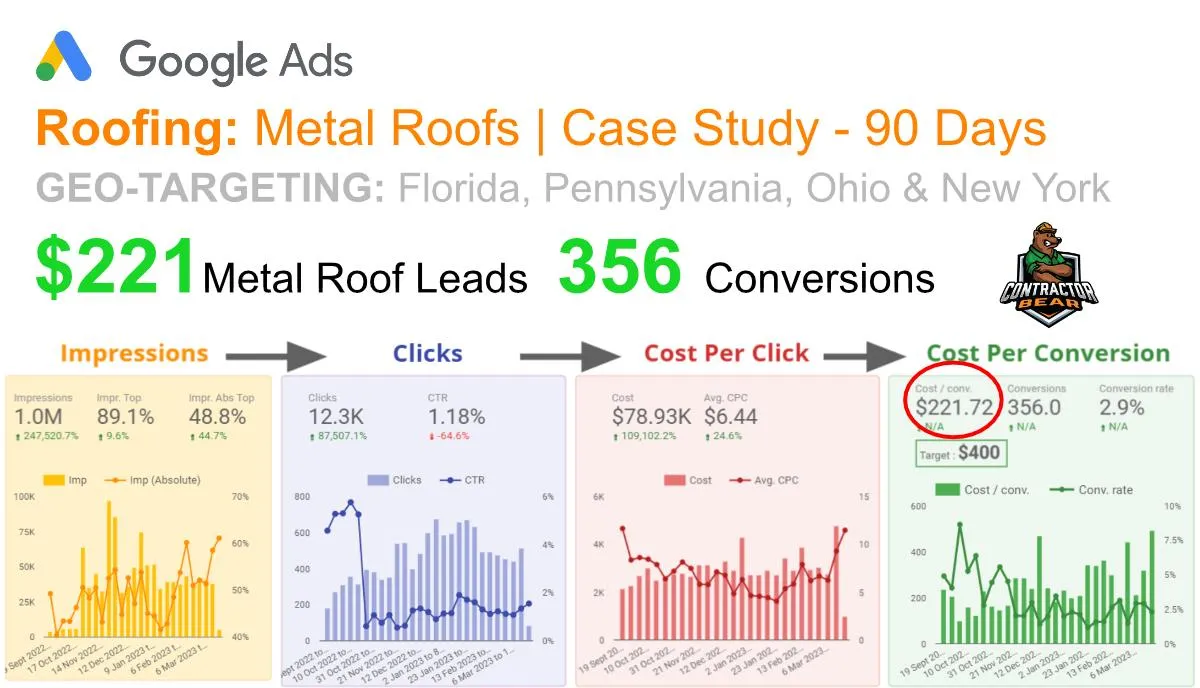
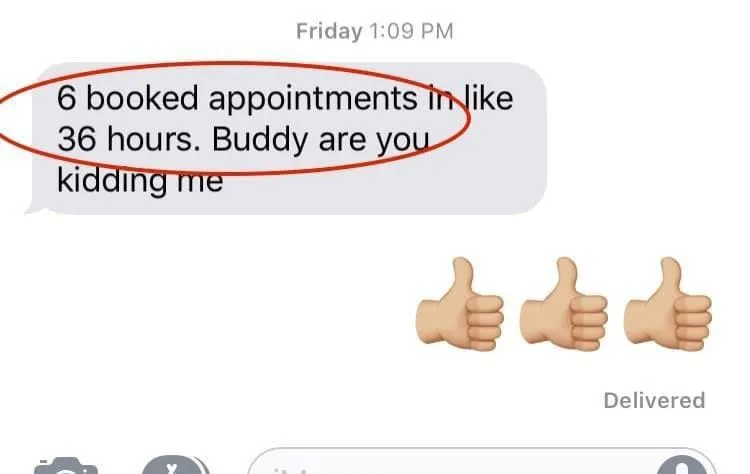
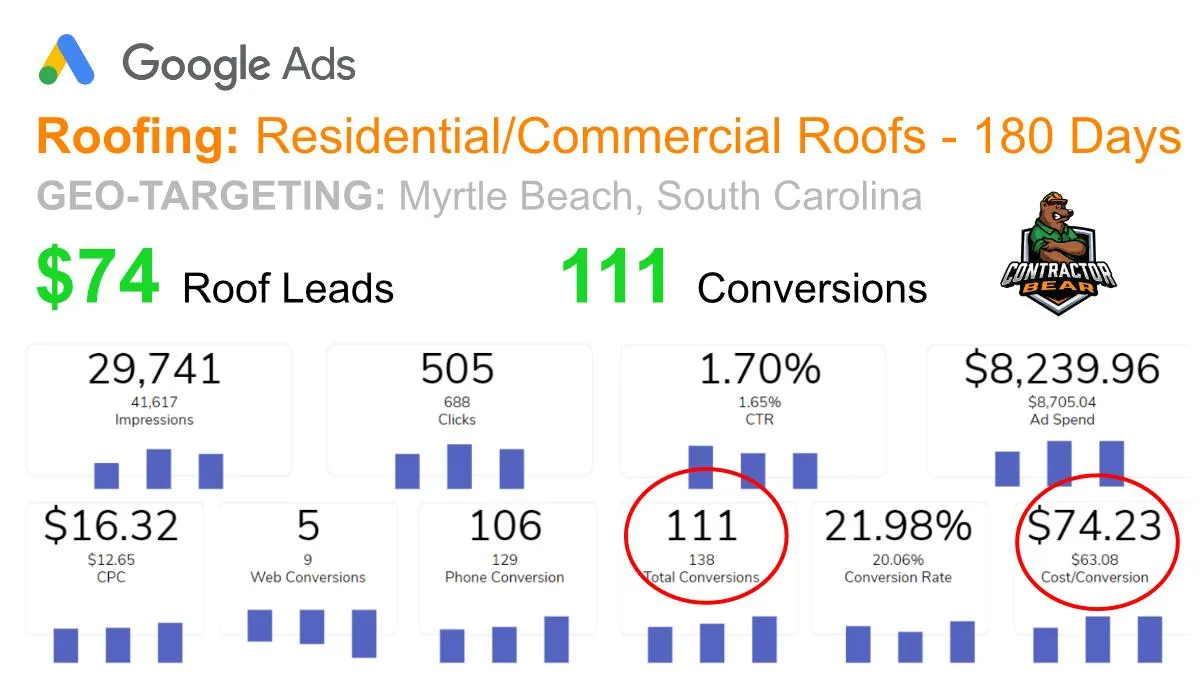
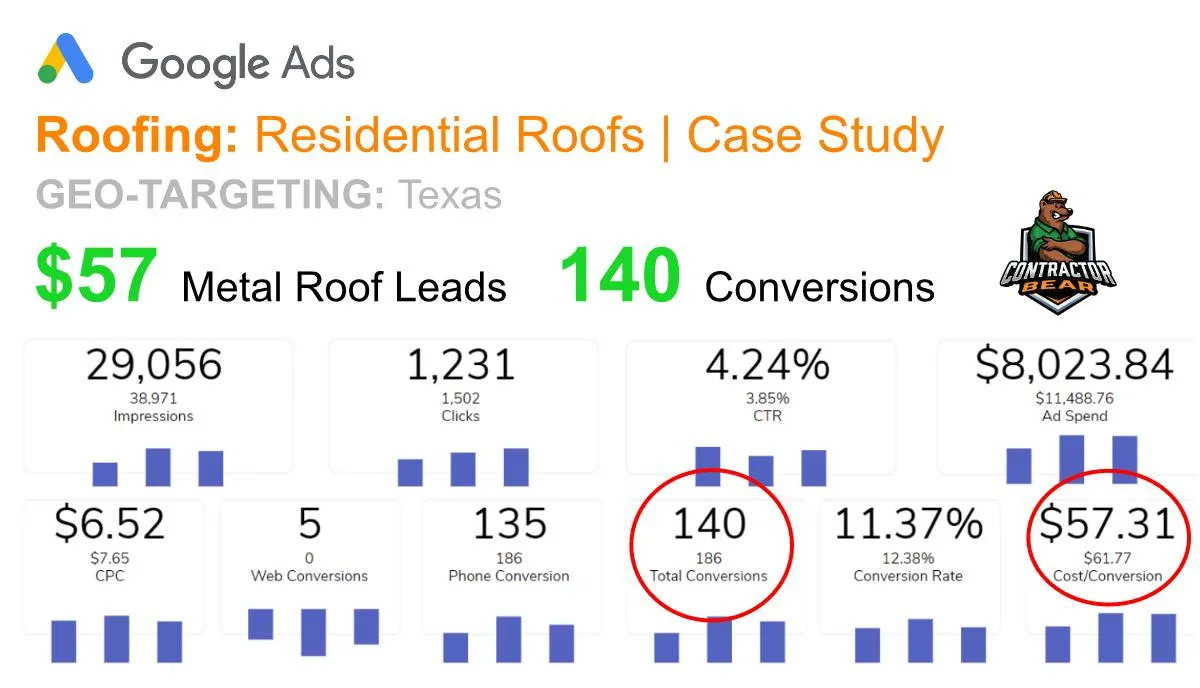
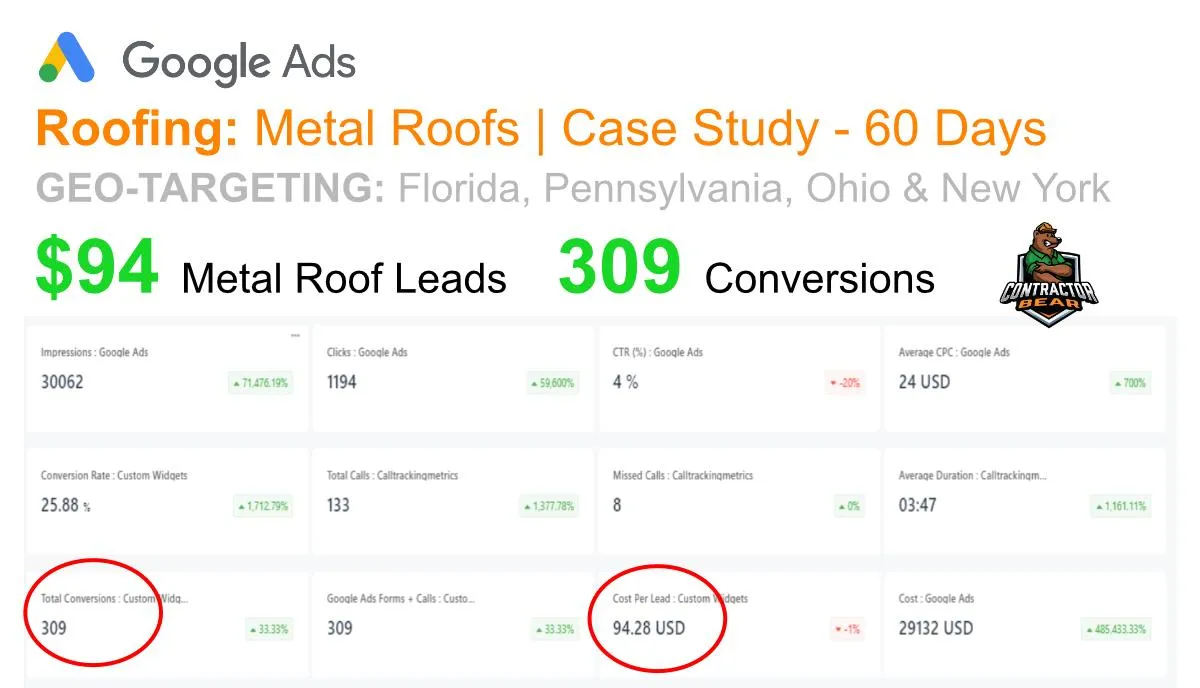
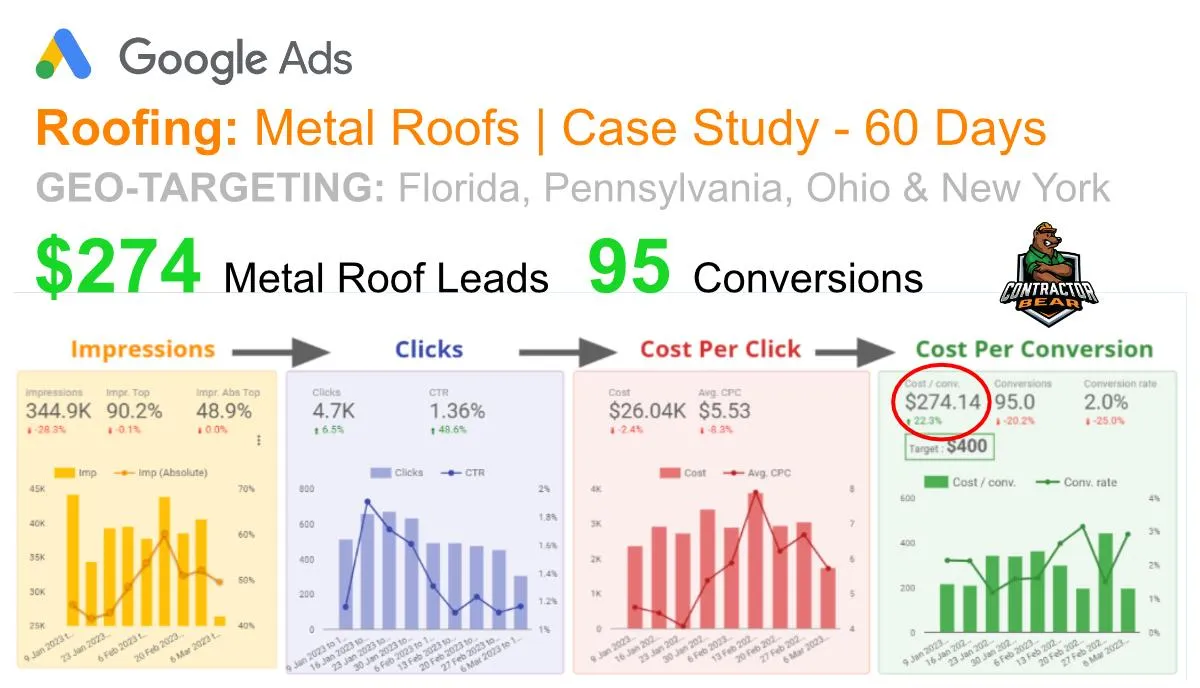
Real Results. Real Contractors.
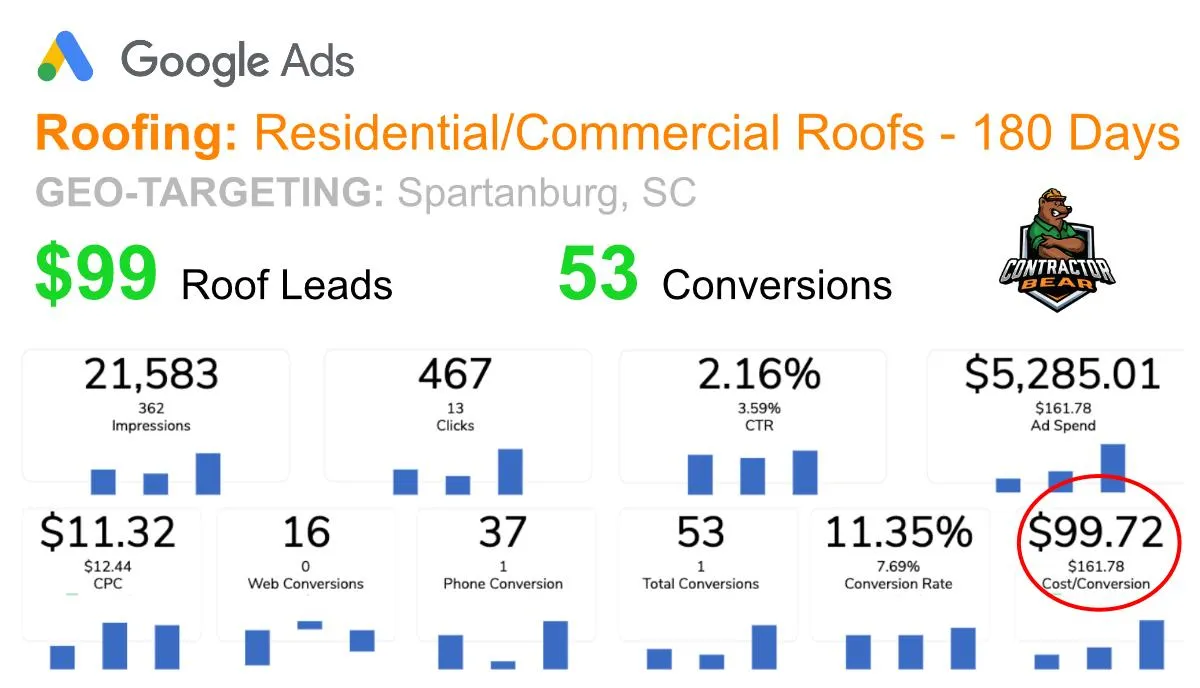
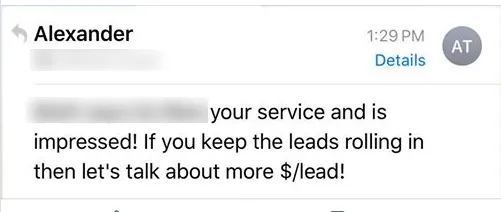
Screenshots from our actual client dashboards and conversations. No stock photos, no fake numbers.



Packages for Boston Pest Control Companies
Free custom website included with every plan. No setup fees, no long-term contracts.

Cub
Start building pipeline
- Google Business Profile optimization
- Local SEO foundation
- Review generation system
- Bring your own website

Black
Your free website tier
- FREE custom website
- ALL Everything in Cub, plus:
- Conversion-optimized site
- Call tracking + Growth Hub CRM

Grizzly
Accelerate your pipeline
- ALL Everything in Black, plus:
- Content marketing & blog
- Advanced review management
- City + service landing pages

Polar
Own your market
- ALL Everything in Grizzly, plus:
- Google Ads management
- Full-funnel lead nurturing
- Dedicated account manager
You only move up when we deliver. Tier upgrades trigger automatically when your attributed-lead count clears each threshold, with phone, email, and text notification before any price change. Attribution is limited to leads generated by our marketing — never your existing customers, referrals, or word-of-mouth.
Pest Control Marketing FAQ
How long does it take to see results from pest control marketing in Boston?
It depends on the channel. Google Business Profile improvements and review generation typically produce measurable increases in call volume within 60–90 days. Local SEO and organic content take 4–6 months to gain traction, but deliver the lowest CPL in the market—$15–$40 per lead with a 20% close rate—and compound over time. Google Ads can generate leads within the first week but at $45–$150 CPL. For Boston pest control companies, we typically structure campaigns to deliver paid-channel leads immediately while building organic assets that reduce acquisition costs long-term.
How do we compete against Orkin and Terminix in Boston?
National chains win on brand recognition and ad budget, but they consistently lose on local trust, response speed, and authentic reputation. Boston homeowners increasingly prefer local operators they can verify—a pest control company with 200 genuine Google reviews from Cambridge and Brookline residents, a fully optimized GBP with real photos, and neighborhood-specific content beats a national brand in local pack rankings more often than you'd expect. We position independent operators to win on hyper-local relevance, customer relationships, and review authenticity—advantages the nationals structurally cannot replicate at scale.
What's the best way to sell recurring prevention plans to Boston homeowners?
Boston's climate creates natural recurring demand—spring termite season, summer mosquito pressure, fall rodent-proofing—which makes prevention plan upsells highly logical to educated homeowners. The most effective strategy combines post-service email sequences that frame plan enrollment as protecting a $750,000 investment, seasonal reminder campaigns timed to Boston's pest activity calendar, and GBP content that explicitly promotes prevention plans as a service offering. Companies that lead with the annual plan value proposition ($175+ per service, 4–6 visits) instead of one-off pricing consistently achieve higher average customer LTVs and more stable year-round revenue.
Is it worth advertising pest control services year-round in Boston given the slow winter season?
Yes—but the message needs to change. Winter is when you win commercial contracts, sell rodent-exclusion services, and build the review volume and SEO authority that converts in spring. Running a reduced-budget GBP optimization and content campaign through January–March costs a fraction of peak-season spend but ensures you're ranking when termite swarms start in April. Boston pest control companies that go dark in winter hand their spring visibility to competitors who kept investing. We recommend maintaining a baseline marketing budget year-round with budget weighted 60/40 toward peak season.
How important are online reviews for pest control in Boston specifically?
Critically important—and more so than in most trades. Pest control customers are anxious, often in crisis, and making a trust decision about someone entering their home with chemicals. In Boston's market, 93% of consumers read reviews before booking, and 75% contact only the top three results they find. A pest control company with fewer than 50 Google reviews is essentially invisible to a large portion of motivated buyers. We implement systematic post-service review requests via SMS that typically generate 3–5x more reviews per month than manual follow-up alone, building the review velocity needed to compete in Greater Boston's local pack.
Pest Control Marketing in Nearby Cities
Pest Control Marketing in Cambridge →
Cambridge, MA • Pop. 118,927
Pest Control Marketing in Lowell →
Lowell, MA • Pop. 115,554
Pest Control Marketing in Worcester →
Worcester, MA • Pop. 206,518
Pest Control Marketing in Providence →
Providence, RI • Pop. 190,934
Pest Control Marketing in New Haven →
New Haven, CT • Pop. 135,081
Pest Control Marketing in Bridgeport →
Bridgeport, CT • Pop. 148,654
Pest Control Marketing Resources
Scale Your Pest Control Company →
Comprehensive growth guide for pest control businesses.
All Pest Control Services →
See everything we offer for pest control companies.
Google Business Profile Guide for Contractors →
In-depth article to help grow your business.
How to Get More 5-Star Reviews →
Practical strategies you can implement today.
Get Your Free Pest Control Marketing Audit in Boston
We'll analyze your current visibility, review standing, and competitive gaps across Boston—and build you a free custom website when you're ready to grow.