Pest Control Marketing in Cambridge, MA
Cambridge's 118,927 residents — packed into some of the densest housing in New England — generate constant, year-round pest control demand. But with national chains dominating Google and 75% of customers never scrolling past the top three results, independent pest control companies need more than a website to compete.
- Rank in the Cambridge map pack — not rent space on Angi
- Performance-based pricing — no lock-in contracts
- Free custom website built for the Cambridge market
By Contractor Bear Team • March 2026
Get Your Free Cambridge Pest Control Audit
See exactly where you're losing leads to your top 3 pest control competitors in Cambridge. No sales call required.
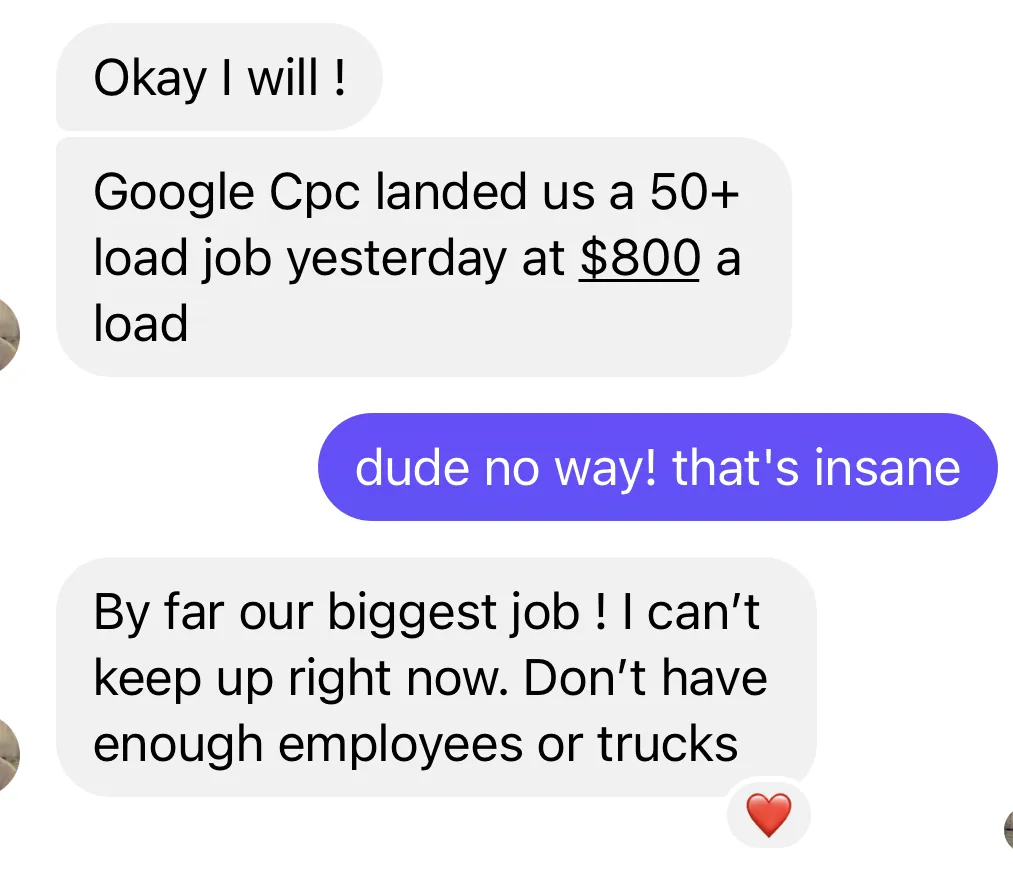
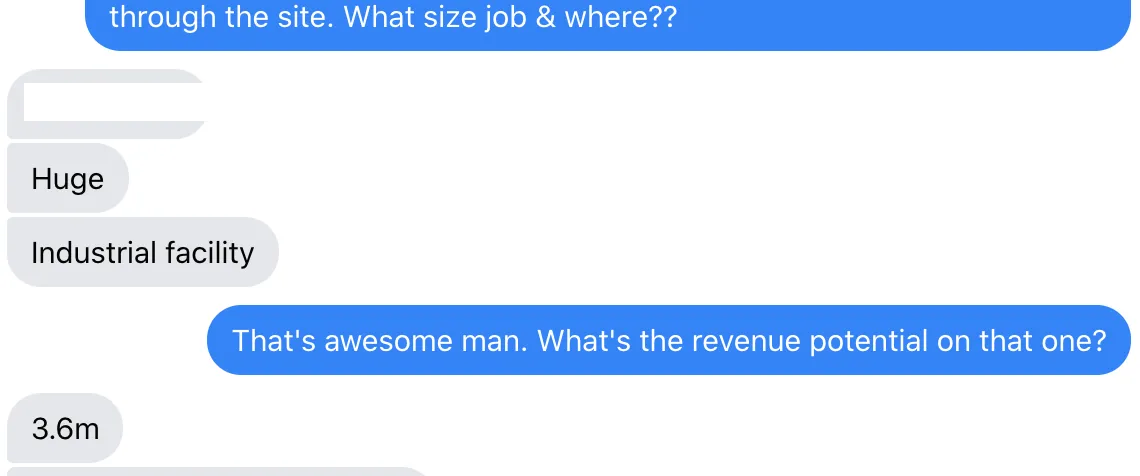
"Biggest job of my career came off this site. We can't keep up with the calls."
— Verified pest control client
See more proof below ↓
Why Most Cambridge Pest Control Companies Struggle to Get Customers
7 Marketing Channels That Work for Pest Control in Cambridge
Ranked by ROI for pest control companies.
Google Business Profile
$10–$25 per leadFor Cambridge pest control companies, Google Business Profile is the single highest-ROI channel available. With a 25% close rate and CPL as low as $10–$25, it directly intercepts the emergency mindset — someone discovers rodents in their kitchen and searches nearby. Optimizing your GBP with pest-specific categories, Cambridge service area tags, photo updates, and weekly posts positions you above national chains for hyper-local "near me" searches that have the highest purchase intent of any digital touchpoint.
Local SEO
$15–$40 per leadRanking organically for terms like "exterminator Cambridge MA" and "bed bug treatment Harvard Square" delivers a 20% close rate at $15–$40 per lead — the best cost-per-customer ratio of any paid or organic channel. Cambridge's dense housing means high search volume for rodent control, termite treatment, and apartment pest services year-round. A properly structured website with neighborhood-specific landing pages and consistent citations compounds in value every month, building an asset that national chains cannot easily outrank.
Google Ads
$45–$150 per leadGoogle Ads captures Cambridge homeowners and property managers with active, immediate pest problems — the exact emergency mindset that drives same-day service calls. While CPL runs $45–$150 and close rates average 10%, emergency-intent keywords like "rodent removal Cambridge" convert at premium job values. The key is tight geo-targeting to Cambridge ZIP codes, dayparting for after-hours emergency searches, and ad copy that leads with licensing credentials and chemical safety messaging to differentiate from national chains on trust signals.
Facebook/Instagram Ads
$25–$80 per leadFacebook and Instagram allow Cambridge pest control companies to reach homeowners and property managers before they have an active problem — building brand awareness during the late-winter pre-season when competitors go quiet. With CPL at $25–$80 and a 6% close rate, the economics favor using Meta for prevention plan enrollment campaigns, seasonal mosquito and termite alerts, and retargeting website visitors who didn't call. Cambridge's high concentration of educated, digitally-active professionals makes Meta an effective channel for trust-building content.
Content Marketing
$8–$20 per lead (organic)Cambridge's research-oriented residents regularly search for detailed answers before hiring: "how to tell if I have termites," "are pest control chemicals safe for kids," "how to prevent mice in old apartments." Publishing authoritative, service-specific content positions your company as the local expert while capturing long-tail organic traffic at minimal cost. A pest control blog targeting Cambridge neighborhoods, Harvard Square rental buildings, and seasonal pest patterns builds topical authority that compounds into first-page rankings over 6–12 months.
Review Management
$0 additional cost (reputation multiplier)With 93% of Cambridge pest control customers reading reviews and 75% contacting only the top three results, your review profile is effectively a conversion rate lever. A structured system for requesting reviews from satisfied customers after every job — via SMS follow-up within 24 hours — can move a company from 12 reviews to 80+ in six months. Cambridge residents respond particularly well to responses that address chemical safety questions and licensing credentials in replies to reviews, turning your review profile into a trust-building sales asset.
Email/SMS Marketing
$2–$8 per reactivated customerWith a 75% repeat rate and $1,500 lifetime customer value, Cambridge pest control companies leave significant revenue on the table by not nurturing past customers. Seasonal email campaigns — early April termite swarm alerts, July mosquito control reminders, October rodent prevention as temperatures drop — convert past one-time customers into recurring prevention plan subscribers. SMS reminders for quarterly treatment renewals achieve 40–60% open rates versus 20% for email, making them the most effective tool for recurring revenue retention in the pest control vertical.
What Cambridge Pest Control Companies Actually Pay Per Lead
| Channel | Avg CPL | Close Rate | Cost/Customer | Best For |
|---|---|---|---|---|
| Google Ads | $45–$150 | 10% | $450–$1,500 | Emergency same-day calls |
| Facebook Ads | $25–$80 | 6% | $417–$1,333 | Prevention plan awareness |
| SEO (Organic) | $15–$40 | 20% | $75–$200 | Long-term lead volume |
| Google Business Profile | $10–$25 | 25% | $40–$100 | Near-me emergency searches |
| HomeAdvisor/Thumbtack | $15–$100 | 10% | $150–$1,000 | Quick volume while building SEO |
| Doing Nothing | ∞ | 0% | Business stagnation | Nobody |
The Cambridge Pest Control Market in 2026
Why Pest Control Companies Need Specialized Marketing
How We Build Your Cambridge Pest Control Lead Machine
Audit & Strategy
We analyze your current Google Business Profile completeness, review velocity versus top Cambridge competitors, website mobile performance and page speed, existing keyword rankings for pest-specific terms across Cambridge neighborhoods, and any active ad spend efficiency. We map your service mix against seasonal search demand curves for Cambridge and identify the highest-margin gaps between what you offer and where you currently rank.
Foundation
We build or overhaul your website with service-specific landing pages for each pest type (rodents, bed bugs, termites, mosquitoes, wildlife), Cambridge neighborhood targeting, and mobile-first design optimized for emergency search intent. We fully optimize your Google Business Profile with pest control categories, service area configuration, photo strategy, and a review generation system that captures satisfied customers within 24 hours of service completion.
Growth
We deploy a seasonal content marketing calendar targeting Cambridge-specific searches — spring termite swarm alerts, summer mosquito control guides, fall rodent prevention for older apartment buildings — and build citations across pest control directories and local Cambridge business listings. Monthly review campaigns move your star rating and review count past competing national chains, directly increasing your GBP map pack visibility and organic click-through rates.
Scale
Once organic and GBP channels are generating consistent leads, we layer in targeted Google Ads campaigns for high-value emergency keywords and remarketing to site visitors for prevention plan enrollment. We expand your service area targeting into adjacent Cambridge neighborhoods and Somerville, Arlington, and Watertown, and build email and SMS sequences that convert one-time customers into recurring prevention plan subscribers — maximizing the $1,500 lifetime value of every customer you acquire.
Real Results: Pest Control Case Study
Pest Control company in Worcester, MA
Before
After
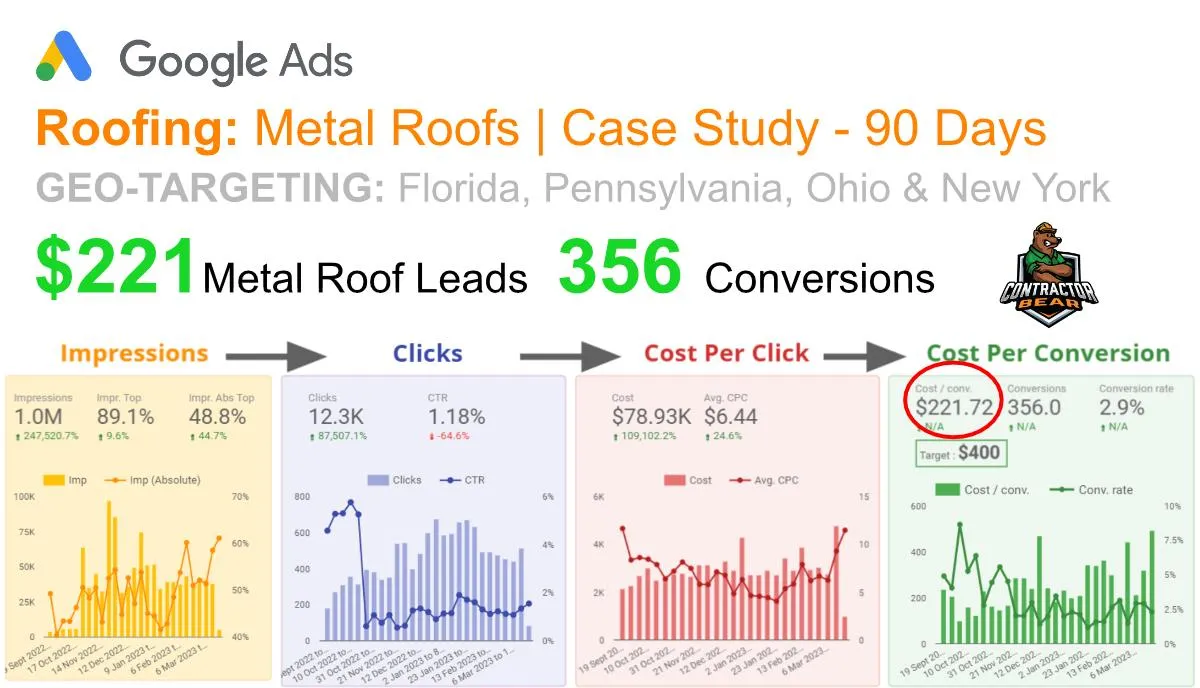
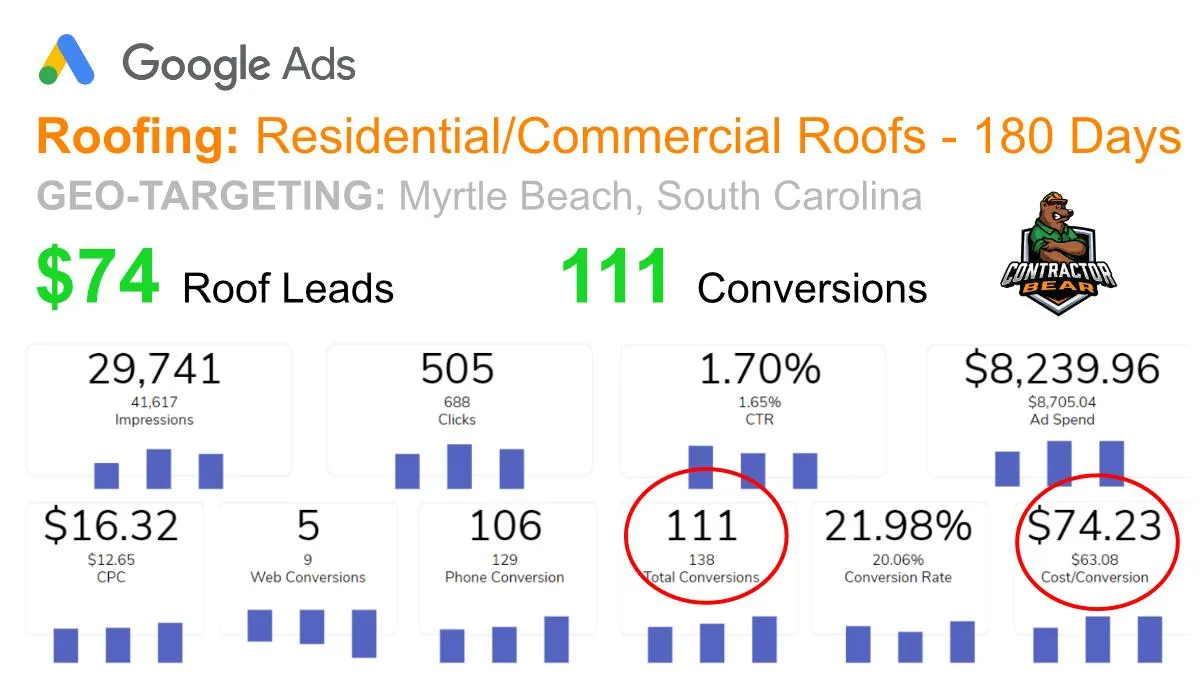
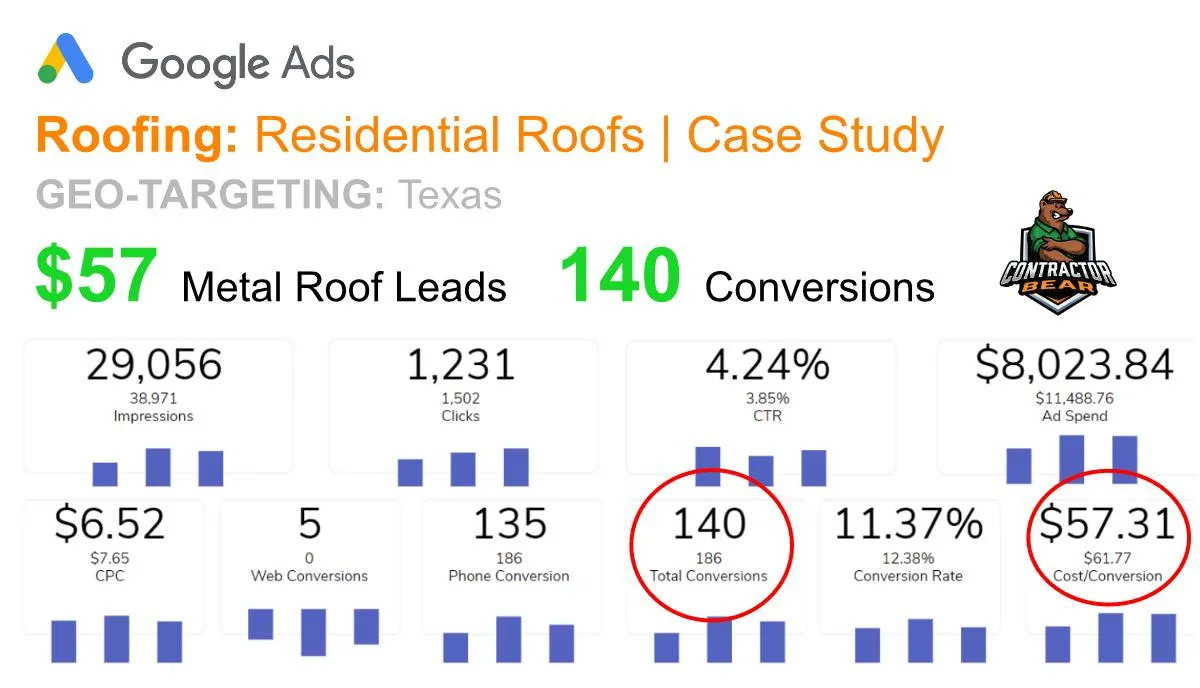
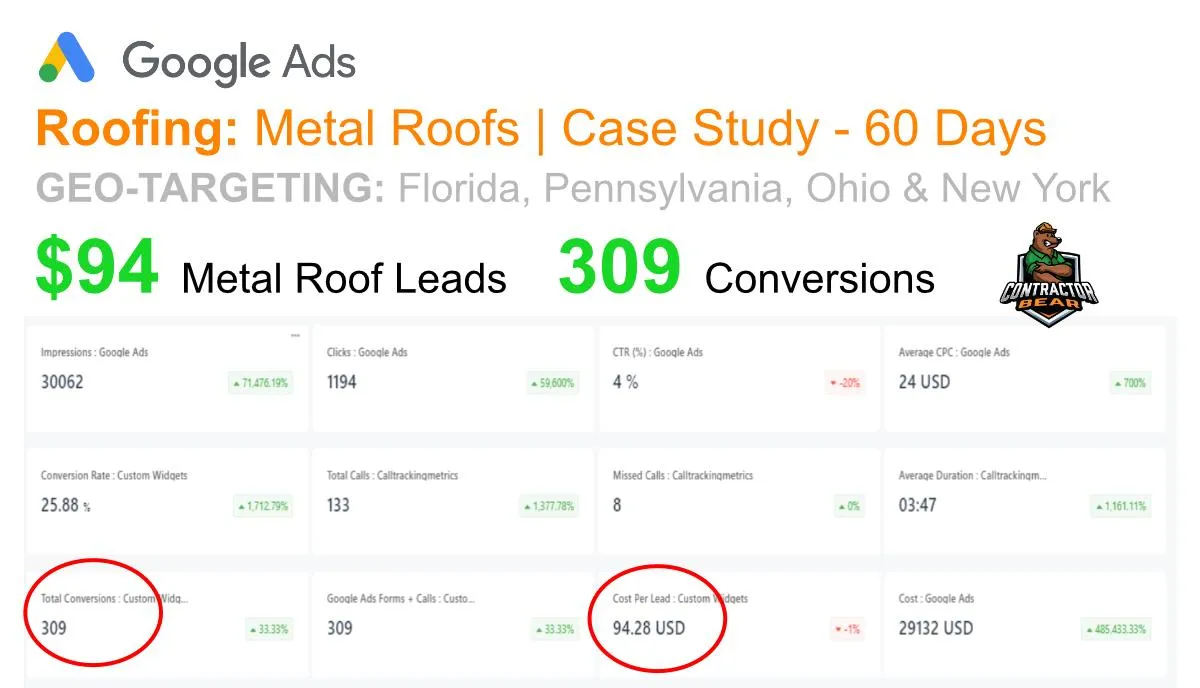
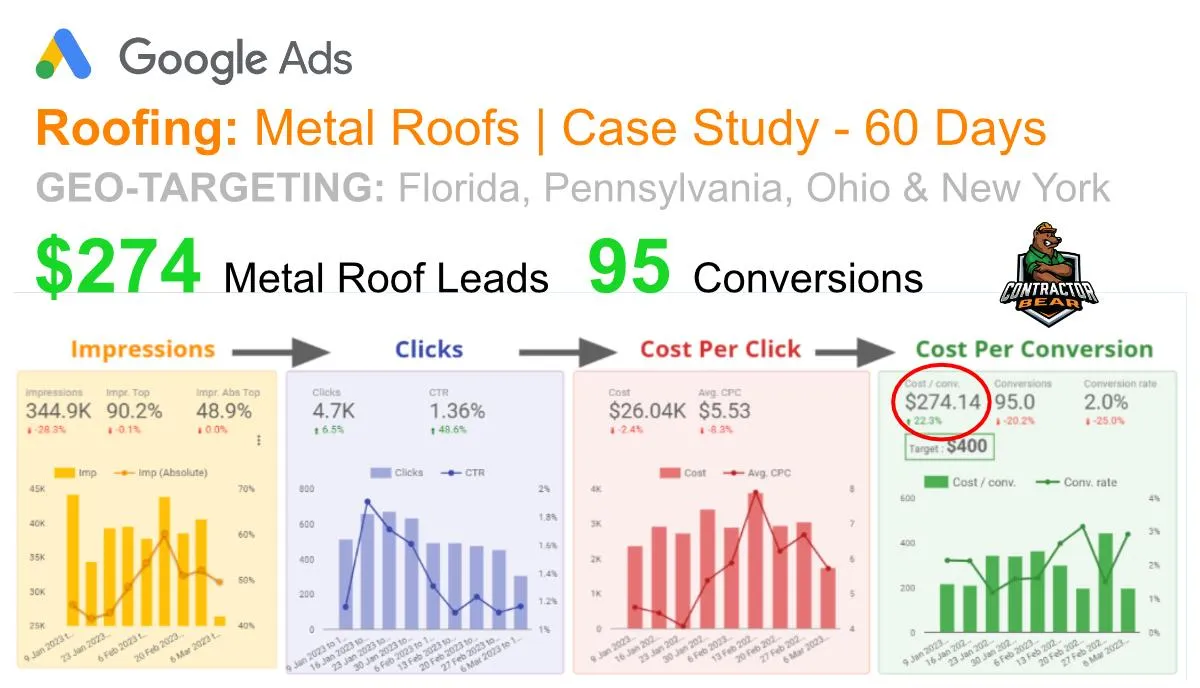
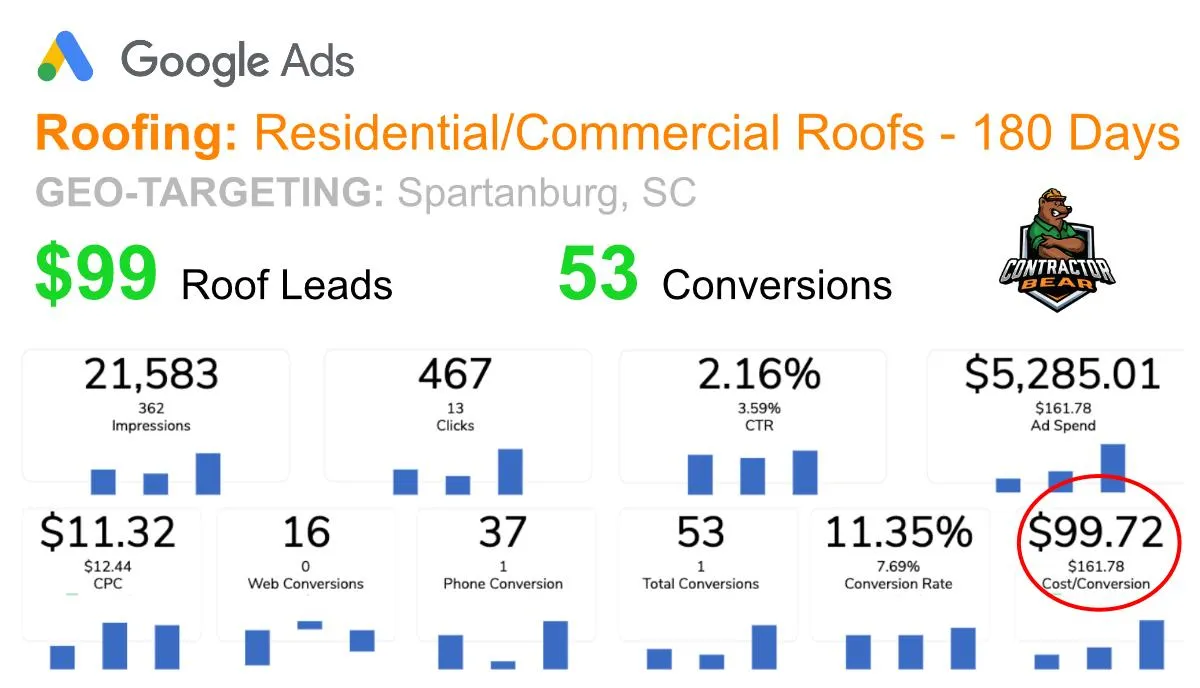
Real Results. Real Contractors.
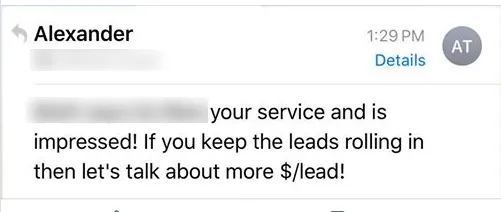
Screenshots from our actual client dashboards and conversations. No stock photos, no fake numbers.




Packages for Cambridge Pest Control Companies
Free custom website included with every plan. No setup fees, no long-term contracts.

Cub
Start building pipeline
- Google Business Profile optimization
- Local SEO foundation
- Review generation system
- Bring your own website

Black
Your free website tier
- FREE custom website
- ALL Everything in Cub, plus:
- Conversion-optimized site
- Call tracking + Growth Hub CRM

Grizzly
Accelerate your pipeline
- ALL Everything in Black, plus:
- Content marketing & blog
- Advanced review management
- City + service landing pages

Polar
Own your market
- ALL Everything in Grizzly, plus:
- Google Ads management
- Full-funnel lead nurturing
- Dedicated account manager
You only move up when we deliver. Tier upgrades trigger automatically when your attributed-lead count clears each threshold, with phone, email, and text notification before any price change. Attribution is limited to leads generated by our marketing — never your existing customers, referrals, or word-of-mouth.
Pest Control Marketing FAQ
How long does it take for SEO to start generating pest control leads in Cambridge?
Most Cambridge pest control companies begin seeing measurable organic ranking improvements within 60–90 days for lower-competition service terms like 'bed bug treatment Cambridge' or 'rodent control Harvard Square.' Competitive head terms like 'exterminator Cambridge MA' typically reach page one within 4–6 months with a consistent content and citation strategy. Google Ads and Google Business Profile optimization produce leads much faster — often within the first two to three weeks — which is why we run both channels simultaneously during the SEO ramp-up period.
Is Google Ads or local SEO a better investment for my Cambridge pest control company?
They serve different purposes and work best together. Google Ads at $45–$150 CPL is ideal for capturing emergency intent — someone actively searching for same-day rodent removal or an immediate bed bug treatment. Local SEO at $15–$40 CPL and a 20% close rate delivers better long-term economics and compounds in value every month without ongoing per-click spend. For most Cambridge pest control operators, we recommend establishing Google Ads immediately for cash flow while building the organic foundation that eventually reduces your dependence on paid traffic.
How does Cambridge's student and renter population affect my pest control marketing strategy?
Cambridge's 65% renter rate and large student population from Harvard, MIT, and other institutions create specific marketing opportunities that owner-occupied markets don't offer. Bed bug treatment demand spikes each August and September during move-in season, making pre-season content and ad campaigns critical. Property managers and landlords are high-value commercial targets who book recurring contracts across multiple units. Marketing that speaks directly to renters' rights, landlord notification requirements, and discreet service scheduling converts better than generic residential messaging in this market.
How can I compete with Orkin and Terminix in Cambridge's Google search results?
National chains dominate generic keyword searches, but they have a structural weakness: they cannot outrank a well-optimized local operator in Google's Map Pack for truly local searches. A fully optimized Google Business Profile with 50+ recent reviews, consistent Cambridge-area citations, and a website with genuine neighborhood-specific content will outrank national brands for 'near me' and location-modified searches that drive the highest-converting traffic. We have consistently moved independent pest control companies above national chains in the Map Pack within four to six months using this approach.
What's the most effective way to sell recurring prevention plans to Cambridge customers?
The highest-converting approach in Cambridge combines two tactics: first, a post-service SMS follow-up within 24 hours while the relief of solving the problem is still fresh, offering a quarterly prevention plan at a discounted annual rate. Second, a seasonal email campaign in February and March — before the spring pest surge — to past one-time customers reminding them that Cambridge's humid climate makes recurring prevention far cheaper than reactive treatments. Cambridge homeowners with $1.25M properties respond strongly to prevention framing when the messaging emphasizes protecting their investment rather than just eliminating pests.
Related Pest Control Services in Cambridge
Pest Control Marketing in Nearby Cities
Pest Control Marketing in Boston →
Boston, MA • Pop. 675,647
Pest Control Marketing in Lowell →
Lowell, MA • Pop. 115,554
Pest Control Marketing in Worcester →
Worcester, MA • Pop. 206,518
Pest Control Marketing in Providence →
Providence, RI • Pop. 190,934
Pest Control Marketing in New Haven →
New Haven, CT • Pop. 135,081
Pest Control Marketing in Bridgeport →
Bridgeport, CT • Pop. 148,654
Pest Control Marketing Resources
Scale Your Pest Control Company →
Comprehensive growth guide for pest control businesses.
All Pest Control Services →
See everything we offer for pest control companies.
Google Business Profile Guide for Contractors →
In-depth article to help grow your business.
How to Get More 5-Star Reviews →
Practical strategies you can implement today.
Get Your Free Pest Control Marketing Audit in Cambridge
We'll analyze your current Google visibility, review profile, and competitor rankings — then show you exactly how to get more leads, plus build you a free custom website when you're ready to grow.