Pest Control Marketing in San Francisco, CA
San Francisco's 874,784 residents live in one of the most pest-challenged urban environments in the country — dense housing, aging Victorian stock, and a mild Mediterranean climate that keeps insects and rodents active year-round. The market is real, the demand is consistent, and most pest control operators in the city are leaving serious revenue on the table by relying on word-of-mouth alone.
- Rank in the San Francisco map pack — not rent space on Angi
- Performance-based pricing — no lock-in contracts
- Free custom website built for the San Francisco market
By Contractor Bear Team • March 2026
Get Your Free San Francisco Pest Control Audit
See exactly where you're losing leads to your top 3 pest control competitors in San Francisco. No sales call required.
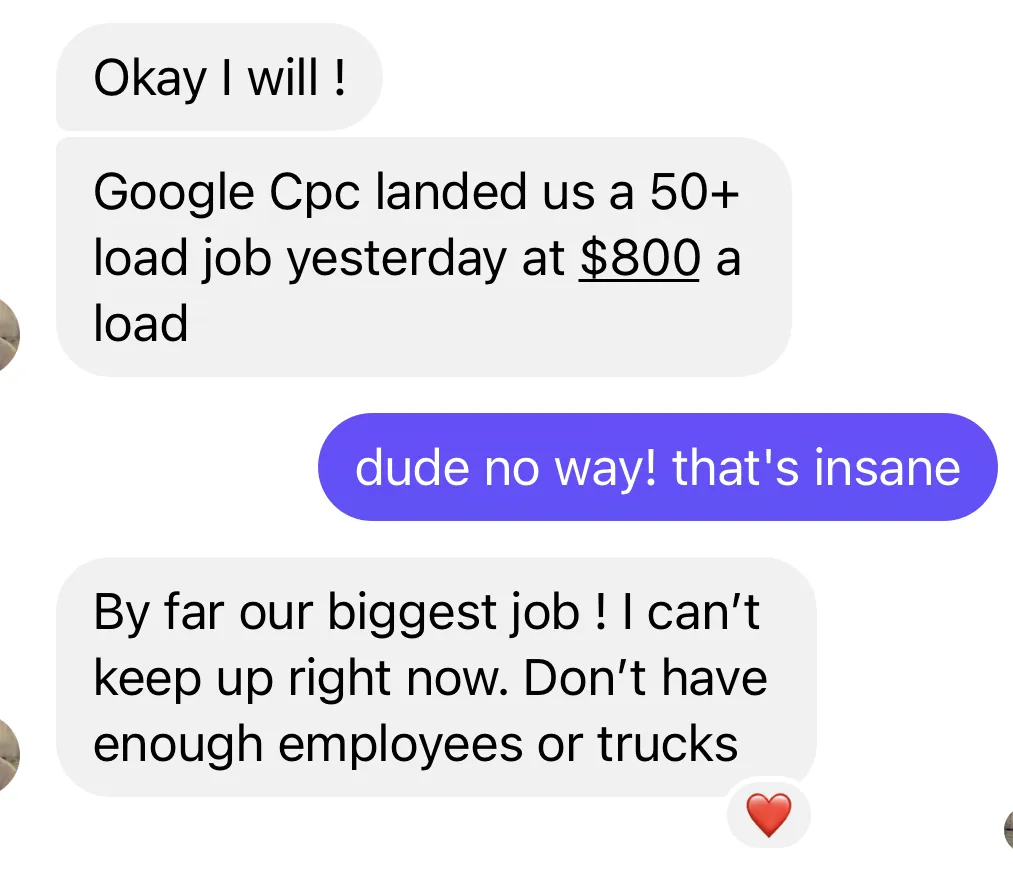
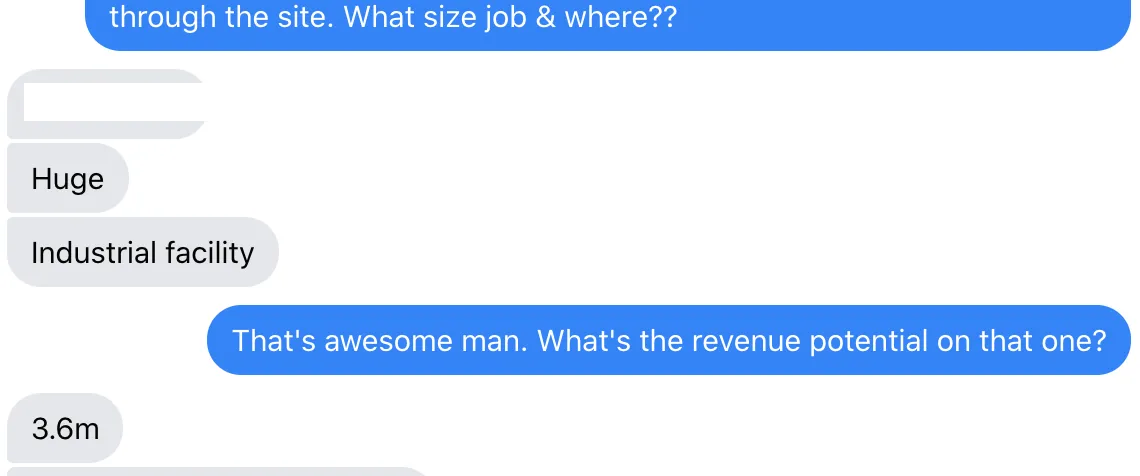
"Biggest job of my career came off this site. We can't keep up with the calls."
— Verified pest control client
See more proof below ↓
Why Most San Francisco Pest Control Companies Struggle to Get Customers
7 Marketing Channels That Work for Pest Control in San Francisco
Ranked by ROI for pest control companies.
Google Business Profile
$10-$25 per leadFor pest control in San Francisco, Google Business Profile is your highest-ROI channel bar none. At $10–$25 per lead with a 25% close rate, you're acquiring customers for $40–$100 — a fraction of the $175 average job value, let alone the $1,500 lifetime value. San Francisco's dense population means your service area radius produces enormous impression volume. Optimizing your GBP with service-specific photos, weekly posts, and a steady review cadence keeps you in the top-3 map pack where 75% of searchers place their calls.
Local SEO
$15-$40 per leadRanking organically for terms like 'termite treatment San Francisco' or 'rodent control Mission District' delivers leads at $15–$40 CPL with a 20% close rate — making it your most cost-efficient scalable channel. San Francisco's hyper-local neighborhood structure (SoMa, Noe Valley, Richmond District) means neighborhood-specific landing pages drive qualified, high-intent traffic. With a declining city population, competition for existing search volume is fierce; strong domain authority and technical SEO are non-negotiable.
Google Ads
$45-$150 per leadPaid search captures the 30% of San Francisco pest calls that are true emergencies — someone found a rat in their kitchen at 9pm and needs help now. At $45–$150 CPL with a 10% close rate, Google Ads is expensive but delivers immediate volume while SEO compounds. Bid on high-intent terms like 'emergency pest control SF,' 'bed bug exterminator near me,' and 'termite inspection San Francisco.' Use call-only ads during business hours to capture mobile searchers before they click to a competitor.
Facebook/Instagram
$25-$80 per leadFacebook and Instagram work best for San Francisco pest control as a retargeting and prevention-plan awareness channel rather than emergency response. At $25–$80 CPL and a 6% close rate, it's not your cheapest lead source — but it's unmatched for reaching property managers, HOA boards, and landlords who manage multiple units. Video content showing before/after rodent exclusion work or eco-friendly IPM treatments resonates strongly with SF's environmentally conscious demographic and drives prevention plan signups.
Content Marketing
$8-$20 per lead (organic, long-term)San Francisco homeowners are research-intensive buyers. Long-form content targeting queries like 'signs of termites in Victorian homes,' 'how to prevent rodents in SF apartments,' or 'are pesticides safe for pets' builds topical authority that compounds into organic traffic over 6–18 months. This channel directly addresses chemical safety concerns — the #1 conversion barrier in SF — by demonstrating your expertise and positioning you as the trusted, transparent choice over national franchise brands.
Review Management
$0 incremental (multiplies all other channels)With most San Francisco consumers reading reviews before calling a pest control company, your star rating is a lead generation tool in itself. A structured review acquisition system — automated post-service SMS/email requests, Google and Yelp response templates, and NextDoor reputation management — can shift a 3.9-star profile to 4.7+ within 90 days. In SF's Yelp-obsessed market, this improvement alone can double your inbound call volume without changing your ad spend.
Email/SMS Marketing
$2-$8 per re-engagementWith a 75% repeat rate and $1,500 lifetime customer value, San Francisco pest control operators are sitting on a gold mine in their existing customer list. Monthly email newsletters covering seasonal pest threats (spring termite swarms, fall rodent pressure), automated SMS renewal reminders for prevention plan customers, and win-back sequences for lapsed clients generate revenue from leads you've already paid to acquire. A 200-customer list converting at 30% on annual renewals is $105,000 in recurring revenue.
What San Francisco Pest Control Companies Actually Pay Per Lead
| Channel | Avg CPL | Close Rate | Cost/Customer | Best For |
|---|---|---|---|---|
| Google Ads | $45-$150 | 10% | $450-$1,500 | Emergency pest calls, immediate volume |
| Facebook Ads | $25-$80 | 6% | $417-$1,333 | Prevention plans, property managers |
| SEO (Organic) | $15-$40 | 20% | $75-$200 | Long-term scalable lead volume |
| Google Business Profile | $10-$25 | 25% | $40-$100 | Local map pack, highest ROI |
| HomeAdvisor/Thumbtack | $15-$100 | 10% | $150-$1,000 | Quick lead fill while building organic |
| Doing Nothing | ∞ | 0% | Business stagnation | Nobody |
The San Francisco Pest Control Market in 2026
Why Pest Control Companies Need Specialized Marketing
How We Build Your San Francisco Pest Control Lead Machine
Audit & Strategy
We analyze your current Google Business Profile performance across San Francisco neighborhoods, audit your website's technical SEO and local citation accuracy, review your Google and Yelp reputation profile, assess competitor positioning for your core services (termite, rodent, general pest), and map your existing customer base for recurring revenue opportunities. You get a prioritized gap analysis and 90-day growth roadmap specific to the SF pest control market.
Foundation
We build or rebuild your website with conversion-optimized service pages for each treatment type — termite, rodent, bed bug, mosquito, commercial — each geo-targeted to San Francisco neighborhoods. We claim, verify, and fully optimize your Google Business Profile with service-area coverage, photo galleries, and Q&A content. We audit and correct all local citations across Yelp, Angi, HomeAdvisor, and industry directories to ensure NAP consistency.
Growth
We launch a content marketing calendar targeting high-value SF-specific queries (termite swarms in Bay Area, rodent proofing Victorian homes, eco-friendly pest control SF). We implement a review acquisition system to systematically grow your Google and Yelp ratings. We build neighborhood-specific landing pages for the Mission, Richmond, Sunset, and SoMa districts. A Google Business Profile posting cadence keeps you visible as the active, trusted local operator against national franchise competition.
Scale
Once organic leads are flowing, we layer in Google Ads targeting emergency pest control queries and seasonal campaigns timed to SF's termite swarm season and fall rodent pressure. We build retargeting audiences for prevention plan upsells and activate email/SMS sequences to convert one-time customers into annual contract subscribers. We expand your content footprint into surrounding Bay Area markets — Oakland, Daly City, South San Francisco — and track revenue attribution by channel so every dollar is accounted for.
Real Results: Pest Control Case Study
Pest Control company in Oakland, California
Before
After
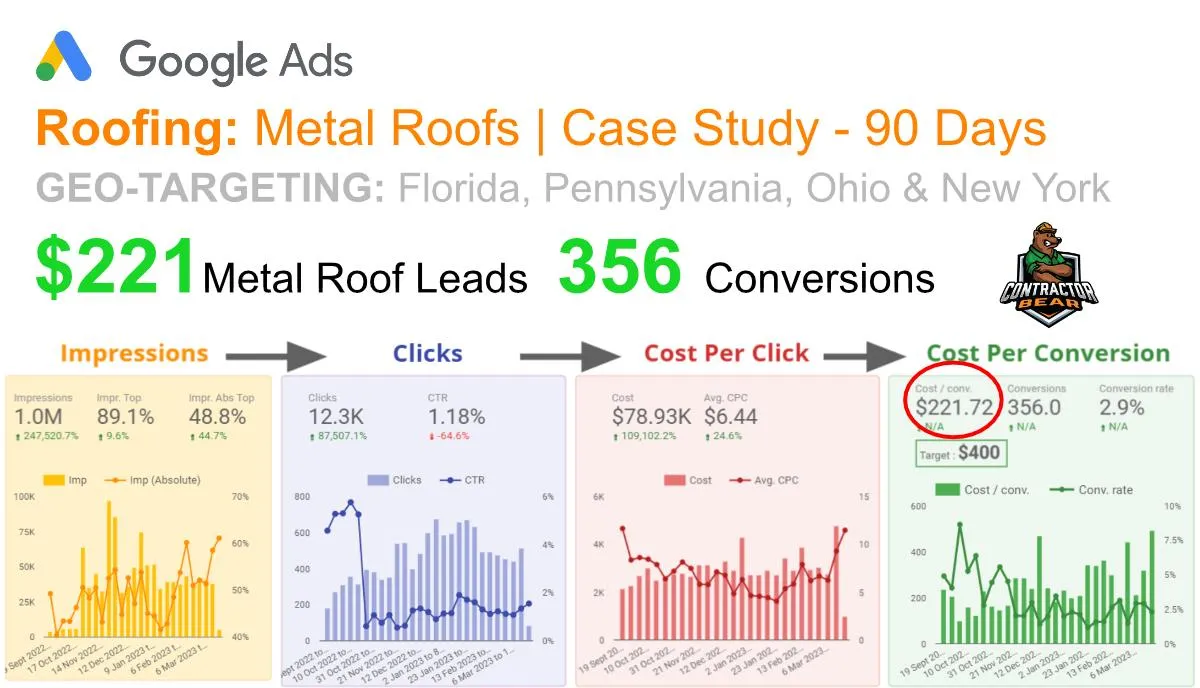
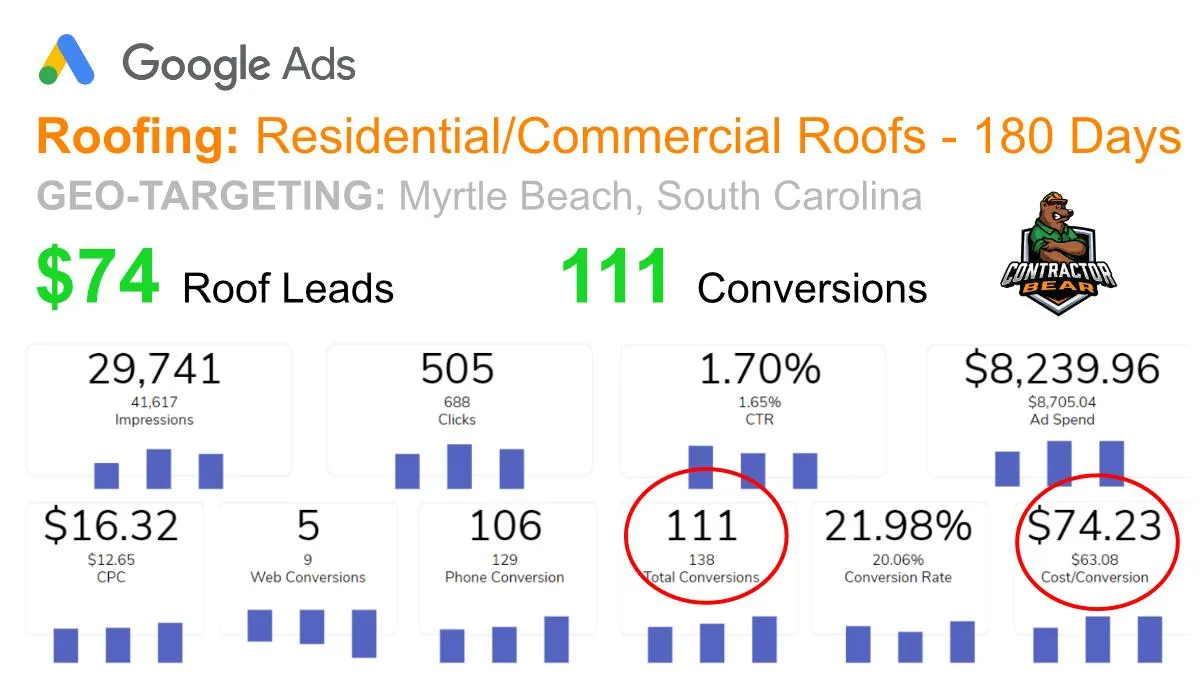
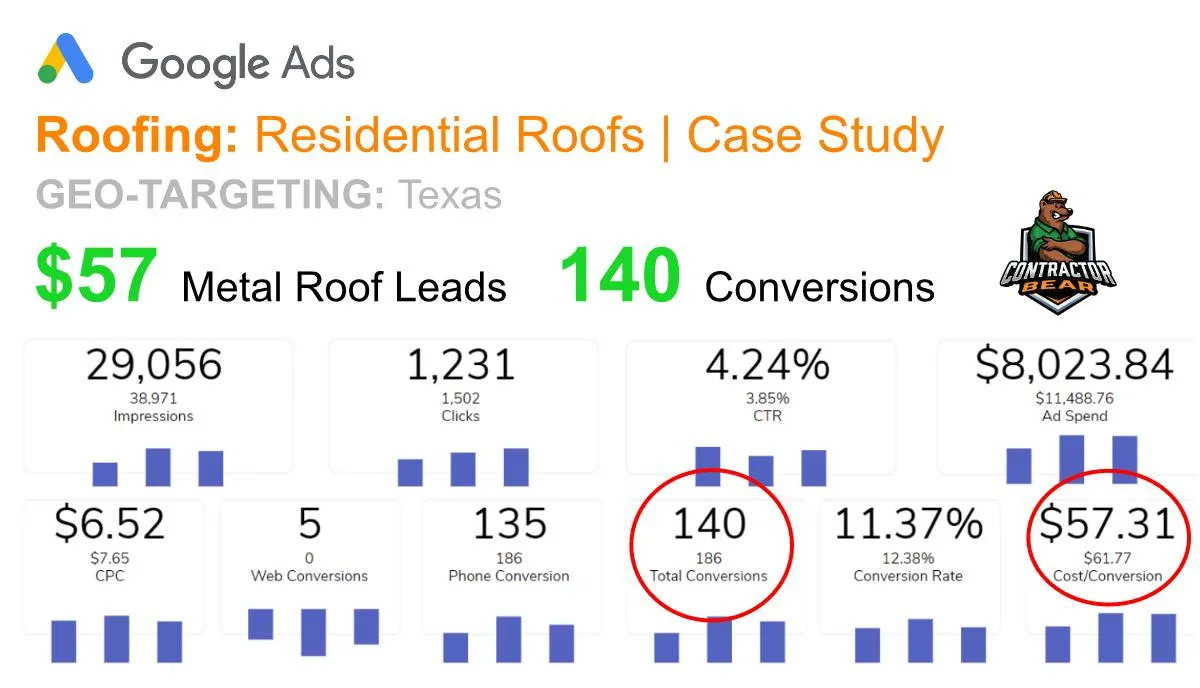
Real Results. Real Contractors.
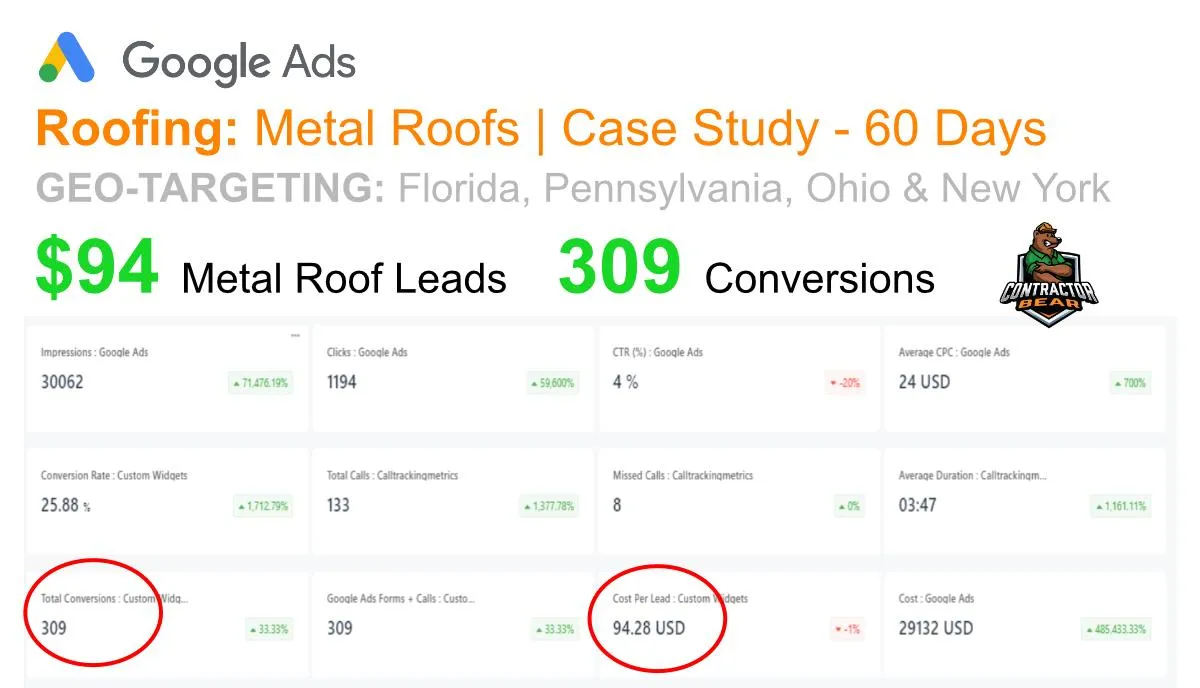
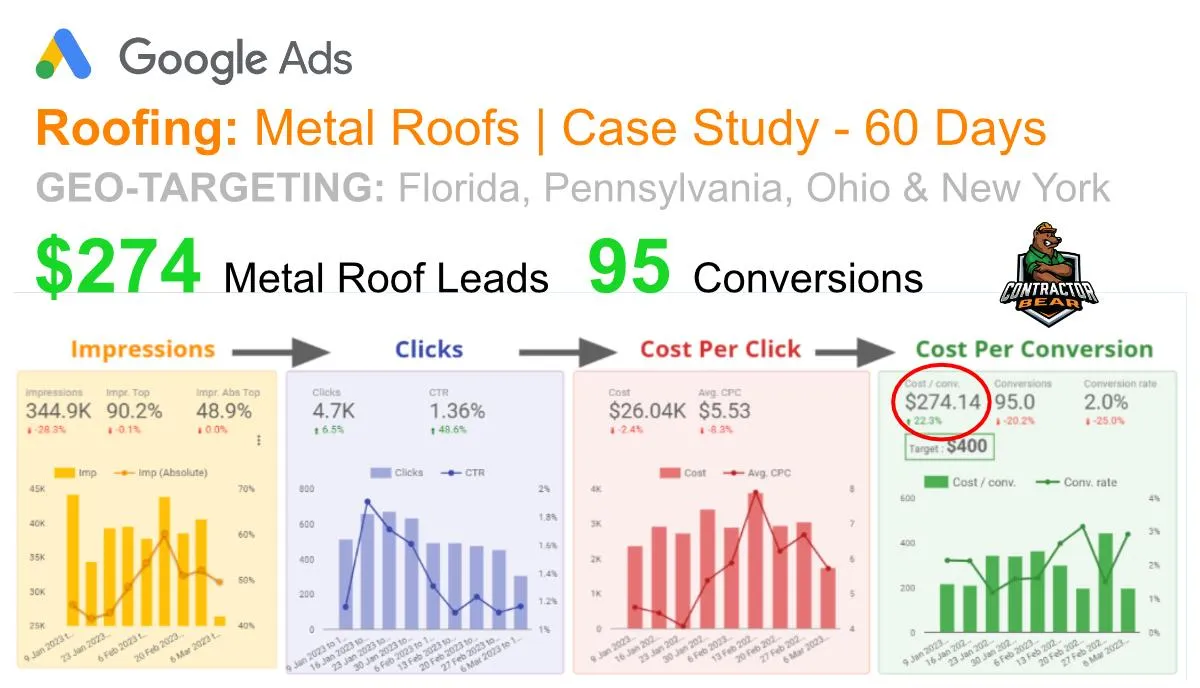
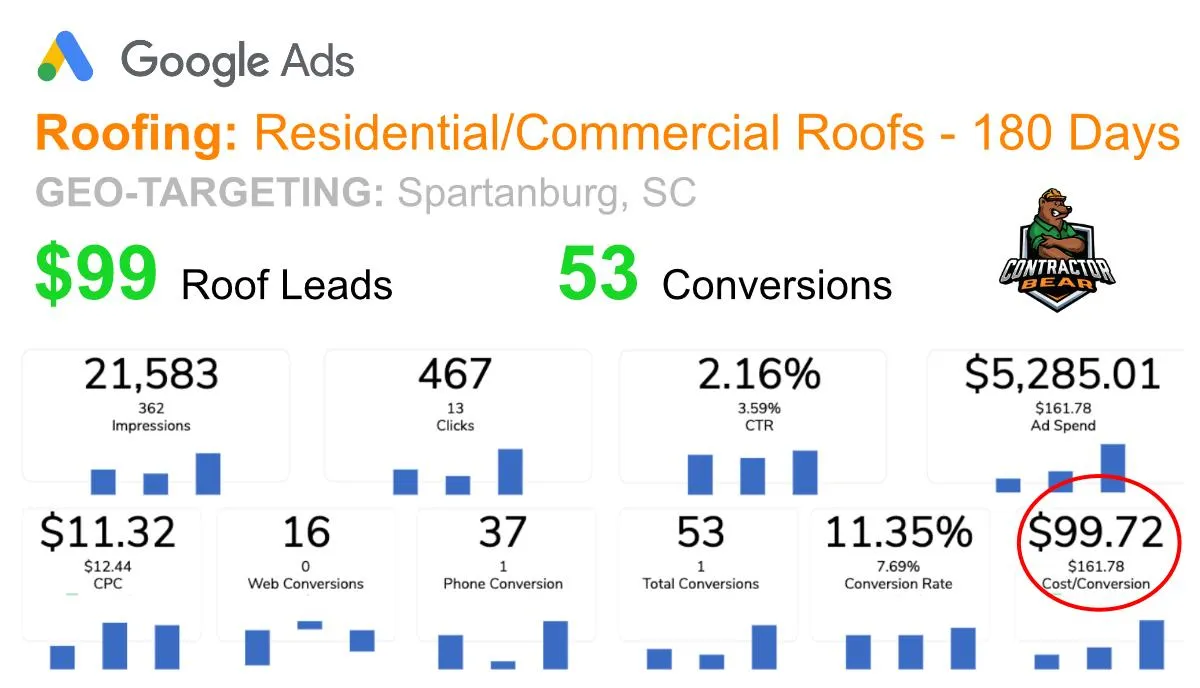
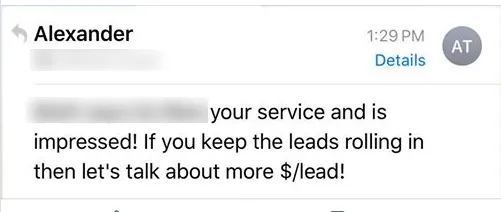
Screenshots from our actual client dashboards and conversations. No stock photos, no fake numbers.



Packages for San Francisco Pest Control Companies
Free custom website included with every plan. No setup fees, no long-term contracts.

Cub
Start building pipeline
- Google Business Profile optimization
- Local SEO foundation
- Review generation system
- Bring your own website

Black
Your free website tier
- FREE custom website
- ALL Everything in Cub, plus:
- Conversion-optimized site
- Call tracking + Growth Hub CRM

Grizzly
Accelerate your pipeline
- ALL Everything in Black, plus:
- Content marketing & blog
- Advanced review management
- City + service landing pages

Polar
Own your market
- ALL Everything in Grizzly, plus:
- Google Ads management
- Full-funnel lead nurturing
- Dedicated account manager
You only move up when we deliver. Tier upgrades trigger automatically when your attributed-lead count clears each threshold, with phone, email, and text notification before any price change. Attribution is limited to leads generated by our marketing — never your existing customers, referrals, or word-of-mouth.
Pest Control Marketing FAQ
How long does it take to rank for pest control searches in San Francisco?
In a competitive market like San Francisco, realistic timelines for meaningful organic rankings are 4–6 months for neighborhood-specific terms ('rodent control Mission District') and 8–14 months for high-volume city-wide terms ('pest control San Francisco'). Google Business Profile results typically improve within 60–90 days of optimization and a consistent review acquisition program. We recommend pairing early SEO work with Google Ads to maintain lead volume while organic rankings build — this hybrid approach is standard for SF market entry given the competitive landscape.
Is Yelp worth advertising on for pest control in San Francisco?
Organic Yelp presence — meaning a well-maintained, highly-reviewed profile — is essential in San Francisco given the city's Yelp usage rates, which remain among the highest of any U.S. metro. Paid Yelp advertising for pest control, however, delivers inconsistent ROI and we generally don't recommend it as a primary channel. The exception is if your Google and GBP presence is already strong and you're looking for incremental volume. We always recommend maximizing your free Yelp profile with accurate service listings, photos, and an active review response cadence before considering any paid Yelp spend.
How do I compete against Orkin and Terminix in San Francisco's search results?
National brands dominate broad terms but consistently underperform locals on neighborhood-specific searches, Google Maps rankings, and review recency. A San Francisco homeowner searching 'termite inspection Noe Valley' or 'rodent control near me' is far more likely to see and call a well-optimized local operator than a franchise location. Your competitive advantages are response time, local knowledge, community reputation, and the ability to address San Francisco-specific issues like Victorian wood framing and BART-adjacent rodent pressure. We build your marketing strategy around these local differentiators systematically.
What's the best way to market pest control prevention plans in San Francisco?
Prevention plan marketing in San Francisco works best as a two-stage funnel: acquire the customer through emergency or one-time service, then convert to recurring via a structured post-service follow-up sequence. An automated email sent 7 days after a rodent exclusion job — highlighting the Mediterranean climate's year-round pest pressure and the cost of repeat treatments vs. an annual plan — converts at 20–30% with no additional ad spend. We also build GBP and website content around prevention plan value propositions, targeting the research-mode homeowners who are evaluating long-term pest management options.
Do chemical safety concerns actually affect marketing for pest control in San Francisco?
Significantly, yes. San Francisco consistently ranks among the top U.S. cities for environmental consciousness, and pest control is a category where chemical concerns directly suppress conversion. Homeowners with young children, pets, or personal health sensitivities will disqualify your company based on website language alone if you don't proactively address your treatment protocols, IPM approach, and CDPR licensing. We integrate eco-friendly and family-safe messaging into your website, GBP, and ad copy — not as greenwashing, but as accurate, trust-building transparency. This messaging reliably improves conversion rates by 15–25% in the SF market.
Pest Control Marketing in Nearby Cities
Pest Control Marketing in Oakland →
Oakland, CA • Pop. 433,031
Pest Control Marketing in San Jose →
San Jose, CA • Pop. 1,030,119
Pest Control Marketing in Fremont →
Fremont, CA • Pop. 241,110
Pest Control Marketing in Hayward →
Hayward, CA • Pop. 162,954
Pest Control Marketing in San Mateo →
San Mateo, CA • Pop. 105,661
Pest Control Marketing in Concord →
Concord, CA • Pop. 129,295
Pest Control Marketing Resources
Scale Your Pest Control Company →
Comprehensive growth guide for pest control businesses.
All Pest Control Services →
See everything we offer for pest control companies.
Google Business Profile Guide for Contractors →
In-depth article to help grow your business.
How to Get More 5-Star Reviews →
Practical strategies you can implement today.
Get Your Free Pest Control Marketing Audit in San Francisco
We'll review your current online presence, identify exactly where you're losing leads to competitors, and build you a custom growth plan — plus a free website included when you partner with Contractor Bear.