Pest Control SEO in San Francisco, CA
Organic search delivers pest control leads in San Francisco at $15–40 per lead — up to 73% cheaper than Google Ads — while compounding in value every month you stay ranked. With 87% of San Francisco homeowners starting their pest search online, a page-one ranking is the single highest-ROI asset your company can own.
By Contractor Bear Team • March 2026
Get Your Free San Francisco Pest Control Audit
See exactly where you're losing leads to your top 3 pest control competitors in San Francisco. No sales call required.
Why SEO Is the #1 Growth Channel for San Francisco Pest Control Companies
Top 8 Local SEO Ranking Factors for Pest Control
What actually moves the needle for pest control companies in San Francisco.
Google Business Profile
The Google Business Profile (GBP) is the single most important local ranking signal for pest control companies in San Francisco. It controls your visibility in the map pack — the three listings shown above organic results — which captures 42% of all local search clicks. For emergency calls like rodent intrusions or termite discoveries, map pack placement is where the phone rings.
Our approach: We fully complete every GBP field, upload geo-tagged photos of your team and service vehicles, set accurate service area boundaries across San Francisco's 36+ distinct neighborhoods, add all 8 pest control service categories, configure Q&A with high-volume search queries, and post weekly updates to signal active engagement to Google's local algorithm.
On-Page SEO
On-page signals tell Google exactly what services you offer and where you serve. For pest control, this means your site must clearly communicate service specificity — termite treatment, rodent control, bed bug treatment — alongside geographic relevance for San Francisco neighborhoods like the Richmond, Mission, Noe Valley, and the Excelsior.
Our approach: We implement keyword-optimized title tags, H1/H2 structure, and meta descriptions for every page. Each service gets a dedicated page with schema markup. We build neighborhood landing pages targeting high-density residential areas and commercial corridors. Internal linking connects service pages to location pages to reinforce topical authority across your entire site.
Reviews and Ratings
93% of consumers read online reviews before hiring a pest control company — and in San Francisco, where chemical safety concerns and licensing scrutiny are elevated, review quality directly affects both click-through rate and conversion. A company with 4.7 stars and 200+ reviews systematically defeats a competitor with 4.2 stars and 40 reviews, even if the latter ranks slightly higher.
Our approach: We build automated post-service review request sequences via SMS and email, timing outreach 24–48 hours after job completion when satisfaction is highest. We set up monitoring for new reviews, draft professional responses to negative reviews within 24 hours, and coach your team on service-delivery practices that naturally generate five-star feedback.
Local Citations
Citations — consistent Name, Address, Phone (NAP) listings across directories — validate your business's legitimacy and geographic presence to Google. For pest control companies in San Francisco, inconsistent citations across Yelp, Angi, HomeAdvisor, and industry-specific directories actively suppress local rankings.
Our approach: We audit your existing citations for NAP inconsistencies and correct them at the source. We then build authoritative citations across 60+ relevant directories including Yelp, BBB, Angi, HomeAdvisor, Thumbtack, Houzz, and pest-control-specific platforms. Each listing is fully completed with photos, services, and category tags.
Mobile Experience
Over 70% of pest control searches in San Francisco happen on mobile devices — often in the moment of discovery, when someone spots a pest issue and immediately reaches for their phone. A slow or poorly formatted mobile site loses these high-intent customers to competitors in seconds. Google's mobile-first indexing means poor mobile performance also directly tanks your rankings.
Our approach: We audit Core Web Vitals scores (LCP, CLS, FID), compress and serve images in next-gen formats, implement lazy loading, and ensure your site passes Google's Mobile-Friendly Test. Click-to-call buttons are prominent on every page. We target a mobile page load time under 2.5 seconds — the threshold above which bounce rates rise sharply.
Content Quality
Google's Helpful Content updates have made thin, templated pest control pages nearly invisible in search results. San Francisco pest control searchers have specific concerns — Victorian-era housing and termite risk, urban rodent pressure from restaurant-dense neighborhoods, bed bug transmission in high-density residential buildings — and content that addresses these specifics ranks dramatically better than generic copy.
Our approach: We produce long-form, locally specific service pages and blog content addressing San Francisco-specific pest concerns: seasonal rodent migration patterns in the Bay Area, termite risk in pre-1950s housing stock, and mosquito pressure near wetland areas. Each piece targets specific keyword clusters, answers the questions your customers are actually asking, and includes structured data markup to qualify for featured snippets.
Backlinks
Backlinks from authoritative local and industry sources remain one of Google's top three ranking factors. For pest control in San Francisco, links from local news outlets, the Chamber of Commerce, neighborhood associations, and pest control industry publications signal that your business is a trusted, established community resource.
Our approach: We pursue a multi-channel link acquisition strategy: outreach to San Francisco Bay Area local media for expert commentary on seasonal pest issues, submissions to local business directories and industry associations like NPMA and PCOC, partnerships with complementary home service businesses for reciprocal mentions, and digital PR campaigns around newsworthy pest activity data.
Technical SEO
Technical issues are often the invisible ceiling on a pest control company's rankings. Crawl errors, duplicate content from similar service pages, missing canonical tags, broken internal links, and slow server response times all prevent Google from properly indexing and ranking your site — regardless of how good your content or citations are.
Our approach: We run comprehensive technical audits using Screaming Frog and Google Search Console, fixing crawl errors, implementing canonical tags, optimizing XML sitemaps, resolving duplicate content with proper canonicalization or consolidation, configuring structured data (LocalBusiness, Service, FAQPage schema), and setting up ongoing Search Console monitoring to catch technical regressions before they impact rankings.
SEO vs Paid Ads for Pest Control Companies
| Factor | SEO | Google Ads | Facebook Ads |
|---|---|---|---|
| Cost Per Lead | $15-40 | $45-150 | $25-80 |
| Close Rate | 20-25% | 8-12% | 5-8% |
| Time to Results | 3-6 months | Immediate | 1-2 weeks |
| Long-term Value | Compounds over time | Stops when you stop paying | Stops when you stop paying |
| Trust Level | High (earned placement) | Medium (paid label) | Low (interruptive) |
| Lead Quality | High intent | High intent | Lower intent |
Step-by-Step Local SEO for San Francisco Pest Control Companies
Claim & Optimize Your Google Business Profile
Your GBP is the foundation of local pest control SEO in San Francisco. Start by claiming and verifying your listing at business.google.com, then treat every field as a ranking opportunity. Choose 'Pest Control Service' as your primary category and add secondary categories for termite control, rodent control, and wildlife removal. Set your service area to cover all San Francisco neighborhoods you actively serve — from the Tenderloin to the Outer Sunset. Upload a minimum of 20 high-quality photos: your team in uniform, branded vehicles, before-and-after treatment results (where appropriate), and your office if you have one. Enable the messaging feature, respond to every review within 24 hours, and publish at least one GBP post per week to signal active business operation to Google's local ranking algorithm.
Build Consistent Local Citations
Citations are how Google verifies that your pest control business is legitimate and geographically anchored in San Francisco. Your business Name, Address, and Phone number (NAP) must be absolutely identical across every platform — even minor variations like 'St.' versus 'Street' create conflicting signals that suppress local rankings. Begin with the highest-authority directories: Yelp, Google, Facebook, BBB, Angi, HomeAdvisor, and Thumbtack. Then expand to pest-control-specific platforms and local San Francisco directories. Use a citation audit tool like BrightLocal to identify existing listings with incorrect information and correct them at the source. Target a minimum of 60 consistent citations to reach the threshold needed to compete in San Francisco's map pack for commercial pest control and termite treatment keywords.
On-Page Optimization for Pest Control Services
Every service you offer — termite treatment, rodent control, bed bug treatment, mosquito control, wildlife removal, commercial pest control, and prevention plans — needs its own dedicated, fully optimized page on your website. Generic 'Pest Control Services' pages no longer rank competitively in San Francisco's search landscape. Each page should target a specific keyword cluster (e.g., 'termite treatment San Francisco'), include the phrase in the title tag, H1, first paragraph, and at least one subheading. Add LocalBusiness and Service schema markup to help Google understand your offerings. Internal links should connect service pages to location pages (e.g., 'Pest Control in the Mission District'), creating a topical architecture that reinforces both service expertise and geographic relevance throughout your site.
Generate and Manage Customer Reviews
In San Francisco's pest control market, reviews are both a ranking signal and a conversion driver — 93% of consumers read them before making contact, and the map pack algorithm weights review recency, volume, and sentiment. The most effective review acquisition strategy is a post-service automated request: send an SMS text within 24 hours of job completion with a direct link to your Google review page. Keep the message short and personal. For prevention plan customers, schedule review requests every 6–12 months to keep your review stream active. Never offer incentives for reviews — it violates Google's policies and can result in profile suspension. Respond to every review, positive or negative: thoughtful responses to negative reviews demonstrate professionalism and can actually improve conversion rates for readers weighing their options.
Create Locally Relevant Content
Content that speaks directly to San Francisco's pest challenges ranks faster and converts better than generic pest control copy. San Francisco's Victorian and Edwardian housing stock creates elevated termite risk — write about it. The city's dense restaurant corridors in the Mission, Chinatown, and SoMa drive urban rodent pressure — create content addressing commercial pest control for food service businesses. Pacific gopher and mole activity in West Portal and the Sunset, seasonal mosquito pressure near the Bay's wetland edges, and bed bug risk in the city's high-turnover rental market are all locally relevant content opportunities. Aim for blog posts of 1,000–1,500 words on each topic, targeting long-tail keywords like 'how to prevent rodents in San Francisco restaurants' — phrases with clear intent and lower competition than broad terms.
Build Quality Backlinks from Local Sources
Backlinks from San Francisco-specific sources carry disproportionate local ranking weight compared to generic directory links. Target three categories of local links: media (reach out to SF Gate, the San Francisco Chronicle, and neighborhood blogs like Mission Local or Haight Ashbury neighborhood publications with data-driven pest trend stories), business partnerships (establish reciprocal mention relationships with complementary home service providers — plumbers, roofers, HVAC companies — who serve the same homeowner demographic), and community organizations (the SF Chamber of Commerce, neighborhood associations, and SFPUC's vector control resources all represent citation and linking opportunities). Even two or three high-authority local backlinks can meaningfully shift your rankings for competitive terms like 'pest control San Francisco' and 'termite treatment SF.'
San Francisco Pest Control SEO Landscape
5 SEO Mistakes Pest Control Companies Make
Using One Generic 'Services' Page for All Pests
Pest control companies frequently combine all services — termite, rodent, bed bug, mosquito — onto a single page to 'save time.' In San Francisco's competitive search environment, this directly costs rankings. Google's algorithm evaluates topical depth and relevance; a page that tries to rank for termite treatment, rodent control, and bed bug treatment simultaneously is authoritative about none of them.
Fix: Create a dedicated, fully optimized page for each service you offer. Each page should target its own keyword cluster, include locally specific content (e.g., termite risk in SF's Victorian housing), and link to related service and location pages. This architecture signals expertise to Google and dramatically improves your ranking surface area.
Ignoring Google Business Profile Optimization
Many San Francisco pest control operators claim their GBP but leave it 50–60% complete — missing service lists, outdated photos, no weekly posts, and unanswered reviews. An incomplete GBP is a direct ranking disadvantage in the map pack, which is where the majority of high-intent local pest control searches convert to phone calls.
Fix: Treat your GBP as a living asset, not a one-time setup. Post weekly, respond to every review within 24 hours, keep photos current and geo-tagged, and fully complete every available field including services, attributes, and Q&A. Set a monthly calendar reminder to audit and update your profile.
Neglecting Review Acquisition While Competitors Scale
In San Francisco's pest control market, review velocity — how frequently you receive new reviews — is a local ranking signal. A company with 200 reviews but no new ones in 6 months loses ground to a competitor with 80 reviews and 5 new ones this month. More critically, 93% of consumers read reviews before contacting a pest control company, so stagnant review counts directly suppress call volume.
Fix: Build an automated post-service review request into your operational workflow. Send a personalized SMS with a direct Google review link within 24–48 hours of job completion. For prevention plan subscribers, schedule review requests every 6–12 months. Aim for a minimum of 2–4 new reviews per month to maintain positive review velocity.
Keyword Stuffing Instead of Answering Search Intent
Older SEO tactics involved packing pages with keyword repetitions like 'pest control San Francisco, SF pest control, San Francisco pest control service' throughout the content. Google's Helpful Content and quality updates now actively penalize this approach, and it creates a poor user experience that tanks conversion rates — particularly damaging for pest control companies where chemical safety concerns make consumers especially scrutinizing.
Fix: Write content that genuinely answers the questions San Francisco pest control customers are asking: What pests are common in SF's Victorian homes? How do you safely treat rodents in a home with kids and pets? What's the termite swarm season in the Bay Area? Naturally include target keywords where contextually appropriate, but prioritize helpfulness and specificity over keyword density.
No Mobile-Optimized Click-to-Call on Every Page
Over 70% of pest control searches in San Francisco happen on mobile, often in the immediate moment of pest discovery. If a homeowner in the Outer Sunset finds rodent damage at 9pm and can't easily tap a phone number on your mobile site, they call the next result. Slow mobile load times and buried contact information are silent revenue killers that most pest control operators never identify.
Fix: Audit your site's mobile performance using Google's PageSpeed Insights and ensure your phone number appears as a tappable click-to-call button in the header of every page, not just the contact page. Target a mobile LCP (Largest Contentful Paint) under 2.5 seconds. Test your site on multiple device types monthly to catch any regressions introduced by site updates.
Real Results: Pest Control SEO Case Study
Pest Control company in San Jose, California
Before
After
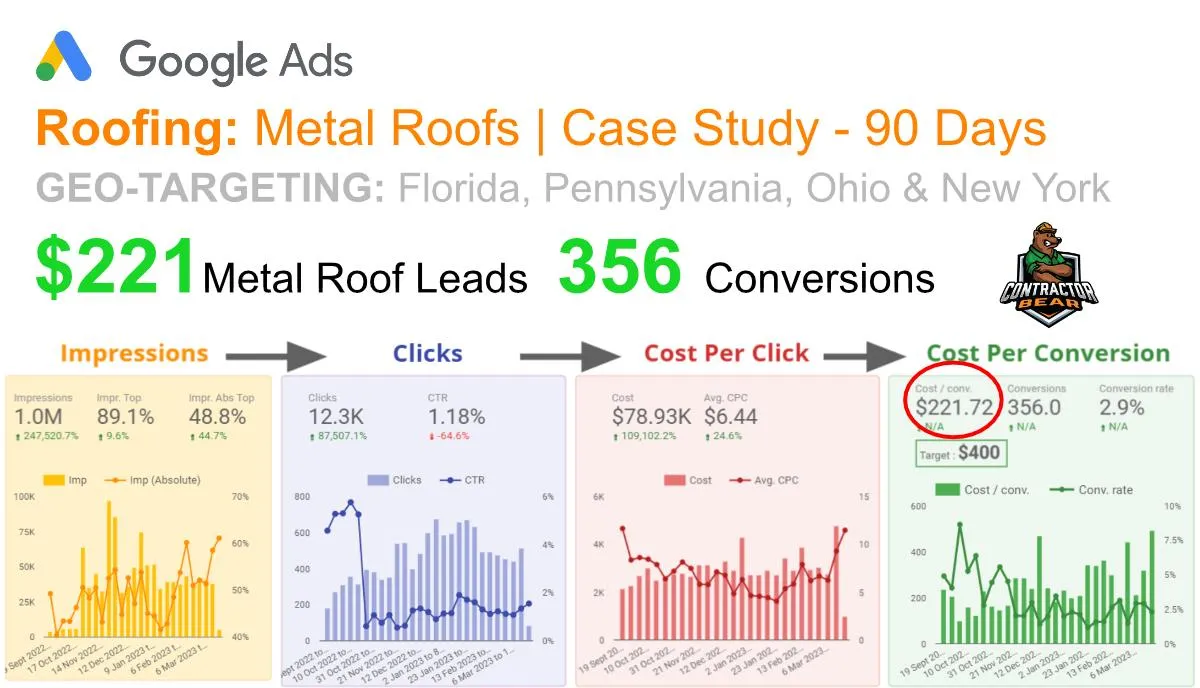
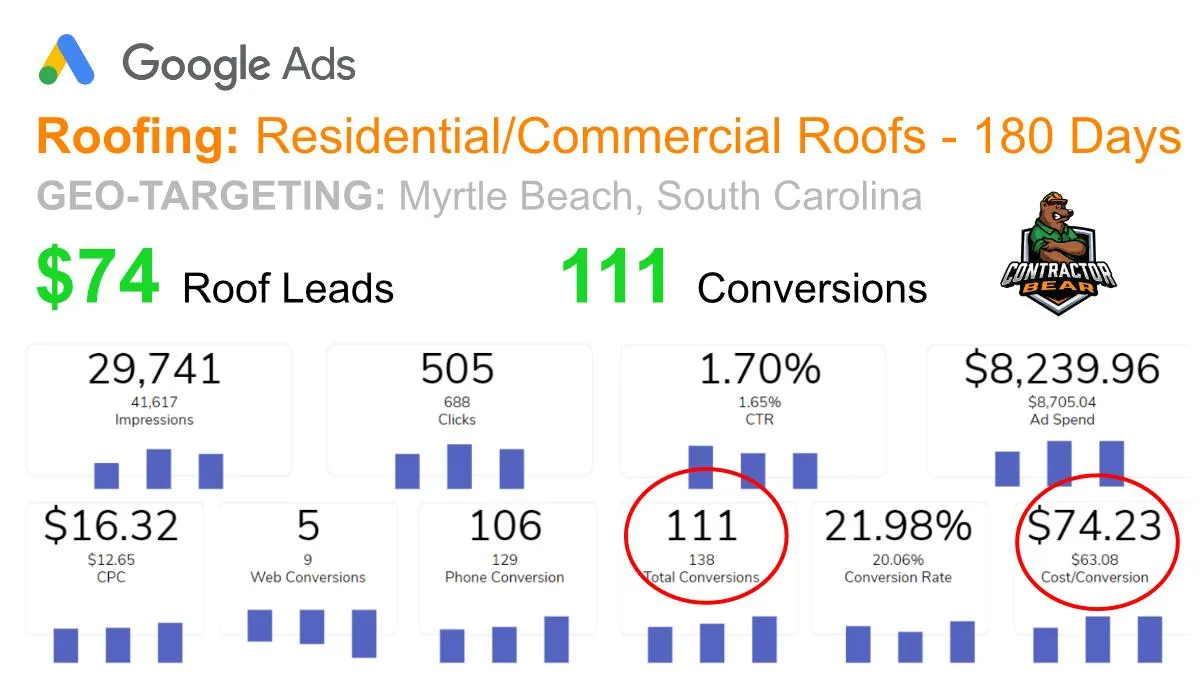
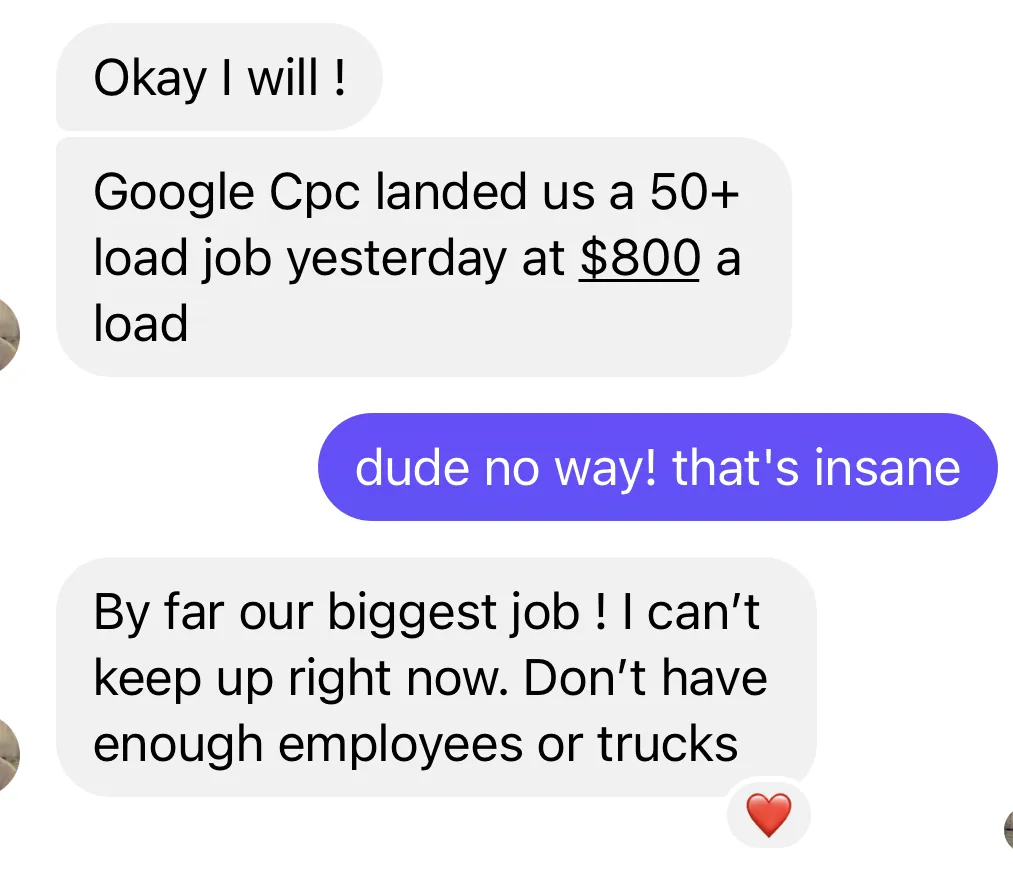
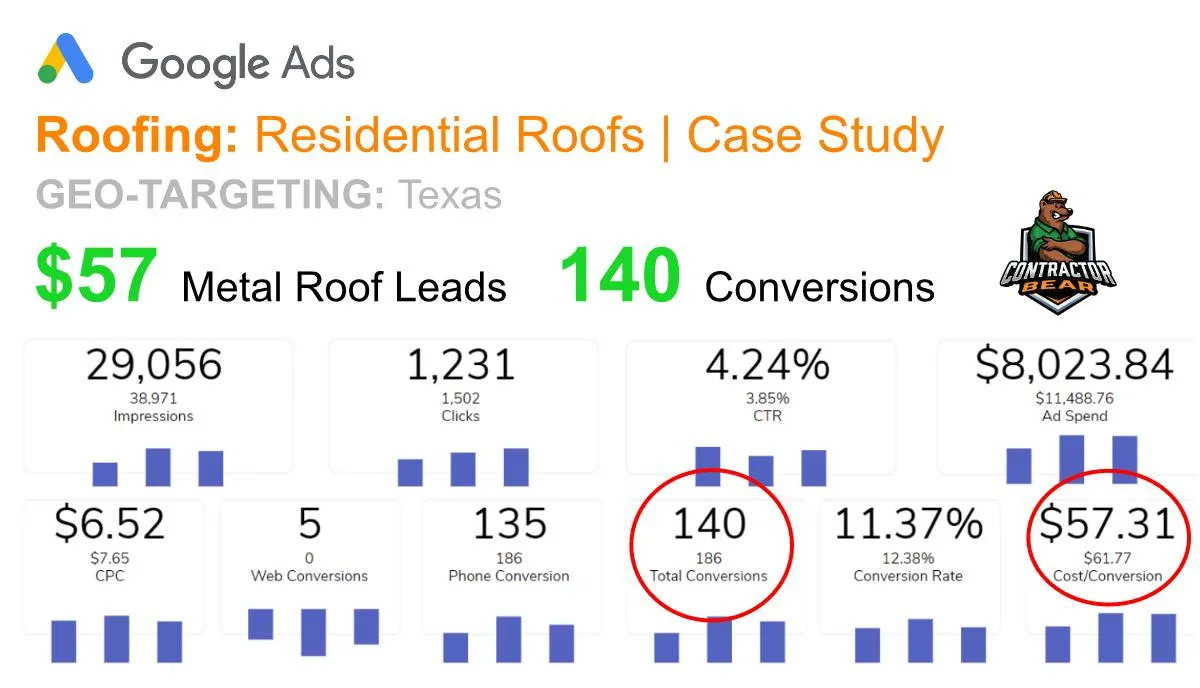
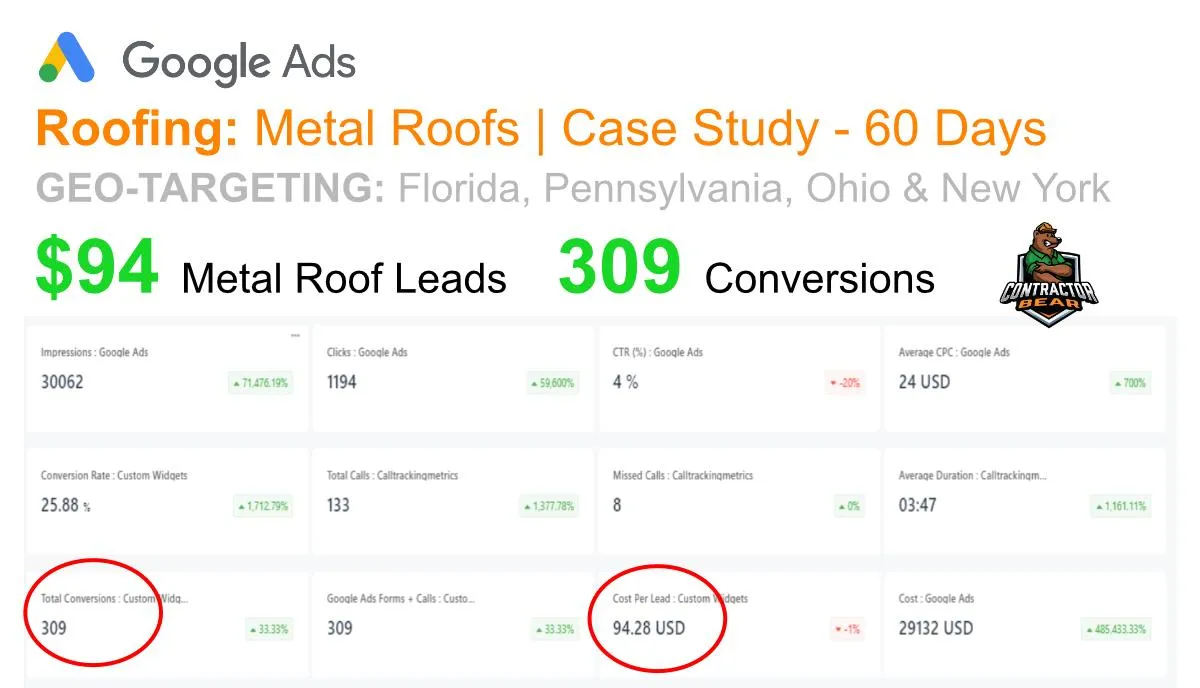
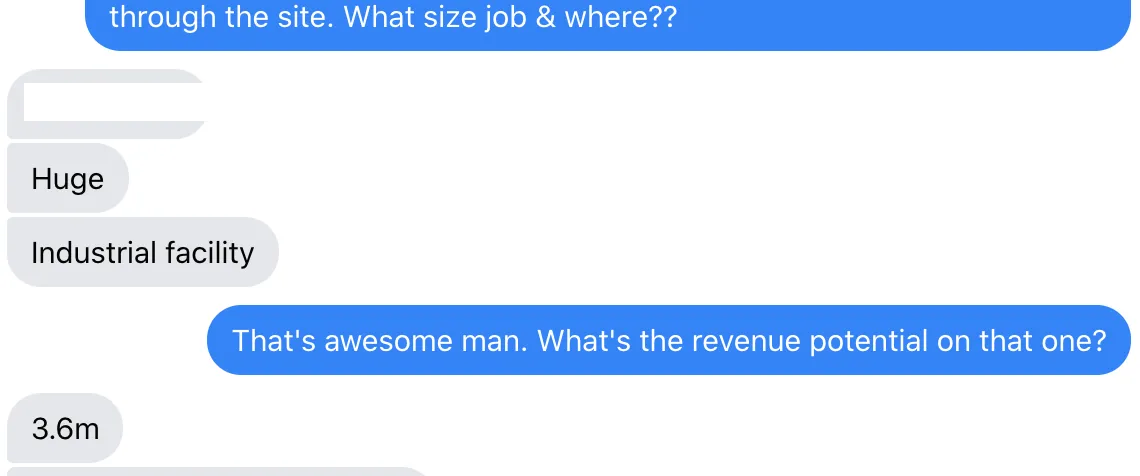
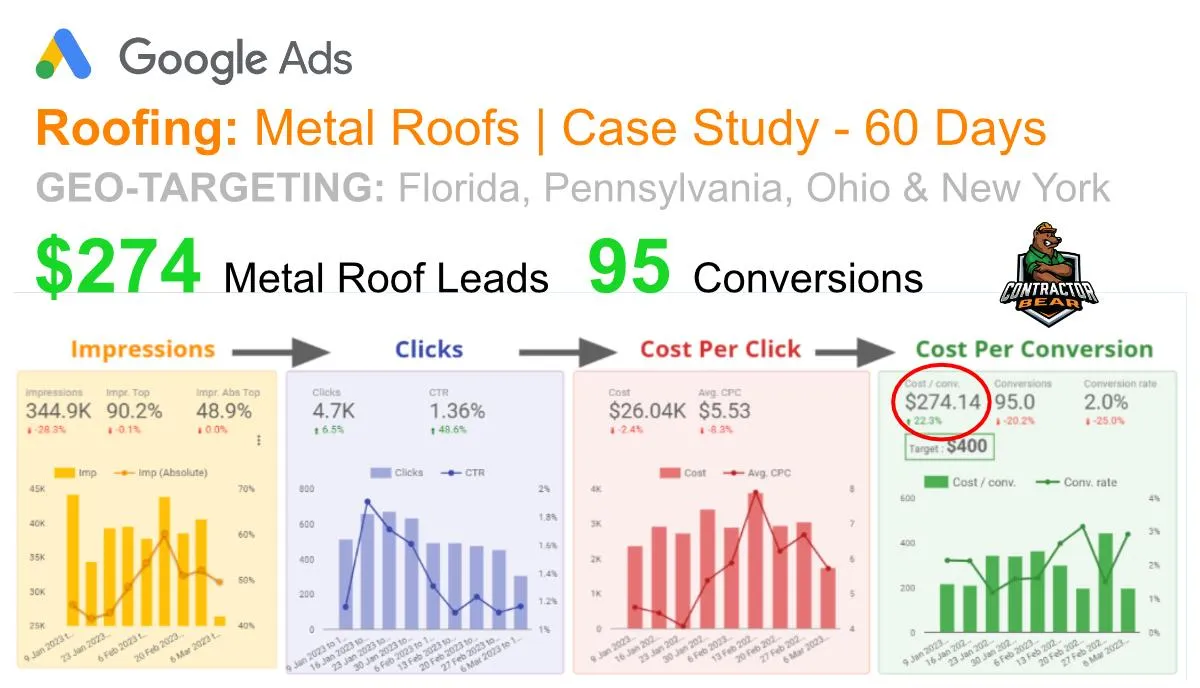
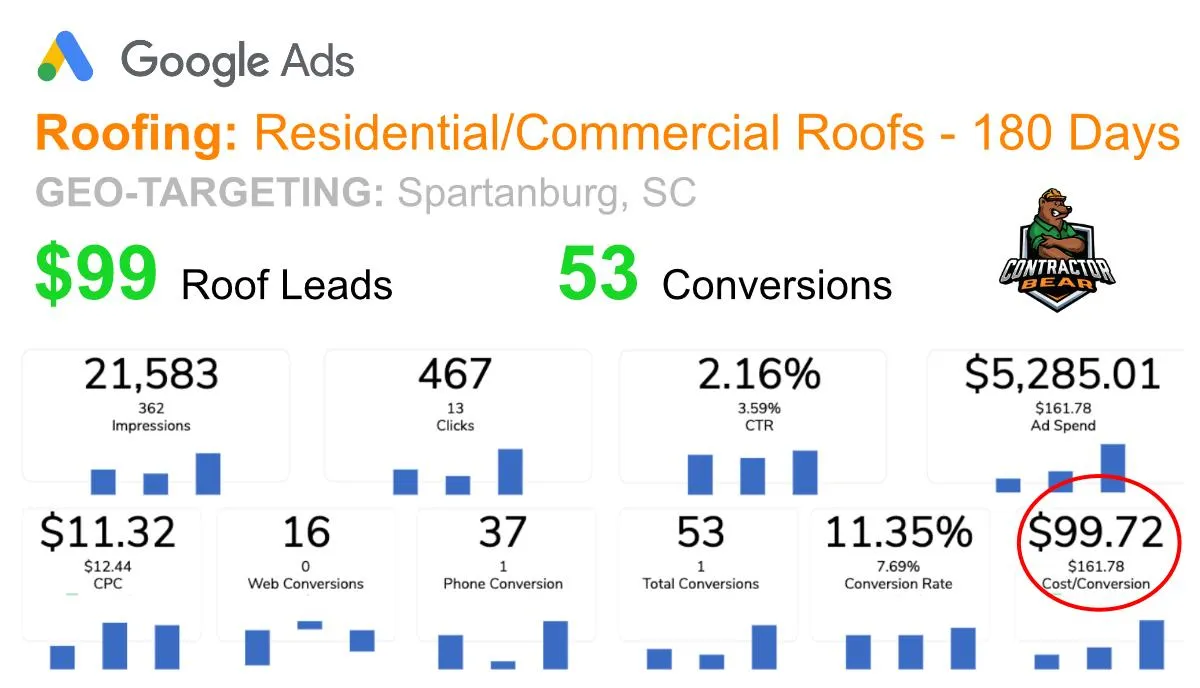
Real Results. Real Contractors.
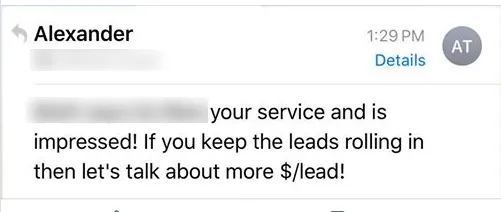
Screenshots from our actual client dashboards and conversations. No stock photos, no fake numbers.




Packages for San Francisco Pest Control Companies
Free custom website included with every plan. No setup fees, no long-term contracts.

Cub
Start building pipeline
- Google Business Profile optimization
- Local SEO foundation
- Review generation system
- Bring your own website

Black
Your free website tier
- FREE custom website
- ALL Everything in Cub, plus:
- Conversion-optimized site
- Call tracking + Growth Hub CRM

Grizzly
Accelerate your pipeline
- ALL Everything in Black, plus:
- Content marketing & blog
- Advanced review management
- City + service landing pages

Polar
Own your market
- ALL Everything in Grizzly, plus:
- Google Ads management
- Full-funnel lead nurturing
- Dedicated account manager
You only move up when we deliver. Tier upgrades trigger automatically when your attributed-lead count clears each threshold, with phone, email, and text notification before any price change. Attribution is limited to leads generated by our marketing — never your existing customers, referrals, or word-of-mouth.
Pest Control SEO FAQ
How long does pest control SEO take to show results in San Francisco?
For most San Francisco pest control companies, meaningful ranking improvements begin appearing within 3–4 months for lower-competition terms like 'termite inspection [neighborhood]' or 'rodent control San Francisco residential.' Competitive broad terms like 'pest control San Francisco' typically take 5–8 months to achieve page-one positioning, depending on your site's current authority and the strength of existing competition. Map pack improvements — often the highest-value outcome — can appear as early as 6–8 weeks with aggressive GBP optimization and review acquisition. SEO is not instant, but the results compound month over month in a way paid advertising never does.
What does pest control SEO actually cost, and what's the ROI?
Professional pest control SEO in San Francisco typically ranges from $1,000–$3,500 per month depending on the scope of work and competitive targets. The ROI calculation is straightforward: organic leads arrive at $15–40 CPL with a 20–25% close rate. For a pest control company with a $175 average job and $1,500 lifetime value per prevention plan customer, acquiring even 15 new organic customers per month at a $100 average acquisition cost generates $22,500 in first-year revenue from a $1,500–$2,000 monthly SEO investment. Most well-executed pest control SEO campaigns in competitive California markets return 8–15x investment within the first 12 months.
How does Google Business Profile optimization affect my pest control rankings in San Francisco?
Your Google Business Profile is the primary driver of map pack rankings — the three local results that appear above organic listings and capture 42% of all local search clicks. For pest control companies, this is where emergency calls originate: someone discovering a pest problem opens Google Maps, sees the top three results, and calls within minutes. GBP optimization signals — review volume and recency, profile completeness, post frequency, photo count, and response rate — are direct ranking inputs. A fully optimized GBP with consistent review acquisition can move a pest control company from outside the map pack into the top three within 6–10 weeks, often with faster ROI than any other SEO tactic.
Should I target the whole San Francisco Bay Area or focus on the city itself?
For most independent pest control operators, a hyper-focused San Francisco city strategy outperforms a broad Bay Area approach — at least initially. Competing for 'pest control Bay Area' puts you against established multi-location operators with significant domain authority. San Francisco's density (874,784 people in 47 square miles) provides sufficient market volume to build a profitable business from city-only rankings alone. Start by dominating specific San Francisco neighborhood keyword combinations, win the map pack for SF city terms, then expand to adjacent markets like Daly City, South San Francisco, and San Mateo once your city authority is established. Geographic focus accelerates rankings by concentrating your citation footprint and content relevance signals.
Do I need a different SEO strategy for commercial pest control versus residential in San Francisco?
Yes — commercial pest control SEO in San Francisco requires a distinct approach from residential. Commercial targets include restaurant owners in the Mission and Chinatown, property managers in SoMa and the Financial District, and facility managers across the city's dense office market. These buyers search differently ('commercial pest control contract San Francisco,' 'restaurant pest management SF') and evaluate vendors more formally, placing higher weight on licensing credentials, liability coverage, and industry certifications. Your commercial pages should reference applicable regulations, SF Department of Public Health compliance, and specific industries served. Separate landing pages for commercial versus residential services, each optimized for their distinct keyword sets, significantly improves ranking performance for both segments.
Pest Control SEO in Nearby Cities
Pest Control Marketing Resources
Scale Your Pest Control Company →
Comprehensive growth guide for pest control businesses.
All Pest Control Services →
See everything we offer for pest control companies.
Google Business Profile Guide for Contractors →
In-depth article to help grow your business.
How to Get More 5-Star Reviews →
Practical strategies you can implement today.
Get a Free Pest Control SEO Audit for San Francisco
We'll analyze your current rankings, identify your biggest opportunities, and show you exactly how to reach page one in San Francisco — and we'll build you a free custom website to make sure your rankings actually convert.