Pest Control Marketing in Washington, DC
Washington DC's 689,000 residents and 6.4 million metro area consumers deal with year-round pest pressures in a humid subtropical climate — creating consistent demand for pest control services that savvy operators can capture with the right marketing strategy.
- Rank in the Washington map pack — not rent space on Angi
- Performance-based pricing — no lock-in contracts
- Free custom website built for the Washington market
By Contractor Bear Team • March 2026
Get Your Free Washington Pest Control Audit
See exactly where you're losing leads to your top 3 pest control competitors in Washington. No sales call required.
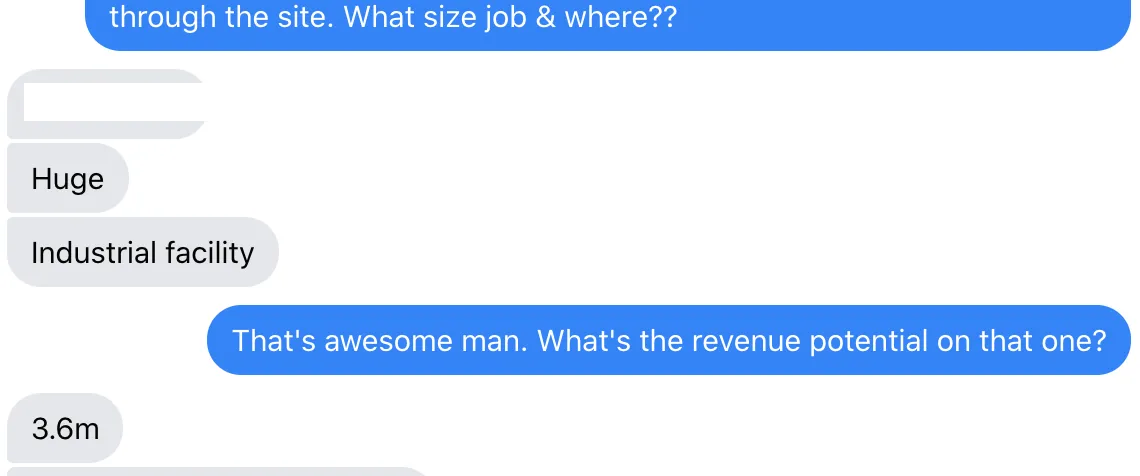
"Biggest job of my career came off this site. We can't keep up with the calls."
— Verified pest control client
See more proof below ↓
Why Most Washington Pest Control Companies Struggle to Get Customers
7 Marketing Channels That Work for Pest Control in Washington
Ranked by ROI for pest control companies.
Google Business Profile
$10-$25 per leadFor pest control in Washington DC, Google Business Profile is your highest-ROI channel. When someone searches 'pest control near me' or 'termite treatment Washington DC,' the map pack appears above organic results. With a 25% lead close rate and CPL of just $10-$25, GBP dominates local intent. DC's dense neighborhoods mean a single optimized profile can cover a high concentration of high-value homeowners and property managers within a few square miles.
Local SEO
$15-$40 per leadOrganic search rankings compound over time, making SEO the lowest long-term cost-per-lead channel at $15-$40 with a 20% close rate. DC pest control searches like 'bed bug treatment Capitol Hill' or 'rodent control Georgetown' signal high purchase intent. Ranking for neighborhood-level and service-specific terms builds durable lead flow that isn't subject to ad auction volatility — critical for surviving Washington's competitive spring rush when ad costs spike.
Google Ads
$45-$150 per leadGoogle Ads delivers immediate visibility for high-urgency pest control calls — especially the 30% of DC customers experiencing emergency infestations. While CPL runs $45-$150 and close rates are 10%, the channel excels for bed bug, rodent, and termite searches where customers need same-day service. Smart bidding strategies targeting DC's zip codes with high home values ($675K avg) prioritize neighborhoods where $175 avg jobs and $1,500 lifetime values justify the acquisition cost.
Facebook/Instagram Ads
$25-$80 per leadSocial advertising at $25-$80 CPL works best for selling prevention plans and mosquito control subscriptions to DC homeowners — awareness-stage customers who aren't yet searching. Facebook's demographic targeting lets you reach 42% of DC residents who own their homes, segmented by neighborhood and income. Seasonal creative around DC's spring mosquito emergence and fall rodent intrusion cycles drives plan sign-ups that convert your 75% repeat rate into predictable monthly recurring revenue.
Content Marketing
$10-$30 per leadEducational content builds trust with DC's research-oriented consumer base while generating organic traffic year-round. Blog posts targeting queries like 'signs of termites in DC rowhouses,' 'mosquito season Washington DC,' and 'bed bug laws for DC landlords' attract in-market prospects and establish your authority on local pest issues. Content also captures the 57% of consumers who are in the consideration phase and not yet ready to call — nurturing them toward a booking over weeks.
Review Management
$5-$15 per leadWith 93% of Washington consumers reading reviews before contacting a pest control company, a systematic review acquisition program is non-negotiable. DC consumers specifically scrutinize comments about chemical safety, technician professionalism, and licensing — all sensitivity points unique to pest control. A proactive review management strategy targeting post-service SMS follow-ups can build a review moat that deflects customers from national competitors, converting your reputation into a durable competitive advantage.
Email/SMS Marketing
$3-$10 per leadWashington DC's 75% repeat rate for pest control makes email and SMS your most underutilized retention channel. Automated seasonal campaigns — spring mosquito alerts, fall rodent preparation tips, summer termite swarm warnings — keep your brand top-of-mind between service visits and drive prevention plan renewals. Given a $1,500 lifetime value per customer, retaining existing clients through a $20/month email tool generates a return that no paid acquisition channel can match.
What Washington Pest Control Companies Actually Pay Per Lead
| Channel | Avg CPL | Close Rate | Cost/Customer | Best For |
|---|---|---|---|---|
| Google Ads | $45-$150 | 10% | $450-$1,500 | Emergency pest calls, immediate visibility |
| Facebook Ads | $25-$80 | 6% | $417-$1,333 | Prevention plans, seasonal awareness |
| SEO (Organic) | $15-$40 | 20% | $75-$200 | Long-term lead flow, high-intent searches |
| Google Business Profile | $10-$25 | 25% | $40-$100 | Local 'near me' searches, map pack |
| HomeAdvisor/Thumbtack | $25-$100 | 8% | $312-$1,250 | Supplemental volume, new markets |
| Doing Nothing | ∞ | 0% | Business stagnation | Nobody |
The Washington Pest Control Market in 2026
Why Pest Control Companies Need Specialized Marketing
How We Build Your Washington Pest Control Lead Machine
Audit & Strategy
We analyze your current Google Business Profile performance, existing rankings for DC pest control keywords, competitor positioning for services like termite treatment and bed bug removal in your target neighborhoods, review velocity versus competitors, and seasonal traffic patterns. We identify your highest-value quick wins — typically GBP optimization and review acquisition — alongside 90-day growth targets.
Foundation
We build or rebuild your website for conversion, optimized for DC pest control searches with neighborhood-specific service pages for Georgetown, Capitol Hill, and other high-value areas. GBP is fully optimized with service categories, photo updates, Q&A, and a review acquisition workflow. Local citations are audited and corrected across Yelp, Angi, BBB, and DC-specific directories to establish consistent NAP signals.
Growth
We launch a content calendar targeting DC-specific pest queries and seasonal search trends, build a systematic post-service review request workflow via SMS, and execute a local SEO link-building campaign targeting DC neighborhood blogs, HOA resources, and property management associations. Monthly reporting tracks keyword ranking movement, GBP call volume, and lead cost by channel.
Scale
Once organic and GBP channels are producing consistent leads, we layer in targeted Google Ads for high-urgency searches and Facebook campaigns pre-selling spring mosquito and fall rodent prevention plans to DC homeowner segments. We build email and SMS sequences to maximize your 75% repeat rate and convert one-time customers into annual prevention plan subscribers, compounding lifetime value.
Real Results: Pest Control Case Study
Pest Control company in Silver Spring, District of Columbia metro
Before
After
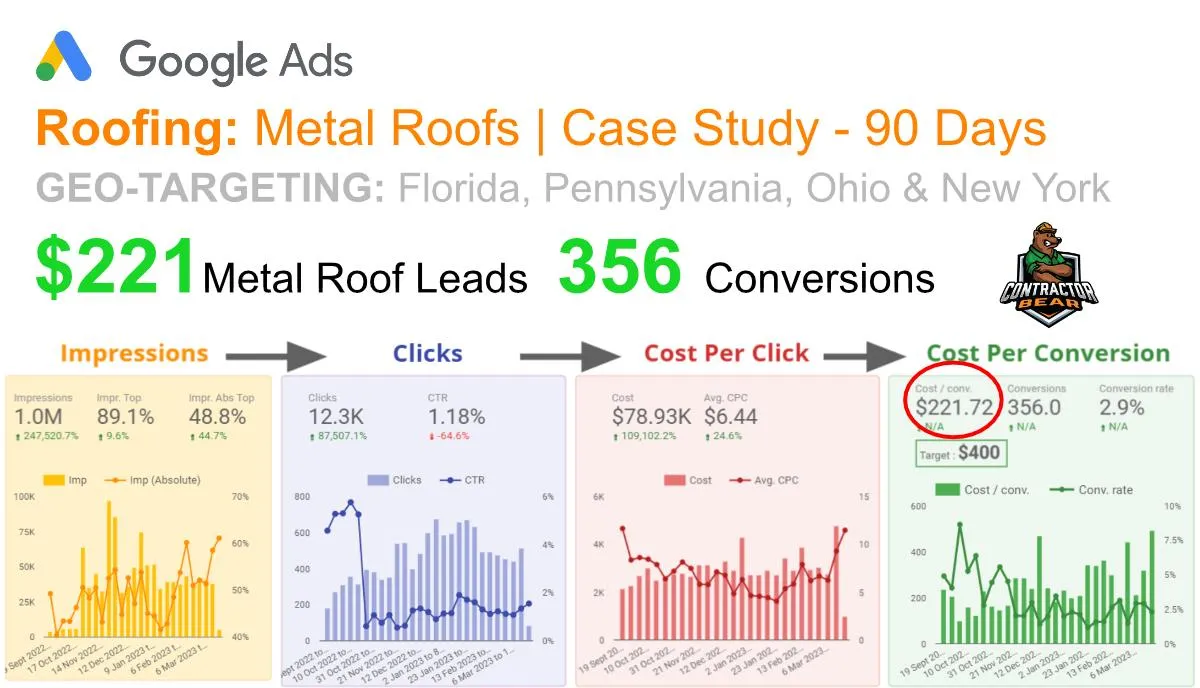
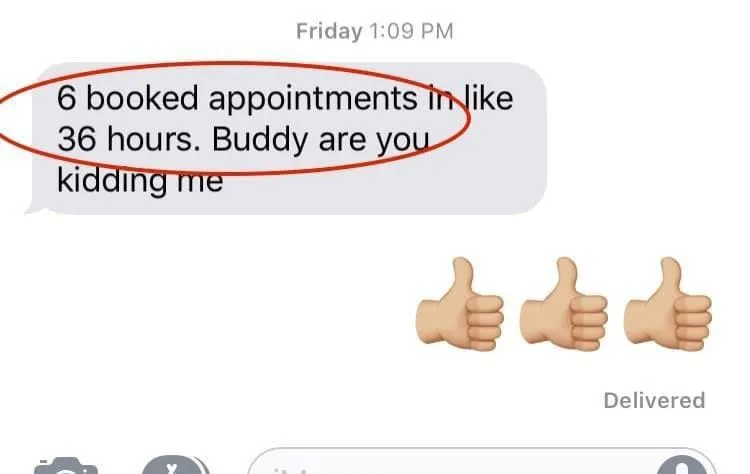
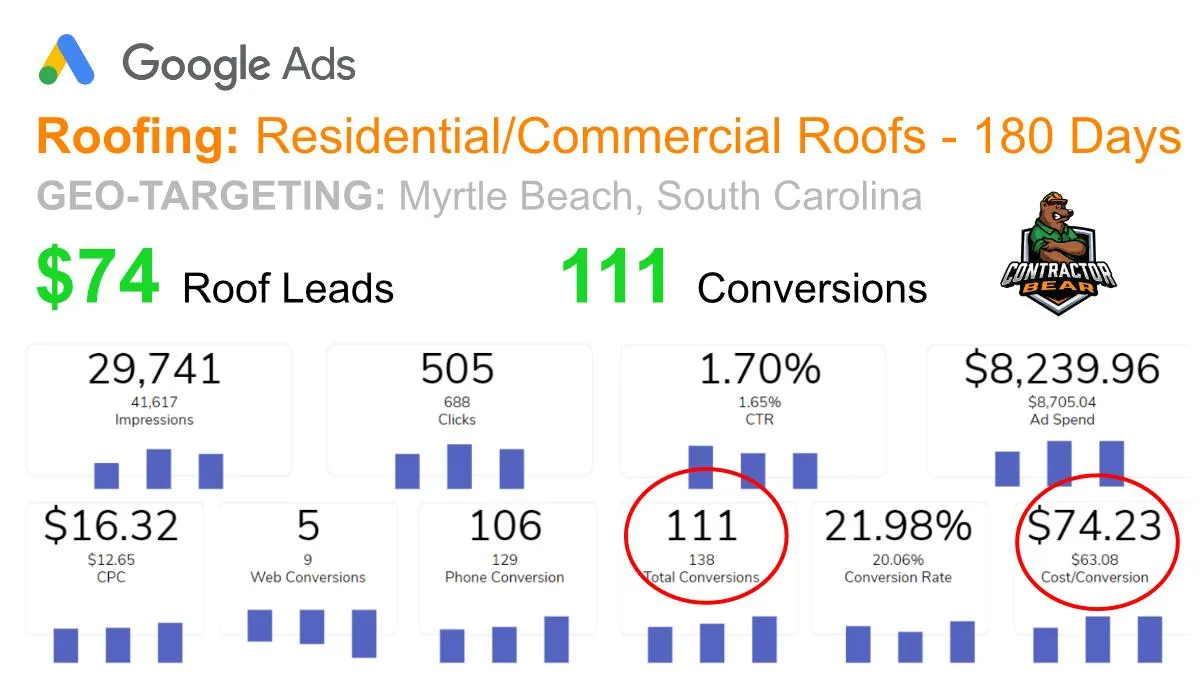
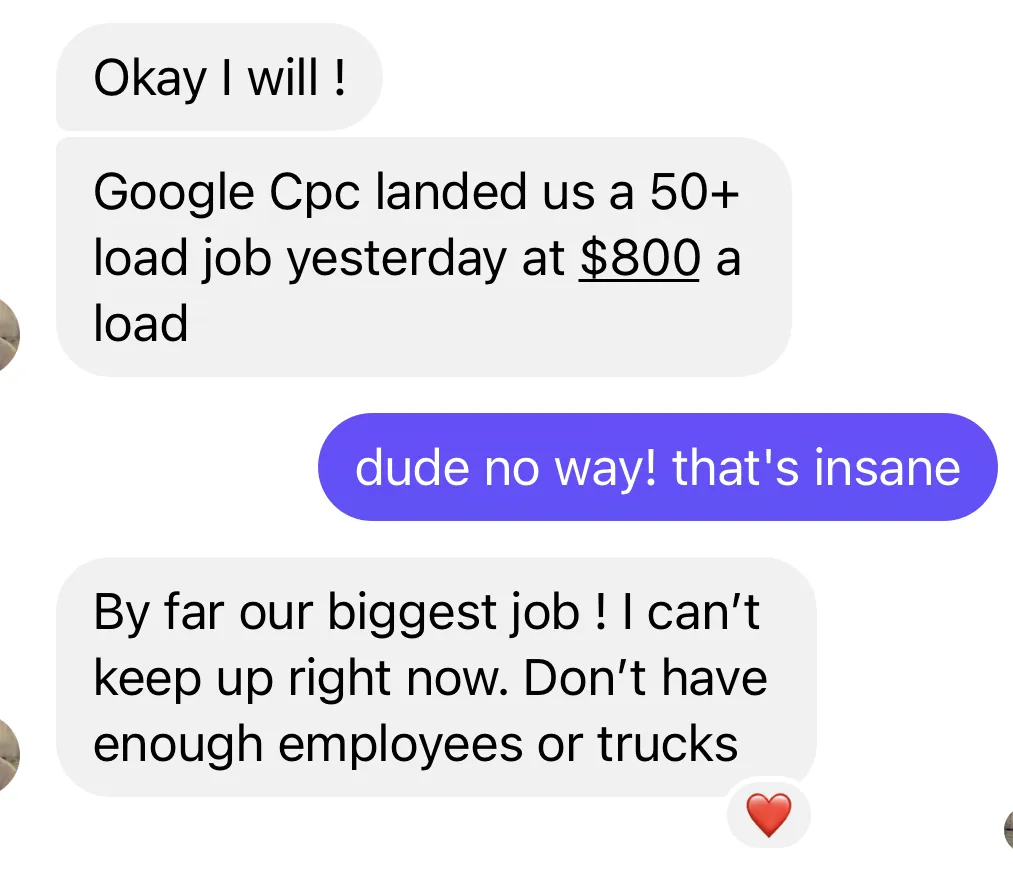
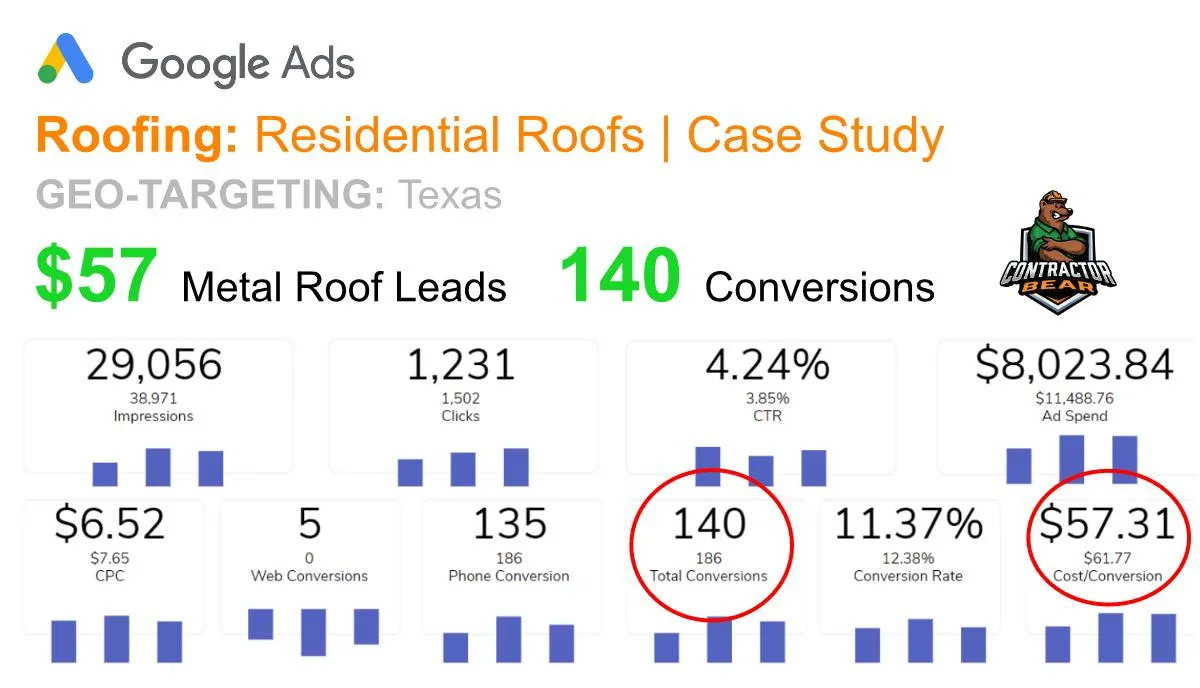
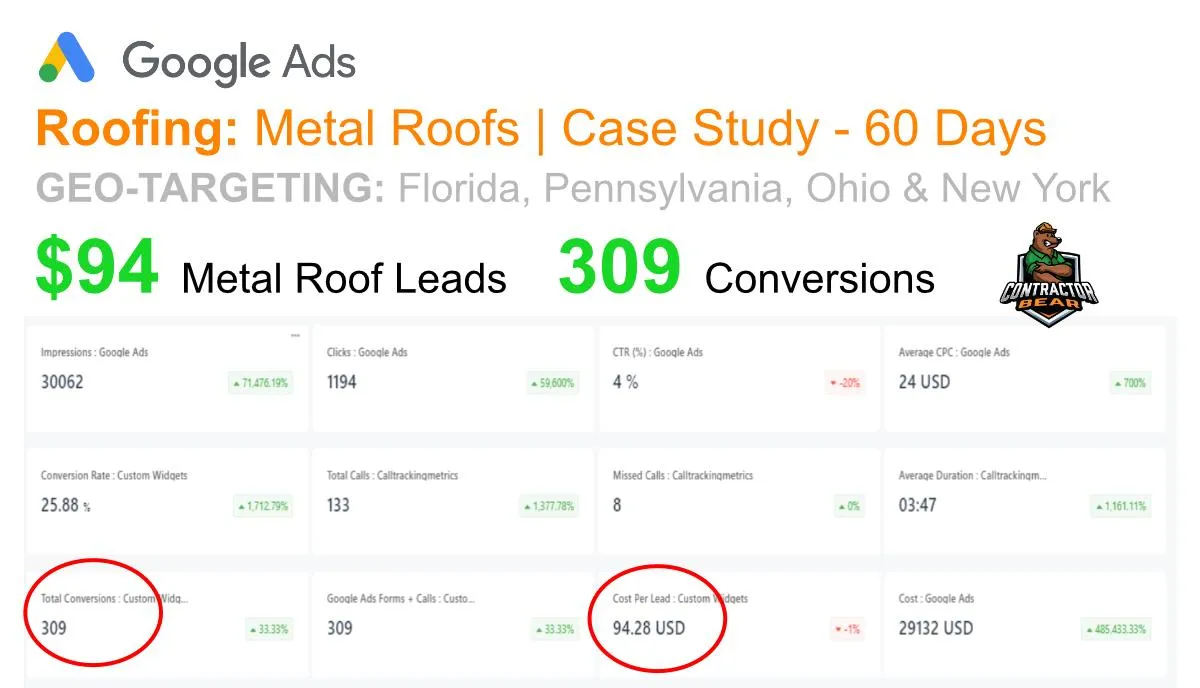
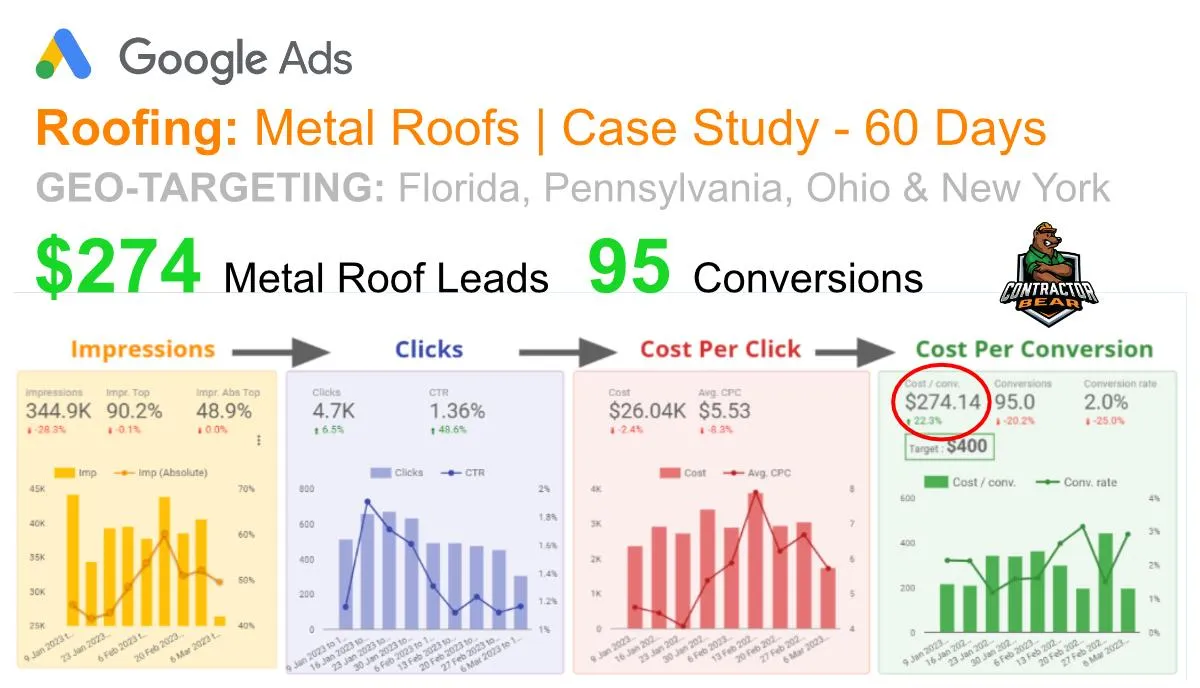
Real Results. Real Contractors.
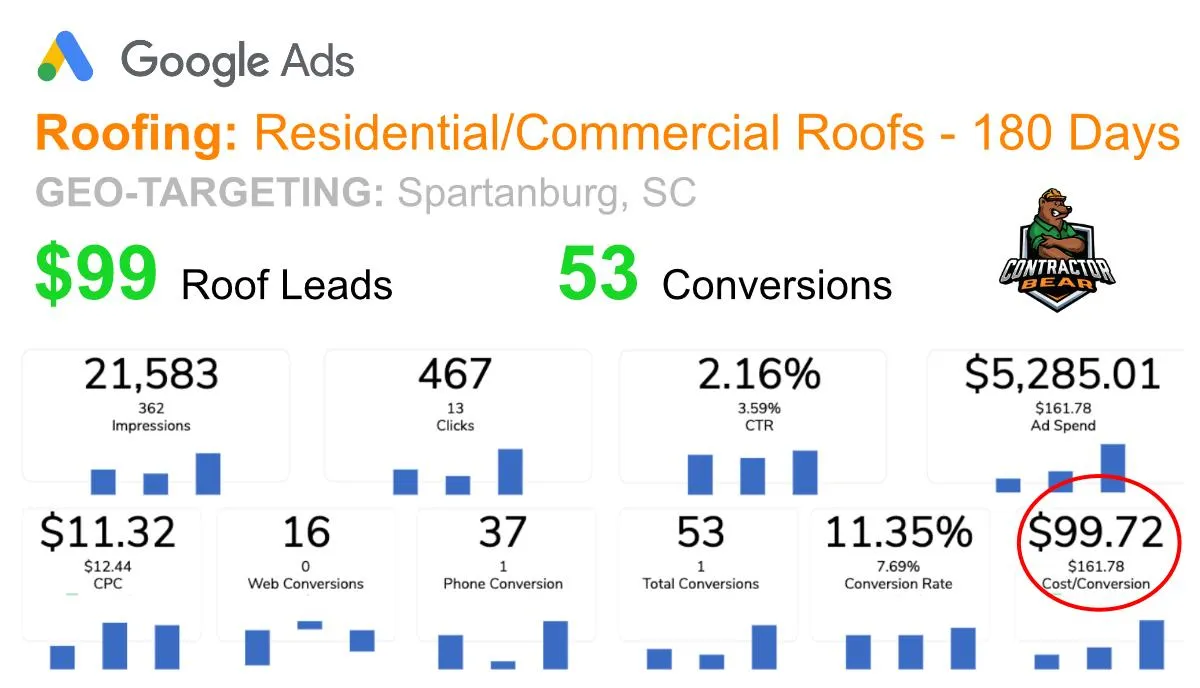
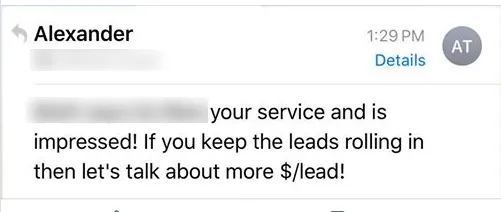
Screenshots from our actual client dashboards and conversations. No stock photos, no fake numbers.



Packages for Washington Pest Control Companies
Free custom website included with every plan. No setup fees, no long-term contracts.

Cub
Start building pipeline
- Google Business Profile optimization
- Local SEO foundation
- Review generation system
- Bring your own website

Black
Your free website tier
- FREE custom website
- ALL Everything in Cub, plus:
- Conversion-optimized site
- Call tracking + Growth Hub CRM

Grizzly
Accelerate your pipeline
- ALL Everything in Black, plus:
- Content marketing & blog
- Advanced review management
- City + service landing pages

Polar
Own your market
- ALL Everything in Grizzly, plus:
- Google Ads management
- Full-funnel lead nurturing
- Dedicated account manager
You only move up when we deliver. Tier upgrades trigger automatically when your attributed-lead count clears each threshold, with phone, email, and text notification before any price change. Attribution is limited to leads generated by our marketing — never your existing customers, referrals, or word-of-mouth.
Pest Control Marketing FAQ
How long does it take to see results from pest control marketing in Washington DC?
Google Business Profile optimization typically produces measurable call volume increases within 30-45 days for Washington DC pest control companies. Local SEO rankings for neighborhood-level keywords like 'pest control Georgetown' or 'rodent control Capitol Hill' generally show meaningful movement within 90-120 days. Paid search campaigns on Google Ads can generate leads within the first week of launch. Most clients see a blended improvement in total lead volume within 60 days, with compounding organic growth accelerating through months 3-6.
What makes marketing pest control in Washington DC different from other cities?
Washington DC presents three unique marketing dynamics. First, the dense rowhouse and pre-war building stock creates specific pest pressure — termite and rodent concerns are disproportionately common compared to Sun Belt cities — so service-specific landing pages outperform generic ones. Second, DC's educated, review-scrutinizing consumer base places unusually high weight on licensing credentials and chemical safety transparency in your marketing materials. Third, the 42% homeownership rate means property manager and commercial outreach is a higher-value segment here than in ownership-heavy markets.
Should I focus on one-time treatments or prevention plans in my marketing?
For Washington DC pest control companies, prevention plan marketing delivers superior long-term ROI. With a 75% customer repeat rate and $1,500 lifetime value versus a $175 average job value, converting customers to annual contracts is the primary value driver in your business. We recommend structuring your Google Ads and emergency response campaigns to capture immediate revenue, while your SEO content, Facebook ads, and email campaigns are explicitly designed to upsell prevention plans — particularly before DC's spring pest season peaks in March and April.
How important are online reviews for pest control companies in Washington DC?
Reviews are disproportionately influential in DC compared to many markets. Washington consumers are highly educated and research-oriented — 93% read reviews before contacting a pest control company, and the top 3 results capture 75% of all contact inquiries. For pest control specifically, DC customers read reviews for evidence of chemical safety practices, technician professionalism, and treatment effectiveness. We recommend a systematic post-service SMS review request program targeting Google and Nextdoor, which carries strong neighborhood influence in DC's ward and community structure.
Can a local Washington DC pest control company compete against Orkin and Terminix online?
Yes — and local operators have structural advantages that national chains can't replicate. Google's local algorithm strongly favors proximity and review velocity over brand size, meaning a well-optimized local GBP profile routinely outranks national chains in neighborhood-level searches. National brands also struggle to rank for hyper-local queries like 'pest control Anacostia' or 'bed bug treatment Shaw' where local content and citation signals dominate. Our strategy explicitly targets the keyword and channel gaps where Orkin and Terminix underinvest, building you a defensible local market position within 6-9 months.
Pest Control Marketing in Nearby Cities
Pest Control Marketing in Alexandria →
Alexandria, VA • Pop. 160,530
Pest Control Marketing in Baltimore →
Baltimore, MD • Pop. 602,495
Pest Control Marketing in Richmond →
Richmond, VA • Pop. 226,610
Pest Control Marketing in Virginia Beach →
Virginia Beach, VA • Pop. 459,470
Pest Control Marketing in Hampton →
Hampton, VA • Pop. 136,454
Pest Control Marketing in Newport News →
Newport News, VA • Pop. 186,247
Pest Control Marketing Resources
Scale Your Pest Control Company →
Comprehensive growth guide for pest control businesses.
All Pest Control Services →
See everything we offer for pest control companies.
Google Business Profile Guide for Contractors →
In-depth article to help grow your business.
How to Get More 5-Star Reviews →
Practical strategies you can implement today.
Get Your Free Pest Control Marketing Audit in Washington
We'll analyze your current DC market position and build you a custom growth plan — plus a free website included when you start your lead generation campaign.