Pest Control SEO in Washington, DC
Organic search delivers pest control leads in Washington for $15–40 each — up to 10x cheaper than Google Ads — while building compounding visibility that paid channels never can. With 87% of DC homeowners starting pest control searches online, SEO is the highest-ROI investment you can make.
By Contractor Bear Team • March 2026
Get Your Free Washington Pest Control Audit
See exactly where you're losing leads to your top 3 pest control competitors in Washington. No sales call required.
Why SEO Is the #1 Growth Channel for Washington Pest Control Companies
Top 8 Local SEO Ranking Factors for Pest Control
What actually moves the needle for pest control companies in Washington.
Google Business Profile
The Google Maps 3-pack appears above organic results for nearly every local pest control search in Washington. Missing or incomplete GBP listings lose the most high-intent clicks before users even reach organic results.
Our approach: We fully build out your GBP with service categories (termite treatment, bed bug treatment, rodent control, etc.), geo-tagged photos, service area coverage across DC neighborhoods and suburbs, Q&A optimization, and weekly post cadence to signal active engagement to Google.
On-Page SEO
Google needs clear, structured signals to understand what your site is about and which geographic areas you serve. Pest control companies often have thin, template-driven sites that fail to differentiate or rank.
Our approach: We optimize every page with targeted keyword clusters (e.g., 'termite treatment Washington DC,' 'bed bug exterminator Capitol Hill'), proper H1/H2 hierarchy, schema markup for LocalBusiness and Service entities, internal linking between service pages, and city-specific landing pages for DC neighborhoods and surrounding jurisdictions.
Reviews and Ratings
93% of consumers read reviews before hiring a pest control company. Review velocity and rating score are also direct ranking signals for Google's local algorithm — particularly for pest control, where trust and safety concerns are heightened.
Our approach: We implement automated post-service review request sequences via SMS and email, provide response templates for both positive and negative reviews, and build a review diversification strategy across Google, Yelp, and Angi to strengthen your overall reputation footprint.
Local Citations
NAP (name, address, phone) consistency across directories signals geographic legitimacy to Google. Inconsistent citations — common after rebrands or moves — suppress local rankings and confuse potential customers.
Our approach: We audit and correct citations across 80+ directories including Yelp, Angi, HomeAdvisor, BBB, and pest-control-specific directories. We also build new citations on high-authority local DC publications and directories to expand your geographic footprint in the search index.
Mobile Experience
Over 70% of pest control searches in Washington happen on mobile, often during or immediately after a pest sighting. A slow or non-responsive site bleeds leads in real time and Google penalizes it in rankings.
Our approach: We conduct Core Web Vitals audits targeting LCP under 2.5 seconds, CLS under 0.1, and INP under 200ms. We implement click-to-call buttons above the fold, compress and lazy-load images, and ensure your contact form is thumb-friendly on all device sizes.
Content Quality
Generic pest control content doesn't rank in competitive markets like Washington. Google rewards depth, specificity, and genuine expertise — especially important given chemical safety concerns that make E-E-A-T signals critical.
Our approach: We create service-specific content addressing Washington's actual pest pressures: termites in DC's aging brick housing stock, rodents in Capitol Hill rowhouses, bed bugs in Georgetown vacation rentals, and spring/summer mosquito surges. Each page demonstrates licensing, certification, and local expertise that generic competitors can't replicate.
Backlinks
High-authority backlinks from local DC sources are the most powerful ranking signal for competitive pest control terms. Most pest control sites have weak, generic link profiles that cap their ranking potential.
Our approach: We execute a DC-focused link acquisition strategy targeting neighborhood blogs, HOA websites, local news outlets, home inspection companies, real estate agents, and property management groups — all natural referral sources that also generate direct referral traffic alongside SEO value.
Technical SEO
Crawl errors, duplicate content, missing XML sitemaps, and slow server response times all prevent Google from properly indexing and ranking your pages — silently killing your organic visibility.
Our approach: We conduct full technical audits covering crawlability, canonical tags, structured data validation, HTTPS security, sitemap submission, robots.txt configuration, and page speed optimization. For pest control sites with multiple service pages, we implement proper internal linking architecture to concentrate ranking authority on your highest-value terms.
SEO vs Paid Ads for Pest Control Companies
| Factor | SEO | Google Ads | Facebook Ads |
|---|---|---|---|
| Cost Per Lead | $15-40 | $45-150 | $25-80 |
| Close Rate | 20-25% | 8-12% | 5-8% |
| Time to Results | 3-6 months | Immediate | 1-2 weeks |
| Long-term Value | Compounds over time | Stops when you stop paying | Stops when you stop paying |
| Trust Level | High (earned placement) | Medium (paid label) | Low (interruptive) |
| Lead Quality | High intent | High intent | Lower intent |
Step-by-Step Local SEO for Washington Pest Control Companies
Claim and Optimize Your Google Business Profile
Your GBP is the single most important piece of real estate in Washington's local pest control search landscape. Start by claiming and verifying your listing, then build it out completely. Add all relevant service categories — exterminator, pest control service, termite inspection — and list every individual service you offer. Upload geo-tagged photos of your team, vehicles, and completed jobs at Washington job sites. Set your service area to cover all DC wards plus relevant Maryland and Virginia zip codes if you serve them. Enable messaging and maintain sub-24-hour response times. Post weekly updates about seasonal pests common in DC — spring termite swarms, summer mosquito surges, fall rodent ingress — to signal ongoing relevance to Google's local algorithm.
Build and Correct Local Citations
Citations — mentions of your business name, address, and phone number across the web — are a foundational trust signal for Google's local rankings. Start with a full audit using a tool like BrightLocal or Whitespark to identify every existing citation and flag inconsistencies. In Washington's competitive pest control market, even minor NAP variations (suite numbers, abbreviated street names) can suppress rankings. Correct all discrepancies, then build new citations systematically: start with top-tier directories (Yelp, BBB, Angi, Houzz, HomeAdvisor), then move to DC-specific directories and pest-control vertical directories. Aim for 60–80 high-quality, consistent citations before expanding to secondary sources.
Optimize On-Page SEO for DC Pest Control Terms
Each service page on your website must be built around a specific keyword cluster tied to Washington, DC. Your homepage targets broad terms like 'pest control Washington DC' and 'exterminator Washington DC.' Individual service pages target more specific terms: 'termite treatment Washington DC,' 'bed bug exterminator DC,' 'rodent control Capitol Hill.' Every page needs a keyword-rich title tag under 60 characters, a compelling meta description, an H1 that matches search intent, and body content that addresses local context — DC's row house density, the area's termite pressure, mosquito issues near the Potomac and Anacostia rivers. Add LocalBusiness and Service schema markup to every page to enable rich results. Internally link between related service pages to distribute ranking authority efficiently.
Generate a Steady Flow of 5-Star Reviews
In Washington's pest control market, 93% of consumers read reviews before hiring, and your Google rating directly impacts your local pack ranking position. The key is a systematic, automated process — not random requests. Implement a post-service review request sequence: send an SMS within two hours of job completion with a direct link to your Google review page, followed by an email the next day if no review was left. Train your techs to verbally mention reviews at the close of every job. Aim for a minimum of 5 new reviews per month to maintain velocity signals. Respond to every review — positive or negative — within 48 hours. For pest control specifically, thoughtful responses to negative reviews matter more than in many other trades, given the trust sensitivity of chemical treatments in homes.
Create Locally Relevant Pest Control Content
Generic pest control blog posts don't rank in Washington because they don't match what DC residents are actually searching for. Your content strategy needs to address real local scenarios: the specific termite species (Eastern subterranean termites) that threaten DC's historic brick rowhouses in neighborhoods like Georgetown and Capitol Hill; the bed bug surge tied to DC's Airbnb market and hotel density; Norway rats and deer mice making their way into Dupont Circle and Columbia Heights homes as fall temperatures drop; Asian tiger mosquitoes breeding in standing water near the Potomac. Each piece of content should target a specific keyword, answer a specific question, and demonstrate genuine expertise in the Washington pest environment. Aim for 800–1,500 words per article, published consistently on a monthly basis at minimum.
Build Quality Backlinks from DC Sources
Backlinks from locally relevant, high-authority Washington sources are the hardest SEO asset to replicate and the most powerful for ranking competitive pest control terms in DC. The most effective sources for pest control companies include: DC-area real estate agents and property managers (natural referral relationships), HOA websites across Northwest and Southeast DC neighborhoods, local home inspection companies who can reference your termite inspection services, neighborhood blogs like DCist or Borderstan, and community Facebook groups and Nextdoor partnerships that generate indirect links. Create genuinely useful resources — a DC seasonal pest calendar, a neighborhood termite risk guide, a tenant rights FAQ around pest control responsibilities — that earn links naturally. Avoid low-quality directory spam; in Washington's competitive market, five authoritative local links outperform fifty generic directory citations.
Washington DC Pest Control SEO Landscape
5 SEO Mistakes Pest Control Companies Make
Using a Single Location Page for the Entire DC Metro
Pest control companies that serve Washington DC plus Maryland and Virginia suburbs often build a single generic location page — or no location pages at all. Google's local algorithm rewards geographic specificity. A single 'Washington DC' page won't rank for 'pest control Bethesda' or 'exterminator Arlington,' leaving a massive share of metro area search volume uncaptured.
Fix: Build individual, substantive location pages for every major service area: DC proper, then Alexandria, Bethesda, Arlington, Silver Spring, and other high-population suburbs. Each page needs unique content addressing that city's specific pest pressures, housing stock, and local context — not just a find-and-replace of the city name.
Ignoring Chemical Safety and Licensing in Content
Pest control is one of the most trust-sensitive home service categories. Washington consumers — particularly in a city with a high concentration of families with young children and pets — are acutely aware of chemical exposure risks. Companies that produce purely promotional content without addressing safety, licensing, and methodology signal low expertise to both users and Google's E-E-A-T evaluation criteria.
Fix: Feature your DC pest control license number prominently on every page. Create dedicated content addressing your chemical safety protocols, EPA-registered products, integrated pest management (IPM) approach, and pet/child safety procedures. This content converts anxious prospects and sends strong expertise signals to Google simultaneously.
Neglecting Seasonal SEO Timing
Most pest control companies in DC publish content reactively — writing about termite season in May, when swarms are already happening and competitors have already captured the ranking opportunity. By the time a new page earns ranking authority, the seasonal demand has passed. This means the content delivers no meaningful leads in its first year.
Fix: Publish seasonal pest control content 8–12 weeks before the target season begins. Termite swarm content should be live and indexed by January. Mosquito control content should publish in March. Rodent exclusion content should go live in August. This gives pages time to earn rankings before peak search demand arrives.
Letting Negative Reviews Go Unanswered
Pest control companies in Washington face heightened reputation sensitivity — a bad treatment outcome, chemical concerns, or a recurring pest problem can generate highly visible negative reviews. Companies that ignore these reviews not only lose conversion rates (93% of consumers read reviews), they signal to Google that the business lacks engagement, which can suppress local rankings over time.
Fix: Respond to every review within 48 hours. For negative reviews, acknowledge the concern professionally, offer to resolve it offline, and demonstrate your commitment to safety and results. A thoughtful negative review response often converts skeptical prospects more effectively than five generic five-star reviews.
Not Optimizing for Recurring Service Keywords
Most DC pest control SEO focuses on one-time treatment keywords — 'bed bug exterminator DC,' 'termite treatment cost DC' — while ignoring the far more valuable recurring service keywords like 'quarterly pest control plan DC' or 'annual mosquito treatment Washington DC.' Given that 75% of Washington pest control customers become recurring clients, ranking for prevention and maintenance terms drives higher lifetime value acquisitions.
Fix: Build dedicated pages and content targeting prevention plan and recurring service keywords. Explain the value of quarterly treatments in DC's climate, the cost savings versus reactive treatments, and the specific pests prevention plans guard against year-round. These pages attract prospects who are already sold on recurring service — the highest-LTV customer segment in the pest control market.
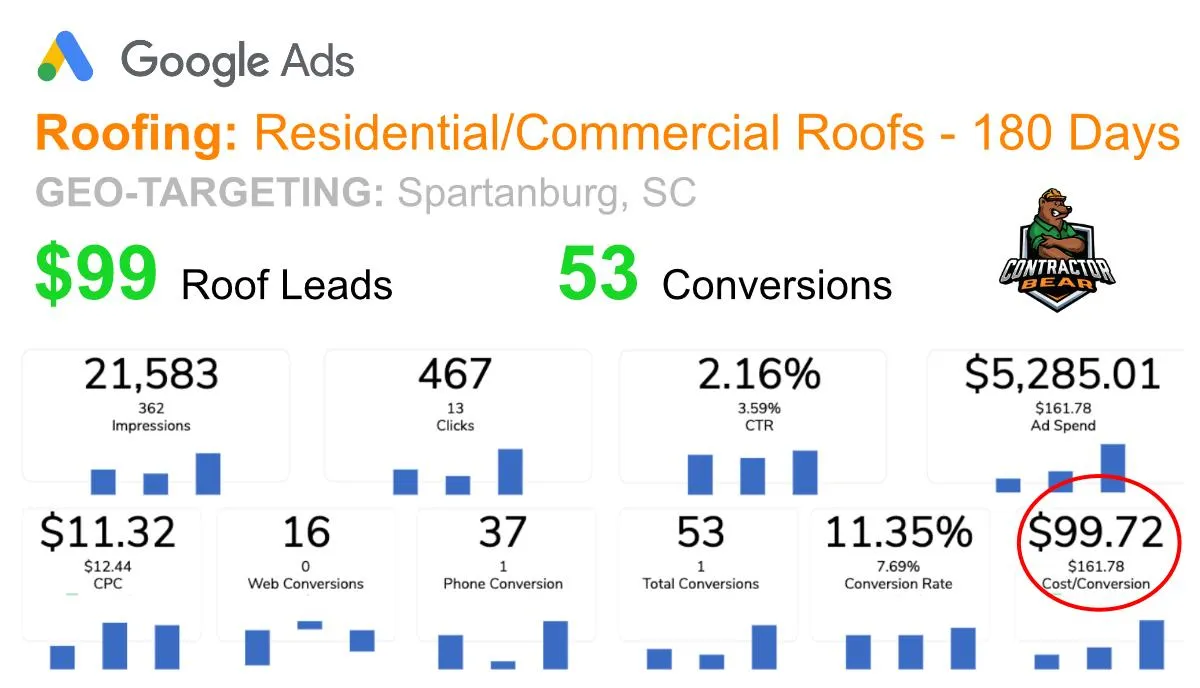
Real Results: Pest Control SEO Case Study
Pest Control company in Alexandria, District of Columbia
Before
After
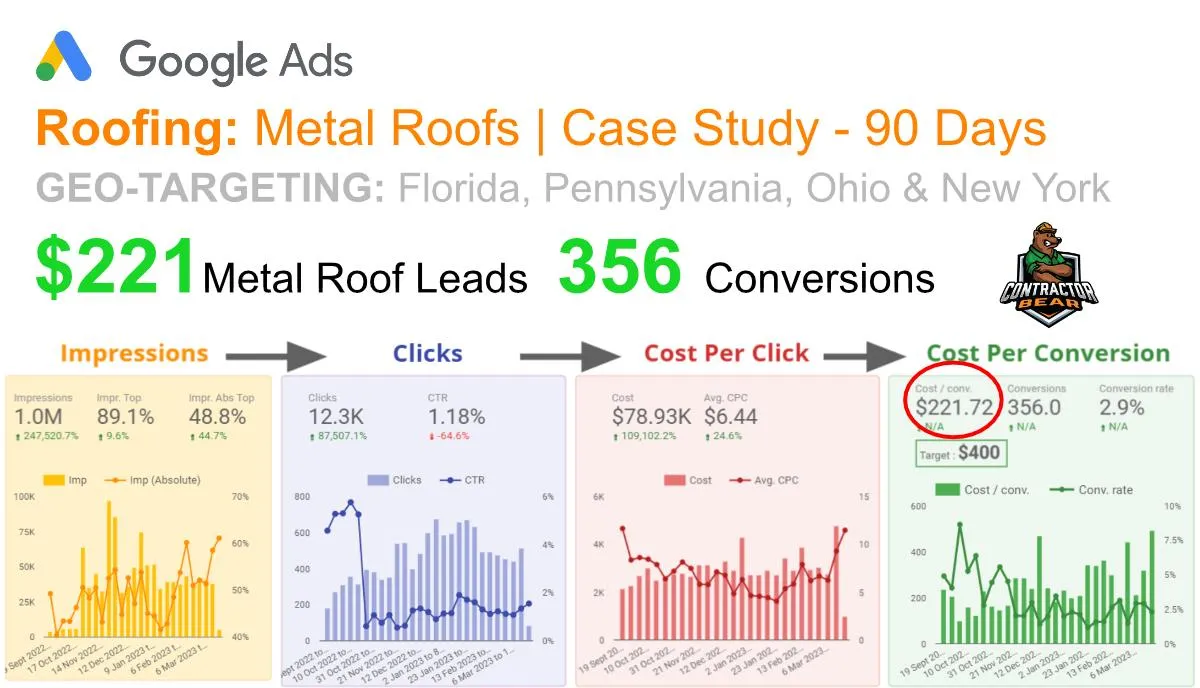
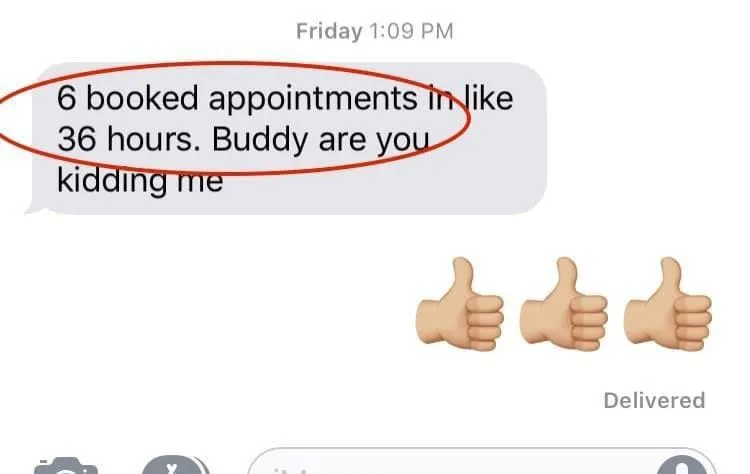
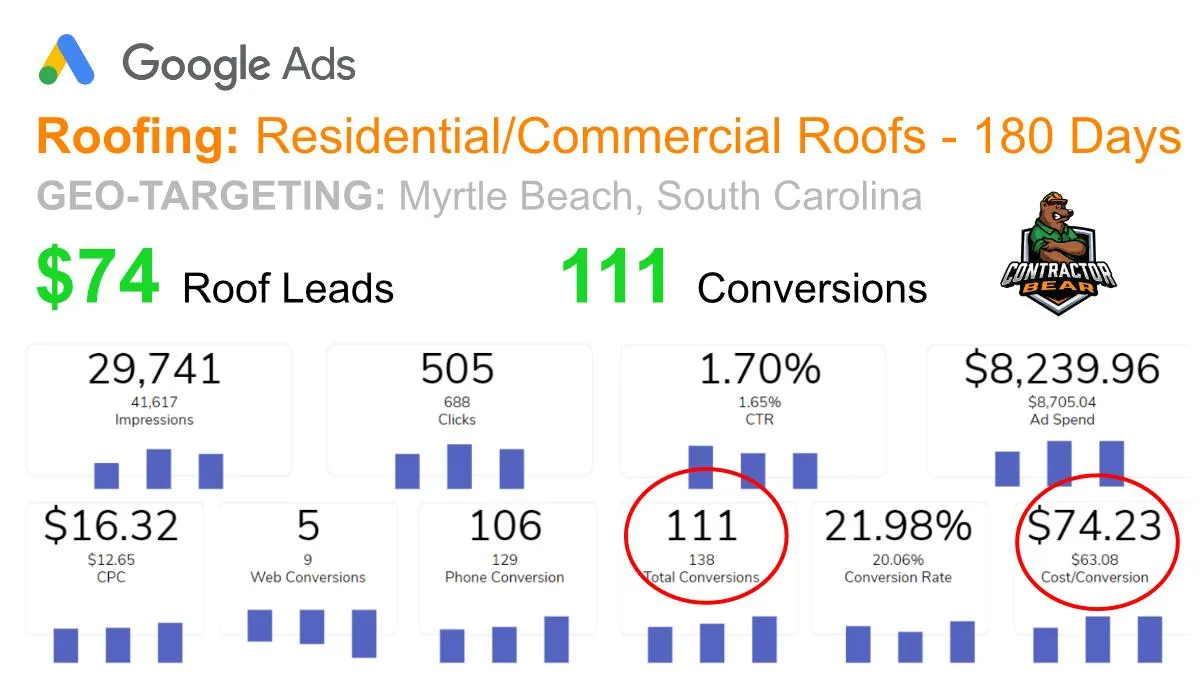
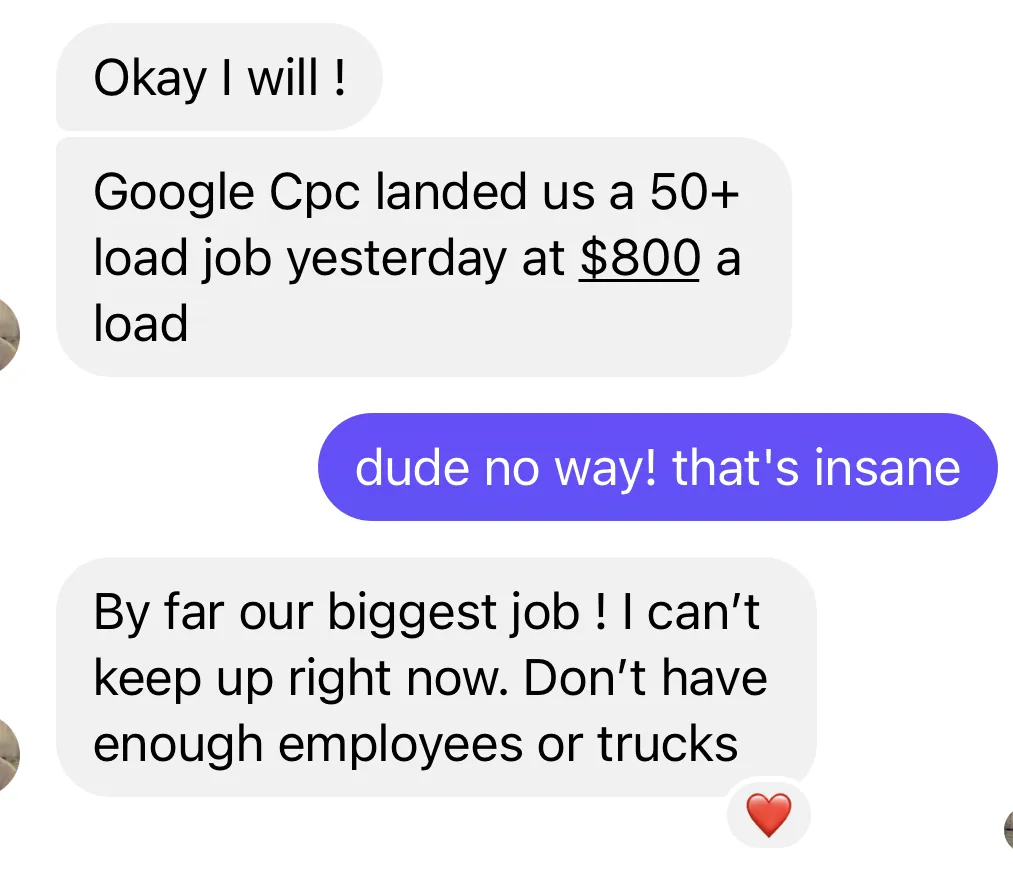
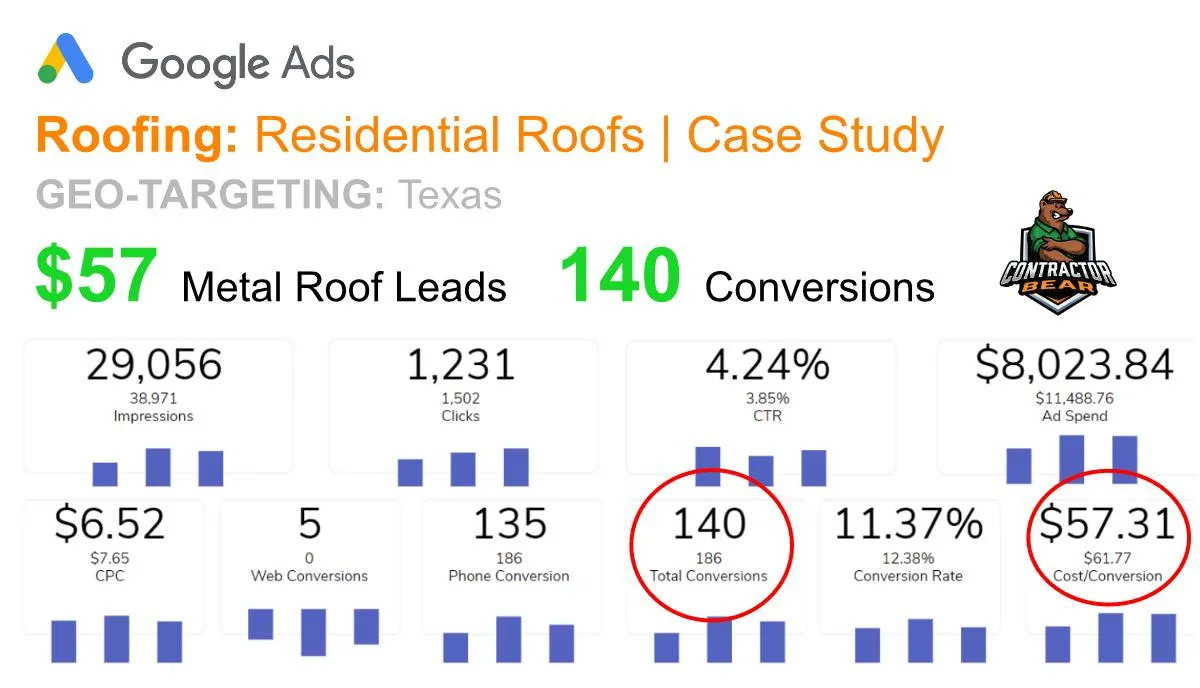
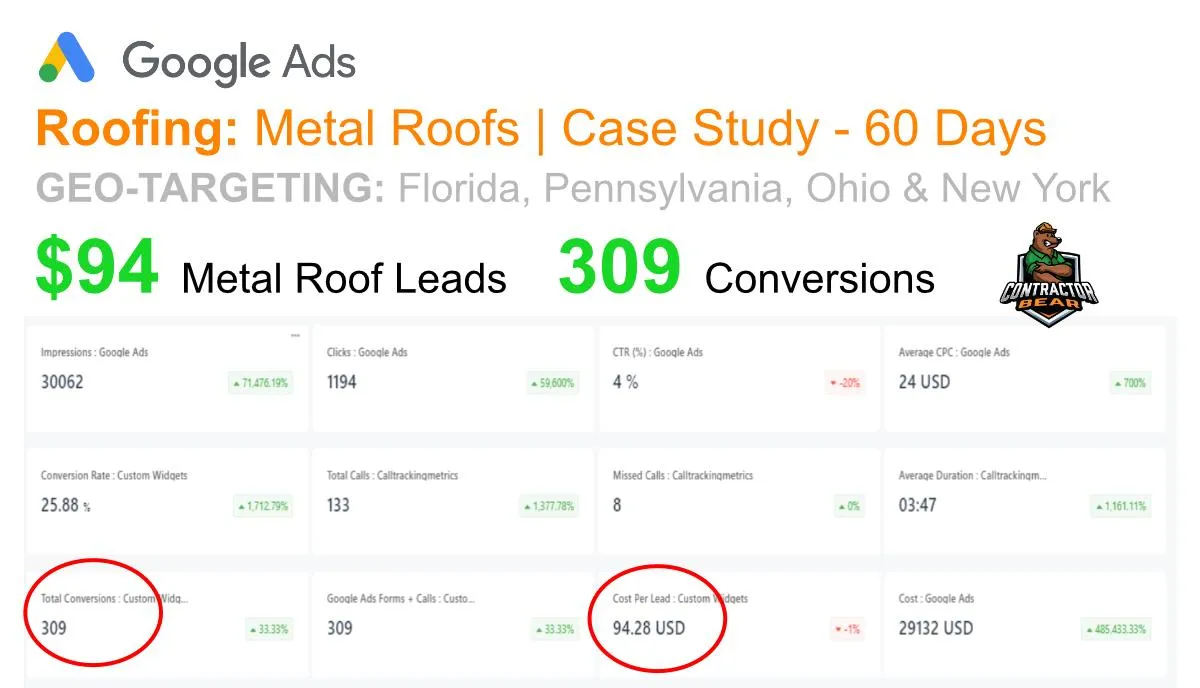
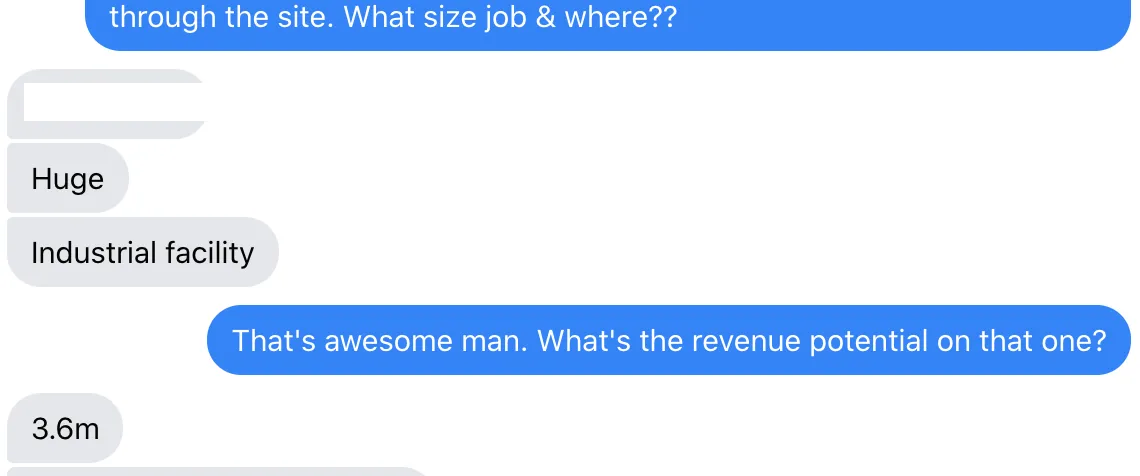
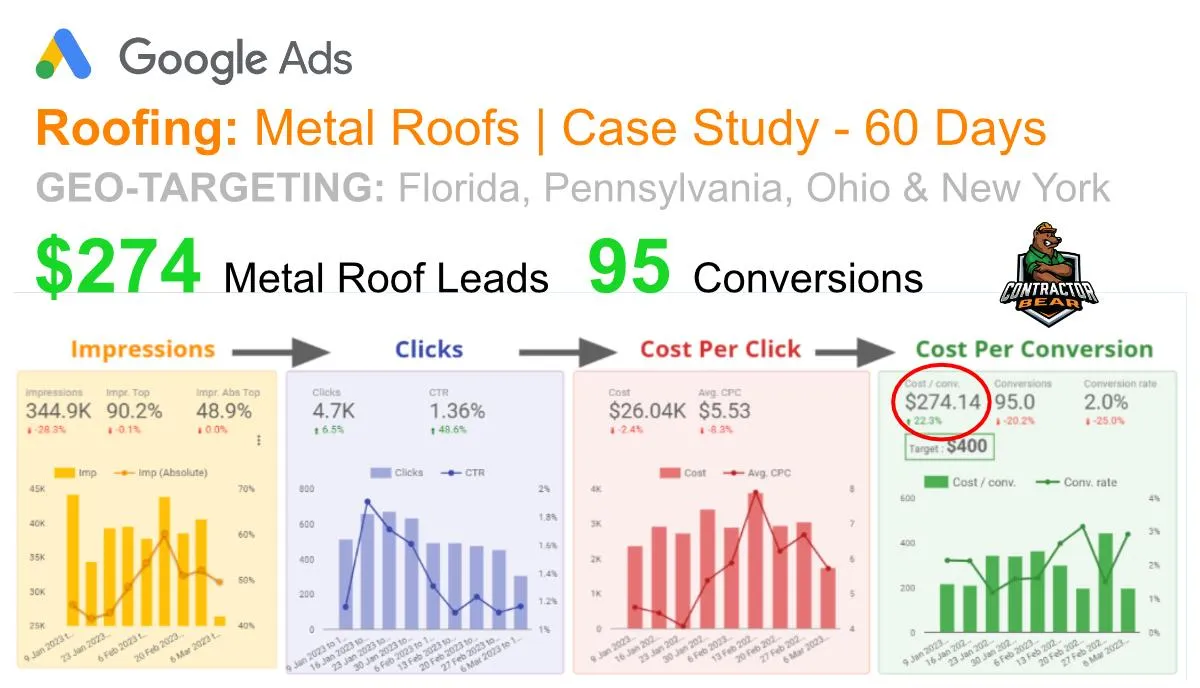
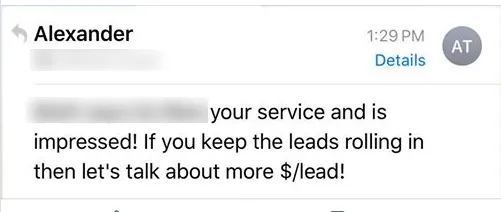
Real Results. Real Contractors.
Screenshots from our actual client dashboards and conversations. No stock photos, no fake numbers.



Packages for Washington Pest Control Companies
Free custom website included with every plan. No setup fees, no long-term contracts.

Cub
Start building pipeline
- Google Business Profile optimization
- Local SEO foundation
- Review generation system
- Bring your own website

Black
Your free website tier
- FREE custom website
- ALL Everything in Cub, plus:
- Conversion-optimized site
- Call tracking + Growth Hub CRM

Grizzly
Accelerate your pipeline
- ALL Everything in Black, plus:
- Content marketing & blog
- Advanced review management
- City + service landing pages

Polar
Own your market
- ALL Everything in Grizzly, plus:
- Google Ads management
- Full-funnel lead nurturing
- Dedicated account manager
You only move up when we deliver. Tier upgrades trigger automatically when your attributed-lead count clears each threshold, with phone, email, and text notification before any price change. Attribution is limited to leads generated by our marketing — never your existing customers, referrals, or word-of-mouth.
Pest Control SEO FAQ
How long does it take to rank on the first page of Google for pest control in Washington DC?
For most pest control companies starting from a weak or non-existent SEO foundation, reaching page one for competitive terms like 'pest control Washington DC' typically takes 4–6 months of consistent, strategic work. Less competitive terms — neighborhood-specific searches like 'exterminator Capitol Hill' or service-specific terms like 'termite inspection DC' — can rank within 6–10 weeks. The timeline depends heavily on your site's current authority, the quality and quantity of your existing citations and reviews, and how aggressively your direct competitors are investing in SEO. We set realistic expectations from day one and share monthly ranking reports so you can see progress building toward peak season.
How much does pest control SEO cost compared to what I'd spend on Google Ads in DC?
In Washington DC's pest control market, Google Ads typically runs $45–$150 per lead with a 10% close rate — meaning you're paying $450–$1,500 to acquire each customer. SEO-generated leads cost $15–$40 each with a 20–25% close rate, putting your cost per acquisition at $60–$200. The upfront investment in SEO is typically $1,500–$3,000 per month for a competitive DC market, but unlike ads, that investment builds permanent ranking assets. By month 6, most clients see their SEO generating 30–50+ organic leads per month — leads that continue arriving even if you reduce spend. For a pest control company with a $1,500 customer lifetime value, the ROI math is straightforward.
Does my pest control company need a separate page for every service I offer in DC?
Yes — this is one of the most impactful structural decisions you can make for pest control SEO in Washington. Google's algorithm rewards specificity and depth. A single 'pest control' page cannot simultaneously rank for 'termite treatment DC,' 'bed bug exterminator Washington DC,' 'rodent control Capitol Hill,' and 'mosquito control DC Metro' — these are distinct search intents with different audiences and decision processes. Building individual, substantive service pages — at least 600–800 words each, with specific information about that pest type, treatment methodology, DC-specific context, and pricing guidance — allows you to capture ranking position across your entire service menu rather than competing for a single generic term.
Will SEO help me compete against Orkin and Terminix in Washington DC?
Absolutely — in fact, local operators have several structural advantages over national brands in local SEO. National chains have strong domain authority but consistently weak neighborhood-level relevance, slow review response times, and generic content that fails to address DC-specific pest pressures. Google's local algorithm heavily weights proximity, review recency, and content relevance — areas where a locally owned, actively managed pest control company can outperform a national brand with a larger marketing budget. We've helped local pest control operators outrank Orkin and Terminix for specific DC neighborhoods and service terms within 4–5 months by focusing on exactly these local signals that national brands neglect.
What SEO tactics specifically drive recurring prevention plan clients in Washington DC?
Ranking for recurring service keywords requires a different content strategy than one-time treatment searches. We build pages targeting searches like 'quarterly pest control plan Washington DC,' 'year-round pest prevention DC,' and 'annual termite monitoring program.' These pages explain the specific pests Washington homeowners face across all four seasons — spring termite swarms, summer mosquitoes and ants, fall rodent entry, winter cockroach infestations in older housing — and position a prevention plan as the cost-effective alternative to repeated emergency treatments. We also optimize your GBP with prevention plan services and create FAQ content addressing the value of prevention over reaction, which converts the research-oriented DC homeowner who's weighing long-term options.
Pest Control SEO in Nearby Cities
Pest Control SEO in Alexandria →
Alexandria, VA • Pop. 160,530
Pest Control SEO in Baltimore →
Baltimore, MD • Pop. 602,495
Pest Control SEO in Richmond →
Richmond, VA • Pop. 226,610
Pest Control SEO in Virginia Beach →
Virginia Beach, VA • Pop. 459,470
Pest Control SEO in Hampton →
Hampton, VA • Pop. 136,454
Pest Control SEO in Newport News →
Newport News, VA • Pop. 186,247
Pest Control Marketing Resources
Scale Your Pest Control Company →
Comprehensive growth guide for pest control businesses.
All Pest Control Services →
See everything we offer for pest control companies.
Google Business Profile Guide for Contractors →
In-depth article to help grow your business.
How to Get More 5-Star Reviews →
Practical strategies you can implement today.
Get a Free Pest Control SEO Audit for Washington DC
We'll audit your current rankings, identify your fastest growth opportunities, and show you exactly how to reach page one for Washington's highest-value pest control searches — plus build your free website to start generating organic leads within 90 days.