Pest Control SEO in Minneapolis, MN
For Minneapolis pest control companies, organic search delivers leads at $15–40 each with a 20–25% close rate — outperforming Google Ads on both cost and quality. SEO is the highest-ROI channel to build recurring revenue in the Twin Cities market.
By Contractor Bear Team • March 2026
Get Your Free Minneapolis Pest Control Audit
See exactly where you're losing leads to your top 3 pest control competitors in Minneapolis. No sales call required.
Why SEO Is the #1 Growth Channel for Minneapolis Pest Control Companies
Top 8 Local SEO Ranking Factors for Pest Control
What actually moves the needle for pest control companies in Minneapolis.
Google Business Profile
The Google Map Pack appears at the top of local pest control searches in Minneapolis — above all organic results. Companies in the top 3 map positions capture the majority of clicks for searches like 'pest control Minneapolis' and 'exterminator near me.' GBP is the single highest-leverage asset for local visibility.
Our approach: We fully optimize your GBP with service-specific categories (pest control, exterminator, termite control), complete service menus with pricing ranges, geo-tagged photos of your trucks and technicians, weekly posts during peak season, and Q&A seeding for common Minneapolis pest concerns like mice, carpenter ants, and bed bugs.
On-Page SEO
Google needs clear signals to understand what services you offer, where you serve, and who you serve. Weak on-page optimization means Google may rank a national chain or directory over your local business — even when you have more relevant experience in Minneapolis neighborhoods.
Our approach: We build dedicated service pages for each pest type (rodents, termites, bed bugs, mosquitoes, wildlife) and each service area within the Minneapolis metro. Every page gets optimized title tags, H1s, schema markup, internal linking, and 800–1,200 words of locally-relevant content that addresses Minneapolis-specific pest pressures.
Reviews and Ratings
93% of pest control customers read reviews before booking, and Google uses review velocity, volume, and rating as direct ranking signals for local pack placement. A pest control company with 12 reviews will lose Map Pack spots to a competitor with 180 — even with inferior service.
Our approach: We implement an automated post-job review request system via SMS and email, train your office staff on asking at checkout, and create a direct Google review link for every technician's follow-up message. We also build a response strategy for negative reviews to protect your reputation score.
Local Citations
Citations — mentions of your business name, address, and phone number (NAP) across directories — are a foundational trust signal for Google. Inconsistent NAP data across Yelp, Angi, BBB, and pest-control-specific directories confuses Google and suppresses local rankings.
Our approach: We audit all existing citations for NAP consistency, correct discrepancies, and build new citations across 60+ high-authority directories including Yelp, BBB, Angi, HomeAdvisor, Thumbtack, PestWorld, and local Minneapolis business directories. Clean citation infrastructure is non-negotiable for Map Pack rankings.
Mobile Experience
Over 70% of pest control searches happen on mobile — often in the moment of discovery (a homeowner sees a cockroach and immediately Googles for help). Google uses mobile-first indexing, meaning your mobile site performance directly determines your rankings. Slow or broken mobile sites lose both rankings and calls.
Our approach: We ensure your site passes Core Web Vitals on mobile (LCP under 2.5s, CLS under 0.1), implement click-to-call prominently above the fold, optimize images for mobile load speed, and test the full conversion flow on iOS and Android before any changes go live.
Content Quality and Depth
Google's Helpful Content guidelines reward sites that demonstrate genuine expertise and answer real user questions. Thin, templated pest control pages rank poorly. Educational content about Minneapolis-specific pests, treatment methods, and prevention builds topical authority that elevates your entire domain.
Our approach: We create in-depth pest library pages (carpenter ants in Minneapolis, Norway rats, boxelder bugs), seasonal content calendars aligned to Twin Cities pest patterns, FAQ content targeting zero-click search queries, and case study pages showcasing actual treatment results — all written with E-E-A-T in mind.
Backlinks
Links from authoritative local websites signal to Google that your pest control business is a trusted, established resource in Minneapolis. Without quality backlinks, even perfectly optimized pages struggle to outrank national competitors who dominate with domain authority.
Our approach: We pursue local link-building through Minneapolis neighborhood associations, HOA newsletters, local news features on seasonal pest issues (spring carpenter ants, fall rodent invasions), partnerships with real estate agents and property managers, and guest content on home improvement blogs serving the Twin Cities market.
Technical SEO
Technical issues — slow load times, crawl errors, duplicate content, broken redirects, missing schema — silently suppress rankings across your entire site. Many pest control companies have never had a technical audit and are bleeding organic traffic due to fixable infrastructure issues.
Our approach: We conduct a full technical audit covering site speed (Core Web Vitals), XML sitemap health, robots.txt configuration, canonical tags, structured data markup (LocalBusiness, Service, FAQPage schema), HTTPS security, and crawl budget optimization — then fix every identified issue before moving to content and link work.
SEO vs Paid Ads for Pest Control Companies
| Factor | SEO | Google Ads | Facebook Ads |
|---|---|---|---|
| Cost Per Lead | $15-40 | $45-150 | $25-80 |
| Close Rate | 20-25% | 8-12% | 5-8% |
| Time to Results | 3-6 months | Immediate | 1-2 weeks |
| Long-term Value | Compounds over time | Stops when you stop paying | Stops when you stop paying |
| Trust Level | High (earned placement) | Medium (paid label) | Low (interruptive) |
| Lead Quality | High intent | High intent | Lower intent |
Step-by-Step Local SEO for Minneapolis Pest Control Companies
Claim and Fully Optimize Your Google Business Profile
Your Google Business Profile is the engine of local search visibility in Minneapolis. Start by claiming and verifying your listing if you haven't already. Then go beyond the basics: select all applicable primary and secondary categories (Pest Control Service, Exterminator, Termite Control Service), upload 15–25 geo-tagged photos of your trucks, technicians, and completed jobs across Minneapolis neighborhoods. Add every service you offer with descriptions and price ranges. Set your service area to include Minneapolis and surrounding Twin Cities communities. Enable messaging and maintain response times under one hour. Post weekly updates during spring and summer peak season — Google rewards active, maintained profiles with higher Map Pack placement.
Build a Clean, Consistent Local Citation Profile
Citations across business directories validate your business's legitimacy and location to Google. Begin with the top-tier platforms — Yelp, Angi, HomeAdvisor, BBB, Thumbtack, and Nextdoor — ensuring your business name, address, and phone number are identical across every listing, including punctuation and abbreviations. Then expand to pest-control-specific directories like PestWorld and NPMA's find-a-pro tool, plus Minneapolis and Minnesota local directories. Any inconsistency in your NAP data — even minor differences like 'St.' vs 'Street' — creates trust signals that suppress your Map Pack rankings. Run a full citation audit first, fix discrepancies, then build new listings systematically.
Build Dedicated Service and Location Pages
A single generic 'services' page cannot rank for the dozens of high-intent pest control searches in Minneapolis. You need dedicated pages for each pest type and service category: rodent control Minneapolis, termite treatment Minneapolis, bed bug exterminator Minneapolis, mosquito control Twin Cities, and wildlife removal Minneapolis. Each page should be 800–1,200 words, include locally-relevant details (e.g., Norway rats in Minneapolis basements, carpenter ants in older Craftsman homes), target a primary keyword with natural variations, include FAQ schema, and feature a clear call-to-action. Internal links between service pages build topical authority signals that lift your entire domain's rankings.
Generate Reviews Systematically and Respond to All of Them
Reviews are a direct local ranking signal and a critical conversion factor — 93% of pest control customers read reviews before booking. Build a repeatable post-job process: send an SMS review request within two hours of job completion with a direct link to your Google review form. Train technicians to verbally ask satisfied customers. Respond to every review — five-star and one-star alike — within 24 hours. A thoughtful response to a negative review demonstrating professionalism often converts skeptical leads better than a five-star review. Target a minimum of 50 Google reviews before shifting to reputation maintenance mode. Prioritize Google first, then Yelp and Facebook.
Create Seasonal and Locally-Relevant Pest Content
Minneapolis pest patterns are highly predictable — carpenter ants emerge in April and May as temperatures rise above 50°F, mosquitoes peak June through August, rodents begin seeking warmth in October as nights cool, and boxelder bugs invade homes in fall. Build a content calendar around these seasonal inflection points, publishing educational articles two to four weeks before each peak search period. Target question-based queries: 'why do I have carpenter ants in spring Minneapolis,' 'how to prevent mice in Minneapolis winter,' 'are boxelder bugs dangerous.' This content builds topical authority, captures informational traffic, and funnels readers toward your service pages and call-to-action.
Earn Quality Local Backlinks from Minneapolis Sources
Backlinks from respected Minneapolis websites are votes of confidence that push your domain above national directories and chains. Start with the easiest wins: your local Chamber of Commerce listing, Minneapolis Area Association of Realtors partner directory (property managers and realtors refer pest control constantly), and neighborhood association websites in areas like Southwest Minneapolis, Northeast, and St. Paul. Pitch seasonal pest stories to Minneapolis Star Tribune home section and local neighborhood blogs — a quote in a 'how to prevent mice this winter' article earns a backlink and builds brand authority simultaneously. Also pursue links from HOA management companies and property management firms serving multifamily buildings across the Twin Cities.
Minneapolis Pest Control SEO Landscape
5 SEO Mistakes Pest Control Companies Make
One Generic 'Services' Page for All Pests
Many Minneapolis pest control companies lump every service — rodents, termites, bed bugs, mosquitoes, wildlife — onto a single page. Google cannot rank a generic page for specific high-intent queries like 'termite treatment Minneapolis' or 'bed bug exterminator Minneapolis.' You're forcing one page to compete against competitors who have dedicated, in-depth pages for each pest type.
Fix: Create individual service pages for every major pest and treatment type you offer. Each page should be 800–1,200 words, target a specific keyword, and include Minneapolis-specific details about that pest's local behavior, seasonality, and treatment approach.
Ignoring Seasonal Content Timing
Minneapolis pest control demand is intensely seasonal. Companies that publish spring content in May — when carpenter ant calls are already flooding in — miss the ranking window entirely. Google takes weeks to index and rank new content, meaning late publishers are competing for a cycle that's already peaked. This mistake repeats every year and costs thousands in missed organic leads.
Fix: Build a seasonal content calendar in January for the full year. Publish spring pest content in February and March, summer mosquito and general pest content in April, fall rodent prevention content in August and September. Early publication captures ranking positions before competitors and before search demand spikes.
Not Responding to Negative Reviews
Pest control companies are uniquely vulnerable to negative reviews — chemical concerns, perceived inefficacy after a single treatment, and competitive smear campaigns from rival operators. Ignoring negative reviews signals to both Google and prospective customers that you don't stand behind your work. In a market where 93% of customers read reviews, unaddressed criticism is a direct conversion killer.
Fix: Assign one person to monitor and respond to all reviews within 24 hours. Negative responses should acknowledge the concern, offer a specific resolution, and invite the customer to call directly — never argue publicly. A professional, empathetic negative review response frequently converts skeptical readers into customers.
Skipping LocalBusiness and Service Schema Markup
Schema markup is structured data that tells Google explicitly what your business is, what services you offer, where you're located, and what customers say about you. Most pest control websites in Minneapolis have zero schema implementation, leaving significant ranking signal and SERP feature opportunities (star ratings, FAQ rich results) on the table. This is a technical mistake that costs ongoing visibility.
Fix: Implement LocalBusiness schema on your homepage and contact page with your complete NAP, hours, service area, and geo-coordinates. Add Service schema to each service page. Add FAQPage schema to any page with question-and-answer content. These markup implementations are one-time technical tasks with lasting ranking benefits.
Targeting Only Broad City Keywords
Competing exclusively for 'pest control Minneapolis' means fighting national chains and established local operators with years of domain authority. Many Minneapolis pest control companies exhaust their SEO budget chasing broad terms they can't realistically rank for in 12 months, while ignoring dozens of low-competition neighborhood and pest-specific searches where they could dominate quickly.
Fix: Build a keyword strategy that targets three tiers: broad city terms (pest control Minneapolis), neighborhood terms (exterminator Uptown Minneapolis, rodent control Edina), and pest-specific terms (carpenter ant treatment Minneapolis, bed bug exterminator Minnetonka). Neighborhood and pest-specific keywords have lower competition, faster ranking timelines, and often higher conversion intent.
Real Results: Pest Control SEO Case Study
Pest Control company in Bloomington, Minnesota
Before
After
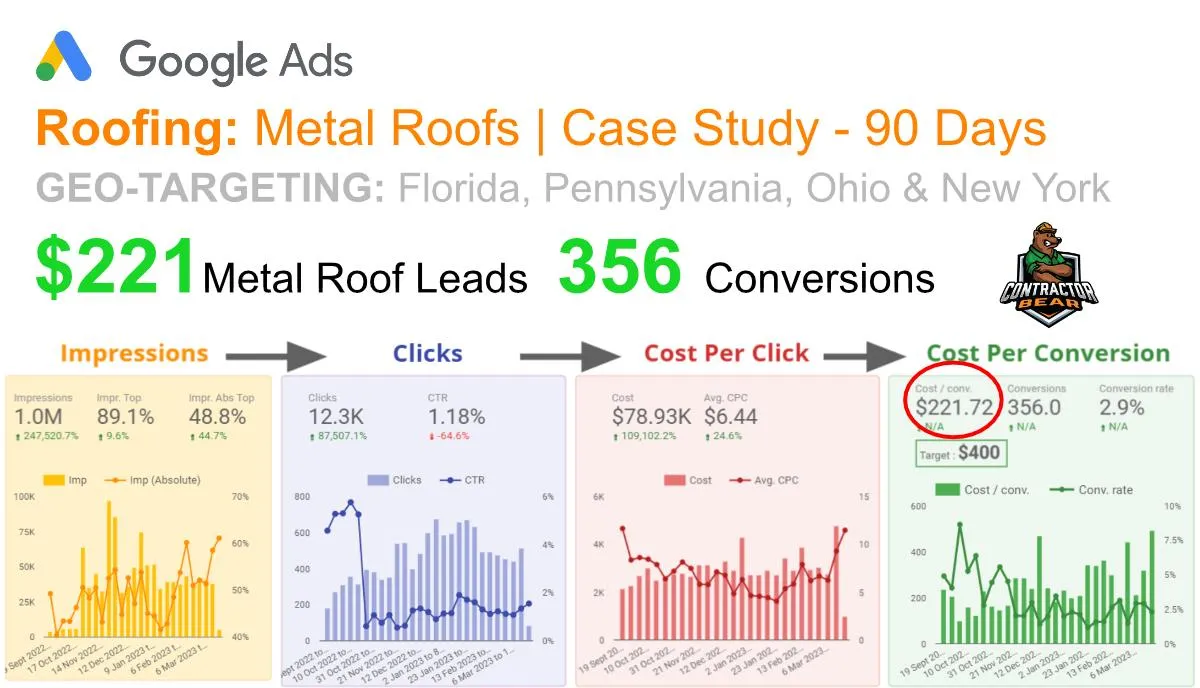
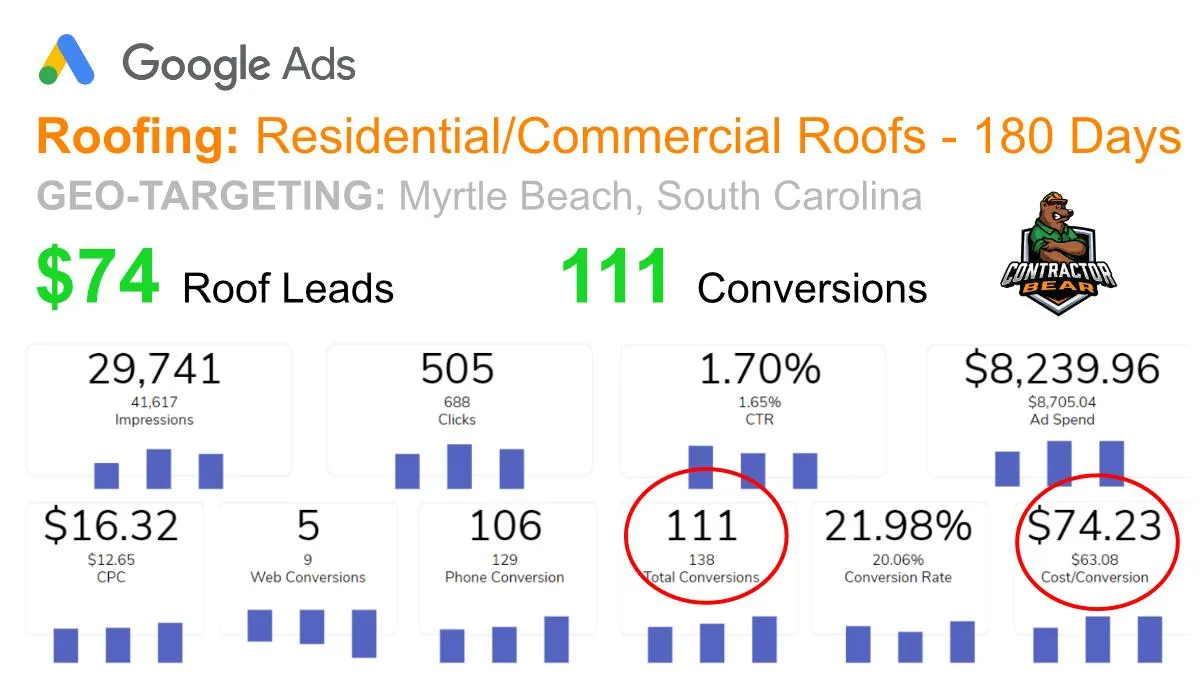
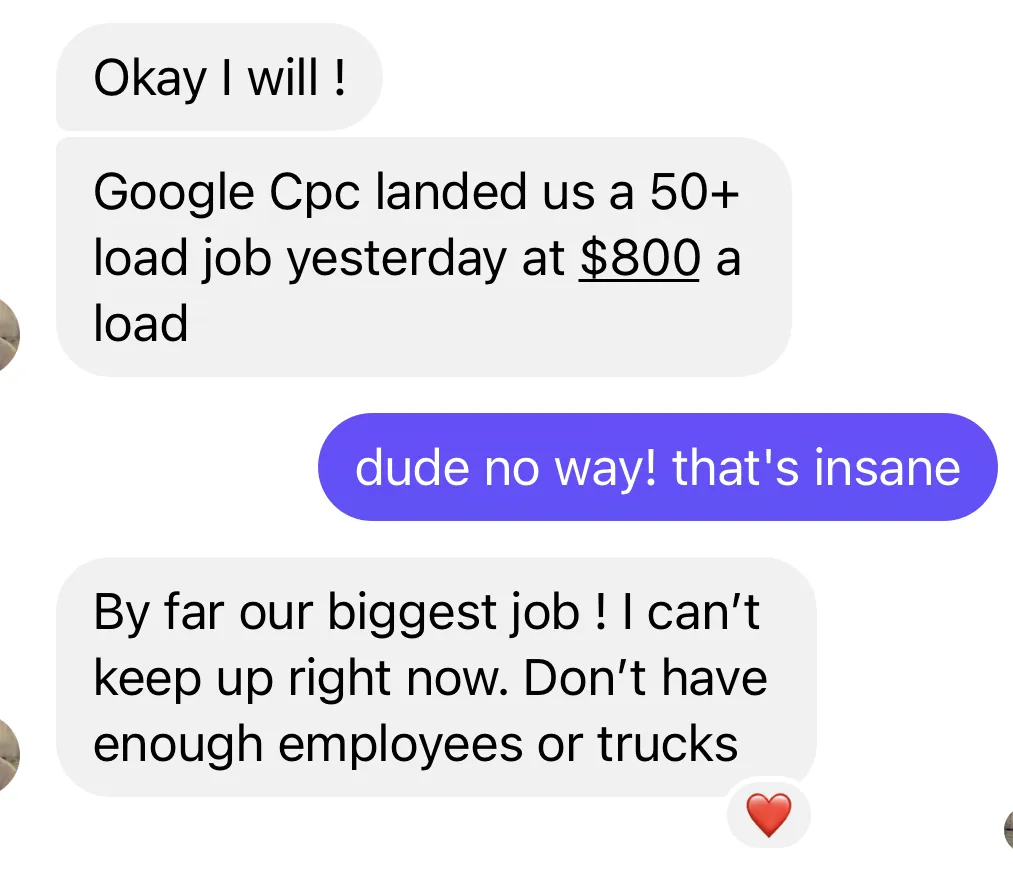
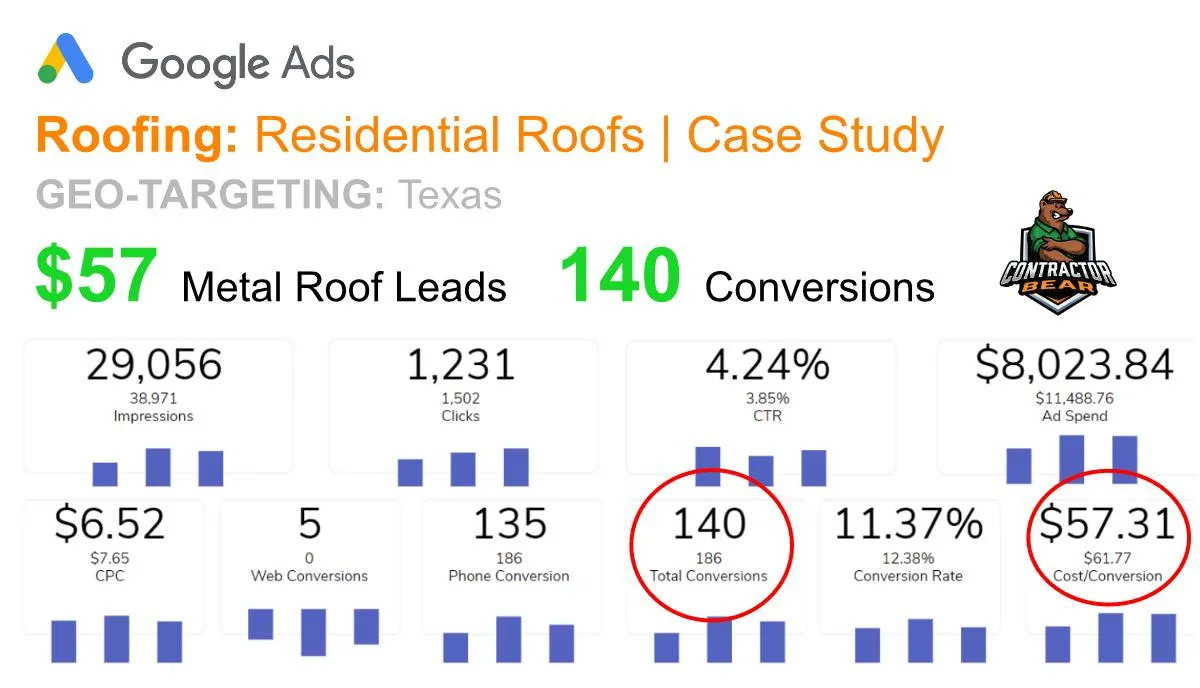
Real Results. Real Contractors.
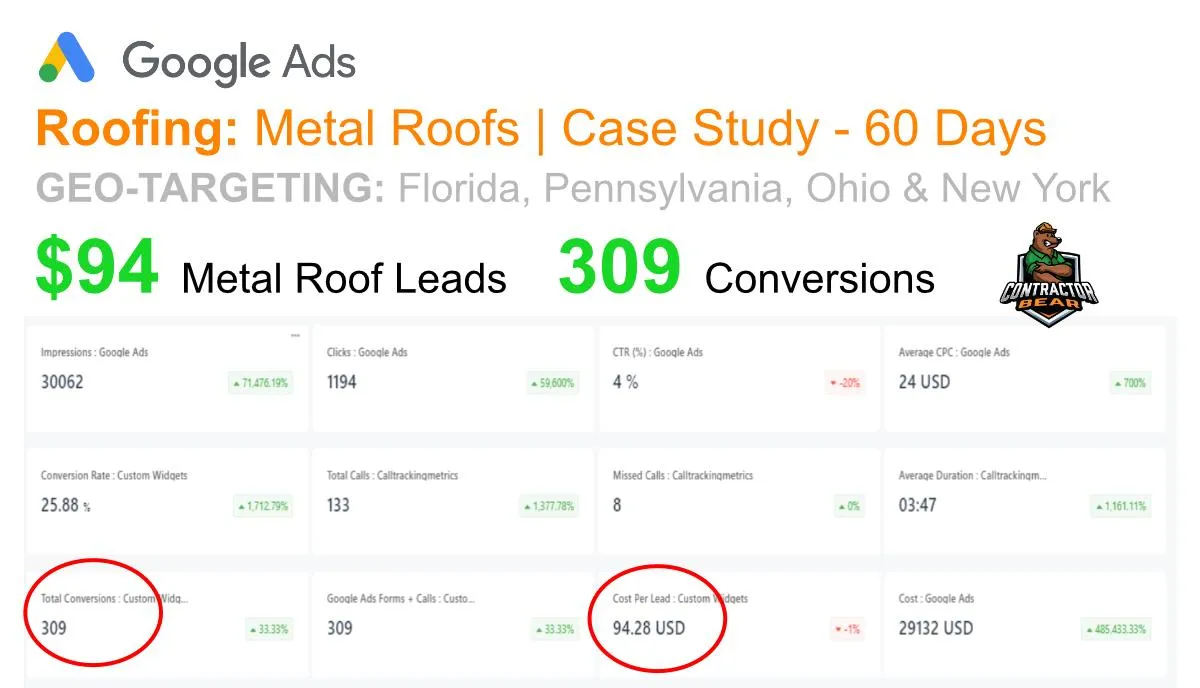
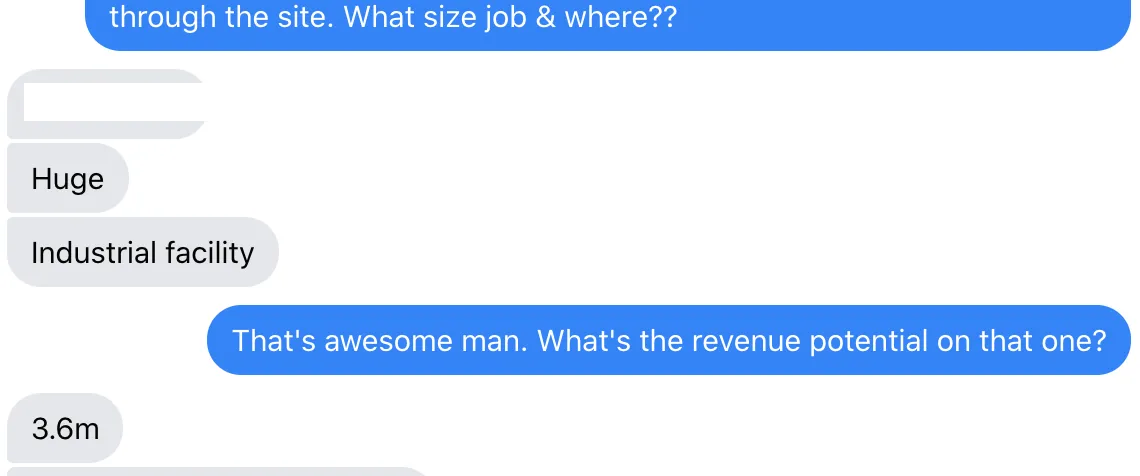
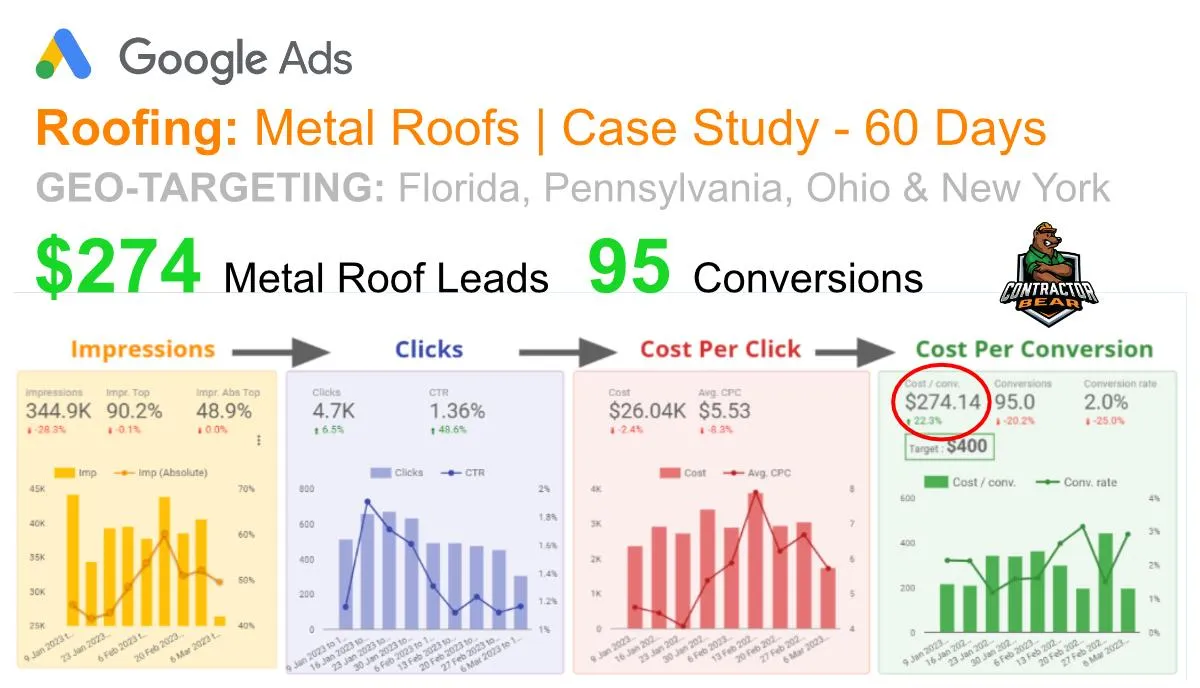
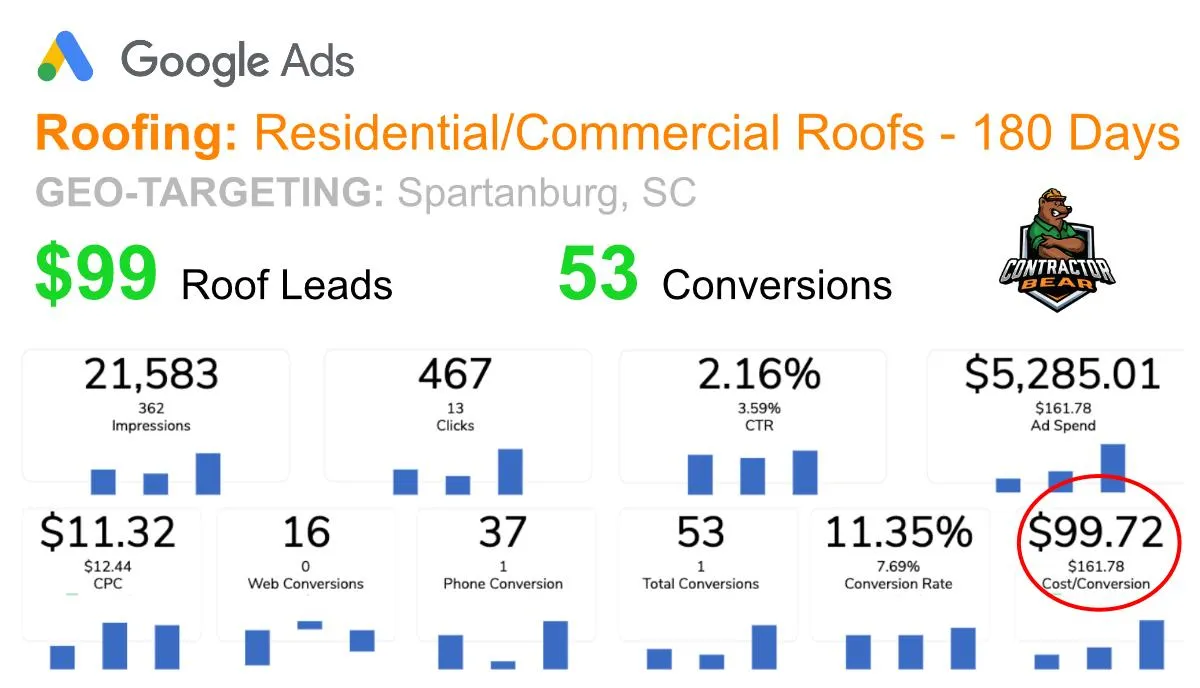
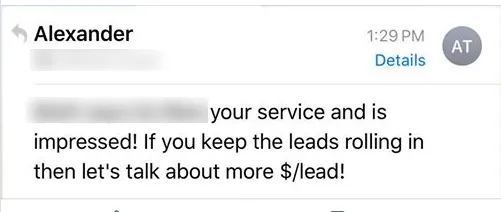
Screenshots from our actual client dashboards and conversations. No stock photos, no fake numbers.




Packages for Minneapolis Pest Control Companies
Free custom website included with every plan. No setup fees, no long-term contracts.

Cub
Start building pipeline
- Google Business Profile optimization
- Local SEO foundation
- Review generation system
- Bring your own website

Black
Your free website tier
- FREE custom website
- ALL Everything in Cub, plus:
- Conversion-optimized site
- Call tracking + Growth Hub CRM

Grizzly
Accelerate your pipeline
- ALL Everything in Black, plus:
- Content marketing & blog
- Advanced review management
- City + service landing pages

Polar
Own your market
- ALL Everything in Grizzly, plus:
- Google Ads management
- Full-funnel lead nurturing
- Dedicated account manager
You only move up when we deliver. Tier upgrades trigger automatically when your attributed-lead count clears each threshold, with phone, email, and text notification before any price change. Attribution is limited to leads generated by our marketing — never your existing customers, referrals, or word-of-mouth.
Pest Control SEO FAQ
How long does it take for pest control SEO to work in Minneapolis?
Most Minneapolis pest control companies see measurable movement — improved rankings and early organic leads — within 90 days of starting a properly executed SEO campaign. Significant results, meaning consistent Map Pack placement for target keywords and 15–30 organic leads per month, typically materialize between months 4 and 7. Timeline depends on your starting point: a site with zero citations and no GBP optimization moves faster in the early months than one that needs technical remediation first. The key variable is consistency — SEO compounds over time, and companies that maintain their effort for 12+ months see exponentially greater returns than those who start and stop.
What does pest control SEO cost in Minneapolis, and what ROI should I expect?
Professional pest control SEO in Minneapolis typically runs $1,500–3,500 per month depending on the scope of services and competitiveness of your target keywords. At a $15–40 organic CPL and a $175 average job value — with a 75% repeat rate creating $1,500 lifetime customer value — the ROI math is straightforward. If your SEO program generates 30 organic leads per month at a 20% close rate, that's 6 new customers per month, each worth $1,500 over their lifetime. That's $9,000 in lifetime value added monthly from a $2,000–3,000 SEO investment. Unlike paid ads, those rankings and the leads they generate continue compounding after your initial investment.
Should I focus on Google Ads or SEO first for my Minneapolis pest control company?
If you need leads immediately — within the next 30 days — Google Ads is the right starting point. Paid search delivers same-day results. However, at $45–150 per lead with an 8–12% close rate, Google Ads for pest control in Minneapolis can cost $375–1,875 per acquired customer. SEO's $15–40 CPL and 20–25% close rate makes it dramatically more efficient long-term. The ideal approach is to run Google Ads for immediate revenue while simultaneously investing in SEO — then reduce ad spend as organic rankings mature, typically around month 6–9. Companies that only run paid ads remain dependent on that spend indefinitely; companies that invest in SEO build an asset that appreciates.
How important are Google reviews for pest control SEO in Minneapolis?
Reviews are one of the three most critical ranking factors for Google Map Pack placement — alongside proximity and relevance. For Minneapolis pest control specifically, where 93% of customers read reviews before booking, your review profile directly impacts both your rankings and your conversion rate on every page visit. Companies with fewer than 25 reviews consistently lose Map Pack spots to competitors with 100+, even when the smaller company has better on-page optimization. We recommend targeting a minimum of 50 Google reviews before you can reliably hold a top-3 Map Pack position in Minneapolis, then maintaining a review acquisition pace of 5–10 new reviews per month to sustain and grow your placement.
What pest control keywords should I be targeting in Minneapolis?
Your keyword strategy should cover three tiers. Tier 1 are high-volume city terms: 'pest control Minneapolis,' 'exterminator Minneapolis,' 'rodent control Minneapolis' — competitive but worth targeting for long-term authority. Tier 2 are service-specific terms with strong commercial intent: 'termite treatment Minneapolis,' 'bed bug exterminator Minneapolis,' 'mosquito control Twin Cities,' 'wildlife removal Minneapolis' — less competitive and highly profitable. Tier 3 are neighborhood and hyperlocal terms: 'pest control Uptown Minneapolis,' 'exterminator Edina,' 'rodent control Bloomington MN' — lowest competition, fastest to rank, often highest conversion rate. A well-executed Minneapolis pest control SEO strategy targets all three tiers simultaneously with dedicated content for each.
Pest Control SEO in Nearby Cities
Pest Control SEO in St. Paul →
St. Paul, MN • Pop. 311,527
Pest Control SEO in Madison →
Madison, WI • Pop. 272,903
Pest Control SEO in Milwaukee →
Milwaukee, WI • Pop. 577,222
Pest Control SEO in Sioux Falls →
Sioux Falls, SD • Pop. 195,850
Pest Control SEO in Des Moines →
Des Moines, IA • Pop. 214,133
Pest Control Marketing Resources
Scale Your Pest Control Company →
Comprehensive growth guide for pest control businesses.
All Pest Control Services →
See everything we offer for pest control companies.
Google Business Profile Guide for Contractors →
In-depth article to help grow your business.
How to Get More 5-Star Reviews →
Practical strategies you can implement today.
Get a Free Pest Control SEO Audit for Minneapolis
We'll show you exactly where your site ranks today, what's holding you back, and how to reach page one — plus your free custom website is ready to launch before your first organic lead arrives.