Pest Control SEO in St. Paul, MN
For St. Paul pest control companies, organic search delivers leads at $15–$40 CPL with a 20%+ close rate — outperforming every paid channel. SEO is the only marketing investment that compounds: rankings you earn in month six keep generating calls in year three.
By Contractor Bear Team • March 2026
Get Your Free St. Paul Pest Control Audit
See exactly where you're losing leads to your top 3 pest control competitors in St. Paul. No sales call required.
Why SEO Is the #1 Growth Channel for St. Paul Pest Control Companies
Top 8 Local SEO Ranking Factors for Pest Control
What actually moves the needle for pest control companies in St. Paul.
Google Business Profile
GBP is the single most influential factor for appearing in the Local 3-Pack — the map results that appear above organic listings for searches like 'pest control St. Paul.' The 3-Pack captures 44% of all local search clicks, making GBP optimization foundational for any pest control company.
Our approach: We claim and fully optimize your GBP with accurate NAP data, service categories (pest control, exterminator, termite treatment), service areas covering St. Paul neighborhoods, 25+ photos of trucks, team, and job sites, Q&A seeding, and weekly Google Posts to signal active engagement to the algorithm.
On-Page SEO
Google's crawlers read your website to understand what services you offer and where you operate. Thin, generic pages signal low relevance. For pest control in St. Paul, pages optimized around specific services (termite treatment, rodent control) and specific locations rank significantly higher than catch-all pages.
Our approach: We build dedicated service pages for each offering (general pest, termites, bed bugs, rodents, mosquitoes, wildlife removal) with keyword-optimized H1/H2 tags, semantic keyword clusters, schema markup for LocalBusiness and Service entities, internal linking architecture, and geo-modified meta titles targeting St. Paul and surrounding zip codes.
Reviews & Ratings
Ninety-three percent of consumers read reviews before hiring a pest control company — and reviews directly influence both ranking and conversion. Google uses review velocity, volume, and recency as local ranking signals. A pest control company with 150 reviews outranks an identical competitor with 20 reviews, even with the same physical proximity.
Our approach: We implement a post-service review request system via SMS and email, creating a consistent review velocity. We draft professional responses to all reviews (positive and negative) to demonstrate engagement. We monitor and flag fake negative reviews for removal. Target: 10+ new reviews per month, maintaining a 4.5+ star average.
Local Citations
Citations — mentions of your business name, address, and phone number (NAP) across directories like Yelp, Angi, HomeAdvisor, and industry-specific sites — function as trust signals. Inconsistent NAP data across citations confuses Google and suppresses rankings. For pest control, industry directories carry additional authority.
Our approach: We audit all existing citations for NAP consistency, correct discrepancies across 60+ directories, and build new citations on high-authority platforms including Pest World, NPMA member directory, BBB, and local St. Paul Chamber of Commerce listings. We also manage duplicate listing suppression.
Mobile Experience
Over 70% of pest control searches happen on mobile devices — most of them from someone standing in their kitchen or garage who just found the problem. A slow or difficult-to-navigate mobile site causes searchers to hit the back button, which Google interprets as a negative quality signal and lowers your rankings.
Our approach: We audit Core Web Vitals (LCP, FID, CLS) and optimize for a sub-2.5 second load time on mobile. We implement click-to-call buttons prominently on all pages, simplify navigation for thumb-friendly use, compress images with next-gen formats (WebP), and ensure all forms work flawlessly on iOS and Android.
Content Quality
Google's Helpful Content system rewards pages that genuinely answer user questions over pages that exist purely to rank. For pest control, this means educational content about identification, treatment options, and prevention — content that earns trust before the phone call and signals expertise to search algorithms.
Our approach: We create service-specific content that addresses real consumer questions: 'How do I know if I have termites vs. carpenter ants in St. Paul?', 'What's the cost of bed bug treatment?', 'Are the chemicals safe for pets?' We build seasonal content calendars aligned with St. Paul's spring/summer pest surge and winter rodent infiltration season.
Backlinks
Backlinks from authoritative websites are endorsements in Google's eyes. A pest control company with quality backlinks from local news outlets, real estate agents, property management companies, and home service directories ranks higher than competitors with no inbound link profile.
Our approach: We execute a local link-building strategy targeting St. Paul neighborhood blogs, Twin Cities real estate associations, property management company partnerships, local chamber of commerce listings, and pest industry publications. We create linkable assets (e.g., 'St. Paul Pest Seasonal Guide') that earn organic links over time.
Technical SEO
Technical issues — slow load times, duplicate content, crawl errors, missing schema markup — create an invisible ceiling on how high you can rank. Google cannot rank a site it cannot properly crawl and index. Many pest control websites built on templated platforms have technical debt that silently suppresses rankings.
Our approach: We conduct a full technical audit: sitemap submission, robots.txt configuration, canonical tag implementation to eliminate duplicate location pages, structured data markup (LocalBusiness, FAQ, Service schema), 301 redirect management, HTTPS enforcement, and Core Web Vitals optimization. We use Google Search Console to monitor crawl errors and index coverage weekly.
SEO vs Paid Ads for Pest Control Companies
| Factor | SEO | Google Ads | Facebook Ads |
|---|---|---|---|
| Cost Per Lead | $15-40 | $45-150 | $25-80 |
| Close Rate | 20-25% | 8-12% | 5-8% |
| Time to Results | 3-6 months | Immediate | 1-2 weeks |
| Long-term Value | Compounds over time | Stops when you stop paying | Stops when you stop paying |
| Trust Level | High (earned placement) | Medium (paid label) | Low (interruptive) |
| Lead Quality | High intent | High intent | Lower intent |
Step-by-Step Local SEO for St. Paul Pest Control Companies
Claim & Optimize Your Google Business Profile
Your GBP is the centerpiece of local SEO in St. Paul. Start by claiming your listing at business.google.com and verifying ownership via postcard or phone. Fill every available field: primary category should be 'Pest Control Service,' with secondary categories for exterminator, termite control, and wildlife removal. Set your service area to cover St. Paul plus Roseville, Maplewood, and other neighboring suburbs. Upload 25+ photos — Google rewards active profiles with higher placement. Add all services individually with descriptions and pricing ranges. Enable messaging and respond to every question in the Q&A section. Post a Google Update weekly, even if brief, to signal an active, engaged business to the algorithm.
Build Local Citations
Citations are mentions of your business name, address, and phone number across the web. Consistent NAP data across 60+ directories tells Google you're a legitimate, established business. Start with the major platforms: Yelp, Angi, HomeAdvisor, Thumbtack, and BBB. Then expand to industry-specific directories: NPMA member listings, Pest World, and PestRoutes partner directories. Don't overlook local St. Paul resources: the St. Paul Area Chamber of Commerce, Ramsey County business directory, and neighborhood-specific community boards. Every citation should use identical business name, address, and phone number — even minor inconsistencies like 'St.' vs 'Street' create conflicting signals that suppress rankings.
Optimize Your Website's On-Page SEO
Your homepage alone cannot rank for the dozens of service-and-location keyword combinations your customers search. Build dedicated pages for each core service: general pest control, termite treatment, rodent control, bed bug treatment, mosquito control, and wildlife removal. Each page needs a keyword-optimized title tag (e.g., 'Termite Treatment St. Paul, MN | [Your Company]'), an H1 matching the primary keyword, and 600–900 words of genuinely helpful content. Add LocalBusiness and Service schema markup so Google can parse your business information without ambiguity. Internal links between service pages and your homepage create a logical site architecture that passes authority where it matters most. Every page needs a clear call-to-action and your phone number prominently displayed.
Generate Reviews Systematically
Reviews are both a ranking factor and the conversion mechanism that turns a searcher into a caller. Ninety-three percent of St. Paul homeowners read reviews before hiring a pest control company — your review profile is a sales page. Build a post-job review request system: send a text message 24 hours after service completion with a direct link to your Google review page. Make it frictionless — a two-tap process. Respond professionally to every review within 48 hours; this demonstrates engagement to Google and builds trust with prospective customers reading your profile. Target generating 10+ new reviews per month to maintain velocity. A pest control company with 200 reviews and a 4.7-star average dominates the map pack and wins the conversion battle against less-reviewed competitors.
Create Localized, Educational Content
Google's Helpful Content system rewards websites that genuinely serve user needs. For St. Paul pest control, this means creating content tied to local conditions: blog posts about box elder bugs invading Twin Cities homes in fall, guides on identifying the carpenter ants common to Minnesota's older housing stock, and seasonal checklists for spring termite swarm season. Each piece of content should answer a real question your customers ask, reference St. Paul neighborhoods and conditions where possible, and include a call to action. This content earns organic rankings for long-tail keywords your competitors ignore, drives authority signals to your core service pages via internal links, and positions your company as the local expert — which accelerates conversion when someone is deciding who to call.
Build Quality Local Backlinks
Backlinks from authoritative local and industry websites are one of Google's strongest ranking signals. For St. Paul pest control companies, the most accessible link opportunities include: local real estate agent websites and property management companies (they need pest inspections and referral relationships), neighborhood association websites and community boards in areas like Hamline-Midway and Como Park, Twin Cities home improvement blogs and local news outlets who cover home maintenance topics, and the St. Paul Area Chamber of Commerce member directory. On the industry side, NPMA membership, supplier partner pages, and pest control industry publications all provide high-authority links. Create one high-quality resource — like a 'St. Paul Homeowner's Guide to Seasonal Pest Prevention' — that naturally earns links over time from local real estate and home service websites.
St. Paul Pest Control SEO Landscape
5 SEO Mistakes Pest Control Companies Make
Using a Single Homepage to Rank for All Services
Many St. Paul pest control companies try to rank a single homepage for every service — termites, rodents, bed bugs, mosquitoes, and general pest control — from one page. Google cannot assign strong relevance to a page trying to cover everything. The result is ranking for nothing at all, while competitors with dedicated service pages dominate each individual keyword category.
Fix: Build a dedicated page for each service you offer. Each page should be optimized for that specific service's keyword cluster (e.g., 'termite treatment St. Paul,' 'termite inspection Ramsey County') with unique content, schema markup, and a clear call to action. Internal links from your homepage and other service pages distribute authority across the entire structure.
Ignoring Review Velocity After the First Burst
Pest control companies often run a one-time push to get 20–30 Google reviews, then stop. Google's algorithm values recency and velocity alongside volume. A company with 30 reviews from two years ago and no new activity will be outranked by a competitor with 15 reviews — all from the past 90 days. Stale review profiles also signal to potential customers that the business may no longer be active.
Fix: Implement a permanent, automated post-job review request via SMS or email. Make it a non-negotiable step in your job completion workflow. The goal is consistent velocity — 8–12 new reviews per month — not periodic bursts. Respond to every review to maintain an active, engaged profile that signals trust to both Google and prospective customers.
Skipping Seasonal Content Strategy
Pest control in St. Paul is highly seasonal, but most company websites are static. They don't publish content ahead of termite swarm season, don't target fall rodent infiltration searches in August, and miss the bed bug spike around holiday travel. By the time the season peaks, it's too late — SEO content needs 8–12 weeks of indexing and link building to rank when you need it.
Fix: Build a seasonal content calendar 90 days ahead of each pest surge. Publish content about mosquito prevention in February so it ranks by May. Write about mouse-proofing homes in July to capture September search volume. Align your content publishing schedule with St. Paul's climate calendar, not the moment demand peaks.
Inconsistent NAP Data Across Directories
Many pest control companies have listings spread across Yelp, Angi, HomeAdvisor, Thumbtack, and dozens of other directories — often with slight inconsistencies in business name, address format, or phone number from different signups. Google cross-references these citations to verify a business's legitimacy. Conflicting data creates confusion and suppresses local rankings, particularly in the map pack.
Fix: Conduct a full citation audit using a tool like BrightLocal or Whitespark. Correct every inconsistency so your business name, address, and phone number are character-for-character identical across all directories. Standardize your address format (Street vs. St., Suite vs. Ste.) and ensure every listing uses the same primary phone number that appears on your website.
Neglecting Commercial Pest Control as an SEO Opportunity
Most St. Paul pest control SEO focuses exclusively on residential keywords, ignoring 'commercial pest control St. Paul,' 'restaurant pest control,' and 'property management pest control' — which are less competitive, convert at higher ticket values, and generate recurring contract revenue. A single commercial account often represents $3,000–$8,000/year in recurring revenue versus a residential customer's $500–$800.
Fix: Create a dedicated commercial pest control service page targeting commercial keyword variations. Develop specific sub-pages for restaurant pest control, property management pest control, and office building pest control in St. Paul. Include content about health code compliance, inspection preparation, and IPM programs that resonate with commercial decision-makers searching for solutions.
Real Results: Pest Control SEO Case Study
Pest Control company in Rochester, Minnesota
Before
After
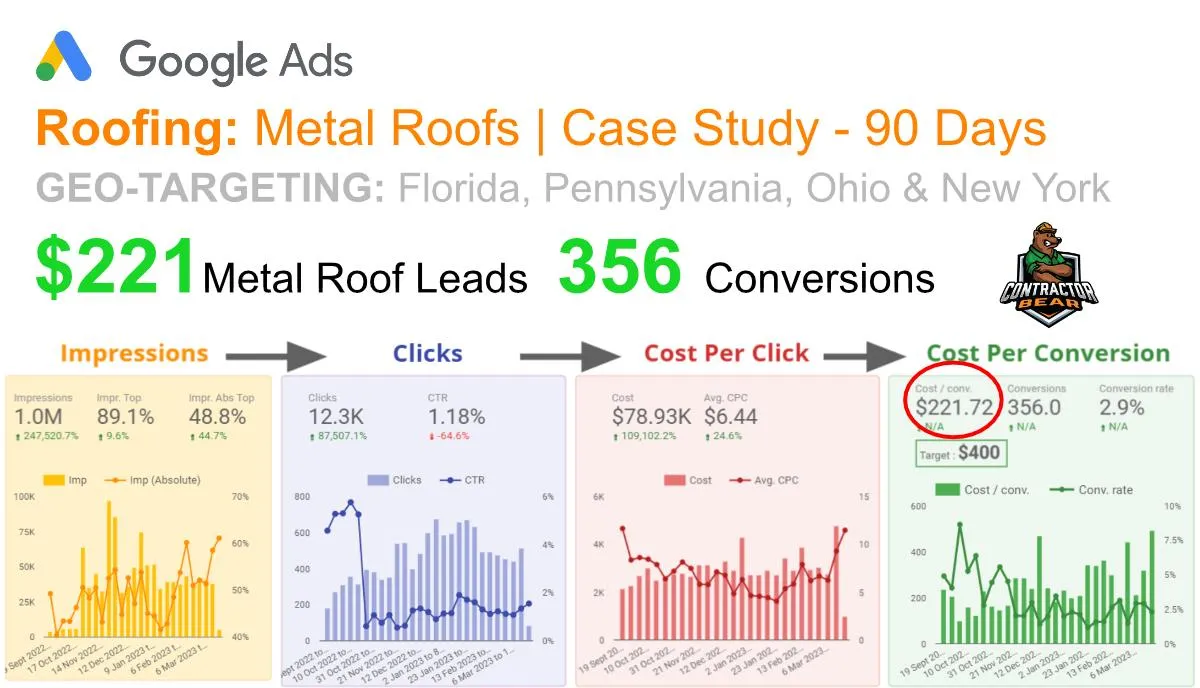
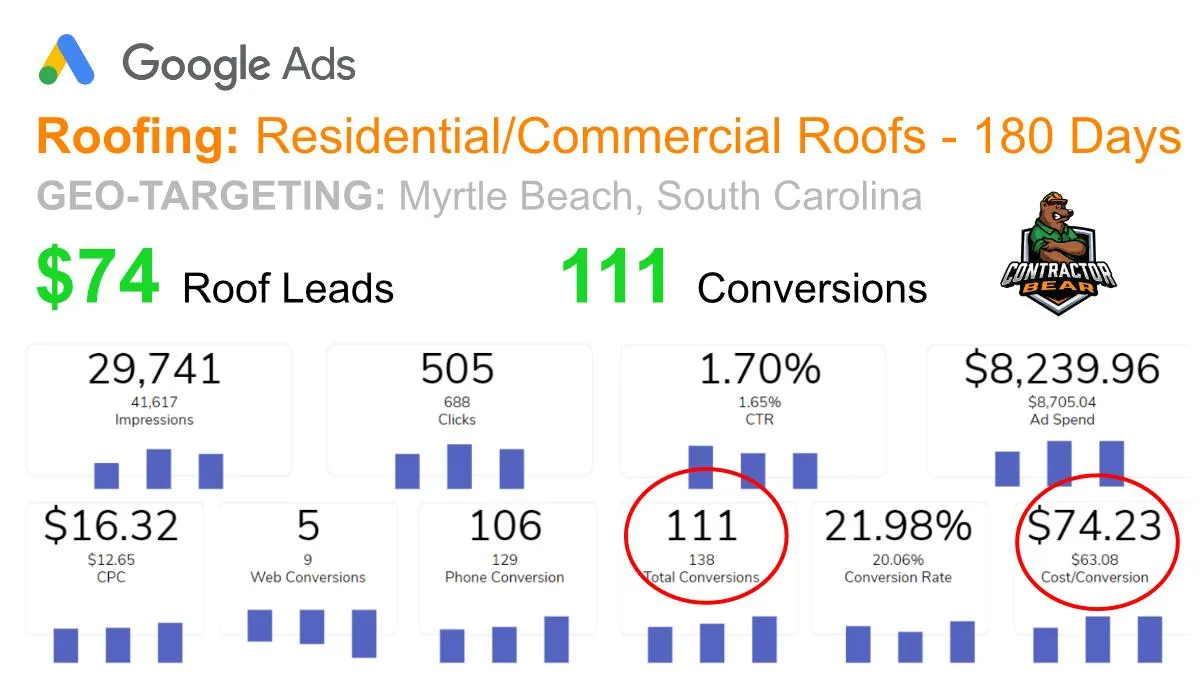
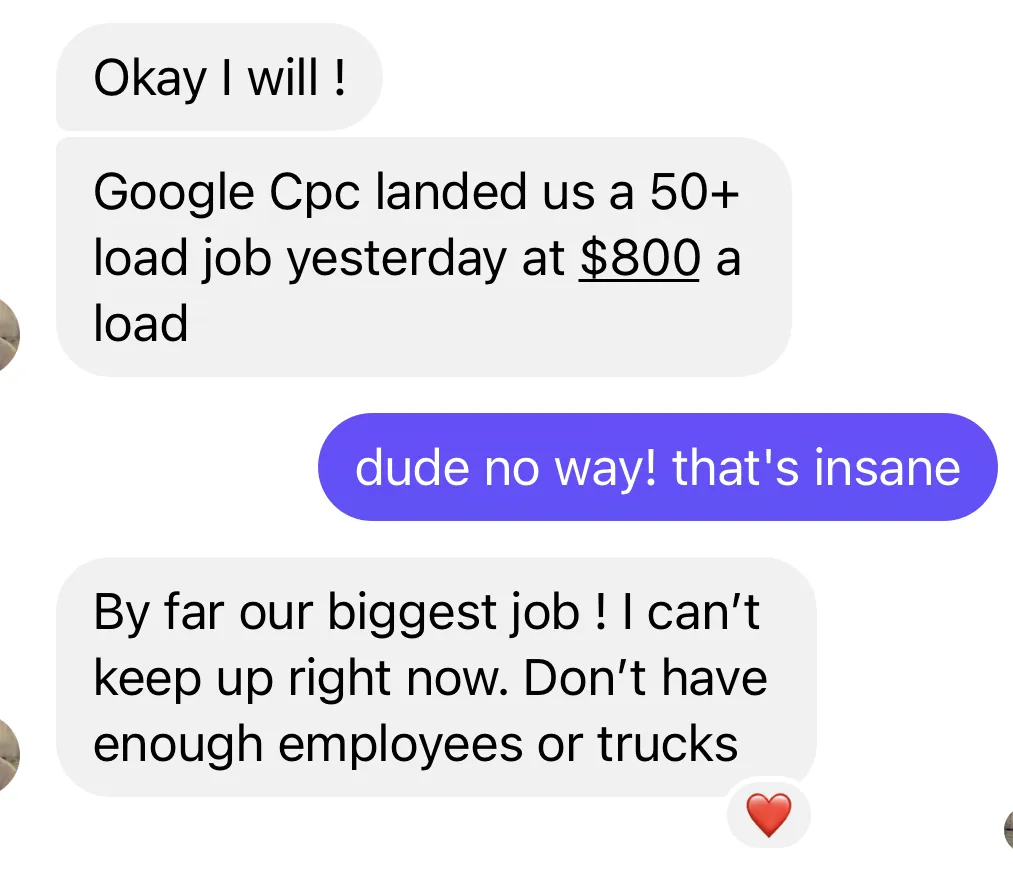
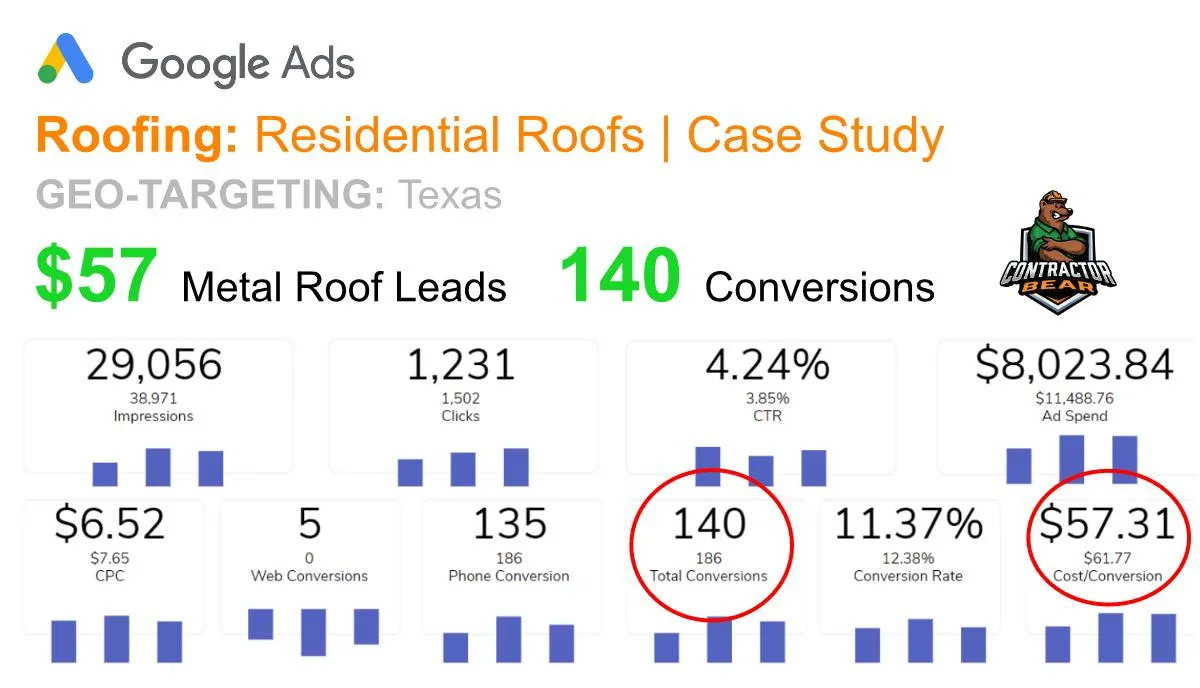
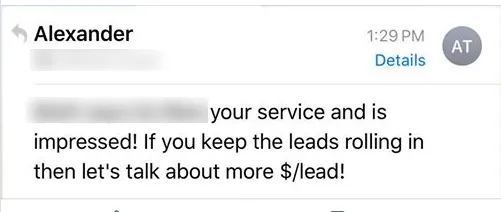
Real Results. Real Contractors.
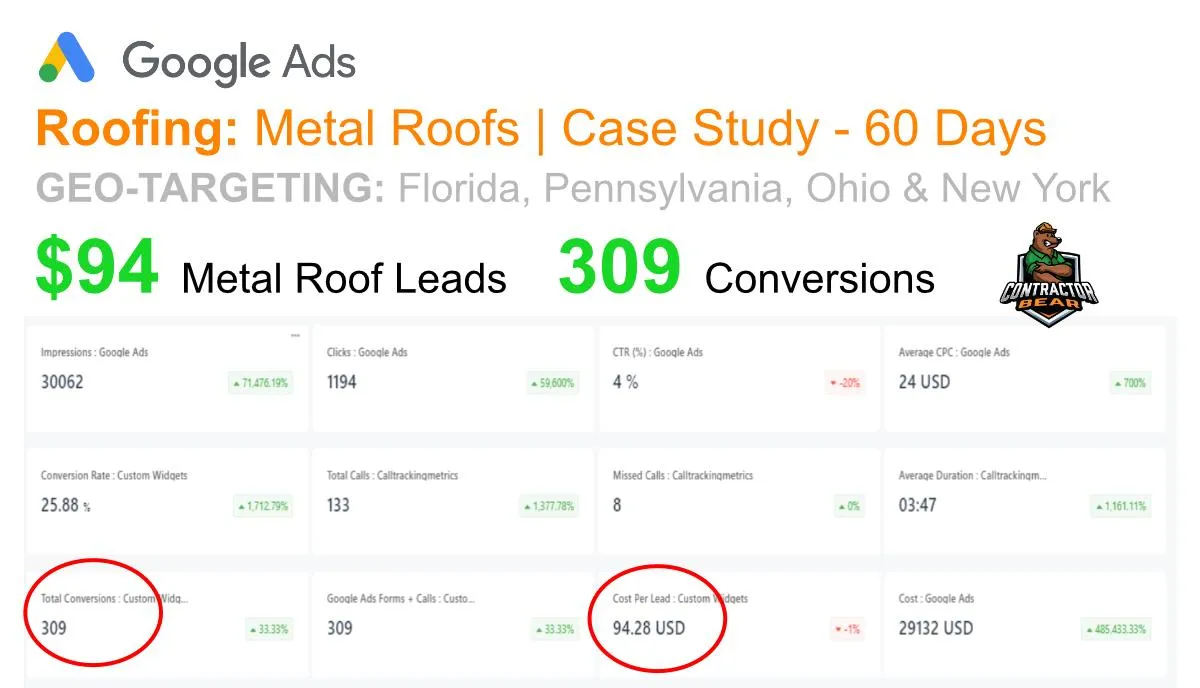
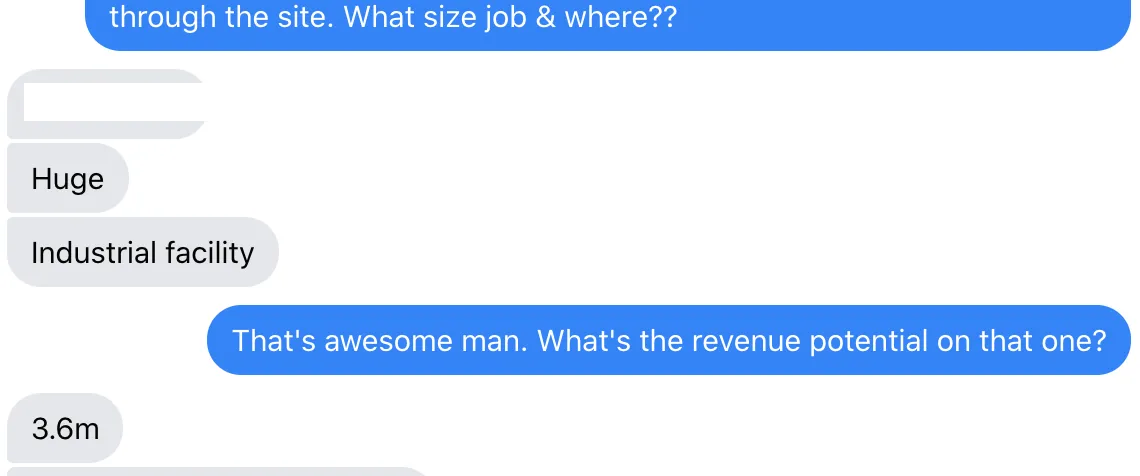
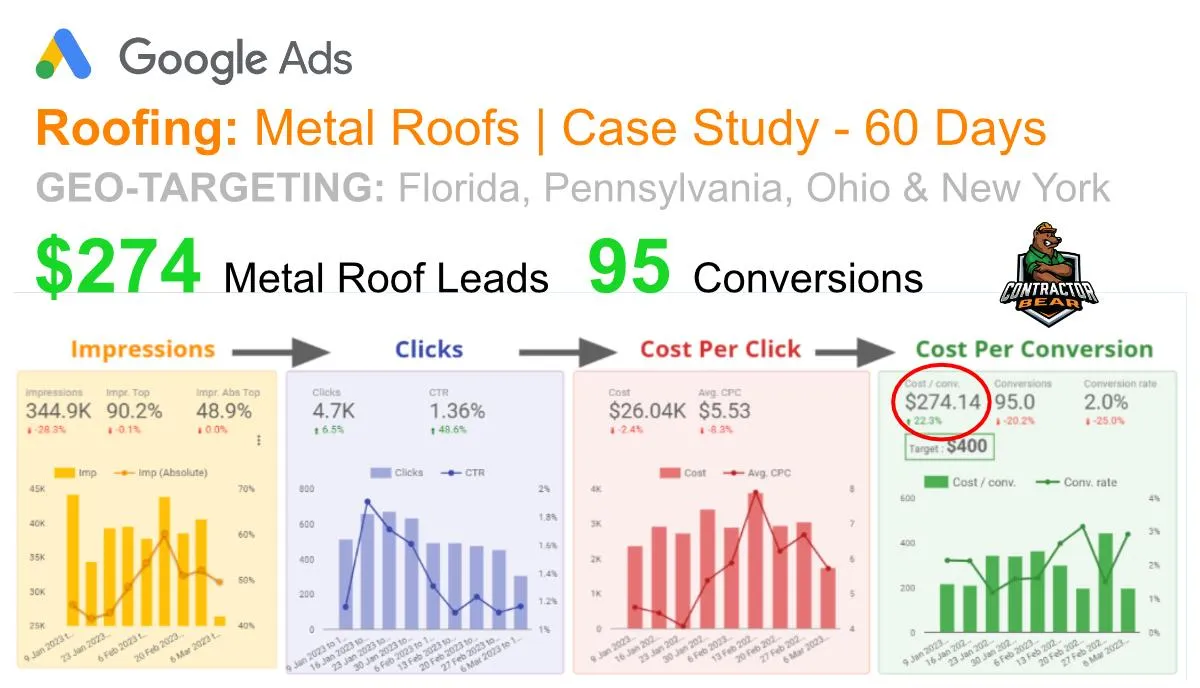
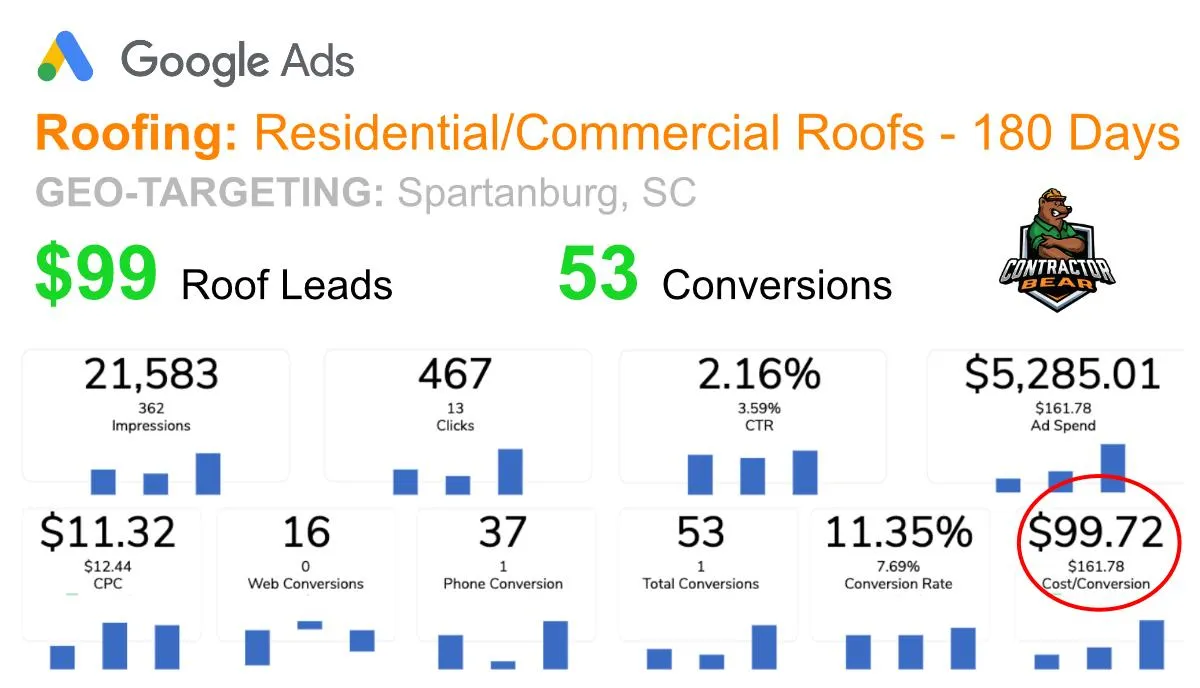
Screenshots from our actual client dashboards and conversations. No stock photos, no fake numbers.




Packages for St. Paul Pest Control Companies
Free custom website included with every plan. No setup fees, no long-term contracts.

Cub
Start building pipeline
- Google Business Profile optimization
- Local SEO foundation
- Review generation system
- Bring your own website

Black
Your free website tier
- FREE custom website
- ALL Everything in Cub, plus:
- Conversion-optimized site
- Call tracking + Growth Hub CRM

Grizzly
Accelerate your pipeline
- ALL Everything in Black, plus:
- Content marketing & blog
- Advanced review management
- City + service landing pages

Polar
Own your market
- ALL Everything in Grizzly, plus:
- Google Ads management
- Full-funnel lead nurturing
- Dedicated account manager
You only move up when we deliver. Tier upgrades trigger automatically when your attributed-lead count clears each threshold, with phone, email, and text notification before any price change. Attribution is limited to leads generated by our marketing — never your existing customers, referrals, or word-of-mouth.
Pest Control SEO FAQ
How long does it take for pest control SEO to generate leads in St. Paul?
Most St. Paul pest control companies see meaningful ranking movement within 60–90 days of starting a structured SEO campaign — primarily in the Google Business Profile and for lower-competition long-tail keywords. Page-one rankings for high-volume searches like 'pest control St. Paul' typically take 4–6 months, depending on your domain age, current website authority, and how aggressively you build citations and reviews. The timeline is longer than paid ads, but rankings compound over time. A business that invested in SEO 12 months ago is now generating leads at near-zero marginal cost per month, while paid advertisers keep paying the same $45–$150 per click indefinitely.
How much does pest control SEO cost in St. Paul, and what's the ROI?
Professional pest control SEO in St. Paul typically runs $1,000–$3,000 per month depending on campaign scope and competition level. The ROI calculus is straightforward: if SEO generates 20 organic leads per month at a 20% close rate, that's 4 new customers monthly. At $175 average job value with a $1,500 lifetime customer value, four retained customers represent $6,000 in lifetime revenue — monthly. Even at a conservative $1,500/month SEO investment, the return is 4:1 in the first year and compounds significantly as rankings strengthen. Compared to Google Ads where you'd pay $45–$150 per lead with no lasting asset, SEO builds equity that pays indefinitely.
What SEO keywords should my St. Paul pest control company target?
Keyword strategy should cover three tiers: high-volume primary terms ('pest control St. Paul,' 'exterminator St. Paul MN'), service-specific terms ('termite treatment St. Paul,' 'bed bug exterminator St. Paul,' 'rodent control Ramsey County'), and long-tail intent queries ('how much does pest control cost in St. Paul,' 'signs of termites in older Minnesota homes'). Don't overlook neighborhood-specific keywords — 'pest control Summit Hill,' 'exterminator Highland Park' — which have less competition and capture highly local searchers. Commercial terms like 'commercial pest control St. Paul' and 'restaurant pest control Minneapolis-St. Paul' are underserved by most local operators despite representing high-value contracts.
Does my pest control website need separate pages for each service to rank in St. Paul?
Yes — and this is one of the highest-leverage SEO changes most pest control companies can make. Google assigns topical relevance at the page level. A single page about 'pest control services' cannot rank competitively for 'termite treatment St. Paul' and 'rodent control St. Paul' simultaneously — Google doesn't know which keyword to associate with it. Dedicated pages for general pest control, termites, rodents, bed bugs, mosquitoes, and wildlife removal allow Google to index and rank each page for its specific keyword cluster. Each page should have 600–900 words of unique, useful content, its own title tag and meta description, and internal links to related services. This architecture is the structural foundation of a high-ranking pest control website.
How do reviews affect my pest control company's Google rankings in St. Paul?
Reviews are one of the three most powerful local ranking factors for Google's Local 3-Pack, alongside proximity and relevance. Google measures review quantity, average rating, recency, and velocity — how consistently you're receiving new reviews. A pest control company with 150 reviews and a 4.6-star average will consistently outrank a competitor with 20 reviews and a 4.9-star average, because volume and velocity signal an active, trusted business. Beyond rankings, 93% of St. Paul consumers read reviews before calling — your review profile is your conversion rate. Best practice: automate post-job review requests via SMS, respond to every review within 48 hours, and flag fake negative reviews for removal through Google's review policy process.
Pest Control SEO in Nearby Cities
Pest Control SEO in Minneapolis →
Minneapolis, MN • Pop. 429,954
Pest Control SEO in Madison →
Madison, WI • Pop. 272,903
Pest Control SEO in Milwaukee →
Milwaukee, WI • Pop. 577,222
Pest Control SEO in Sioux Falls →
Sioux Falls, SD • Pop. 195,850
Pest Control SEO in Des Moines →
Des Moines, IA • Pop. 214,133
Pest Control Marketing Resources
Scale Your Pest Control Company →
Comprehensive growth guide for pest control businesses.
All Pest Control Services →
See everything we offer for pest control companies.
Google Business Profile Guide for Contractors →
In-depth article to help grow your business.
How to Get More 5-Star Reviews →
Practical strategies you can implement today.
Get a Free Pest Control SEO Audit for St. Paul
We'll audit your current rankings, identify your top keyword opportunities, and show you exactly what it will take to dominate St. Paul search results — plus build you a free custom website when you're ready to grow.